Overhead Cable Extension Alternatives at Home (Minimal Equipment)
Four practical at-home substitutes for the overhead cable triceps extension using dumbbells, bands, or bodyweight, with what each preserves, what it loses, programming and safety notes.
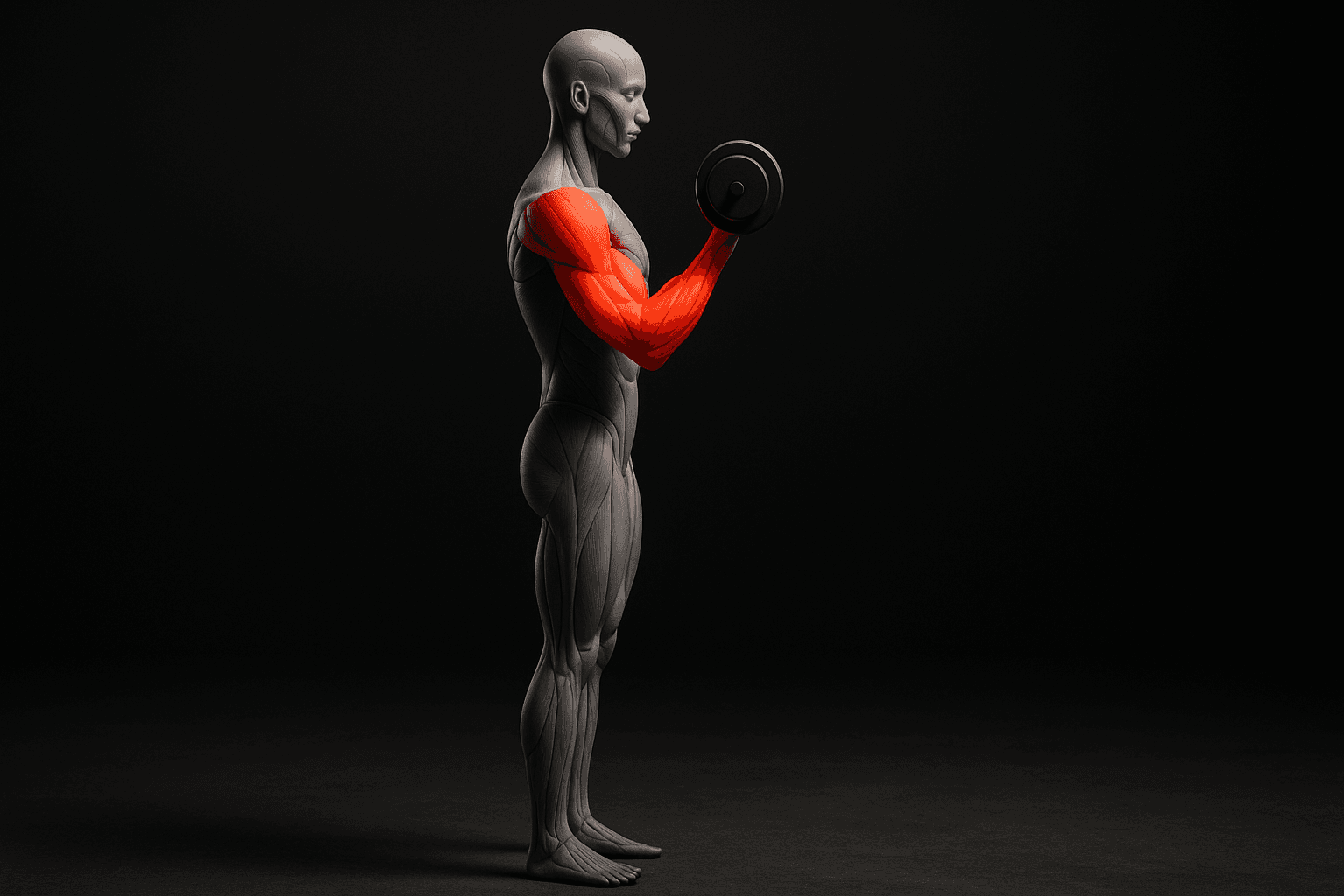
Photo by RepBro.
Overhead cable extensions can be replicated well at home with minimal kit. Dumbbell overhead extensions and anchored band extensions preserve the long-head stretch and allow progressive overload; floor skull crushers and bodyweight presses work but change the angle and tension profile. Use the swap unless you need very precise constant tension.
What does the overhead cable extension specifically train and why does angle matter?
The overhead cable extension emphasizes the triceps' long head because the shoulder is flexed and the elbow extends against resistance behind the head. That position places a greater passive stretch on the long head compared with horizontal push patterns. A cable provides near-constant tension through the range and an adjustable line of pull that suits some weak points.
Key features to consider when choosing a substitute:
- Long-head stretch (shoulder flexion with elbow extension).
- Constant tension across the range (cables and bands differ from gravity-only dumbbells).
- Ability to work single-arm/unilateral and load progressively.
Which dumbbell exercises should I use at home and what do they preserve or lose?
- Two-handed overhead dumbbell extension (seated or standing)
- Preserves: shoulder-flexed long-head stretch, similar elbow path, straightforward progressive loading.
- Loses: perfectly constant tension (gravity shifts line of pull), slightly different resistance curve at lockout.
- When adequate: for hypertrophy and strength progress with dumbbells up to moderately heavy loads.
- When go to a gym: if you need very high single-rep loads or want the exact cable line for a weak point.
- Single-arm overhead dumbbell extension
- Preserves: unilateral work helps reveal/repair imbalances, maintains long-head emphasis.
- Loses: same gravity-based curve; stability demands may reduce load compared with cable.
- Use it when you want to target side-to-side differences or have one dumbbell.
- Lying dumbbell skull crushers (floor)
- Preserves: heavy elbow extension load and high mechanical tension on triceps.
- Loses: the overhead long-head stretch is reduced because the shoulder is more neutral; range of motion is limited by the floor.
- Adequate when: you lack an anchor/band and want heavy triceps work. Not ideal if long-head stretch is your priority.
Which resistance-band options work and how close are they to a cable?
- Overhead band extension (anchor low or under foot)
- Preserves: the overhead angle and long-head stretch if you anchor the band to a low point or stand on the band and press overhead, and near-constant tension as bands maintain tension throughout.
- Loses: precise incremental loading is coarser unless you own bands with small tension steps.
- When adequate: excellent for home work—bands often give a cable-like feel and allow unilateral work.
- Single-arm overhead band extension with door anchor
- Preserves: adjustable line-of-pull and unilateral options.
- Loses: potential anchor instability and slightly different tension profile depending on band length.
- Use when you need versatility and portability.
What bodyweight options exist if I have no equipment?
- Close-grip (diamond) push-ups or elevated diamond push-ups: emphasize triceps via narrower hand placement. Progress with elevation, tempo, or added load.
- Dips (parallel bars or bench dips): bench dips are accessible but change shoulder position and may stress the shoulder cuff; parallel-bar dips preserve more triceps involvement but need greater strength.
What these preserve and lose:
- Preserve: high time under tension and safety for submaximal loads; useful for strength-to-bodyweight improvements.
- Lose: the overhead long-head stretch and the specific elbow–shoulder relationship of the overhead extension.
How do I program these replacements for hypertrophy and strength?
- Frequency: train triceps 2–3 times per week as an accessory. This aligns with muscle-protein-synthesis windows and common practice in evidence-based programming.
- Volume: use 2–4 sets per exercise per session. Adjust total weekly sets depending on recovery and goal.
- Reps: 6–12 (lower end for strength emphasis with heavier loads), 8–20 for hypertrophy depending on load availability.
- Progression: increase load, reps, band tension, or reduce rest. Track performance over weeks and add small increments when you can complete all target sets/reps.
If you want a structured log for overload and auto-regulation, record sets, loads, and RPE. (Consider tracking with tools like RepBro if you use an app.)
Comparison: which home substitute matches which feature of the cable extension?
| Exercise | Equipment | Preserves long-head stretch? | Constant tension? | Good for unilateral work? |
|---|---|---|---|---|
| Two-handed dumbbell overhead ext. | Dumbbell | Yes | Partial | No (single-arm variant yes) |
| Single-arm dumbbell overhead ext. | Dumbbell | Yes | Partial | Yes |
| Overhead band ext. | Resistance band | Yes | Yes (band tension) | Yes |
| Lying skull crushers | Dumbbell | No (reduced) | Partial | Yes |
| Close-grip push-ups / dips | Bodyweight | No | No | Limited |
When should I go back to a gym cable machine?
Visit a gym if you need:
- Very precise constant tension for a specific weak point.
- Extremely heavy single-rep maximal loading beyond your home gear.
- Multiple grip or pulley angles for rehabilitation/advanced programming prescribed by a clinician. For general hypertrophy and strength, well-chosen dumbbell and band variations will be sufficient.
What are the key safety notes?
Stop if you feel sharp or shooting pain and consult a qualified professional. Use controlled tempo, avoid dropping weight behind the head, and prioritize shoulder stability during overhead work. If you have a history of shoulder issues, get a professional assessment before repeatedly loading the overhead position.
What can't apps or AI coaching do reliably?
No app or model can visually assess and correct your form in real time or diagnose injuries. They can guide programming, suggest progressions, and help track loads, but only a qualified coach or clinician can perform in-person movement analysis, hands-on correction, or medical diagnosis. Also, a program works only if you consistently apply it.
Limitations
- This guide summarizes common, evidence-aligned practice but isn't individualized medical or rehabilitative advice.
- For persistent pain, recent injury, or surgical rehab, consult a licensed medical professional or physiotherapist.
- Apps and AI can assist planning and tracking but cannot replace in-person assessment where needed.
If you want short starter templates or sample workouts for these alternatives, say which equipment you have and your goals (strength vs hypertrophy vs pain-free maintenance) and I will outline a 4–6 week microcycle tailored to that setup.
Frequently asked questions
- Can I fully replace the overhead cable extension at home?
- Yes for progress and muscle stimulus in most cases. Band or dumbbell overhead extensions reproduce the long-head stretch and a large portion of tension. For precise constant tension and very heavy single-rep work, a gym cable may still be preferable.
- How often should I train triceps with these alternatives?
- Train triceps 2–3 times per week, using 2–4 sets per exercise and rep ranges tailored to goals (lower reps for strength, moderate reps for hypertrophy). Allow 48–72 hours between intense sessions for recovery.
- Which home option is best if I have only bodyweight?
- Progressive close-grip or diamond push-ups and dips provide useful triceps loading. They lose the overhead long-head stretch but can still drive strength and size if you manage volume and use progression like elevation or added resistance.