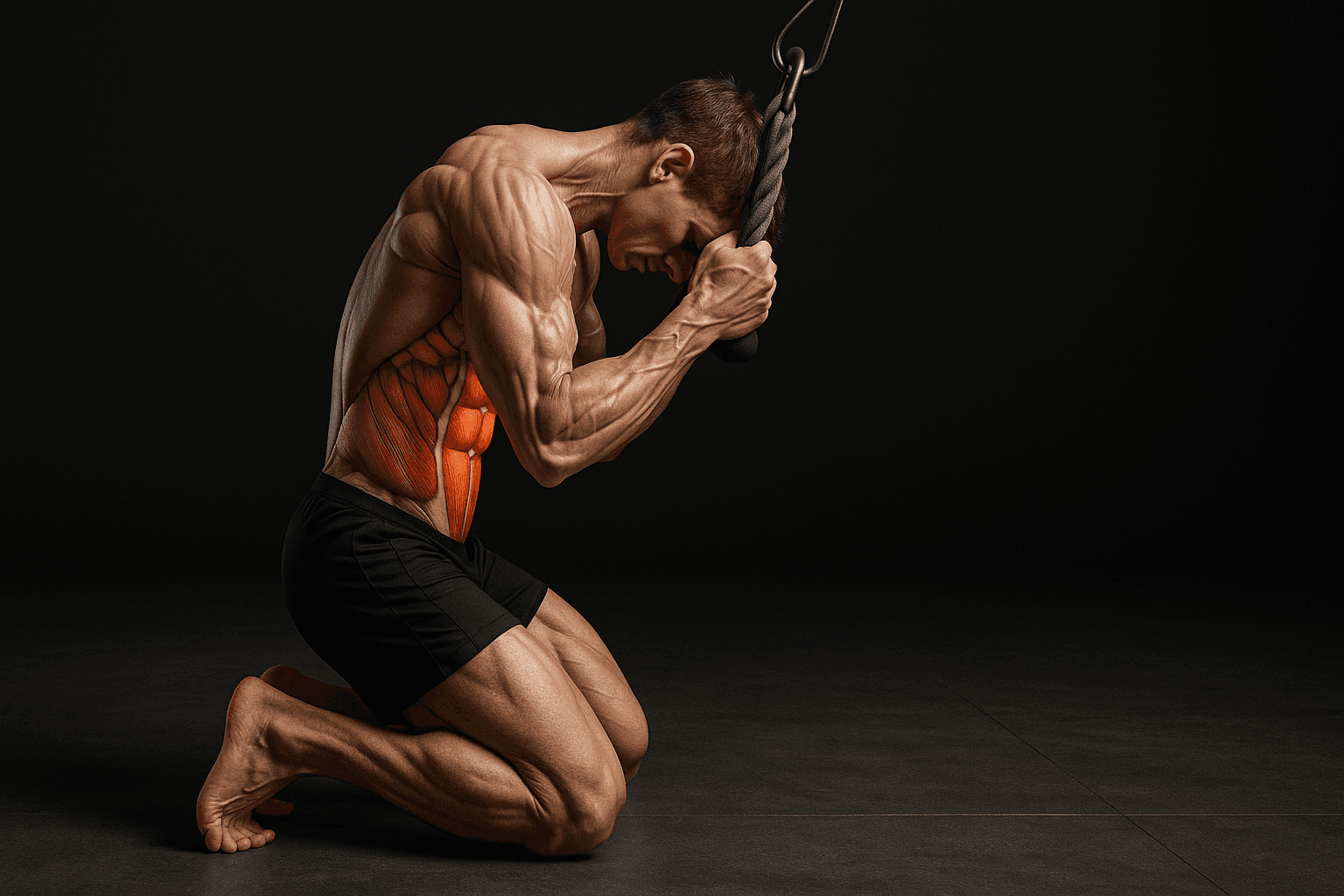
Overhead Cable Extension: Muscles Worked and Best Alternatives
Which muscles does the overhead cable extension train, where it fits in a program, and practical alternatives with when to choose each. Evidence-aware, practical guidance for lifters.
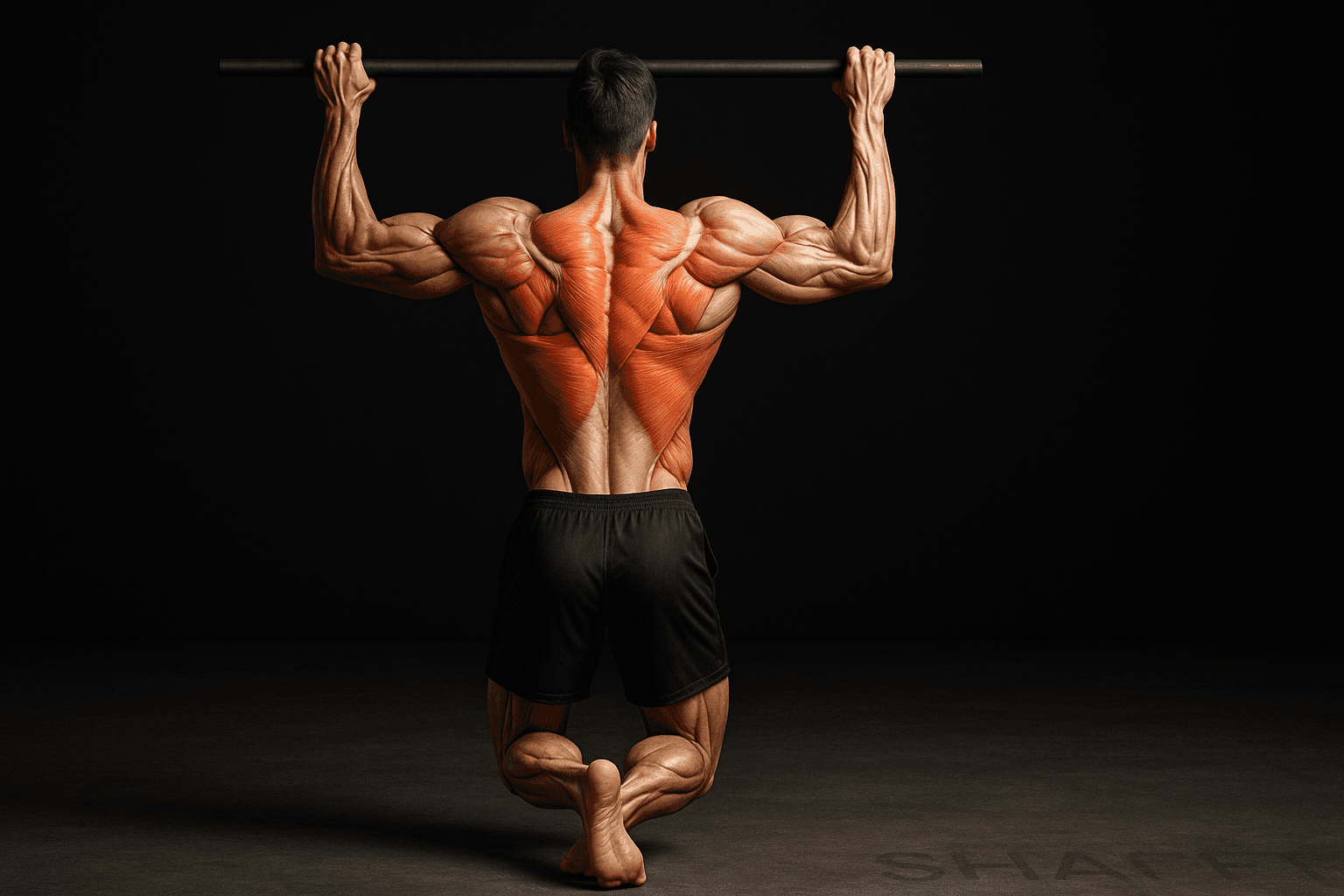
Photo by RepBro.
Direct answer
The overhead cable extension primarily trains the triceps long head, with secondary activation of the lateral and medial heads and stabilizers (anterior deltoid, core). It’s an isolation movement useful for targeting the long head; choose alternatives when you lack cables, have shoulder issues, or need heavier loading.
Which muscles does the overhead cable extension work?
Primary: the triceps long head. Because the arm is raised overhead, the long head (which crosses the shoulder) is placed on stretch and contributes strongly during elbow extension.
Secondary: the lateral and medial triceps heads contribute to force; the anterior deltoid and upper trapezius act as stabilizers to hold the shoulder position. Core and oblique muscles activate to resist torso lean if you perform the exercise standing.
EMG and biomechanical reasoning both suggest overhead positions emphasize the long head more than pushdowns or close-grip presses where the shoulder is neutral.
How should I program overhead cable extensions into a routine?
- Frequency: aim to work triceps directly 2–3 times per week, spreading sets across sessions rather than doing all volume in one day. This matches common hypertrophy guidance to increase recovery and allow high-quality sets.
- Volume: accumulate multiple hard sets per week for triceps; many programs target a total in a commonly recommended range for hypertrophy. Adjust up or down based on recovery and progress.
- Load and reps: use a rep range that matches your goal—moderate reps (6–15) for a balance of strength and size; higher reps can be useful for technique, metabolic stress or when recovering from heavier phases.
- Progression: prioritize progressive overload—add weight, reps, or reduce rest to increase intensity. Track sets, reps, and perceived effort so you can add a small increment each week or every other week.
Place: overhead cable extensions are a direct accessory. Put them after heavy pressing or compound triceps work (close-grip bench, dips) or on an upper-body accessory day.
How do I perform the overhead cable extension correctly?
- Set a rope or single handle on a low cable and face away from the machine. Pull the handle overhead so your upper arms are near your ears and torso upright.
- Keep elbows close to your head and fixed; avoid letting them flare or drift forward.
- Extend the elbows until arms are straight without locking out aggressively; control the eccentric back to the start with a full stretch.
- Maintain a neutral spine and brace your core; use a split stance if needed for balance.
Common mistakes: letting elbows travel, using body momentum, overloading which causes shoulder compensation, or excessively flaring the ribs/arching the back.
Safety note: stop on sharp pain and consult a qualified professional. This article does not diagnose or promise injury prevention.
How does the overhead cable extension compare with other triceps exercises?
| Exercise | Equipment | Emphasis | Load potential | When to prefer it |
|---|---|---|---|---|
| Overhead cable extension | Cable machine | Long head, isolation | Moderate | Emphasize long head, constant tension, controlled tempo |
| Overhead dumbbell extension (one or two hands) | Dumbbell | Long head, unilateral option | Higher (single DB) | No cable available; want unilateral focus or free-weight feel |
| Skull crushers (EZ-bar or dumbbells) | Bench + bar/DB | All triceps, strong long/medial input | High | Want heavier load and horizontal line of pull; bench-supported stability |
| Cable/knee pushdown or bar pushdown | Cable machine | Lateral and medial heads, lockout emphasis | High | Limit shoulder flexion (shoulder issues) or want heavier loading |
| Close-grip bench press | Barbell + bench | Triceps + pressing synergy | Highest | Want compound strength carryover to bench/dips; heavy loading |
This table highlights trade-offs: overhead variations bias the long head via shoulder position; pushdowns bias lateral/medial heads and allow heavier loads.
Which alternatives should I pick and when?
-
Overhead dumbbell extension (single or two hands): choose when there’s no cable machine or you want to test unilateral strength/imbalance. Dumbbells allow different hand paths and usually higher peak loads per side.
-
Skull crushers (EZ-bar or dumbbells): choose when you want to move heavier loads through a horizontal elbow path. Useful for building size and strength across all three triceps heads; bench provides stability to focus purely on the arms.
-
Cable triceps pushdown (rope or straight bar): choose when you have shoulder pain with overhead positions or need a movement that allows heavier loads and easier progressive load increments while still using cables for constant tension.
-
Close-grip bench press or dips: choose when you want compound overload and strength carryover. These are less isolating but superior for overall pressing strength and heavy loading.
Pick based on equipment: use cables or dumbbells if you want isolation and long-head bias, use bars and compound presses when you need heavier loading and systemic stimulus.
Programming tweaks for plateaus or injury
- Plateau: vary angle (switch cable to dumbbell), increase frequency slightly, or add heavier compound triceps work for neural stimulus. Manipulate tempo (slower eccentrics) and add a final drop set or a few higher-rep sets for extra stimulus.
- Shoulder pain: reduce or avoid overhead positions; use pushdowns or close-grip pressing until cleared. Prioritize scapular control and rotator cuff-friendly rehab.
What limitations should I be aware of?
No app or article can see or correct your form in real time. For persistent pain, diagnosed injuries, or post-surgical rehab, consult a qualified clinician or physiotherapist. A program’s effectiveness depends on consistent, progressive application and adequate recovery; tools only help if you follow them.
If you want to log sets and track progressive overload with simple tools, consider recording workouts in a trainer or tracking app such as RepBro.
Final practical tips
- Use overhead cable extensions to emphasize the triceps long head and for constant tension.
- Combine with heavier compound pushing and alternative isolation movements across the week.
- Use progressive overload and monitor recovery; stop on sharp pain and seek professional advice when needed.
Limitations reminder: this article summarizes exercise selection and programming principles; it does not replace hands-on coaching, individualized programming, or medical advice.
Frequently asked questions
- Does the overhead cable extension target the long head of the triceps?
- Yes. The overhead cable extension places the shoulder in flexion, which lengthens the triceps long head and increases its contribution. It’s a preferred isolation option for emphasizing the long head compared with some pushing exercises that keep the shoulder neutral.
- How often should I include overhead cable extensions in my routine?
- For hypertrophy, include direct triceps work two to three times per week and distribute multiple hard sets across the week. Use progressive overload—add reps, load, or better technique over time—and monitor recovery before increasing volume.
- Is the overhead cable extension safe for people with shoulder pain?
- If you have active shoulder pain or a recent shoulder injury, avoid overhead positions until cleared by a qualified professional. Mild tightness can sometimes be managed with lighter loads and reduced range, but sharp pain should stop the set and prompt evaluation.