Full 3x Program vs Other 3-Day Splits: Which Gets Better Results?
Full body 3x, upper/lower, and PPL all produce solid results in 3 days per week. The difference is in recovery, volume distribution, and your training age. Here's how to choose.
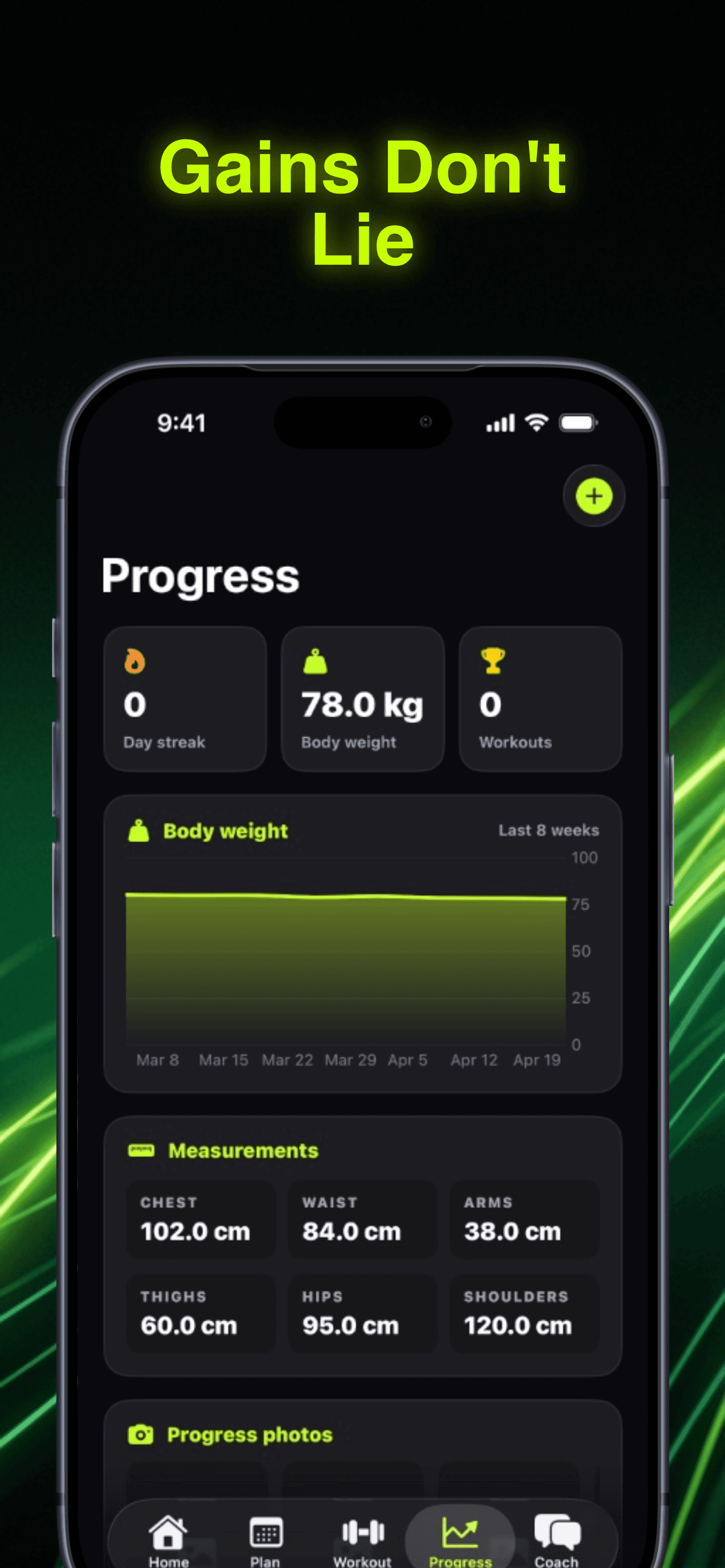
Photo by RepBro.
The Short Answer on Full 3x Program Results
If you train three days a week, the structure of your split matters less than you think — but it still matters. A full body 3x program, an upper/lower rotation, and a rotating PPL all hit each muscle group roughly twice per week when programmed correctly. Research on training frequency consistently shows that two stimuli per muscle per week outperforms one for most lifters, and all three formats can deliver that. What separates them is how they distribute fatigue, how much volume you can absorb per session, and what your training age demands.
For most lifters with fewer than two years of consistent training, a full body 3x program produces the fastest progress. For intermediate and advanced lifters, upper/lower or PPL often allows higher per-session volume and better recovery. But the format is not the deciding variable — adherence and progressive overload are.
What the Research Actually Says About 3-Day Splits
The most-cited meta-analysis on training frequency, published by Brad Schoenfeld and colleagues in the Journal of Strength and Conditioning Research, found that training a muscle group twice per week produced significantly greater hypertrophy than once per week when total volume was equated. A separate 2018 analysis by Ralston et al. in the Journal of Strength and Conditioning Research found similar effects for strength, with higher frequency showing a small but consistent advantage for multi-joint movements like the squat and bench press.
Here's what that means practically for 3-day-per-week lifters:
- Full body 3x: Every muscle gets three stimuli per week. High frequency, but per-session volume per muscle is capped (you can only do so many exercises before fatigue compounds).
- Upper/lower (2 upper, 1 lower or alternating): Each muscle gets 1.5–2 stimuli per week depending on rotation. Moderate frequency, higher per-session volume for upper or lower body on their dedicated days.
- Rotating PPL (Push A / Pull / Legs, cycling): Each muscle gets roughly one stimulus per 9 days in a strict 3-day week. That's closer to once-per-week frequency — a meaningful disadvantage for hypertrophy if you're not compensating with higher per-session volume.
That last point surprises people. A PPL split feels comprehensive, but on three days per week it's functionally a once-per-week body part split with extra steps.
Full Body 3x vs Upper/Lower: The Real Trade-Off
The honest comparison between these two formats comes down to one question: how much useful volume can you produce in a single session?
A true full body session might look like this:
- Squat pattern × 3–4 sets
- Hinge pattern × 3 sets
- Horizontal push × 3 sets
- Horizontal pull × 3 sets
- Vertical push or pull × 2–3 sets
That's roughly 14–17 working sets across your whole body. For a beginner or early intermediate, that's plenty. For someone pushing 18–24 sets per muscle per week at a meaningful intensity, it's not enough per session — the session gets too long, or quality degrades on the later exercises.
Upper/lower solves this by letting you load 8–12 sets on upper body muscles in one session and 8–12 on lower body muscles in another. You can run heavier, recover more deliberately, and use more exercise variety without the session bloating past 75 minutes.
For strength specifically: Upper/lower tends to edge out full body 3x for intermediate lifters because you can hit your main compound lifts with more focus and energy. Squatting, pressing, and pulling in the same session every single day taxes the nervous system in a way that often limits how heavy each individual movement can be.
For hypertrophy: Full body 3x and upper/lower are nearly equivalent when volume is matched. The difference is mostly a matter of personal preference and session management.
When Full Body 3x Wins
Full body 3x is the right choice in specific situations:
- You're a beginner (0–12 months of consistent training). Beginners respond to almost any stimulus, and the repeated practice of compound movements three times per week accelerates motor learning. Getting better at the squat pattern three times a week instead of once is a real advantage.
- Your schedule is unpredictable. Missing one of three full body sessions means you still trained everything twice that week. Missing one upper day in an upper/lower split means your upper body only got one stimulus.
- You're training for general fitness, not maximal hypertrophy or peak strength. Full body training produces broad, balanced adaptations across all muscle groups with minimal complexity.
- You're returning from a layoff. Lower per-session volume with high frequency is a sensible re-introduction to loading.
When Upper/Lower or PPL Beats Full Body 3x
Switch away from full body 3x when:
- You're consistently finishing sessions in under 45 minutes because you've hit your prescribed sets and have energy left. That's a sign you can handle more volume, and upper/lower lets you add it without adding days.
- Your main lifts have stalled for more than 4–6 weeks and you suspect it's a volume issue, not a sleep or nutrition issue.
- You want to specialize. If you're chasing a bigger bench, an upper day dedicated to pressing variants lets you run more chest and shoulder volume than any full body session reasonably allows.
For PPL specifically on three days per week: it's not a bad program, but you should be aware that you're essentially running a body-part split. That's fine if you compensate with high per-session volume (15–20 sets per muscle group on its dedicated day), but most people underestimate what that requires.
The Variable That Overrides All of This
Here's the uncomfortable truth: the research comparing splits is largely done on people who actually follow their programs. The biggest predictor of results from any 3-day split is not whether it says "full body" or "upper/lower" at the top — it's whether you show up, add weight or reps over time, and sleep enough.
A well-run full body 3x program with consistent progressive overload will beat a poorly executed PPL every time. The best split is the one you'll actually do for 12+ consecutive weeks.
That said, choosing the right structure for your training age and goals does matter at the margins. Beginners: start with full body 3x. Intermediates: consider upper/lower. Advanced lifters with specific goals: PPL or specialization blocks.
Tracking Progress Across Any Split
One underrated advantage of tracking your sets, reps, and weights over time is that you can actually see which format is working. If your upper body PRs are climbing every 2–3 weeks on full body 3x, stay there. If they've plateaued for two months, that's data — not an opinion.
Volume landmarks matter here too. If you're running 10 sets per muscle per week and making progress, great. If you've added sets and progress has stalled, that's a recovery issue, not a volume issue. You can't diagnose this without a log.
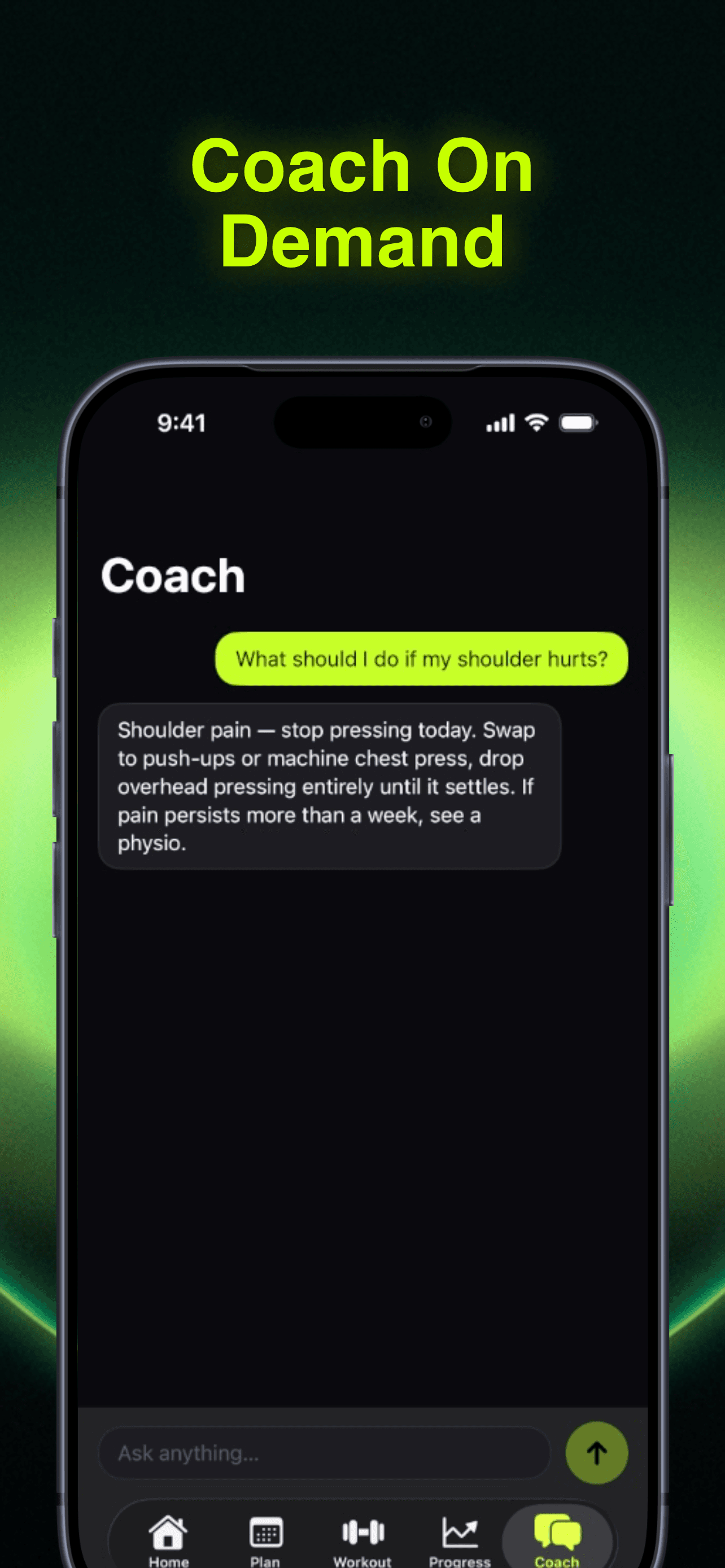
RepBro tracks all of this automatically — PRs, weekly volume per muscle group, and trend lines across your training blocks — so you can make this decision with your own data, not someone else's anecdote.
Next session: pick one of these three formats, commit to it for 8 weeks, and track every set. At the end of those 8 weeks, you'll have real data on what your body responds to. That's worth more than any comparison article.
Frequently asked questions
- Does a full body 3x program produce better results than upper/lower?
- For beginners, full body 3x typically produces faster progress because high-frequency practice of compound movements accelerates motor learning and adaptation. For intermediates, upper/lower often edges ahead because it allows more per-session volume per muscle group. When total weekly volume is equated, the difference in hypertrophy is small.
- Is a 3-day PPL split effective for muscle growth?
- A 3-day PPL split trains each muscle roughly once every 9 days, which is closer to once-per-week frequency. Research consistently shows twice-per-week frequency outperforms once per week for hypertrophy. PPL on 3 days can still work if per-session volume is high (15–20 sets per muscle), but it's a meaningful disadvantage compared to full body or upper/lower.
- How long does it take to see results from a full body 3x program?
- Most beginners notice strength improvements within 2–4 weeks and visible muscle changes within 8–12 weeks on a consistent full body 3x program. Progress speed depends heavily on calorie intake, sleep quality, and whether you're adding load over time.
- Can an intermediate lifter still run a full body 3x program?
- Yes, but with caveats. Intermediates need more total weekly volume than a standard full body session can comfortably deliver. You can address this by adding sets per exercise, adding intensity techniques like drop sets, or switching to an upper/lower structure that allows more focused volume per session.
- What is the most important factor for results on any 3-day split?
- Progressive overload — consistently adding reps, weight, or sets over time — is the single biggest driver of results regardless of split. Adherence and recovery (sleep, nutrition) are close seconds. The split structure matters, but only after those fundamentals are in place.