How Many Sets and Reps for the Standing Calf Raise?
Clear, evidence-aware guidelines for sets, reps, frequency, progression, and when to add weight versus reps for the standing calf raise.
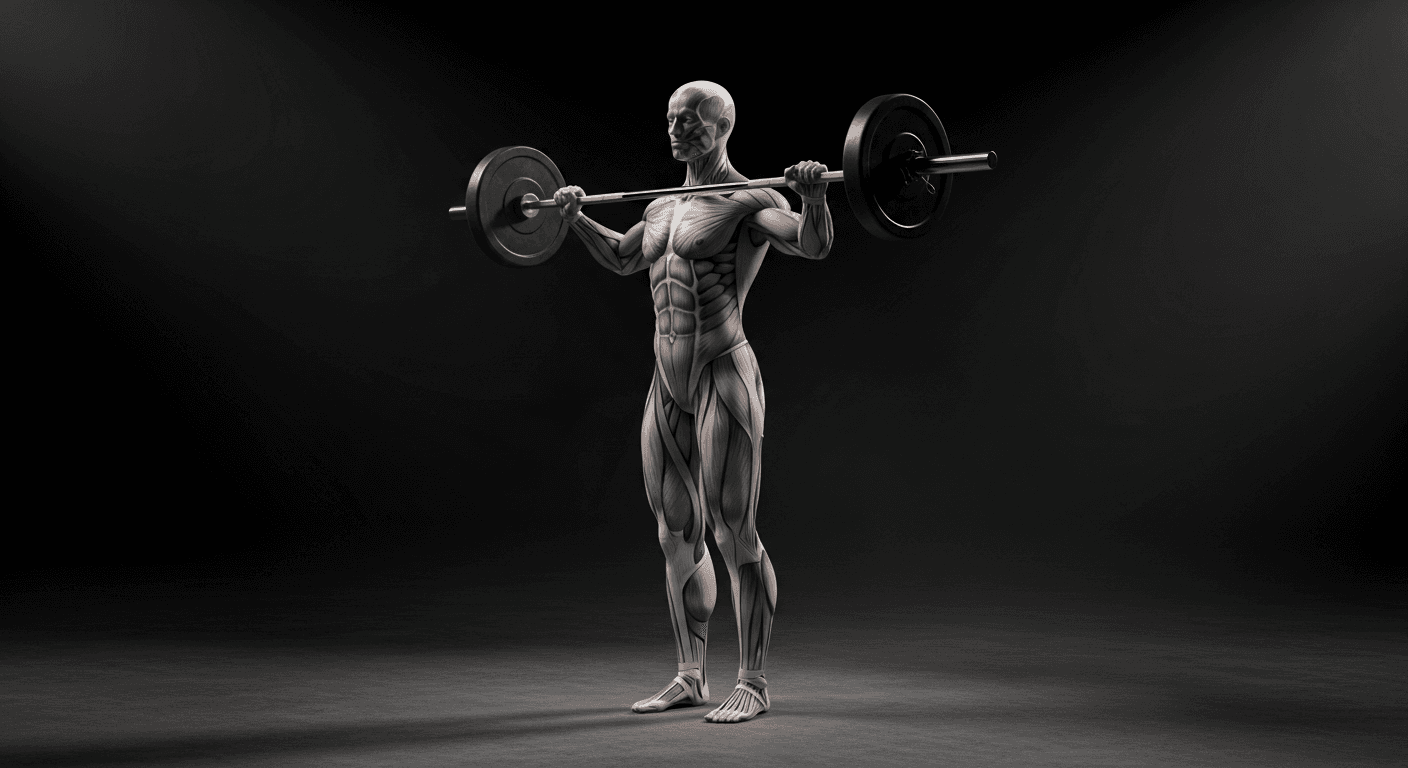
Photo by RepBro.
For standing calf raises: pick a goal-specific rep range and progressive overload. Strength: 3–6 sets of 3–6 reps. Hypertrophy: 3–6 sets of 6–15 reps. Endurance: 2–4 sets of 15–30+ reps. Train calves 2–4x/week, increase load when you consistently exceed rep targets.
How many sets and reps should I do for strength, hypertrophy, and endurance with the standing calf raise?
Practical, evidence-aligned ranges:
- Strength: 3–6 sets of 3–6 reps, long rests (2–4 minutes). Use heavy loading and full range of motion.
- Hypertrophy (size): 3–6 sets of 6–15 reps per set; many lifters do 8–12 or 8–15. Moderate rest (60–120 seconds).
- Muscular endurance: 2–4 sets of 15–30+ reps with shorter rests (30–90 seconds).
Calf muscles (gastrocnemius and soleus) have mixed fibre types. The soleus is more slow-twitch and often responds to higher reps and frequency, so include higher-rep work or separate seated calf raises for soleus emphasis if needed.
How many times per week should I train standing calf raises?
Most lifters see progress at 2–4 sessions per week. Frequency allows more total weekly volume without each session becoming excessively long. For strength-focused phases, 2–3 well-loaded sessions is common; for hypertrophy, 2–4 shorter sessions letting you spread 9–15 weekly sets across the week tends to work well.
How many total sets per week should I aim for?
Total weekly sets should be distributed by goal: lower for strength, higher for hypertrophy. Track progress and adjust—if you are not progressing over several weeks, increase weekly volume or frequency modestly. Individual response varies; some lifters need more frequent stimulus to grow calves.
What is the best way to progress week-to-week on the standing calf raise?
Follow progressive overload with clear rules:
- Pick a target rep range for your goal (e.g., 8–12 for hypertrophy).
- Track every set and weight. Use small, consistent increments when possible (microplates or smaller jumps).
- If you can complete the top of your rep range for all sets for two sessions in a row, increase the load the next session.
- If you cannot increase load (no small plates or bar pressure), add 1–3 reps per set, up to the top of the rep range, then add weight.
- If reps at the top of the range become easy but adding weight isn’t practical, add one extra set once every 1–3 weeks.
Example progression rule: when all sets hit the upper rep target two sessions in a row, increase weight by the smallest increment (e.g., 1.25–2.5 kg / 2.5–5 lb if available).
When should I add weight versus add reps?
Signals to add weight:
- You hit the top of the rep range on every set for two consecutive sessions.
- RPE has dropped: the last 2–3 reps no longer feel challenging.
- Movement quality remains crisp and full range is maintained.
Signals to add reps or sets instead:
- You aren’t able to make small weight jumps.
- You can perform more repetitions but single heavy increases would disrupt form.
- You want to increase time under tension without raising joint stress.
Prefer adding reps first when you lack micro-increments. Prefer adding weight when the higher reps become easy and you can keep form.
What does a simple 6–week standing calf raise plan look like?
Beginner (twice per week):
- Weeks 1–2: 3 sets x 10–12 reps, moderate load, 90s rest.
- Weeks 3–4: 3 sets x 12–15 reps; add 1–2 reps per set when possible.
- Weeks 5–6: Increase load by smallest increment and drop to 3 sets x 8–10 reps; repeat progression rule.
Intermediate (3x/week, hypertrophy focus):
- Session A (heavy): 4 sets x 6–8 reps, 2 min rest.
- Session B (moderate): 4 sets x 10–12 reps, 90s rest.
- Session C (high-rep): 2–3 sets x 15–20 reps, 60s rest. Follow the progression rule: add weight when upper rep targets are met across sets twice.
What are the key form and safety cues?
- Use full dorsiflexion and plantarflexion; control the descent rather than bouncing.
- Keep knees soft—not hyperextended—and avoid forward/backward rocking.
- Pause briefly at the top for full contraction and lower slowly.
- Stop if you feel sharp or unusual pain; consult a qualified professional for persistent pain.
Safety note: never diagnose injuries from pain; stop on sharp pain and seek a healthcare or physiotherapy evaluation when needed.
How do I know if calves are improving?
Use objective signals: more reps at the same weight, ability to add small weight increments, higher session RPE tolerance, and progressive increases in weekly volume. Visual changes and fit of clothing are helpful but slower indicators.
What limitations should I accept about apps and online guides?
- No app or AI can see your movement and correct form in real time; technique cues are only general.
- Persistent or complex pain and rehabilitation require assessment by a qualified clinician (physio, sports doctor).
- A plan won’t work if you don’t follow it consistently—consistency and recovery matter more than app choice.
If you use an app to log sets, one option that supports custom progressions is RepBro.
Limitations: This guide synthesizes training consensus and coaching practice but does not replace individualized assessment. For return-to-sport, post-injury programming, or pain management, consult a qualified professional.
Short safety reminder: stop on sharp pain, progress conservatively, and get professional help for injuries. This article provides general programming guidance, not medical advice.
Frequently asked questions
- How many sets and reps should I do for calves if I want size?
- For hypertrophy on standing calf raises, aim for multiple sets of moderate reps—typically 3–6 sets of roughly 6–15 reps per session, trained 2–4 times per week. Track weekly volume and increase load or reps progressively once you can exceed targets reliably.
- Should I lift heavy or use high reps for calf strength?
- For strength, use heavier loads with lower reps: about 3–6 sets of 3–6 reps with long rests. Calves tolerate a range of loads, so prioritize progressive overload and good form; higher frequency (2–3x/week) helps strength carryover.
- When do I add weight vs add reps on standing calf raises?
- Increase weight when you can perform your top-end rep target across all sets for at least two sessions in a row without form breakdown. If no small load increments are available, add reps first; add sets only after rep progress stalls.