Standing Calf Raise: Muscles Worked and Best Alternatives
Learn which muscles the standing calf raise trains (gastrocnemius primary, soleus secondary), where it fits in a program, and 4 practical alternatives with when to use each.
Photo by RepBro.
The standing calf raise primarily trains the gastrocnemius (the large, visible calf muscle), with the soleus acting as a secondary mover and several stabilizers (tibialis posterior, peroneals) contributing; because the knee is extended the gastrocnemius carries the bulk of the load. The exercise also loads the Achilles tendon and requires ankle plantarflexion through a substantial range of motion.
What exactly does the standing calf raise train?
- Primary: gastrocnemius (both medial and lateral heads). This muscle crosses the knee and ankle and is best loaded when the knee is straight or nearly straight.
- Secondary: soleus. The soleus is active during plantarflexion but is emphasized more when the knee is bent.
- Assist/stabilizers: tibialis posterior, peroneus longus/brevis, intrinsic foot muscles and the Achilles tendon handle force transfer and balance.
Put simply: standing calf raises are the go-to exercise to target the gastrocnemius; they produce high peak force at the top of plantarflexion and work well for size and strength when loaded progressively.
Where does the standing calf raise fit in a training program?
- Role: accessory/secondary lower-body exercise. Use it after compound lifts (squats, deadlifts) or on lower-body accessory days.
- Frequency: 2–4 sessions per week depending on recovery and volume tolerance. Calves tolerate frequent work—start at 2x/week and increase if recovery is good.
- Sets & reps: 3–6 sets per session. Use 6–12 reps for strength/hypertrophy focus with heavier loads (add weight via machine, dumbbells, barbell), or 12–25+ reps for endurance and metabolic stimulus; calves respond to both load and high volume.
- Progression: increase load, add reps, or manipulate tempo—1–3s concentric, 0–1s pause at top, 2–4s eccentric works well to increase stimulus without massive weight increases.
- Placement: after big lifts or on dedicated calf days. If calves are a priority, place them earlier and use fresher legs.
Proper form & safety note
Key cues: a full, controlled stretch at the bottom (heels dropped below the platform), controlled plantarflexion to a full contracted position, don’t bounce, and keep the knees locked (or slightly soft) rather than hyperextending. If using a machine, keep the pad high on the shoulders, not the neck. Safety note: stop if you feel sharp or unusual pain—do not try to push through sharp pain. If you have persistent tendon or joint pain consult a qualified professional for assessment; this article does not diagnose.
What are the best alternatives and when to pick each?
Below are four practical, evidence-aware alternatives with when and why to choose them.
- Seated calf raise
- What it targets: emphasizes the soleus because the knee is bent, changing the length-tension relationship.
- When to pick it: you have weak soleus development, want to balance calf shape, or have limited ankle range with heavy standing raises. Also useful if knee pain prevents straight-leg loading.
- Equipment: seated calf raise machine, hack squat machine with seat, or sit on a bench with a barbell/dumbbell on your thighs.
- Programming tip: 3–6 sets, 12–25 reps; slow eccentrics (2–4s) help tendon loading.
- Single-leg standing calf raise (bodyweight or weighted)
- What it targets: unilateral gastrocnemius strength and control; higher per-leg relative load and balance demands.
- When to pick it: you have imbalances between sides, limited equipment (no machine), or want to add intensity without heavy plates. Good for rehab progression under guidance.
- Equipment: step/box; add dumbbell/kettlebell in one hand or use a weighted vest.
- Programming tip: 3–5 sets of 8–20 reps per leg, or do controlled eccentric-only reps for 3–5s on the way down.
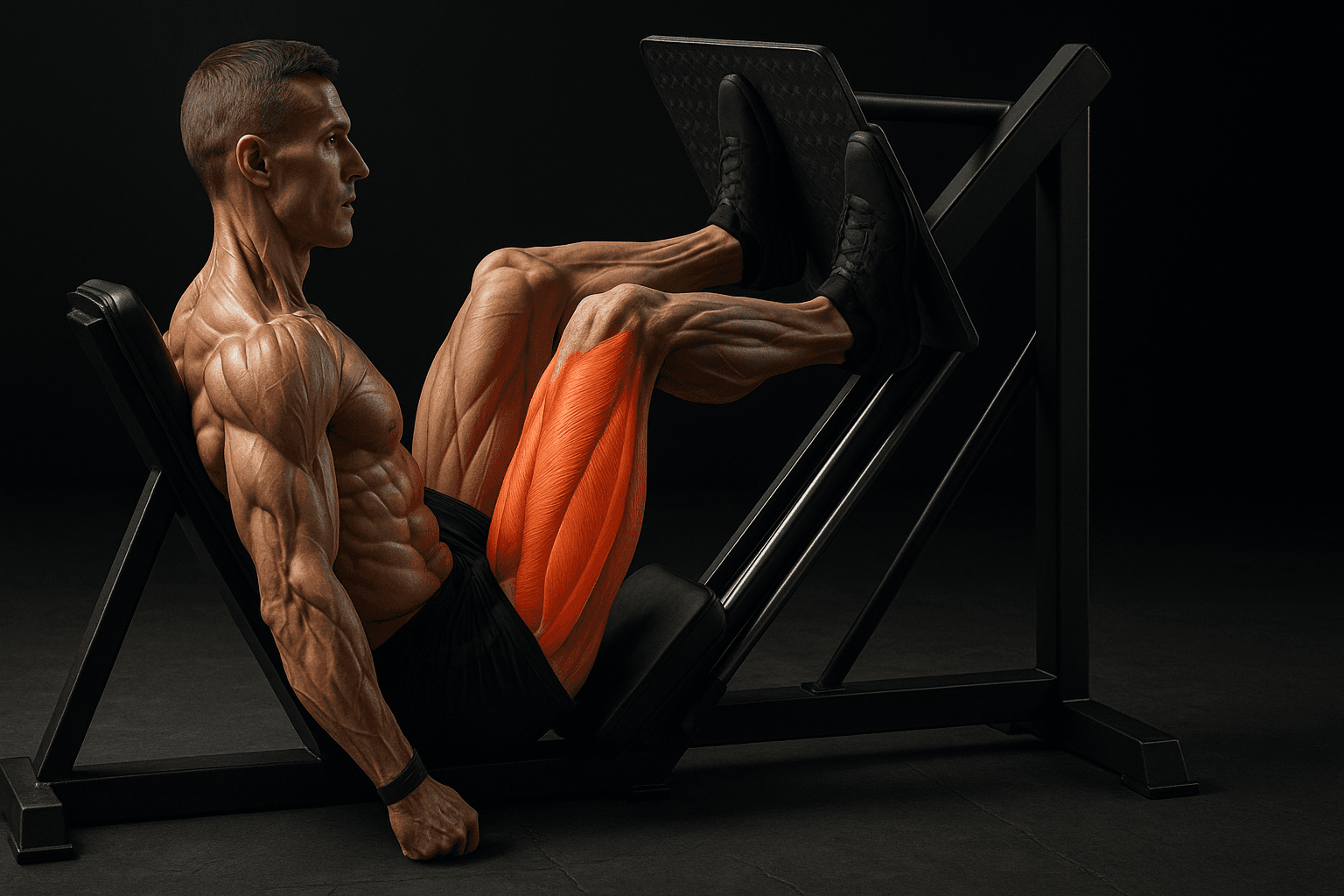
- Leg press calf raise or barbell calf press (loaded plantarflexion)
- What it targets: strong overload of plantarflexion with a safer trunk position; works gastrocnemius and soleus depending on knee angle.
- When to pick it: you want to push heavy and avoid balance demands of standing raises, or you plateaued on machine raises and need more absolute load (e.g., 100+ kg / 220+ lb).
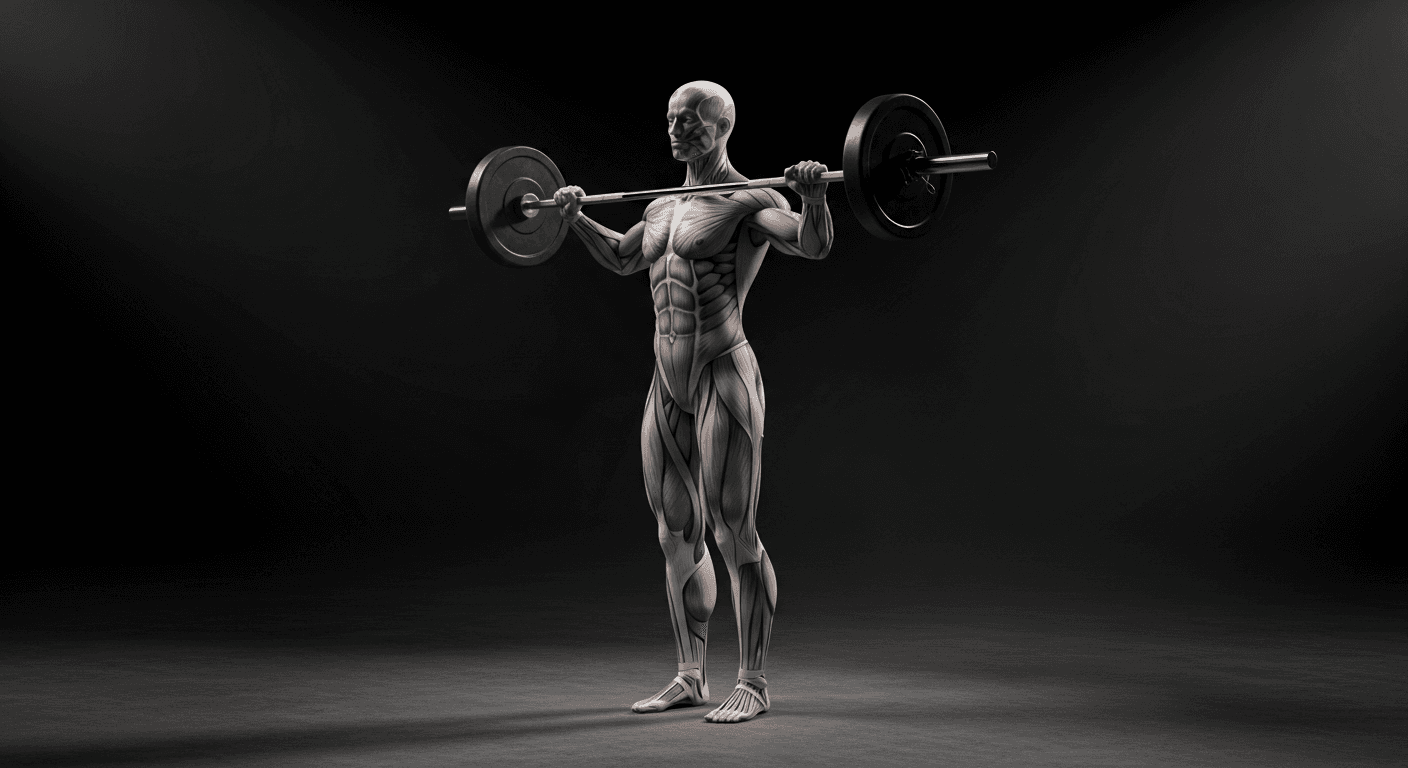
- Equipment: leg press machine, barbell on back with platform, or hack squat.
- Programming tip: use it for heavier sets (6–12 reps) and mix in higher-rep sets to keep volume high.
- Banded or bodyweight donkey calf raise / high-heel squat variations
- What it targets: large range of motion and stretch with variable resistance from bands; can emphasize eccentric control and range.
- When to pick it: equipment-limited settings, need for extra stretch at the bottom, or managing joint loads (band resistance can be friendlier to tendons). Also useful for variety during deloads.
- Equipment: resistance bands, partner for counterbalance, or just a step for bodyweight.
- Programming tip: higher reps (15–30) or slow eccentrics; use for metabolic finishers or rehab-style loading.
How to break plateaus
- Increase frequency to 3–4x/week with lower per-session volume, or do one heavy day and one high-volume day per week.
- Manipulate tempo: 3–4s eccentrics increase time-under-tension without massively increasing weight.
- Use unilateral work to force higher relative loading per leg.
- Prioritize ROM: a 10–20% increase in range of motion often yields better stimulus without more weight.
When to avoid heavy standing calf raises
- Acute Achilles tendon pain or recent tendon surgery (seek professional direction).
- Severe balance deficits without a safe setup—use leg press or seated options.
If you track workouts digitally, you can use tools like RepBro to log variations and compare progress; for side-by-side exercise comparisons, see https://www.repbro.app/vs.
One-sentence takeaway: The standing calf raise best targets the gastrocnemius—use seated variations for soleus emphasis, single-leg or leg-press variants to break plateaus or manage equipment limits, and always stop for sharp pain and consult a professional when in doubt.
Frequently asked questions
- Does the standing calf raise train the soleus?
- Yes, the soleus is involved, but less so than the gastrocnemius because the standing calf raise is performed with a straight or nearly straight knee—this places more load on the gastrocnemius. For greater soleus emphasis, use seated or knee-flexed variations.
- How many sets and reps should I do for calf development?
- Aim for 3–6 sets per session, 8–20+ reps per set depending on goal: 6–12 reps for strength/hypertrophy with heavy load, 12–25+ reps for endurance or to exploit the calves' higher slow-twitch component—progress load or volume gradually.
- Is single-leg standing calf raise worth doing?
- Yes—single-leg versions help fix left-right strength or ROM imbalances and increase relative load without heavier equipment, but expect lower absolute load and higher reps; include them 1–2 times weekly if imbalance or control is an issue.