Reverse Lunge Alternatives at Home (Minimal Equipment)
Four-to-five at-home substitutes for the reverse lunge using bodyweight, dumbbells, or bands, with what each preserves/loses and when to return to a gym.
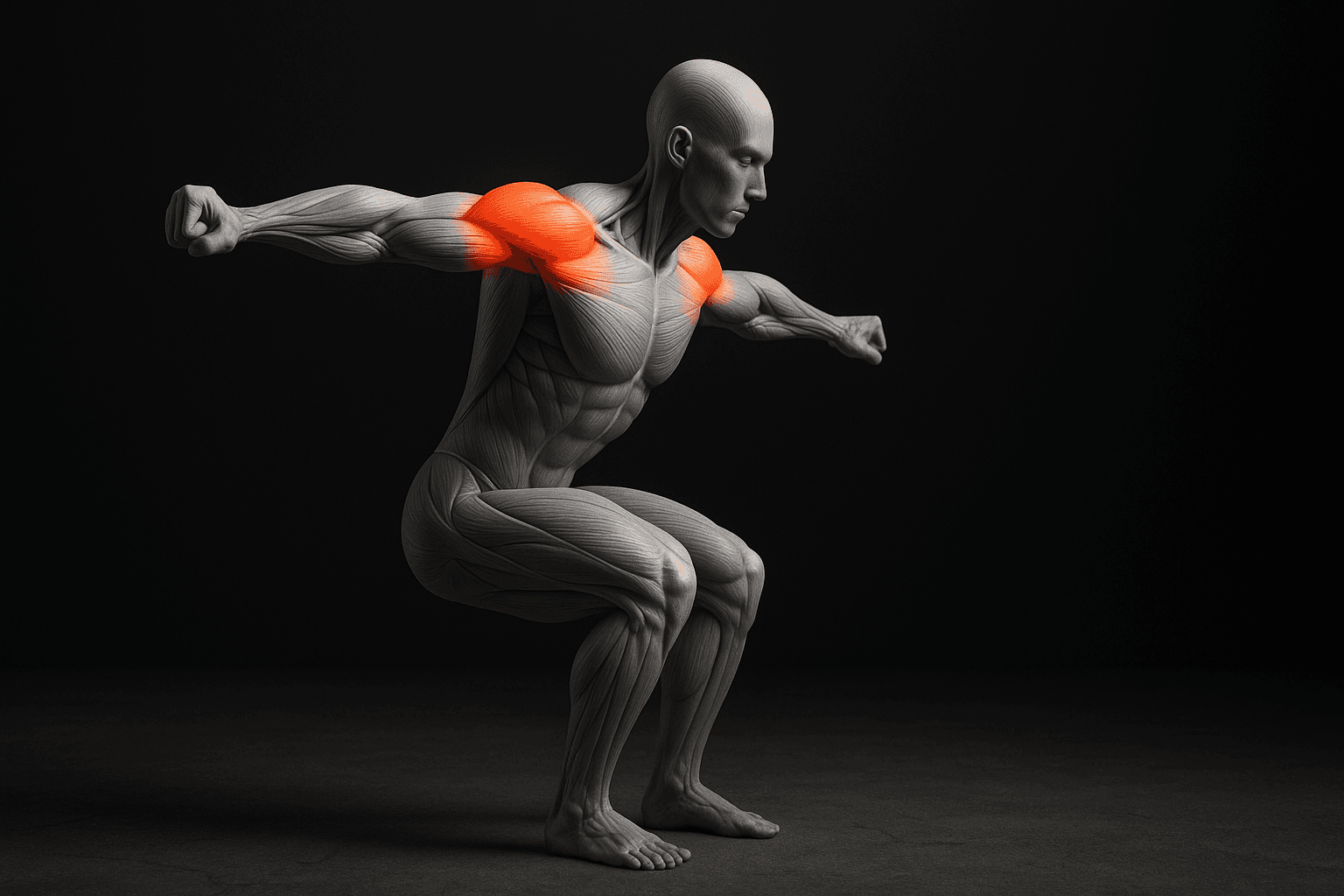
Photo by RepBro.
If you need reverse lunge alternatives at home, use unilateral moves that keep one leg carrying most of the load: Bulgarian split squats, stationary split squats, step-ups, single-leg Romanian deadlifts, or band-assisted reverse lunges. Each preserves different stimulus (strength, balance, hip hinge) and loses some front-to-back stepping mechanics.
What does a reverse lunge train and why might I replace it at home?
A reverse lunge loads one leg at a time with a backward step, stressing the quads, glutes, and stabilizers while limiting forward knee travel. It’s useful for unilateral strength, balance, and eccentric control. You’d replace it at home when you lack space, equipment, or want a simpler progression or different emphasis (more posterior chain, more absolute load, less stepping).
Which at-home substitutes work with minimal equipment?
Below are five practical alternatives using bodyweight, dumbbells, or bands. For each I list what it preserves from the reverse lunge, what it loses, and when the swap is appropriate versus when you should consider gym equipment.
- Bulgarian split squat (rear foot elevated) — equipment: chair/box, dumbbell optional
- Preserves: strong unilateral loading, hip extension, and single-leg strength; easier to increase load than a reverse lunge.
- Loses: the dynamic step-back eccentric pattern and some of the balance challenge of stepping.
- When adequate: when you want heavy unilateral loading at home for strength or hypertrophy.
- When to go to a gym: if you need very heavy bilateral carryover loads (barbell back/front squat variants) or want to practice stepping patterns under load.
- Stationary split squat (no rear elevation) — equipment: bodyweight or dumbbells
- Preserves: unilateral knee/hip loading and stability demand; good for beginners or rehab progressions.
- Loses: range-of-motion differences and less ability to increase load dramatically compared with elevated rear-foot variations.
- When adequate: for technique learning, single-leg strength building, or when you need a simpler, lower-technical option.
- When to go to a gym: when you need higher absolute load or a very long range of motion that a gym platform makes safer.
- Step-up (onto a bench, box, or sturdy chair) — equipment: box/bench, dumbbell optional
- Preserves: vertical force production and hip extension; easy to load progressively and low technical risk.
- Loses: the front-to-back stepping eccentric pattern and some knee-dominant quad focus of a reverse lunge.
- When adequate: when you want to load the working leg and emphasize hip extension or practice single-leg power (use higher step or added weight).
- When to go to a gym: when you need very high loading or a controlled surface height not available at home.
- Single-leg Romanian deadlift (RDL) — equipment: dumbbell/kettlebell or band
- Preserves: unilateral posterior chain emphasis (glutes and hamstrings), balance, and hip hinge mechanics.
- Loses: direct quadriceps/knee extension demand and the stepping pattern of lunges.
- When adequate: if your priority is posterior chain strength or you have knee sensitivity that makes lunges uncomfortable.
- When to go to a gym: when you want to combine knee-dominant and hip-dominant heavy loading together under a barbell.
- Band-assisted reverse lunge (band anchored or looped under foot) — equipment: loop or long band
- Preserves: the stepping pattern and eccentric control of a reverse lunge while allowing progressive resistance.
- Loses: absolute maximal load compared with heavy dumbbells or barbells.
- When adequate: when you want the same movement pattern but need load management, rehab progression, or portability.
- When to go to a gym: when you need substantially higher external resistance for strength goals.
How do these alternatives compare at a glance?
| Movement | Equipment | Preserves | Loses | Typical sets/reps for practice |
|---|---|---|---|---|
| Bulgarian split squat | chair/bench + dumbbell | Unilateral load, hip extension | Stepping eccentric | 2–4 sets, 6–12 reps |
| Stationary split squat | bodyweight/dumbbells | Stability, unilateral loading | Elevated ROM, stepping | 2–4 sets, 8–15 reps |
| Step-up | box/bench + dumbbell | Hip extension, loading | Step-back eccentric, some quad bias | 2–4 sets, 6–12 reps |
| Single-leg RDL | dumbbell/band | Posterior chain, balance | Knee-dominant quad load | 2–4 sets, 6–12 reps |
| Band-assisted reverse lunge | band | Movement pattern, eccentric control | Max external load | 2–4 sets, 8–15 reps |
(Use metric distances for step height when possible: 20–45 cm (8–18 in) depending on mobility and goal.)
How should I program these alternatives and progress?
Follow established training principles: pick a goal (strength vs hypertrophy vs endurance) and a matching rep range. Train unilateral work 2–3 times per week with 48–72 hours recovery between sessions for the same muscle groups. Use 2–4 sets per exercise and increase difficulty via weight, reps, reduced rest, slower eccentrics, or less assistance. Track load and repetitions to ensure progressive overload rather than guessing—an app like RepBro can help with consistent tracking.
When is it time to return to the gym for reverse lunges?
Return to the gym if:
- You need much higher absolute loads for strength progression that dumbbells/bands can’t provide.
- Your sport requires heavy loaded walking or marching lunges under a barbell.
- You need specialized equipment (e.g., safety squat bar, heavy dumbbells, raised platforms) to address a specific weakness. If your goals are general unilateral strength, hypertrophy, balance, or rehab progressions, the home substitutions are usually adequate.
What safety checks should I follow?
Warm up the hips and knees, use controlled tempo, and stop if you experience sharp or unusual pain. Maintain a neutral spine on single-leg RDLs and avoid excessive forward knee translation if you have patellofemoral symptoms. Consult a qualified professional for persistent pain or complex movement retraining. This article doesn’t diagnose or promise injury prevention.
What can’t apps or AI do for my form and injuries?
Apps and AI can track sets, reps, and program variables and offer general cues, but no app can reliably see or correct your live movement with the nuance of an experienced coach. For pain, return-to-play decisions, or complex rehab, consult a qualified clinician. A plan only works if you show up and execute consistently—consistency outweighs tool selection.
Limitations
- I cannot assess your individual mobility, pain, or movement patterns from text; a trained coach or clinician should evaluate persistent problems.
- No app or article replaces in-person form feedback for complex movement corrections.
- If you have a diagnosed injury or are post-surgery, follow medical advice rather than general programming.
Safety note: stop on sharp pain, seek professional assessment for injuries, and prioritize controlled progressions. The exercises above are intended as general guidance for healthy lifters.
If you need a compact at-home progression plan or help choosing exercises based on a specific limitation (knee pain, space limits, or equipment), give details about your current load, available equipment, and goals, and I can suggest a focused routine.
Frequently asked questions
- Can I fully replace reverse lunges with at-home alternatives?
- Yes for strength and hypertrophy if you pick unilateral options and progress load appropriately, but you may lose the exact stepping pattern and eccentric control of a loaded reverse lunge. Use alternatives for weeks or months; return to gym tools if you need higher absolute load or specific carryover to walking lunges.
- How often should I train unilateral leg work if I switch from reverse lunges?
- Aim for two to three weekly sessions that include unilateral leg work. Use 2–4 sets per exercise and choose a rep range aligned with your goal (e.g., 6–12 for strength/hypertrophy, higher for endurance). Prioritize progressive overload and recovery between sessions.
- Are Bulgarian split squats a good substitute for reverse lunges?
- Yes. Bulgarian split squats preserve unilateral loading, hip extension, and quad/GL emphasis and often allow heavier loading than reverse lunges. They lose the stepping component and dynamic eccentric stress. They’re a strong in-home substitute when you can safely elevate the rear foot.