Overhead Triceps Extension: Muscles Worked and the Best Alternatives
Learn which muscles the overhead triceps extension trains, where it fits in a program, and 4 practical alternatives with when to pick each.
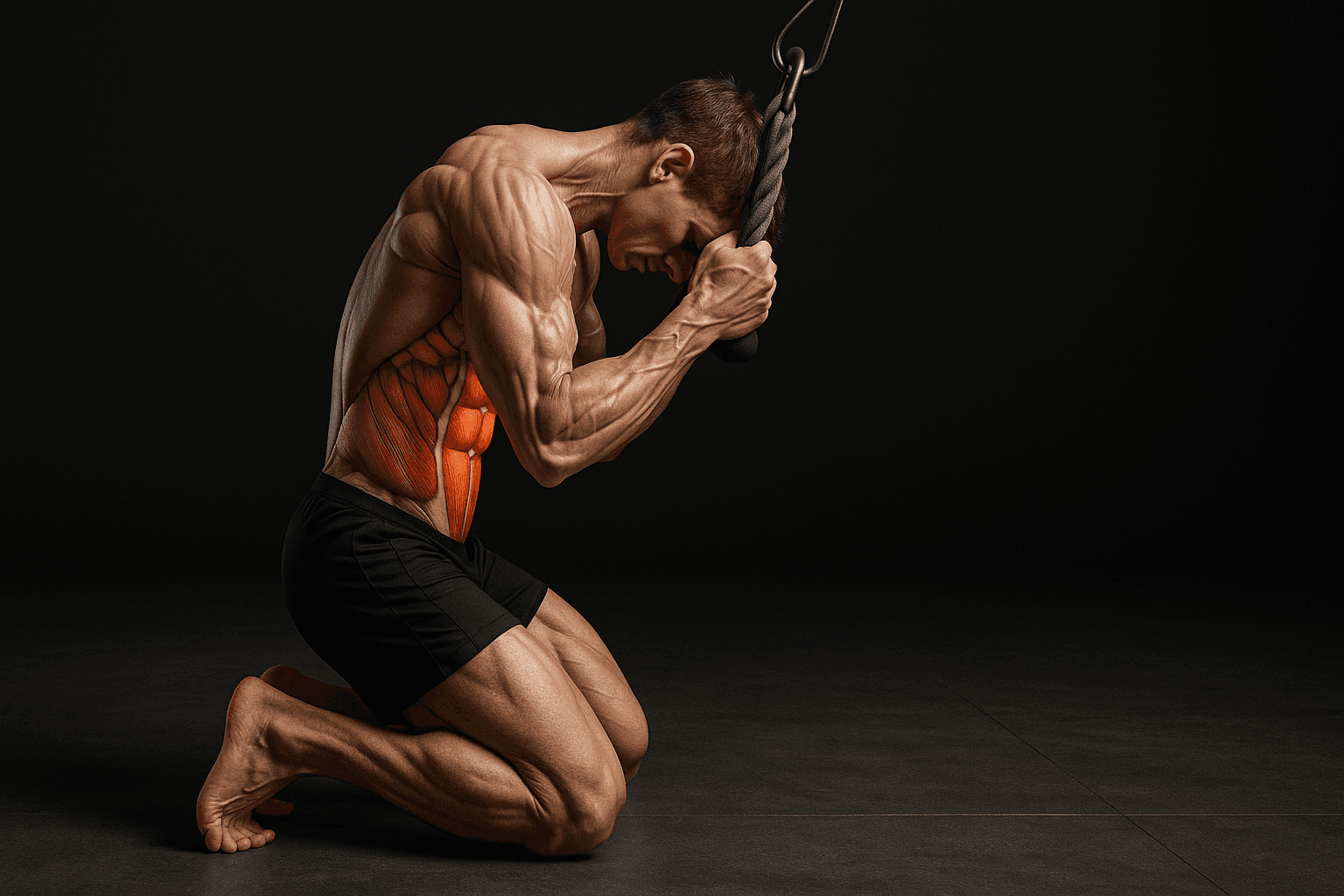
Photo by RepBro.
Overhead triceps extension muscles worked: the overhead triceps extension primarily trains the long head of the triceps brachii (because the shoulder is flexed/overhead), while the lateral and medial heads act as secondary movers; the deltoids, forearm muscles, and core also help stabilize the movement.
What muscles does the overhead triceps extension train?
- Primary: Long head of the triceps brachii. The long head crosses the shoulder joint and is put on greater stretch when the arm is overhead, increasing its contribution.
- Secondary: Lateral and medial heads of the triceps assist in elbow extension but are less emphasized than in pressing movements.
- Stabilizers: Anterior deltoid and rotator cuff muscles stabilize the shoulder; the core and scapular stabilizers resist unwanted movement.
How should I use the overhead triceps extension in a program?
- Purpose: Use it as an isolation movement for long-head development and arm thickness, typically after compound pressing (bench, overhead press) or as part of an arm-focused day.
- Volume: Aim for 6–12 sets per week for most trainees focused on hypertrophy; split across 1–2 sessions.
- Sets/reps: 3–4 sets of 8–15 reps is a good starting point; choose 6–8 reps only if using heavy single-arm loaded variations and you can maintain clean form.
- Rest: 60–120 seconds between sets depending on load and goals.
- Progression: Add 2.5–5% load or 1–2 reps per set each session; if using dumbbells, increase reps or slow tempo when small weight increments aren’t available.
Proper form and common mistakes
- Set-up: Sit or stand tall. Hold a dumbbell (both-hands single dumbbell or two dumbbells) or cable overhead with elbows pointing forward and close to the head.
- Execution: Lower under control until you feel a safe stretch in the back of the arm (elbow approx. 90–120°), then extend the elbow without shrugging the shoulders.
- Common errors: Letting elbows flare wide, using excessive back arch to lift heavier weight, using momentum, or dropping the weight too deep and pinching the shoulder.
Safety note: Stop immediately if you experience sharp joint pain in the shoulder or elbow. If you have pre-existing shoulder or elbow conditions, consult a qualified professional before progressing this exercise.
What to do if the overhead position causes discomfort or you hit a plateau
- If shoulders hurt: Reduce range of motion, switch to variations that don’t place the shoulder in an overhead flexed position, or use cables/bands for controlled tension.
- For elbow tendon irritation: Reduce load and volume, avoid heavy negatives, and prioritize a pain-free tempo (slower concentric, controlled eccentric).
- Plateau tactics: Change tempo (2–4s eccentrics), add partials at the strongest range, increase frequency to 2 sessions/week, or swap isolation for a compound movement for heavy load.
Best alternatives — when to pick each
Here are 4 solid alternatives with specific reasons to choose them.
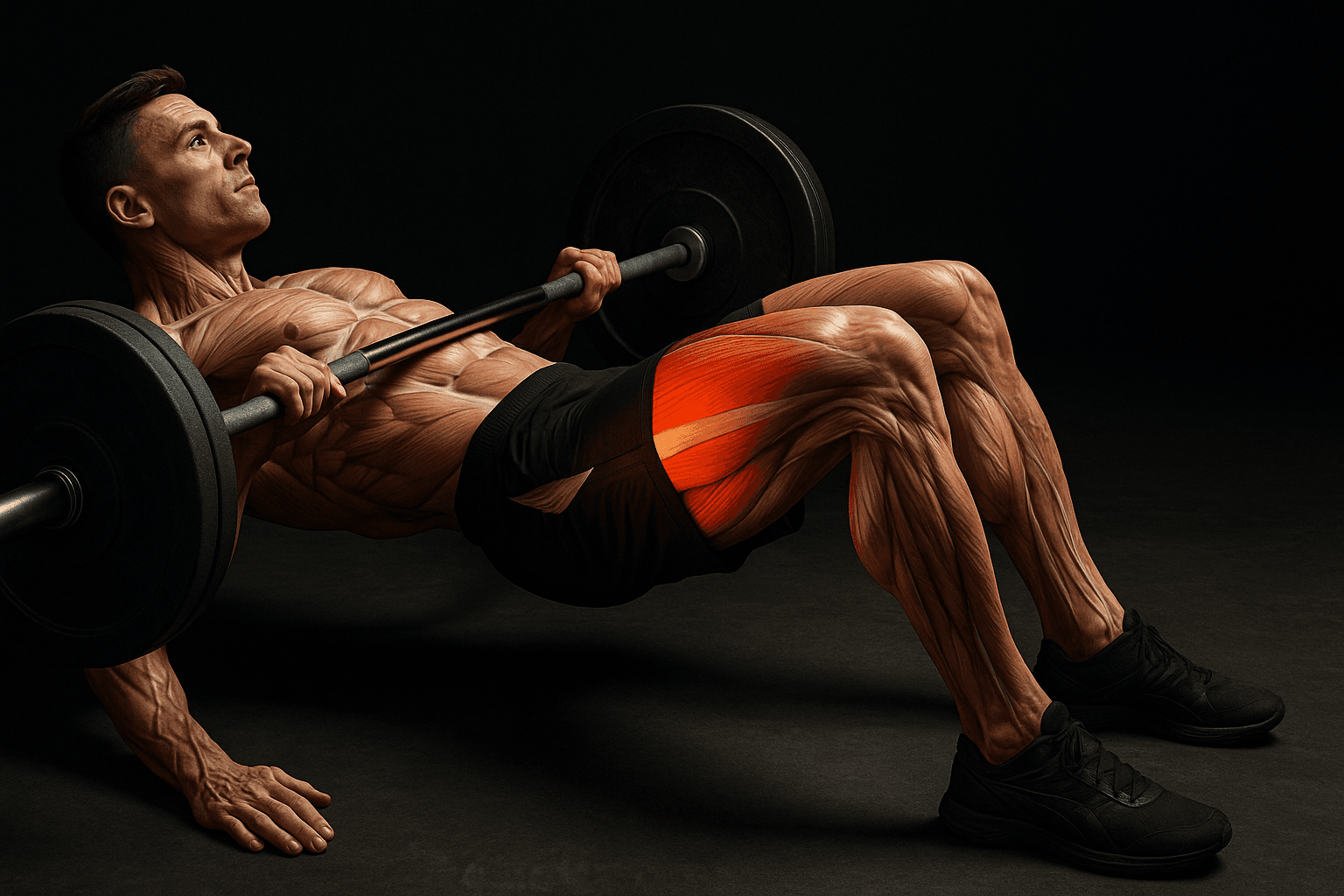
- Close-Grip Bench Press (barbell or dumbbell)
- Why: Compound pressing pattern that lets you move heavier loads and targets the medial and lateral heads more than the overhead variation.
- When to pick it: You want to build raw pressing strength or can’t tolerate overhead shoulder positions. Useful when equipment allows a barbell.
- Typical prescription: 3–5 sets of 4–8 reps for strength, or 3–4 sets of 8–12 reps for hypertrophy.
- Caveat: Involves the chest and shoulders—if these are limiting factors, reduce load or use a Smith machine variation.
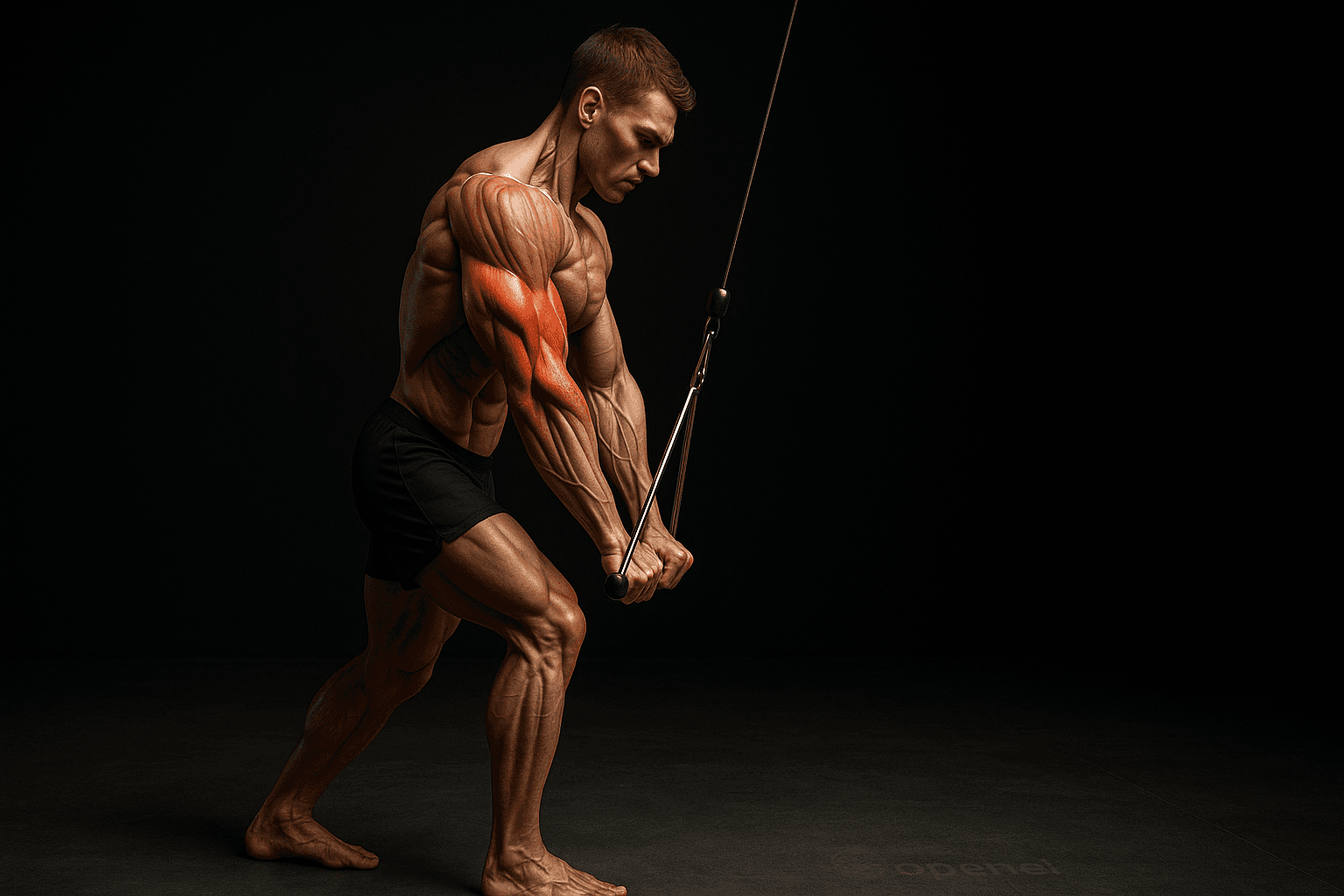
- Cable Rope Overhead Extension / Cable Triceps Extension
- Why: Keeps constant tension throughout the range and is easy on the joints; adjust angle and stance to reduce shoulder strain.
- When to pick it: You have cable access and want smoother tension or are rehabbing mild shoulder irritation but can tolerate overhead work.
- Typical prescription: 3–4 sets of 10–15 reps.
- Caveat: Requires a cable station; can be done standing or kneeling to vary core demand.
- Lying Triceps Extension (Skull Crushers)
- Why: Isolates the triceps while keeping the shoulder relatively stable; still loads the long head without a full overhead position.
- When to pick it: Overhead position causes shoulder pain or you prefer a floor/bench-based motion; good when you have dumbbells or an EZ bar but no cable.
- Typical prescription: 3–4 sets of 8–12 reps.
- Caveat: Elbow stress can be high with poor form—keep a controlled tempo and don’t lock the elbows aggressively.
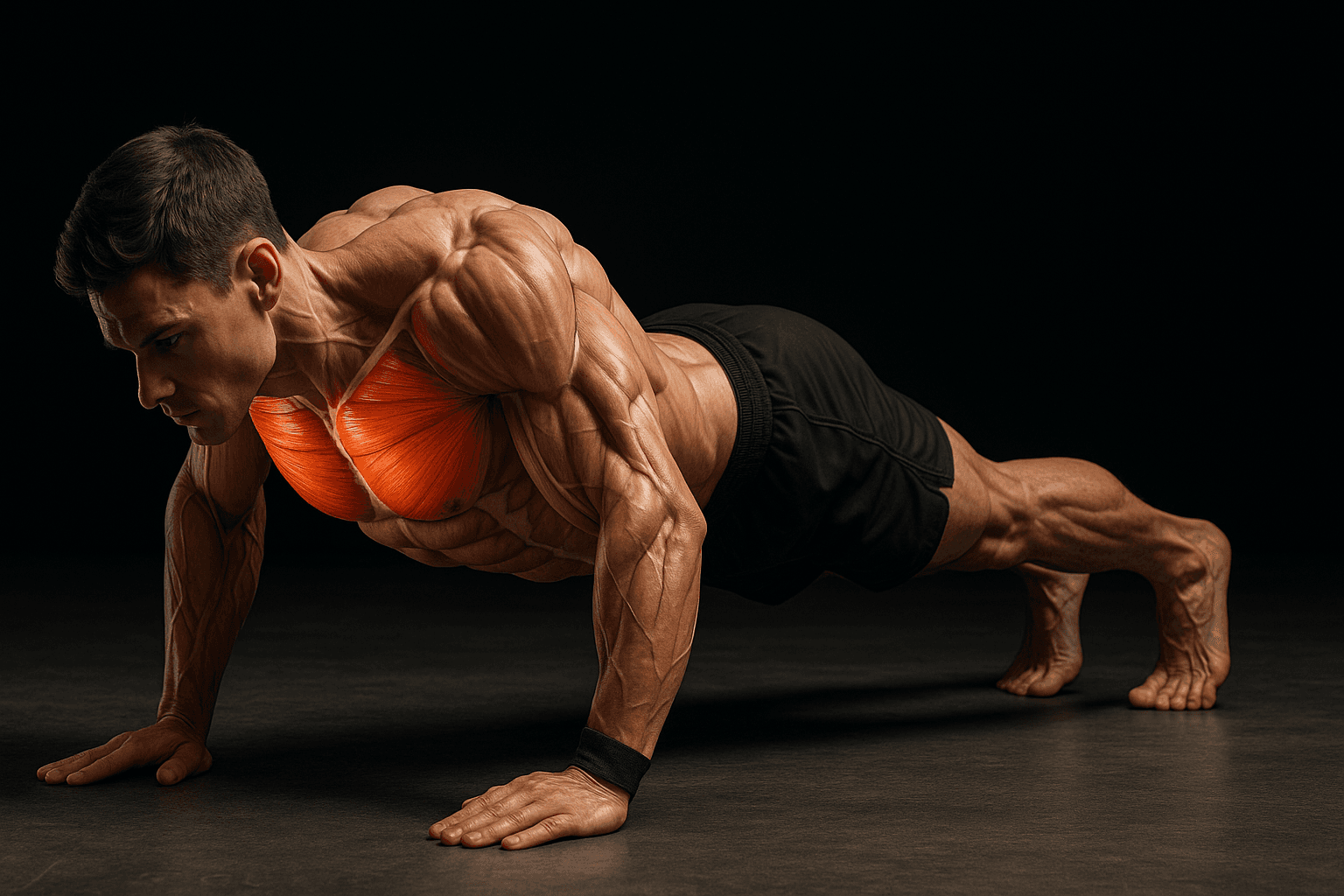
- Dips (Parallel Bar or Bench Dips)
- Why: Heavy compound movement that builds overall triceps mass and strength, with large mechanical tension when done parallel-bar and upright.
- When to pick it: You want to use bodyweight or add weight for progressive overload, and you’re not limited by shoulder pain when leaning forward.
- Typical prescription: 3–6 sets of 6–12 reps (add weight if >12 reps easily).
- Caveat: Bench dips can stress the shoulders if done incorrectly; parallel-bar dips are preferable for triceps emphasis.
Bonus equipment-light alternates: Single-arm banded overhead extensions and dumbbell kickbacks—useful when you lack gym equipment but keep intensity and volume moderate.
How to choose between these options (quick checklist)
- No cables, limited equipment: Skull crushers or close-grip bench (dumbbells/barbell). Bands for home use.
- Shoulder discomfort overhead: Skull crushers, cable pushdowns, or close-grip bench.
- Want heavy load/strength: Close-grip bench or weighted dips.
- Want constant tension and joint-friendly feel: Cable rope overhead extension or pushdowns.
Putting it together in a week (example templates)
- Upper/lower split: Day A (upper): Bench press 4×5, close-grip bench 3×8. Day B (upper assistance): Overhead press 3×6, cable overhead extension 3×12.
- Arm-focused microcycle: 2×/week triceps: Session 1 heavy compound (close-grip bench) 4×6; Session 2 isolation (cable overhead or skull crushers) 3×10–12.
One-sentence takeaway: The overhead triceps extension is best for long-head emphasis and arm shape, but pick close-grip pressing, cables, skull crushers, or dips depending on equipment, shoulder health, and whether you need strength or isolation.
For app-based programming and to test exercise swaps in your current plan, see RepBro or compare options at https://www.repbro.app/vs.
Frequently asked questions
- Does the overhead triceps extension train all three heads of the triceps?
- It targets the long head most strongly because the arm is overhead, but the lateral and medial heads are also involved as secondary movers.
- Can I do overhead extensions with resistance bands?
- Yes—bands can replicate the movement and provide good tension, especially when you lack dumbbells or cables; focus on controlled tempo and full elbow extension.
- How often should I train triceps each week?
- Train triceps directly 1–2 times per week, using 6–12 total sets per week aimed at hypertrophy (8–15 reps) or 9–18 sets for advanced trainees, depending on the rest of your program.