Ab Wheel Rollout Alternatives at Home (Minimal Equipment)
Five at-home alternatives to the ab wheel rollout using bodyweight, dumbbells, or bands. What each preserves and loses, progression and when to hit the gym.
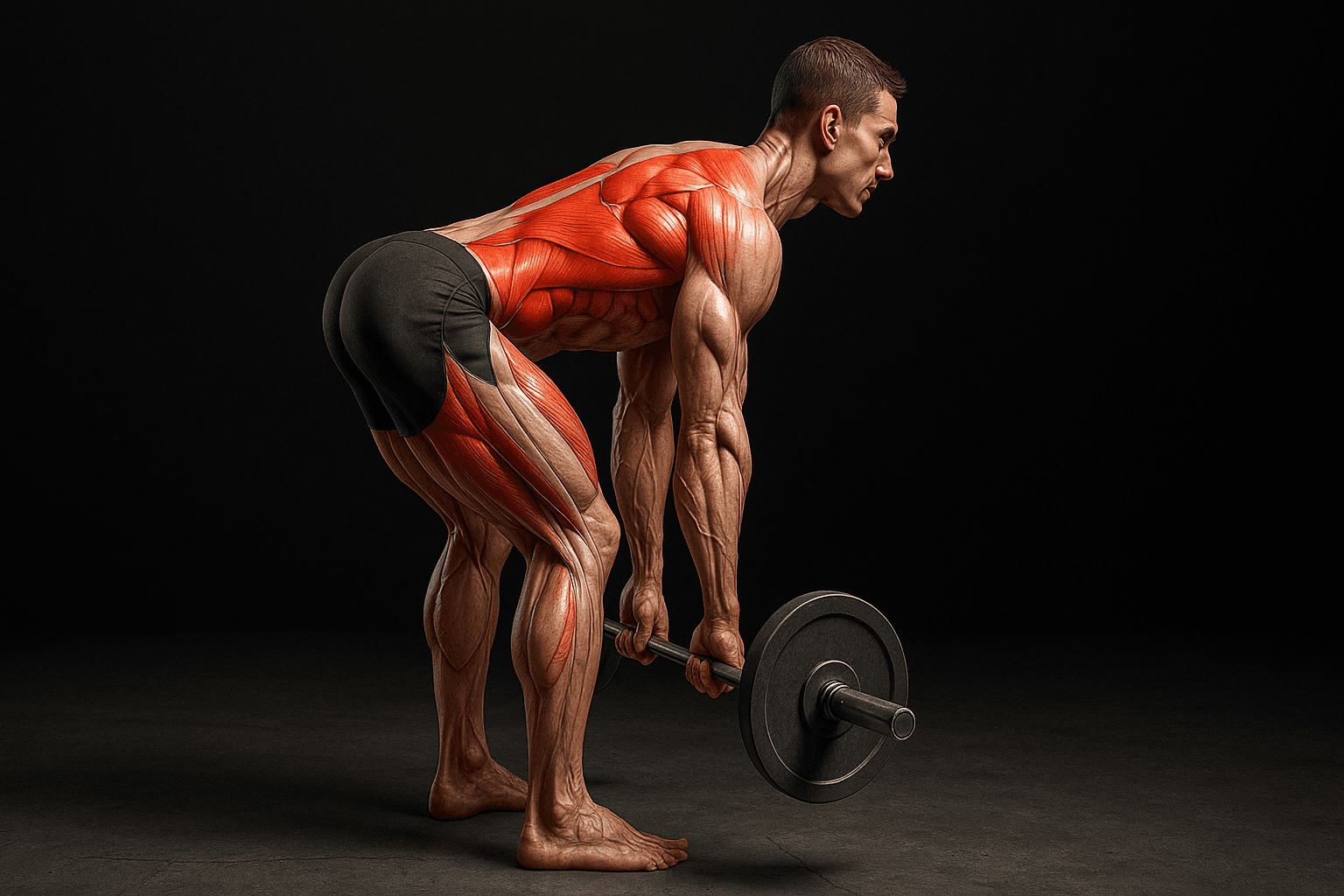
Photo by RepBro.
If you don’t have an ab wheel, you can use knee rollouts, band-assisted rollouts, a dumbbell rollout, slider pikes, and dead bugs as practical home substitutes. Each preserves core anti-extension demands to varying degrees; I explain what they keep, what they lose, and when to progress to gym equipment.
What does the ab wheel rollout actually train and why replace it at home?
The ab wheel is primarily an anti-extension tool. It forces the anterior core (rectus abdominis, deep abdominals, obliques) and the lats to resist spinal extension while the hips and shoulders separate. The movement is high-skill and high-load when performed from standing. Replacements aim to keep the anti-extension stimulus, allow progressive overload, and reduce the risk of lumbar shear for less experienced lifters.
Which minimal-equipment alternatives can I do at home and what do they preserve or lose?
Below are five options using bodyweight, a band, a single dumbbell, or sliders/towels. For each I note what the alternative preserves and what it sacrifices compared to a full ab wheel rollout.
| Alternative | What it preserves | What it loses | Equipment |
|---|---|---|---|
| Knee rollout | Anti-extension cue, rolling pattern, low technical demand | Long-lever loading, maximal range | Mat or soft surface |
| Band-assisted rollout | Range of motion, feel of extension, progressive assistance | Full uncontrolled eccentric load when assistance is removed | Sturdy anchor and resistance band |
| Dumbbell rollout (single DB) | Rolling path and unilateral stability, can add load incrementally | Less smooth wheel glide, possible wrist strain | 1 dumbbell (flat plate edge) |
| Slider pike or feet-on-sofa pike | High core tension, hip flexor involvement, anti-extension under dynamic shortening | Exact rollout pattern, long-lever eccentric hold | Sliders or towels and elevated surface ~30–60 cm (12–24 in) |
| Dead bug variations | Deep core control, lumbar spine stability, scalable difficulty | Less direct anti-extension under load and no rolling coordinate demand | None |
How to perform each alternative and how to progress it safely
- Knee rollout (bodyweight)
- Setup: Kneel on a mat with hands on the floor or on a small bar. Brace the abs and slowly extend the arms forward, allowing the torso to move toward the floor while keeping a neutral pelvis. Return under control.
- Progression: Increase range over time, slow eccentric, add a pause at extended position. Move toward elevated knees or partial standing rollouts once strong.
- Volume: 2–4 sets of 6–15 reps depending on difficulty.
- Band-assisted rollout
- Setup: Anchor a heavy band behind you at waist height. Hold the band to reduce load as you roll forward, keeping tension to assist return.
- Progression: Use lighter assistance bands or alter anchor height for less help. Work toward no-band rollouts.
- Notes: Preserves long-lever feel without full spinal load; good bridge for those without wheel.
- Dumbbell rollout (single DB)
- Setup: Place a dumbbell handle on the floor, gripping behind the head of the dumbbell. Roll forward similar to a wheel while bracing the core.
- Progression: Increase dumbbell weight or move from knees to standing partial rollouts when safe.
- Caution: Use a round-handled DB for smoother roll; wrist position can be stressful so stop if it hurts.
- Slider pike or feet-on-sofa pike
- Setup: From a plank position with feet on sliders or a sofa, pull hips up into a pike by flexing the hips while the shoulders resist extension. Control the return.
- Progression: Increase tempo, add eccentric holds in plank position, or work single-leg variations.
- Note: More dynamic and hip-driven than a rollout but builds core tension and shoulder stability.
- Dead bug and anti-extension holds
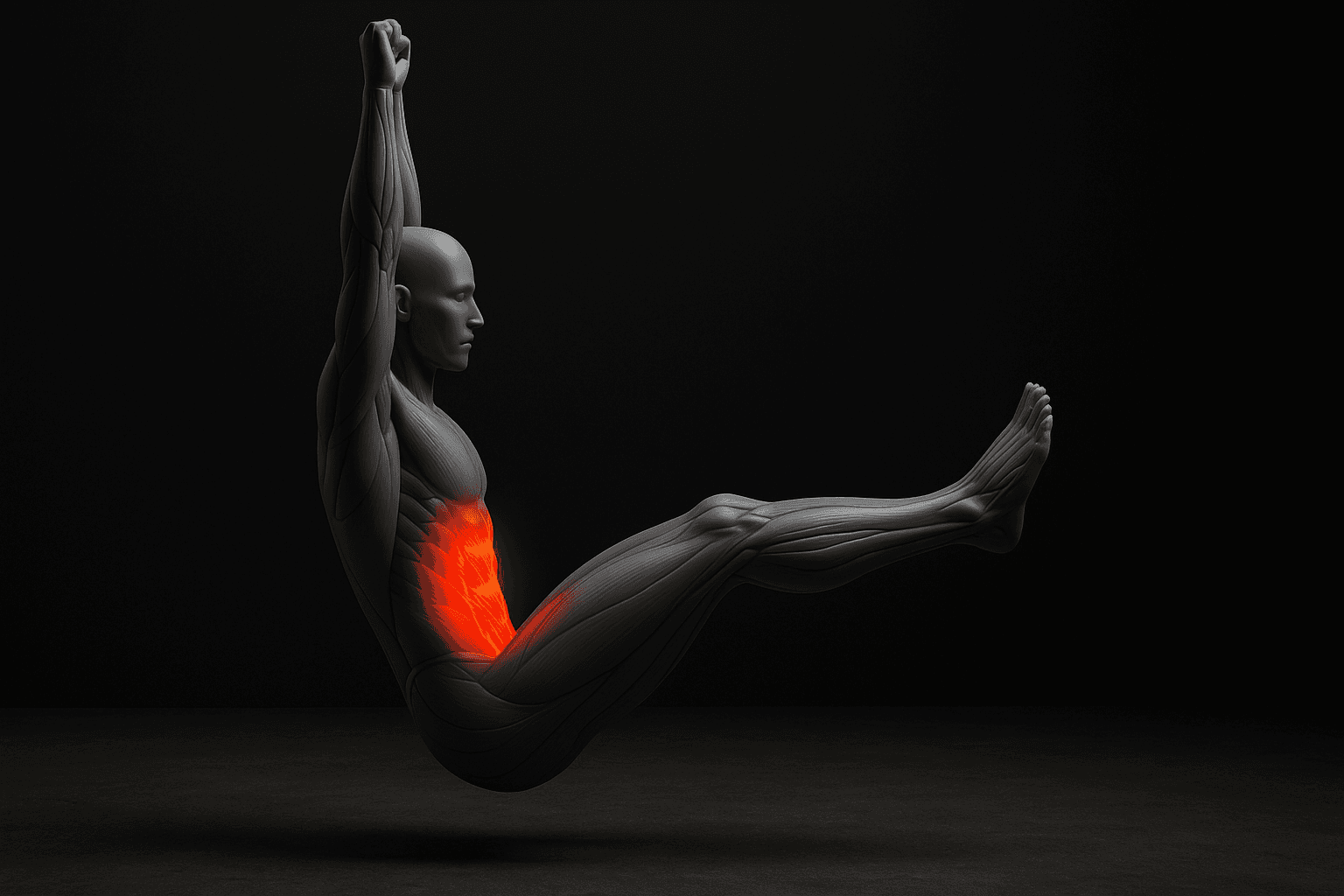
- Setup: Lying on your back with hips and knees at 90 degrees, lower alternate limbs while maintaining a neutral spine, or hold a long-arm plank focusing on resisting sag.
- Progression: Increase lever length of limbs, add band or weight to limbs, move to slow controlled repetitions.
- Role: Teaches deep spinal control and is a safer starting place for those with low back issues.
When is a home substitute adequate and when should you use gym equipment?
Use home substitutes when you are learning anti-extension control, rehabbing from minor issues, or when you lack an ab wheel. They are adequate if you can progressively increase difficulty (range, reps, tempo) and still overload the core. Consider gym access when you require:
- Higher external loading for progressive overload beyond bodyweight and band assistance.
- Coaching and visual feedback to ensure safe standing rollouts.
- Specific equipment such as a stable ab wheel, heavier dumbbells, or pulley systems for controlled eccentric loading.
How often should I include these in my program and how to progress safely?
Train targeted core anti-extension work 2 to 3 sessions per week, with 48 hours between hard efforts. Use 2–4 sets per exercise. Progress by increasing range, reducing assistance, adding time under tension, or moving from knees to partial standing rollouts. If total training volume or perceived exertion spikes, reduce sets or take a recovery week.
What safety cues and signs should I watch for?
Always brace the ribcage down and avoid hyperextending the lumbar spine. Stop if you feel sharp pain, numbness, or unusual joint pain. Slow eccentrics are safer than uncontrolled speed. If you have a current back condition, consult a qualified professional before attempting long-lever rollouts.
What are the realistic tradeoffs of home alternatives?
Home alternatives let you train the anti-extension pathway progressively and often more safely than attempting full standing rollouts too early. They generally reduce maximum eccentric load and the exact motor pattern of a wheel, so they can plateau someone seeking maximal strength-endurance in that specific pattern. At that point, heavier loading or specific equipment at a gym becomes useful.
Limitations: what apps and guides cannot do for you
No app or guide can see and correct your live movement as accurately as a trained coach. They cannot diagnose injuries or replace hands-on assessment. A program only works if you follow it consistently — consistency matters more than tool selection. For persistent pain, complex rehab, or technical cues under load, consult a qualified professional.
Safety note: This article is informational, not diagnostic. Stop on sharp pain and seek professional assessment for injuries. Adjust difficulty conservatively and prioritize form over reps.
If you want an easy way to track progressions and log sets for these alternatives, consider tracking tools and progress journals alongside your training plan.
Frequently asked questions
- Can I replace the ab wheel rollout with bodyweight moves at home?
- Yes. Bodyweight options like knee rollouts, dead bugs, and slider pikes maintain anti-extension and core tension while lowering load. They let you progress safely until you can handle full rollouts or heavier resistance at a gym.
- How often should I train these ab wheel alternatives?
- Train targeted core work 2 to 3 times per week, with 2 to 4 sets per exercise. Focus on progressive overload or greater range of motion, and allow at least 48 hours between hard core sessions for recovery.
- When do I need to go to a gym to use an actual ab wheel?
- Go to a gym if you need heavier progressive overload, want to train long-lever rollouts under substantial loading, or if you have plateaued on all safe home variations. Also consider gym access for professional coaching on form.