The Most Common Suitcase Carry Mistakes (and How to Fix Them)
Clear, evidence-aware guide to the top suitcase carry technique mistakes, why they happen, what they cost, and one concrete fix for each to protect progress and reduce injury risk.
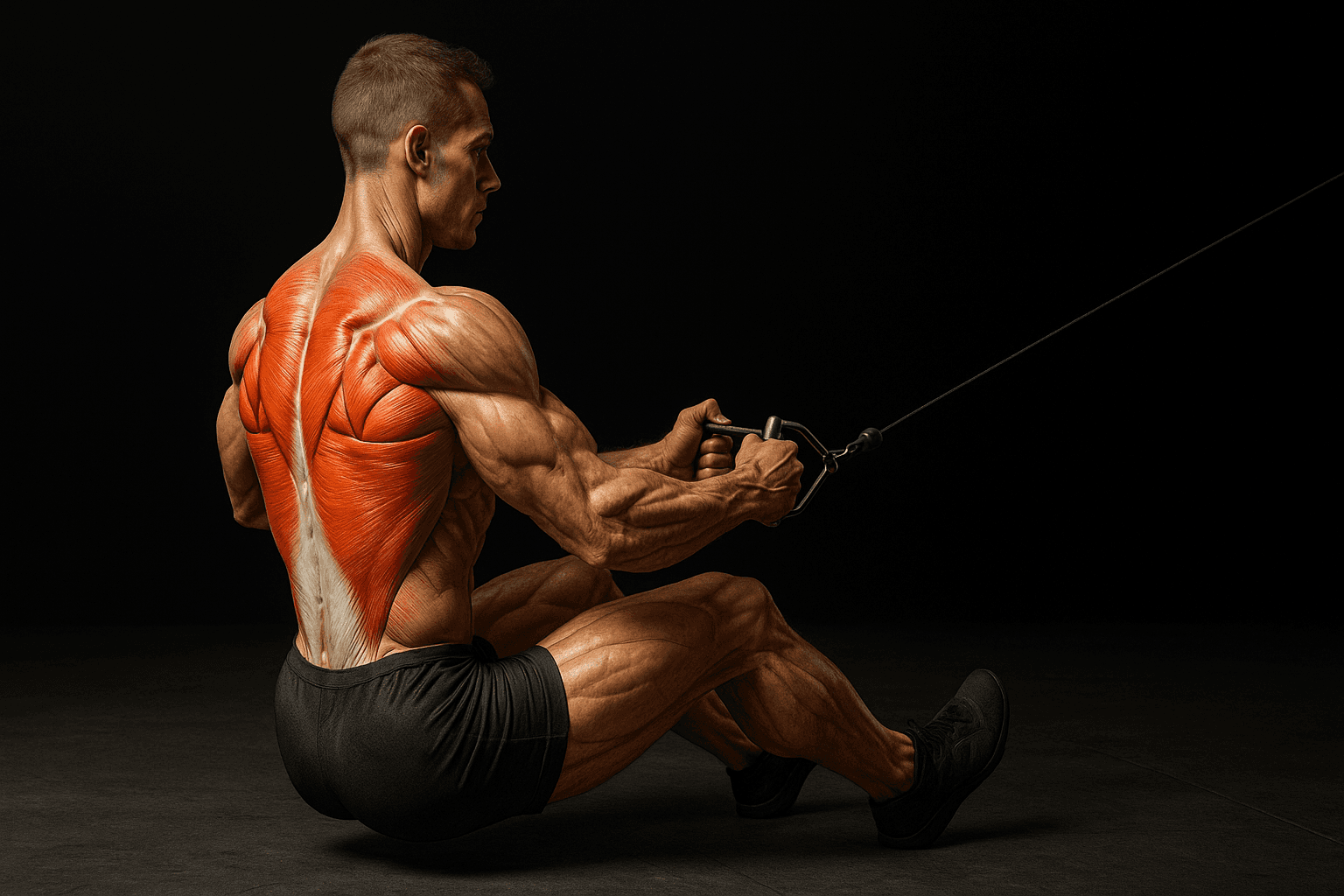
Photo by RepBro.
The most common suitcase carry mistakes are leaning toward the loaded side, rotating the torso, using too much weight, taking short shuffling steps, gripping the handle too hard, and neglecting breathing/bracing. Each reduces carry effectiveness and raises compensatory injury risk; fix them with simple cue-driven changes.
Why am I leaning toward the loaded side?
Leaning toward the weight is the single most visible suitcase-carry fault. It happens because the lifter hands the work off to passive structures (spine, ligaments) instead of using ipsilateral obliques, quadratus lumborum, and bracing to resist lateral flexion.
What it costs: Reduced core training effect, asymmetrical loading that can reinforce poor posture, and higher compression on the loaded-side lumbar structures.
Fix: Brace like you expect a punch to the stomach, then cue a tall stacked posture: ribs down, hips level, shoulders square. Practice with a lighter load and walk 20–40 m focusing on keeping shoulders and hips in the frontal plane. Progress load only when you can hold posture for the planned distance.
Why am I rotating my torso toward or away from the carry?
Rotation often shows up because lifters use rotation to create a path of least resistance (stepping to the weight-side) or because they lack trunk anti-rotation strength.
What it costs: Less anti-lateral-flexion stimulus, increased shear on the spine, and carry-to-carry variability that limits transfer to loaded carries and unilateral work.
Fix: Use a mirror or have a partner watch your torso while you walk; cue “square shoulders” and “lead with the hips.” Perform wall-facing suitcase carries (walk parallel to a wall with 5–10 cm clearance on the loaded side) — the wall provides immediate feedback for rotation. Reduce weight until rotation stops.
Why am I grabbing the handle until my hand hurts or my wrist collapses?
A death grip or poor wrist alignment often compensates for weak upper traps or poor carry positioning. Over-gripping increases forearm and wrist fatigue and limits the duration and load you can use for the carry.
What it costs: Premature grip fatigue, forearm pain, and potential wrist deviation that changes arm and shoulder alignment, reducing anti-lateral-flexion demand.
Fix: Use a neutral, firm grip—enough to hold the implement without squeezing it to the point of white knuckles. Consider a thicker-handle implement or a lifting strap if grip is the limiting factor—but only after fixing posture. Train grip separately (farmer holds, dead hangs) if it limits carry volume.
Why am I taking short, shuffling steps or limping?
Short steps often come from trying to maintain balance when you feel destabilized or from lack of hip control. A shuffle shortens the stride and reduces the core demand that comes from gait dynamics.
What it costs: Less carry exposure per set, ineffective hip extension contribution, and a carry pattern that won’t transfer well to loaded walks or unilateral work.
Fix: Use a normal walking stride—push from the hips and aim for a controlled, purposeful step. Cue "step under your hips" and think about soft landings rather than tiny shuffles. If balance is the issue, shorten the distance and reduce weight while practicing normal strides.
Why am I using excessive load right away?
Many lifters treat suitcase carries like a deadlift and load aggressively. The carry is a conditioning and positional-strength task; heavy weight without technique practice leads to compensation.
What it costs: Reinforcement of poor patterns, higher injury risk, and slower long-term progress because you’re not teaching the nervous system the correct coordination.
Fix: Follow a conservative progression: choose a weight you can carry for the target distance/duration with perfect or very near-perfect form, then add small increments (2.5–5 kg / 5–10 lb) once you can complete all sets without compensation. Log carries so you can progress systematically.
Why am I holding my breath or failing to brace properly?
Poor breathing and bracing reduces intra-abdominal pressure and lets the spine drift into lateral flexion or rotation. Holding breath incorrectly can spike blood pressure and create unnecessary tension.
What it costs: Less trunk stability, earlier fatigue, and less sustainable carries when you increase load or distance.
Fix: Breathe diaphragmatically between steps and brace on exhale (or use a gentle, sustained exhale-brace pattern if heavier). Practice bracing in standing and then carry for short intervals focusing on rhythm: inhale a relaxed breath, brace the core, take a few steps, exhale gently without losing tension.
How do these mistakes compare side-by-side?
| Mistake | What it costs | Single concrete fix |
|---|---|---|
| Leaning toward the load | Reduced core effect; asymmetric stress | Brace and keep hips/shoulders level; reduce load until maintained for 20–40 m |
| Torso rotation | Less anti-rotation training; spinal shear | Walk wall-parallel with small clearance; cue “square shoulders” |
| Over-gripping | Grip-limited carries; wrist pain | Use a neutral grip; train grip separately; consider thicker handle |
| Short/shuffling steps | Reduced carry exposure and transfer | Restore normal stride; cue "step under hips" and reduce weight |
| Excessive load | Reinforced poor patterns; injury risk | Progress with small increments; only increase when flawless for planned sets |
| Poor breathing/bracing | Lower stability and earlier fatigue | Practice diaphragmatic breathing and brace rhythmically |
What safety precautions should I take?
Stop if you feel sharp, radiating, or unusual joint pain. Reduce load immediately if your posture breaks. This guide does not diagnose conditions. Consult a qualified clinician for persistent pain or if you are returning from injury.
What can't an app or guide fix about my suitcase carry?
An app or written guide can give cues, progressions, and logging, but it cannot see subtle compensations, palpate tight tissue, or create a personalized rehab plan. For technique faults that persist despite self-correction, or for pain during carries, consult a qualified coach or clinician. Consistent practice and honest feedback are required for improvement; no tool replaces that.
If you log carries for progressive planning, simple apps like RepBro can help track side-to-side loads and distances, but use them alongside in-person feedback when possible.
Limitations: This article focuses on common, general faults. Individual anatomy, prior injuries, or clinical conditions can change how a carry should be performed. For rehabilitation or persistent symptoms, seek a licensed professional. Also, a plan only works if you show up and apply consistent, progressive practice.
Safety note: Never ignore sharp pain. Reduce load, stop the set if pain occurs, and consult a qualified professional for diagnosis. This information is educational and not medical advice.
Practical next steps: film both sides of your carry, compare symmetry over 20–40 m, start lighter than feels necessary, and focus one session on perfect technique. Progress weight or distance only when you can complete the session without leaning, rotating, shuffling, or losing a calm brace.
Frequently asked questions
- How heavy should my suitcase carry be?
- Choose a weight you can carry for clean technique for 20–40 m (or 30–60 seconds) per set. The goal is controlled anti-lateral-flexion, not maximal load; increase by small increments when you can maintain posture and stride for the planned distance without leaning or rotating.
- How often should I program suitcase carries?
- One to three times per week as an accessory is appropriate for most lifters: enough to get consistent practice without excessive fatigue. Use light-to-moderate loads on technique-focused days and heavier carries on days where lower-body fatigue is low.
- How do I know if my suitcase carry is helping my core?
- Progress is indicated by cleaner posture (no lean or rotation), longer distance or duration with the same weight, and better carry-to-carry symmetry. Track side-to-side differences and pain-free function during and after carries; if either worsens, reduce load and correct technique.