Suitcase Carry Alternatives at Home (Minimal Equipment)
Four practical at-home substitutes for the suitcase carry using dumbbells, bands, backpacks, or bodyweight. What each preserves, what it loses, and when to return to the gym.
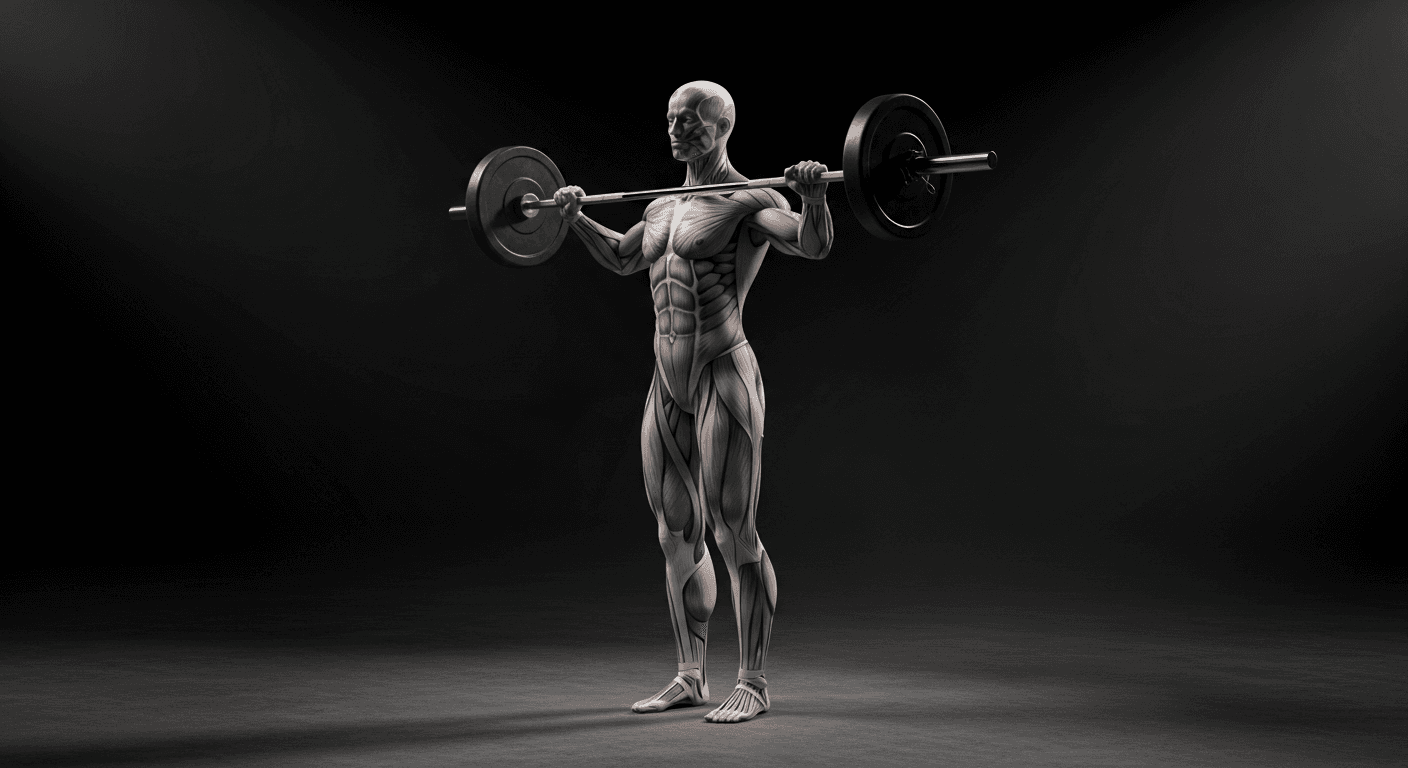
Photo by RepBro.
The suitcase carry can be usefully replicated at home with a dumbbell, a loaded backpack/duffel, banded anti‑lateral drills, a weighted waiter carry, or bodyweight side‑plank progressions. Each option preserves some core and anti‑lateral demand but differs in load precision, grip challenge, and carry distance.
What does the suitcase carry train and why does it matter?
The suitcase carry is a unilateral load carried at your side that forces your trunk and hips to resist lateral flexion and rotation while challenging grip, shoulder stability, and gait. It’s primarily an anti‑lateral flexion and unilateral stabilization exercise with a secondary carry/grip component — useful for core robustness and transferring load in asymmetrical contexts.
Which at‑home alternatives reproduce the same benefits and what do they lose?
Below are four practical substitutes using minimal equipment. For each I note what it preserves relative to the classic suitcase carry and what it does not fully replace.
1) Dumbbell suitcase carry: how close is it to the original?
What it preserves: unilateral load, grip challenge, trunk anti‑lateral flexion and gait mechanics. What it loses: nothing meaningful if your dumbbells are heavy enough and you can walk comfortably. When adequate: if you own adjustable dumbbells or a pair up to the load you need.
Programming notes: 2–4 sets per side, 30–60 seconds or 20–50 m, 2–3 times per week.
2) Loaded backpack or duffel: can a bag replace a dumbbell?
What it preserves: unilateral loading and some trunk demand, easy to scale by adding books, water bottles, or plates. What it loses: exact center of mass alignment and often less secure single‑hand grip, which can slightly change muscle recruitment and reduce grip loading.
When adequate: for general conditioning, carrying practice, or when heavy dumbbells aren’t available.
Practical tip: carry the pack by a single handle; use a firm handle and pack weight low to minimize swinging.
3) Banded anti‑lateral resistance and Pallof variations: what do bands provide?
What it preserves: core anti‑lateral and anti‑rotation demands, especially if you stand perpendicular to a low anchor and resist lateral pull. What it loses: the pronounced downward pull and gait loading of a real carry; bands are better at static stability and rotational control than reproducing the walking carry.
When adequate: when you have no heavy objects but want to train trunk stiffness and anti‑rotation.
4) Waiter’s carry (overhead single‑arm) and loaded side plank: do these serve as substitutes?
What they preserve: unilateral demand, shoulder stability, and increased anti‑lateral/cross‑pattern core tension. Loaded side planks preserve isometric lateral trunk control. What they lose: the carry’s specific lower‑body gait component and the same pattern of hip/trunk interaction while walking.
When adequate: when you want to emphasize shoulder‑trunk integration or lack side‑loaded heavy objects.
5) Unilateral farmer holds, march in place, and bodyweight marches: can they help?
What they preserve: time‑under‑tension and unilateral spine challenge, particularly when marching in place with a single heavy object. What they lose: actual walking gait distance and continuous stride rhythm.
When adequate: short sessions for grip and trunk endurance; add steps or stair carries if available.
Comparison: what each alternative preserves and loses?
| Alternative | Equipment | Preserves (core) | Loses (vs suitcase carry) | When adequate vs gym needed |
|---|---|---|---|---|
| Dumbbell suitcase carry | Dumbbell | Unilateral load, grip, gait mechanics | None if heavy enough | Adequate for most home users; gym only if you need heavier increments |
| Loaded backpack/duffel | Bag + weight | Unilateral load, trunk demand | Exact load control, optimal handle/grip | Good for conditioning; upgrade if you outgrow bag weight |
| Banded anti‑lateral/Pallof | Resistance band, anchor | Anti‑rotation/stiffness, trunk control | Downward load, walking component | Useful for stability phases; not a full carry substitute for load progression |
| Waiter’s carry / loaded side plank | Dumbbell, plate | Unilateral stability, shoulder‑trunk integration | Walking gait, lateral loading pattern | Complementary when overhead strength is a goal |
| Unilateral hold + march | Any hand‑held weight | Time under unilateral tension, limited gait | Continuous walking distance, maximal load | Good interim option; add stairs/active steps for progression |
How should I program these at home? What progression and frequency works?
General, evidence‑aligned guidance: train carries or their substitutes 2–3 times per week as part of a broader program. Use 2–4 sets per side. Aim for 30–60 seconds per carry or 20–50 m; when you can complete the top of the range comfortably for all sets, progress by adding weight, increasing time/distance, or adding fatigue (e.g., carry after squats). Monitor session RPE and reduce volume during planned deloads or persistent fatigue.
Note: there is no single optimal number for everyone; adjust based on overall weekly load and recovery capacity.
What safety checks and cues should I use?
Keep a neutral spine, avoid leaning the loaded side excessively (let the core resist it), keep shoulders level and breathe normally. Stop immediately for sharp pain; if you have a pre‑existing condition or acute symptoms consult a qualified health professional. Never attempt maximal single‑arm loads without adequate progression and a spotter or safe environment.
If you log carries or want simple tracking, apps such as RepBro can help record sets, time, and progression.
Limitations — what apps and guides cannot do for you
No app or article can visually assess or correct your form in real time; they cannot diagnose injuries or provide individualized medical rehabilitation. If you have pain, a recent injury, or complex medical history, seek an in‑person qualified clinician. Also, the best program won’t work if you don’t adhere to it: consistency, recovery, and appropriate progression matter more than the tool you use.
When should I go back to the gym for the real thing?
Consider returning when you require heavier, precise loading that home gear can’t provide; when grip strength becomes the limiting factor and you want maximal carry loads; or when you’re training for a sport that needs high‑load unilateral carry practice. Otherwise the alternatives above provide substantial, practical transfer for general strength and robustness.
Safety reminder: this article does not diagnose conditions or guarantee injury prevention. If you experience new or worsening pain, stop and consult a qualified professional.
References and further reading: consult exercise‑science reviews on core training and carry variations for more detail; follow progressive overload and recovery principles used in contemporary strength conditioning literature.
Frequently asked questions
- Can I replace suitcase carries with bodyweight exercises at home?
- Yes — bodyweight options such as side planks and unilateral holds can reproduce the anti‑lateral flexion and core endurance stimulus, but they lack the graded external load. Use them for conditioning and carryover, and add weight (pack, dumbbell, or band) once strength or progression stalls.
- How often should I do suitcase carry alternatives at home?
- Train carries or their substitutes 2–3 times per week as part of a broader strength program. Perform 2–4 sets per side, aiming for 30–60 seconds or an equivalent distance. Progress by increasing load or duration; reduce volume during planned deloads or persistent fatigue.
- When is it necessary to get back to the gym for real suitcase carries?
- Return to gym equipment when you need heavier one‑sided loading beyond what your home gear allows, when training for maximal grip or sport‑specific conditioning, or when the progression stalls despite increasing time or using heavier makeshift loads.