Smith Machine Squat Alternatives at Home (Minimal Equipment)
Five practical at-home substitutes for the Smith machine squat using bodyweight, dumbbells, or bands. What each preserves, what it loses, and when to use a gym.
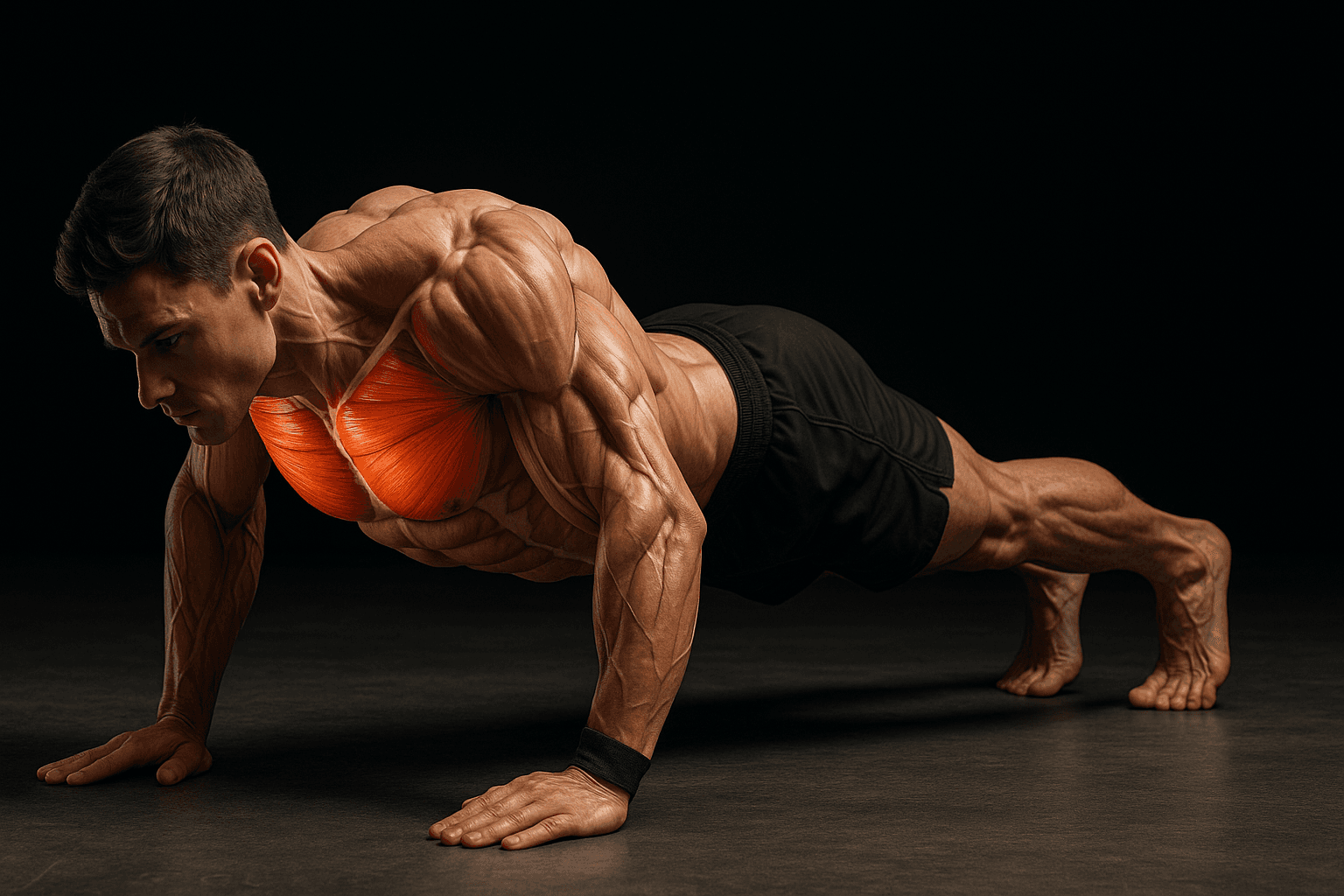
Photo by RepBro.
You can replace Smith machine squats at home with five practical options—goblet squat, double-dumbbell front squat, Bulgarian split squat, banded box squat, and dumbbell Romanian/leg-focused deadlifts. Each preserves different training effects (load, range, stability); none perfectly replicate guided-bar maximal loading or bar placement for competition.
What are effective Smith machine squat alternatives at home with minimal equipment?
Below are five alternatives using only dumbbells, bands, a chair/box, or bodyweight. For each I list what it preserves versus what it sacrifices compared with a Smith machine.
1) Goblet squat (single dumbbell or kettlebell)
- Equipment: 1 heavy dumbbell or kettlebell.
- What it preserves: Vertical load, upright torso, safety (can drop to a box), full squat depth, good quad bias.
- What it loses: Maximal absolute load compared with a loaded bar; less hip-dominant loading than a back squat; not the same bar position for specific practice.
- Programming tip: 3–5 sets of 6–20 reps depending on load; increase weight or reps progressively.
2) Double-dumbbell front squat (two dumbbells racked)
- Equipment: Two dumbbells.
- What it preserves: Front-loaded axial compression similar to a Smith/front-squat; good for quad and core demand and fairly close to barbell front squat mechanics.
- What it loses: Absolute load ceiling is lower than a Smith machine with heavy plates; shoulder/rack mobility differs from a bar.
- Programming tip: Use 4–6 sets of 4–10 reps for strength/hypertrophy depending on load, or higher volume if lighter.
3) Bulgarian split squat (rear-elevated split squat)
- Equipment: Dumbbells or bodyweight, chair/bench.
- What it preserves: High single-leg loading stimulus, balance, unilateral strength and hypertrophy, and often greater range of motion in the hip.
- What it loses: Bilateral loading capacity and the exact vertical symmetry a Smith machine gives; requires more stability.
- Programming tip: 3–5 sets per leg of 6–12 reps; increase load or reps before switching legs.
4) Banded box squat (bands + box or sturdy chair)
- Equipment: Resistance band(s) anchored under feet and held at shoulders, box or chair.
- What it preserves: A guided depth and a near-vertical resistance curve depending on band placement; safer for mediocre bottoms.
- What it loses: Consistent linear loading across the range—bands change resistance curve; heavy concentric overload is limited unless bands + heavy dumbbells are used.
- Programming tip: Use to teach positions and overload mid/lockout with bands; 3–6 sets of 4–12 reps depending on intent.
5) Dumbbell Romanian deadlift or heavy dumbbell deadlift variants
- Equipment: Dumbbells.
- What it preserves: Posterior chain loading (hamstrings, glutes) which Smith squats may underload if performed with a squat bias.
- What it loses: Direct quad-dominant squat stimulus and the upright torso emphasis of front-loaded Smith squats.
- Programming tip: 3–5 sets of 6–12 reps; pair with a squat-variant for comprehensive leg development.
How do these alternatives compare to the Smith machine squat in practice?
| Exercise | Equipment | Stability | Axial load (vertical) | Unilateral? | Ease to progress |
|---|---|---|---|---|---|
| Smith machine squat | Bar path machine | High | High | No | Easy (add plates) |
| Goblet squat | 1 dumbbell/kb | High | Moderate | No | Moderate (weight limit) |
| Double DB front squat | 2 dumbbells | Moderate | Moderate–High | No | Moderate |
| Bulgarian split squat | DBs | Low–Moderate | Unilateral | Yes | Good (progress via load/reps) |
| Banded box squat | Bands + box | Moderate | Variable | No | Moderate (band availability) |
| DB Romanian DL | DBs | Moderate | Hip-dominant | Usually no | Good (load progression) |
How should I program these alternatives compared with my Smith routine?
- Frequency: Target lower-body work 2–3 times per week, splitting bilateral and unilateral days if possible. This aligns with consensus for weekly training frequency per muscle group.
- Volume: Use weekly sets in line with your experience—beginners need fewer sets than advanced lifters. Typical per-session schemes: 3–6 sets per primary exercise; accumulate moderate weekly volume for hypertrophy.
- Progression: Apply progressive overload — add weight, add reps, add sets, reduce rest, or improve mechanics. If a dumbbell limit stalls you, increase volume, add unilateral variants, or use slower eccentrics/banded resistance.
- Deloads: Plan lower-volume or lower-intensity weeks periodically when performance drops or fatigue accumulates.
When is swapping adequate and when should I go back to a gym?
Swap is adequate when your goals are general strength, hypertrophy, movement quality, or time-efficient training and you can progressively overload with available equipment. Choose a gym when you need to:
- Practice barbell back/front-squat technique under heavy loads.
- Train near-maximal barbell strength (e.g., low single-rep work) with spotters or racks.
- Use load levels beyond your available dumbbells/bands that meaningfully change adaptation. If you’re preparing for barbell-specific sport (powerlifting, weightlifting), gym access will be important.
What safety steps should I follow?
Stop any exercise that causes sharp or unusual pain. Use conservative loading when learning new movements. Keep a box or bench nearby for safety during deep sets. This article does not diagnose or treat injuries—consult a qualified clinician or coach for persistent pain or rehabilitation needs.
What apps and AI cannot do (limitations)
- They cannot see your movement in real time to correct subtle technique faults; video review with a coach is preferable for form errors.
- They cannot diagnose injuries or replace a physical therapist or medical assessment when pain limits training.
- A plan is only effective if you follow it consistently—no app can substitute for adherence or realistic load management.
If you want an easy way to log sets, reps, and progressive overload with minimal equipment, consider an app such as RepBro to track progress objectively.
Bottom line: With a thoughtful mix of goblet/dumbbell front squats, unilateral work, banded depth training, and posterior-chain deadlifts, you can replicate most training effects of Smith machine squats at home. Choose a gym when you need very heavy barbell practice or absolute maximal loading.
Safety reminder: never push through sharp pain; consult a qualified professional for persistent issues. Training adaptations require consistent effort over weeks and months.
Frequently asked questions
- Can I replace Smith machine squats at home without a barbell?
- Yes. You can replicate most training effects of a Smith machine squat using goblet or double-dumbbell front squats, unilateral splits, banded box squats, and dumbbell deadlift variants. Each preserves some load patterns and range of motion but trades off maximum absolute loading and specific bar-placement practice.
- Which at-home alternative most closely mimics the Smith machine’s stability?
- Goblet squats provide a similar vertical load path and easy safety—holding a weight in front of the chest stabilizes the torso and limits forward collapse. Banded box squats also approximate a fixed stop. Neither perfectly matches guided-bar mechanics or maximal loading ability of a Smith machine.
- How often should I train legs when switching to these alternatives?
- Train lower body exercises 2–3 times per week, using a mix of bilateral and unilateral work. Use typical hypertrophy rep ranges (6–20) and include heavier, lower-rep sets for strength if you can load safely. Progress by adding reps, sets, or load over weeks.