The Most Common Reverse Curl Mistakes (and How to Fix Them)
Learn the 6 most common reverse curl technique mistakes, why they happen, what they cost your gains or increase injury risk, and a single concrete cue to fix each one.
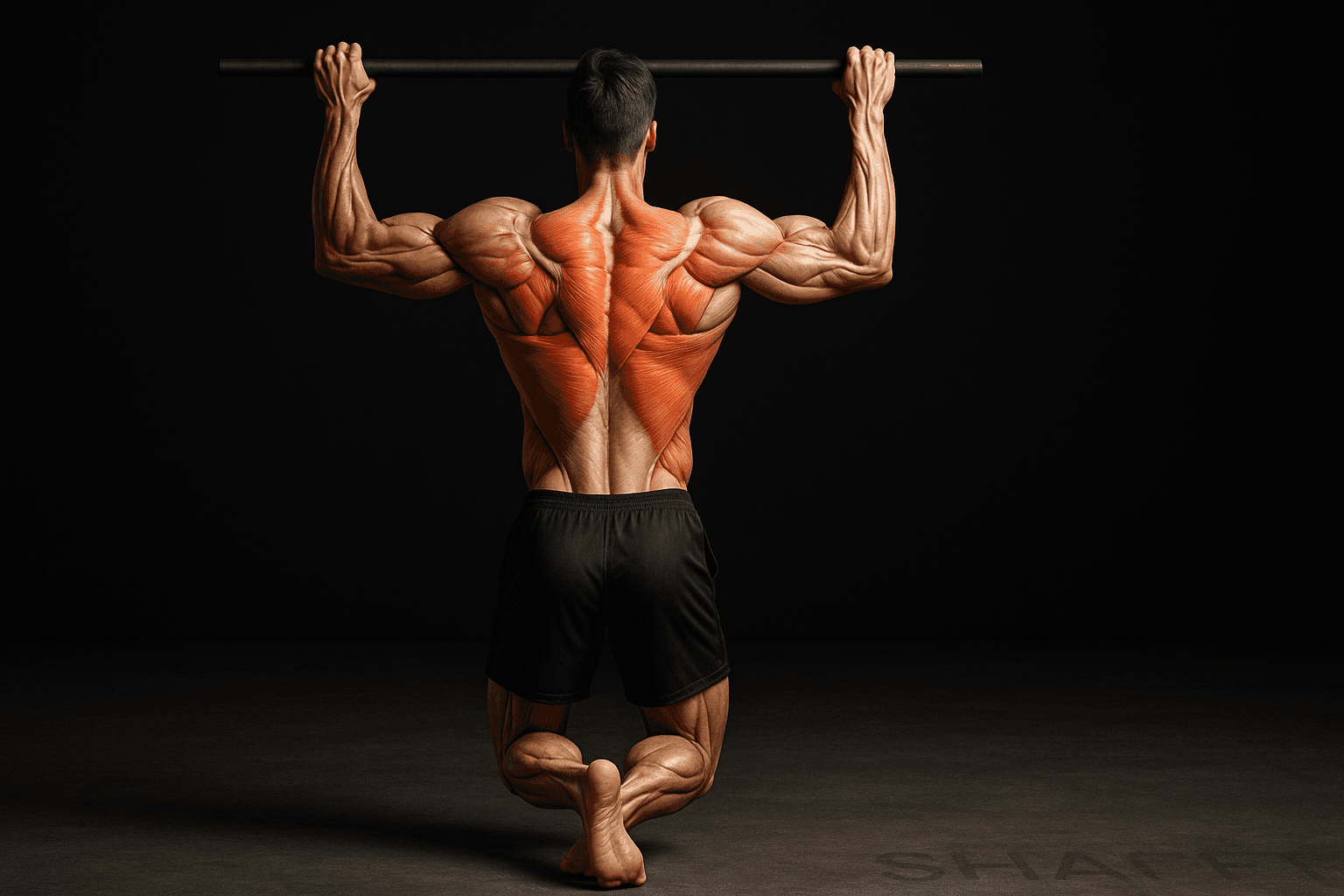
Photo by RepBro.
Reverse curl mistakes usually come from using too much weight, letting the wrists break, driving the movement with the shoulders or hips, and poor elbow position. Each mistake reduces the intended forearm/brachioradialis stimulus and can increase wrist or elbow strain. Fixes are mostly simple cue changes and load control.
What happens when my wrists collapse during reverse curls?
Why it happens: When the bar is heavy or you lack wrist strength, the wrists extend (break) and the load shifts to passive tissues and wrist extensors. This is common with heavy barbell use or fatigue.
What it costs: Collapsed wrists diminish forearm and brachioradialis tension and increase tendon stress at the wrist—reducing training transfer and raising irritation risk.
One concrete fix: Use a neutral wrist cue: "fist like a hammer, knuckles up." Lower weight until you can keep the wrists aligned with the forearm for all reps. If needed, switch to an EZ-bar or dumbbells to reduce wrist strain.
Why do I swing my torso or use hip drive on reverse curls?
Why it happens: Using momentum lets you move heavier loads when the target muscles are fatigued. It often comes from ego-loading or inadequate eccentric control.
What it costs: Momentum reduces time under tension for the brachioradialis and reduces eccentric stimulus. It also transfers stress to lower back and shoulders, increasing injury risk and limiting specific forearm development.
One concrete fix: Slow the tempo. Use a two-second concentric, three-second eccentric, and keep the torso vertical. If you still swing, reduce load by 10–20% and perform strict sets.
Why do my elbows move forward or flare out during the set?
Why it happens: Elbow drift usually occurs when the triceps and shoulder stabilizers fatigue or when attempting to shorten the range of motion to cheat the load.
What it costs: Moving the elbow alters the lever arm and reduces isolated forearm recruitment. It can also create extra shear forces at the elbow joint.
One concrete fix: Anchor the elbows against your sides or on your thighs (seated) and visualize a vertical bar path. Lightly tap your knees between reps for cheeky feedback; if elbows drift, lower the weight.
Why does the bar bite into my fingers or pinch my thumb?
Why it happens: A flat pronated grip or stiff thumbs on a straight bar can place pressure on the thumb and finger base, especially with narrow grips or harsh knurling.
What it costs: Discomfort disrupts technique and limits progressive overload. Chronic pressure can lead to callus problems or grip aversion.
One concrete fix: Switch to an EZ-bar or use a slightly wider grip so the bar rests on the base of the fingers rather than across the thumb. Chalk or light grip tape can also improve comfort.
Why don’t I feel reverse curls in the forearm—only the biceps or wrist?
Why it happens: An overly supinated or neutral grip, incorrect bar path, or dominant elbow flexion will bias the biceps. Also, if wrists bend, wrist extensors may take over.
What it costs: You miss targeted brachioradialis and forearm gains and waste training time on accessory work that doesn’t match your goal.
One concrete fix: Emphasize a pronated grip (palms down) and think "pull with the thumbs pointing down." Use lighter loads and higher-quality mind-muscle connection: pause at the top and squeeze the forearm for one second.
Why do I feel elbow pain after reverse curls?
Why it happens: Heavy pronated curls load the brachialis, brachioradialis, and wrist extensors; poor technique, sudden increases in volume/weight, or prior tendon irritation can provoke elbow pain.
What it costs: Pain can force prolonged rest and disrupt training continuity.
One concrete fix: Reduce load and volume, add more warm-up sets for the wrist/forearm, and lengthen eccentric tempo. If pain is sharp or persistent, stop and consult a qualified professional.
Barbell vs EZ-bar vs dumbbells for reverse curls — which should I use?
| Tool | Wrist comfort | Forearm emphasis | Typical use case |
|---|---|---|---|
| Straight bar | Lower wrist comfort for some lifters | Strong brachioradialis stimulus if tolerated | Use if your wrists are mobile and knurling is comfortable |
| EZ-bar | Better wrist angle for many lifters | Similar forearm emphasis with less wrist strain | Good compromise for heavier sets |
| Dumbbells | Best individual wrist alignment | Great for unilateral work and symmetry | Use when imbalances or wrist pain exist |
This table helps pick the implement that lets you maintain strict technique while loading progressively.
What simple programming or load rules should I follow for reverse curls?
Stick to progressive overload and control. If you lose form within a set, drop weight or stop the set—quality beats load. Reverse curls function well as an accessory; track weekly volume and back off if soreness or technique breakdown is persistent.
Safety note: Stop any set that produces sharp or radiating pain. This article does not diagnose injuries. If you have ongoing elbow, wrist, or shoulder pain, consult a qualified clinician.
What can apps or AI not do for my reverse curl form?
Limitations: No app or AI can fully replace an in-person coach who can palpate, screen movement, or assess subtle posture issues. Apps can help track sets, tempo, and progressive overload, but they can’t feel your discomfort or perform rehabilitation. For injuries, seek a qualified professional. Also remember: a plan only works if you are consistent.
If you track sets or tempos digitally, tools such as RepBro can help log controlled sets and tempo for progressive overload.
Summary: Focus first on load management and simple technical cues—wrist alignment, vertical torso, stable elbows, and controlled tempo. These fixes preserve the intended forearm and brachioradialis stimulus, reduce irritation risk, and make reverse curls a dependable accessory in your arm-training toolbox.
Frequently asked questions
- Are reverse curls better for forearms than regular curls?
- Reverse curls shift emphasis away from the long head of the biceps and toward the brachioradialis and wrist extensors. They are a useful complement to regular curls when you want more forearm and grip development, but they don’t replace traditional curl variations for biceps peak work.
- What tempo should I use for reverse curls?
- Use a controlled tempo: a deliberate concentric and an especially controlled eccentric. Pausing briefly at the top and lowering slowly increases time under tension and reduces momentum. Adjust load so you can maintain that control for all reps without breaking form.
- How often should I include reverse curls in my program?
- Include reverse curls as an accessory 1–3 times per week depending on total arm/forearm volume and recovery. Prioritize overall progressive overload and recovery rather than a fixed frequency; monitor soreness and performance to guide adjustments.