Pec Deck: Muscles Worked and Practical Alternatives
Clear, evidence-aware guide: which muscles the pec deck trains, how to program it, and four alternatives with when to choose each (equipment, injuries, plateaus).
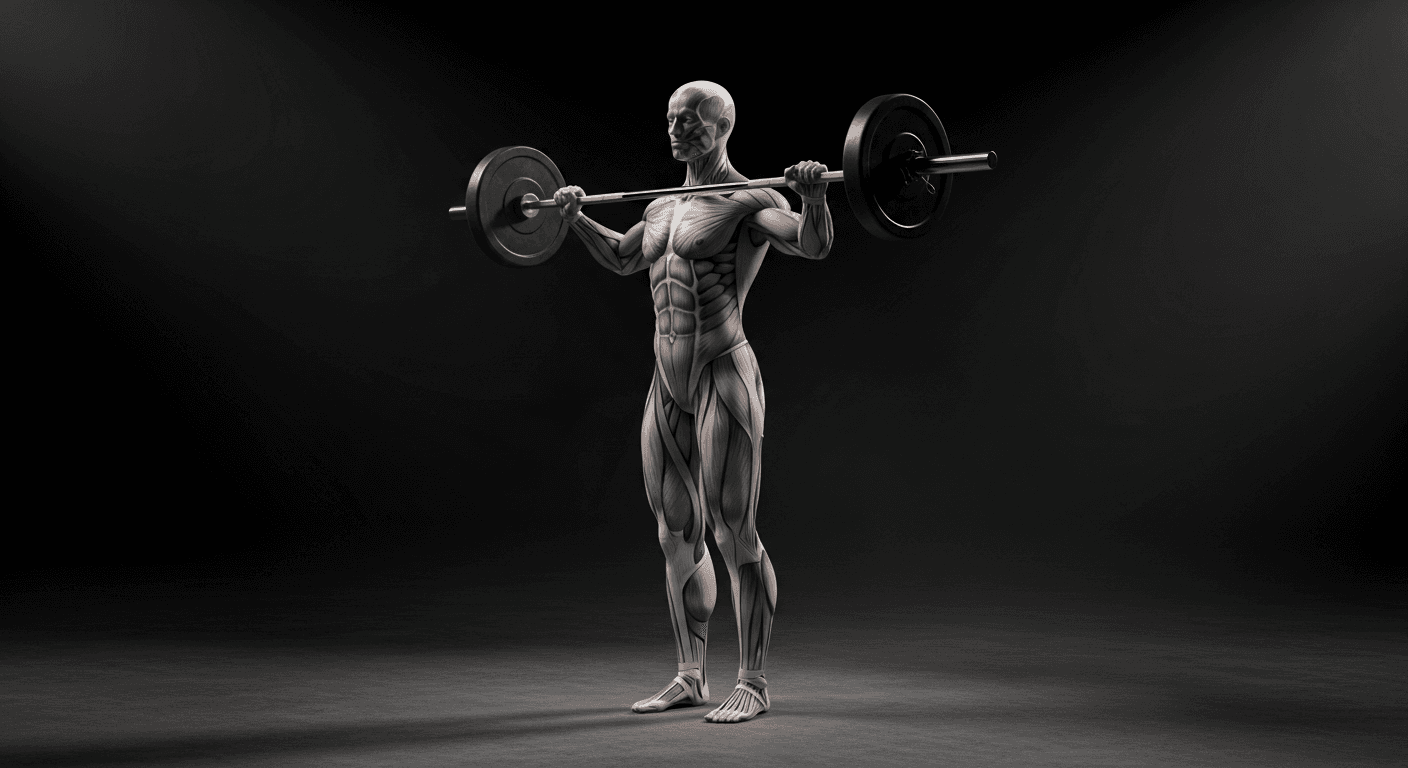
Photo by RepBro.
Short direct answer
The pec deck (machine fly) primarily trains the pectoralis major via horizontal adduction, with secondary involvement from the anterior deltoid and to a lesser extent the biceps’ short head and scapular stabilizers. It’s an accessory isolation tool best used after compound pressing or when joint-friendly chest isolation is needed.
What muscles does the pec deck train?
The pec deck targets the pectoralis major—both clavicular (upper) and sternal (mid/lower) fibers—because the motion is horizontal adduction of the humerus. Secondary contributors are:
- Anterior deltoid (assists the arc of movement)
- Short head of biceps (isometrically at the shoulder)
- Scapular stabilizers (serratus anterior, rhomboids to a lesser degree)
Because the machine fixes the path, triceps involvement is minimal compared with presses. Electromyographic and biomechanical evidence for fly-style movements shows high chest activation with low triceps load, which is why many lifters use the pec deck for targeted chest development or to add finishing volume.
How should I place pec deck work in a program?
Place the pec deck after your compound pressing (barbell or dumbbell bench press, dips, push-ups). Use it as accessory volume to target the chest without adding heavy axial load to the shoulder girdle.
Programming guidelines consistent with sports-science consensus:
- Rep range: typical hypertrophy ranges (e.g., mid single to mid double digits) are appropriate; choose a load that gives near‑failure in that range while maintaining form.
- Frequency: include pec deck work as part of chest training two to three times per week depending on total weekly volume for the chest.
- Progression: track load, reps, or time under tension and increase one of these variables gradually over weeks.
Avoid starting heavy pec‑deck sets before pressing movements; the machine is better as a targeted stimulus after compound lifts or on separate accessory days.
How do I perform the pec deck safely and with good form?
- Adjust seat so handles sit at mid‑chest level and upper arms are roughly parallel to the floor at the start.
- Keep a slight bend in the elbows; don’t lock or fully straighten.
- Move through horizontal adduction with control; avoid aggressive end‑range shoulder extension and sudden rebounds.
- Exhale as you bring handles together; inhale on the return.
Safety note: stop on sharp pain. If you have shoulder pain or a history of instability, consult a qualified professional before using the machine. No guidance here replaces an in‑person assessment.
What alternatives to the pec deck should I consider and when?
Below are four practical alternatives and when to pick each.
Comparison table
| Alternative | Equipment | Primary muscles | Tension profile | When to pick | Limitations |
|---|---|---|---|---|---|
| Dumbbell fly | Dumbbells, bench | Pectoralis major, anterior deltoid | Big ROM, free‑weight stability | When you want similar isolation and limited machine access | Requires shoulder control; heavier loads harder to manage |
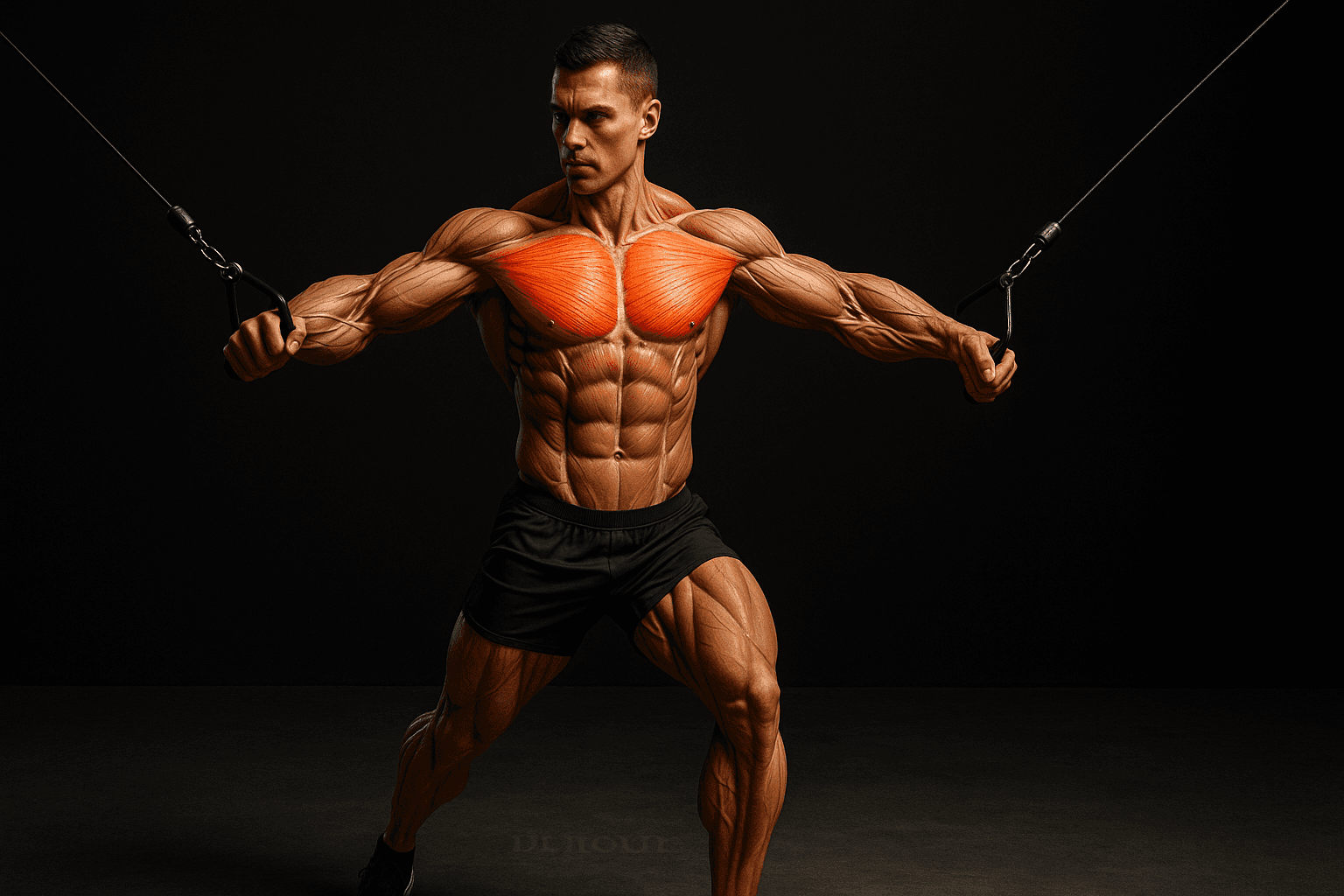
| Cable crossover / cable fly | Cables, pulleys | Pectoralis major, anterior deltoid | Continuous tension through range | When you want constant tension and adjustable line of pull | Needs cable station; set‑up time |
| Dumbbell or barbell bench press | Barbell/dumbbells, bench | Pectoralis major, anterior deltoid, triceps | Compound, high systemic load | When strength and overall mass are priorities | More shoulder/triceps involvement; joint load increases |
| Push-up (progressions) | Bodyweight, incline/decline | Pectoralis major, triceps, core | Functional compound, scalable | When you lack equipment or want a low‑cost compound alternative | Harder to isolate chest; progression limits for advanced lifters |
When to pick each, in plain terms:
- Choose dumbbell fly if you want a free‑weight isolation that trains a larger range of motion and you can control shoulder position. Avoid heavy loading if you have anterior shoulder issues.
- Choose cable fly if you want constant tension and the ability to alter line of pull (high-to-low, low-to-high) to emphasize different chest fibers and avoid end‑range joint stress.
- Choose bench press when the goal includes strength, neural adaptation, and greater systemic stimulus. Use pec deck as accessory, not primary method, for strength work.
- Choose push-ups for accessible compound pressing that’s easy on setup and scales well for beginners or home training.
How do I choose among these alternatives during plateaus or injury?
- If progress stalls on presses, add pec deck or cable flys to increase targeted chest volume without taxing the triceps and CNS as much.
- For shoulder pain with pressing, cable or machine flys that allow controlled ROM and different lines of pull are often easier to tolerate than barbell benching. Consult a clinician if pain persists.
- For equipment limits (home or travel), push-up progressions or single‑dumbbell fly variations can substitute effectively.
What are realistic expectations for results and progression?
Use the pec deck as one tool in a broader plan that includes compound pressing and progressive overload. Track sets, reps, and perceived effort; increase volume or load gradually. Consistency, progressive overload, and adequate recovery drive size and strength adaptations more than any single machine.
Safety and coaching constraints
Short safety note: stop if you feel sharp pain and seek professional assessment for persistent issues. This article does not diagnose injuries or prescribe rehabilitation.
Limitations of apps and AI coaching
- No app or AI can watch and correct your real‑time form; in‑person coaching remains important for technical issues.
- Apps cannot diagnose injuries or replace qualified medical or physiotherapy assessment.
- A program, digital or printed, only works if you show up and progress sensibly—consistency and recovery matter more than tool choice.
If you track sets and progressive overload, a logging tool can help—apps such as RepBro can record volume and help spot trends. Use those data along with feel and any professional advice.
Limitations (honest)
This article summarizes practical, evidence‑aligned guidance but does not replace individualized programming from a qualified coach or healthcare professional. If you have ongoing pain, previous surgery, or specific performance goals, seek tailored assessment and programming.
References and further reading
For readers who want depth, consult position statements from recognized bodies on resistance training and peer‑reviewed reviews on muscle activation and hypertrophy programming to match volume, frequency, and progression with your experience level.
Frequently asked questions
- Does the pec deck target the entire chest or just the outer part?
- The pec deck primarily targets the pectoralis major through horizontal adduction, recruiting both sternal (lower) and clavicular (upper) fibers depending on seat/arm angle. It is an isolation move, so it emphasizes the chest more than compound pressing but doesn’t selectively train only the outer pecs.
- Can the pec deck replace bench pressing for size?
- No. The pec deck is an isolation tool that complements, not replaces, compound presses. For overall upper‑body strength and systemic stimulus, include compound horizontal pressing (bench or push-ups). Use the pec deck for added volume, shape, or to reduce joint stress after compound work.
- How often should I include pec deck work in my weekly plan?
- Include pec deck work as accessory chest volume two to three times per week alongside compound pressing. Progress by adding load, reps, or sets over weeks. Keep a few recovery days between heavy chest sessions and reduce accessory volume during deliberate deloads.