Pec Deck: Proper Form, Step by Step
Clear, evidence-aware guide to pec deck form: setup, execution cues, breathing, tempo, common mistakes and fixes, plus safety and limitations for lifters.
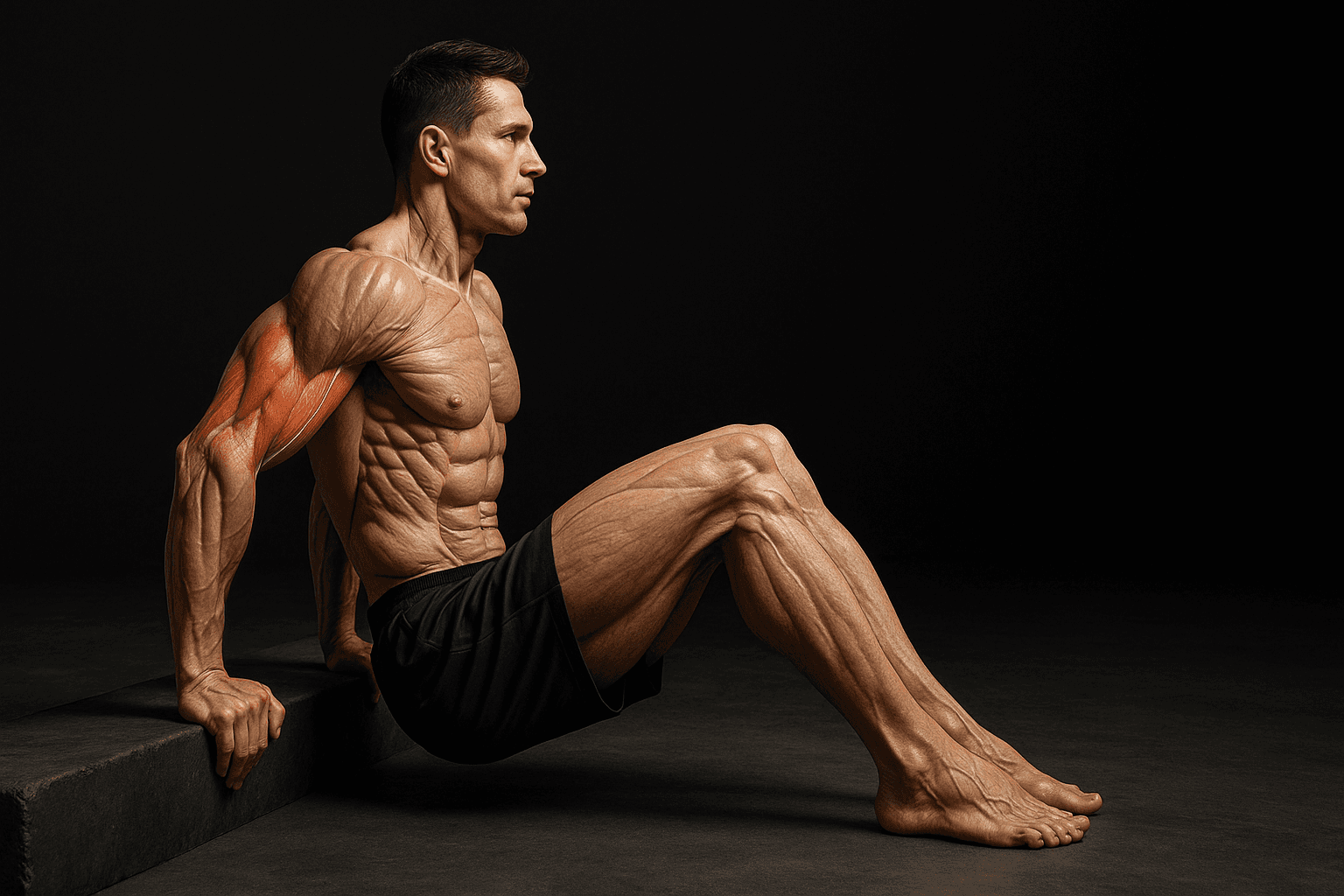
Photo by RepBro.
The pec deck is a controlled machine fly that isolates horizontal adduction of the chest. Set the seat so the pivot aligns with your shoulder, keep a modest elbow bend, use slow, controlled tempo, and stop if you feel sharp pain. Focus on chest contraction rather than range for safety.
How do I set up the pec deck properly?
- Seat height: sit so the machine pivot or axis is level with your shoulder joint (approximately the acromion). Your upper arms should be roughly parallel to the floor at the start.
- Back & chest: press your back flat against the pad, lift your chest slightly (ribcage neutral) and retract the scapula mildly — don’t over-squeeze the shoulder blades.
- Handle and elbow position: place the forearms or elbows on the pads/handles so your elbows sit about shoulder height and your elbow angle is around 80–100° at start. A slight bend protects the elbow and tendon.
- Foot placement: feet flat on the floor (or platform) to stabilize the pelvis; avoid pushing through the legs.
Adjustment cues: if you feel the movement in your neck or upper traps, lower the seat. If the start position places your hands well below chest level, raise the seat.
What is the step-by-step execution (start to finish)?
- Obtain a stable, neutral spine and firm grip or forearm contact.
- Inhale, brace your core, and begin from the open position with tension in the pecs but not overstretched.
- Exhale as you bring the pads together using a controlled concentric action led by the chest—imagine trying to bring your elbows in toward the midline.
- Stop when the pads are close but not forcefully pinched together; avoid locking or jamming at the end range.
- Inhale and take 2–3 seconds to reverse, allowing a controlled eccentric stretch of the pecs without collapsing the shoulders forward.
- Reset briefly if needed, keep scapula control, then repeat.
Key tactile cue: think of bringing the elbows, not the hands, together. Visualize the chest doing the work rather than the forearms.
What breathing and tempo should I use?
- Breathing: exhale on the concentric (bringing the pads together), inhale on the eccentric (opening). Maintain core bracing throughout.
- Tempo: a common, practical tempo is 2–3 seconds eccentric, 0–1 second pause, 1–2 seconds concentric. Avoid explosive reps or swinging. Slower eccentrics increase time under tension and control.
How many sets and reps should I use on the pec deck?
Follow general resistance-training recommendations: use the pec deck as an accessory/isolation movement. For hypertrophy, 6–15 reps per set is commonly effective; for strength, heavier compound lifts are prioritized. The American College of Sports Medicine suggests 2–4 sets per exercise for most training goals; distribute chest volume across 2–3 sessions per week depending on your total program.
When should I pick the pec deck versus other fly variations?
| Feature | Pec Deck Machine | Dumbbell Fly | Cable Fly |
|---|---|---|---|
| Stability demand | Low | High | Moderate |
| Scapular control needed | Lower | High | Moderate |
| Range variability | Fixed | High | Very high |
| Good for beginners? | Yes | No (needs experience) | Yes |
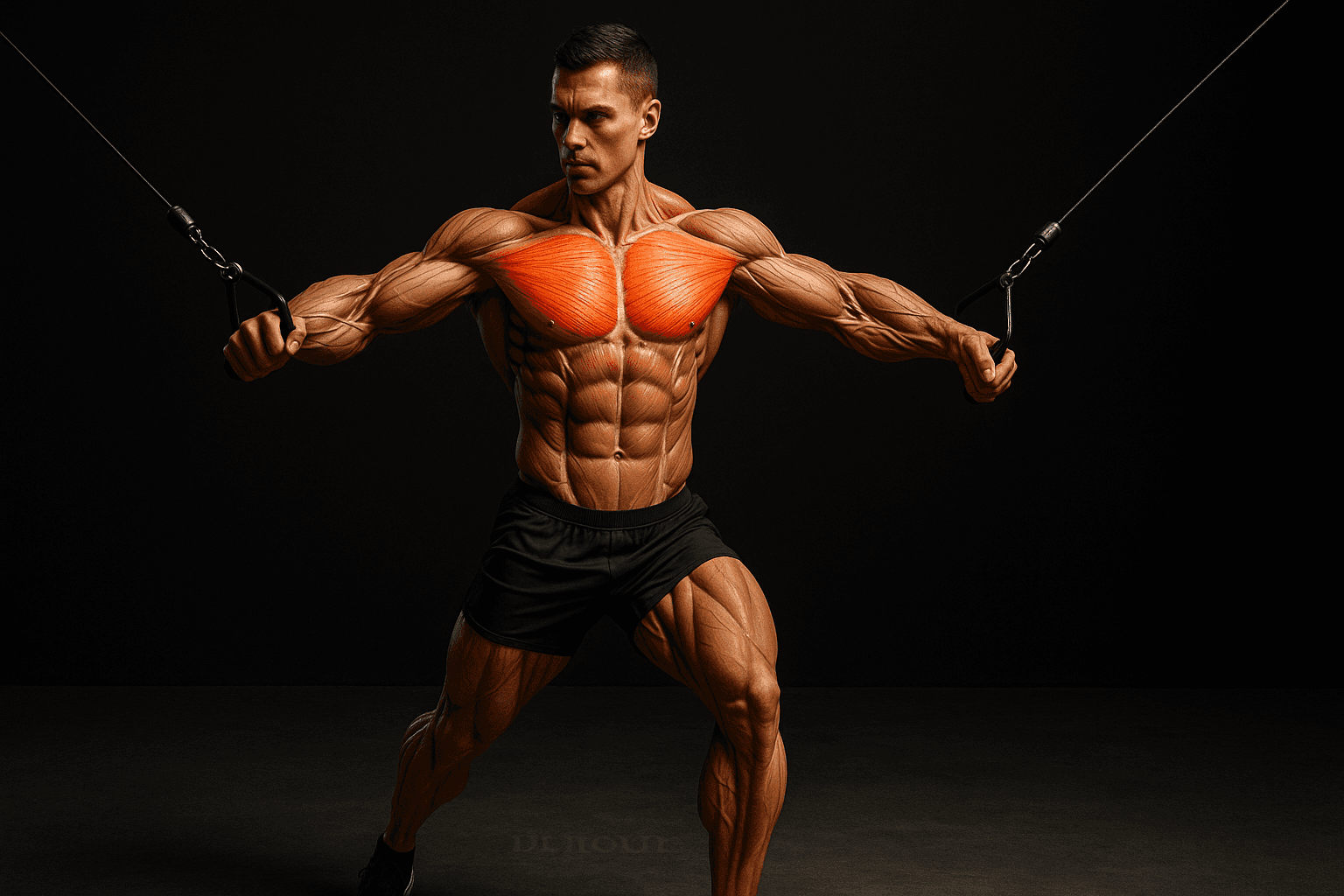
Choose the pec deck for controlled isolation, for finishing chest work, or when you need lower coordination demand. Choose dumbbells or cables when you want greater range, stabilizer work, or progressive variations.
What common mistakes do people make and how do I fix them?
- Mistake: Seat too low or too high. Fix: Align axis with shoulder; adjust seat until upper arms parallel to the floor at start.
- Mistake: Locking or jamming at midline. Fix: Stop short of forceful end-range; maintain tension and use moderate range.
- Mistake: Using excessive weight and swinging. Fix: Reduce load; slow tempo; focus on controlled eccentric and deliberate concentric.
- Mistake: Letting shoulders protract and shrug. Fix: Retract and depress shoulders mildly at setup; keep trap activity low.
- Mistake: Leading with hands or wrists. Fix: Cue elbows to move; keep wrists neutral.
What safety notes should I follow?
Stop immediately if you feel sharp or radiating pain. If you have shoulder pain, instability, or recent injury, consult a qualified clinician before using the pec deck. This article is informational and does not diagnose or replace professional medical advice.
What training progression and recovery guidelines apply?
Progress by improving form, then increasing load by small increments or adding a rep per set. Follow established resistance-training frameworks: adequate recovery between sessions, progressive overload, and periodic deloads. For chest, many trainees work the muscle group 2–3 times per week, adjusting total weekly sets to their experience, goals, and recovery.
What can’t apps or AI coaching do for my pec deck form?
No app or AI can physically palpate your muscles, check joint mobility hands-on, or perform a medical assessment. Remote feedback is limited by camera angle and resolution; real-time hands-on correction from a qualified coach or physical therapist is necessary when you have pain, mobility deficits, or clinical concerns. A program only works if you follow it consistently.
Limitations: this guide summarizes practical, evidence-aligned form and training advice but cannot replace individualized assessment. If you experience pain, consult a licensed clinician. Consistency, progressive overload, and recovery drive results more than any single machine choice.
Safety-first closing note: prioritize controlled ranges and stop on sharp pain. For rehab, recent surgery, or persistent issues, work with a qualified professional before using the pec deck.
Frequently asked questions
- Can the pec deck replace bench press for chest development?
- The pec deck is an isolation tool that targets horizontal adduction and the pectoralis major. It complements compound presses but doesn’t replace them: presses also train triceps, delts, and stabilizers. Include both types for balanced development and strength transfer.
- How heavy should I use the pec deck?
- Choose a load you can control for the full range with strict form for the target rep range. For hypertrophy, aim for a challenging weight across 6–15 reps per set, following standard resistance-training guidelines and avoiding momentum or shoulder compensation.
- Will pec deck cause shoulder pain?
- Some people feel impingement or strain if the seat, range, or scapular movement is wrong. Stop on sharp pain and consult a qualified clinician. Adjust seat height, limit end-range internal rotation, or use alternative fly variations under professional guidance.