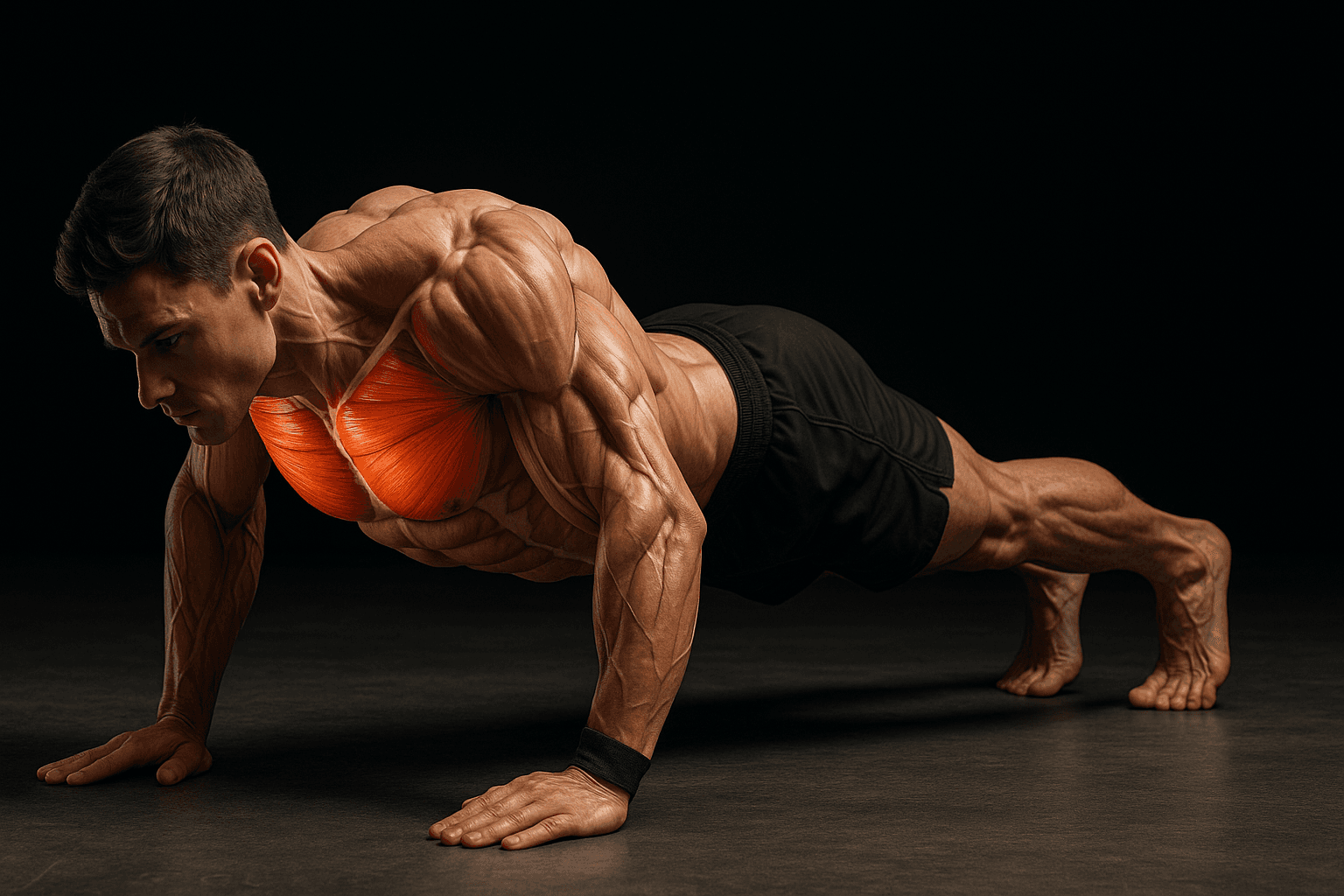
The Most Common Machine Chest Press Mistakes (and How to Fix Them)
Learn the 6 most common machine chest press mistakes, why they happen, what you lose or risk, and one concrete fix for each to improve strength and reduce injury.
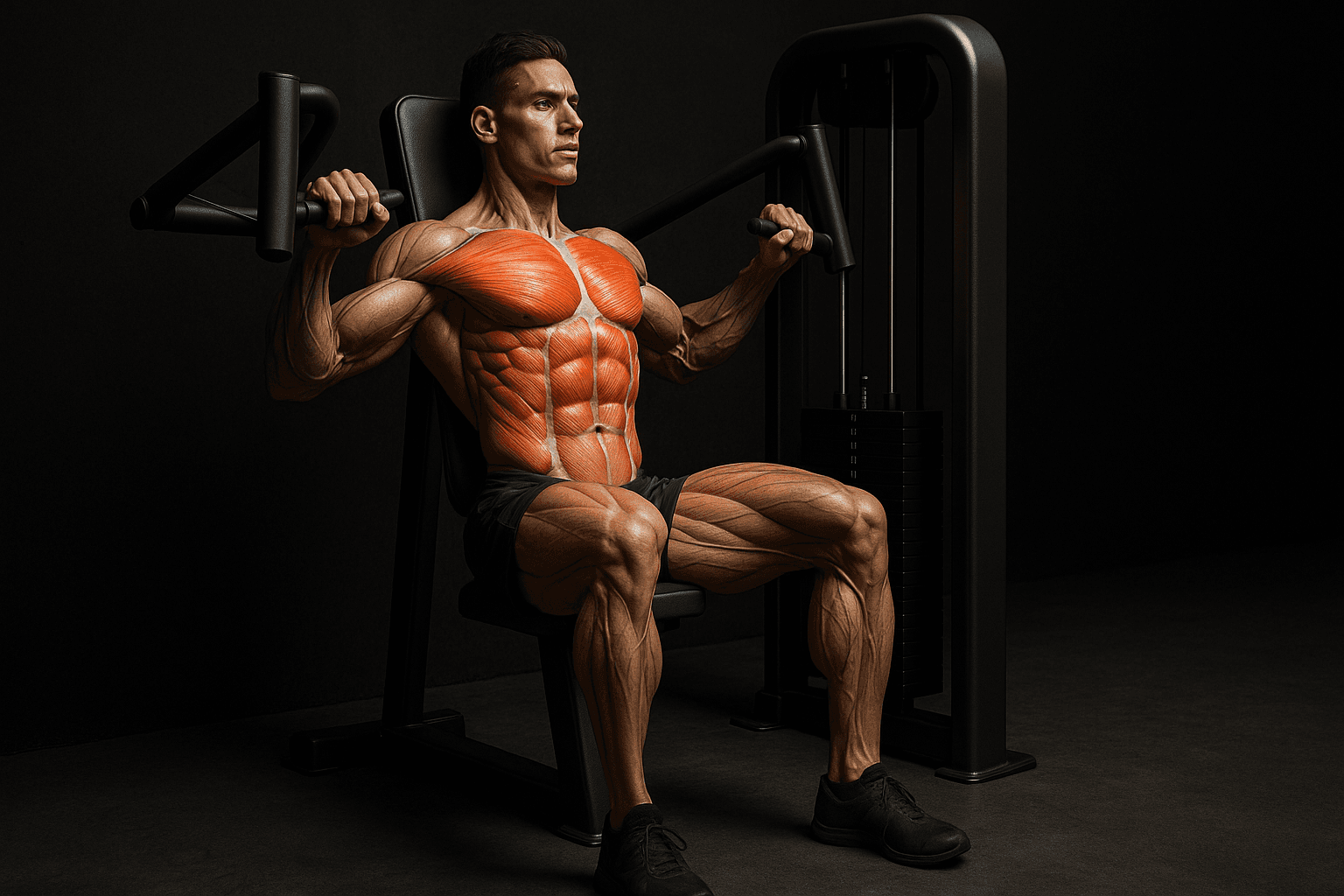
Photo by RepBro.
The single-sentence answer: the most common machine chest press mistakes are wrong seat/handle alignment, elbows flared, lumbar over-arch, excessive weight/cheating, poor wrist/grip position, and too-short or uncontrolled range of motion — each costs you strength, muscle, or shoulder health, and each has a simple fix.
What goes wrong with seat height and handle alignment?
Why it happens: People adjust the seat by feel or copy someone else; many machines have ambiguous markers. If the handles sit too high or too low relative to your mid-chest, your pectorals don't line up with the intended plane of force.
What it costs: Lost chest activation, extra stress on the shoulders or wrists, and less transfer to flat-bar pressing. Expect 10–30% less effective stimulus if the line of force is off by a lot.
Fix: Set the seat so the handles are level with your mid-chest/nipple line when seated. Perform a test rep: at the bottom your upper arms should be roughly parallel to the floor (about 90° elbow flexion). If not, raise or lower the seat and re-test until it is.
Why do elbows flared wide hurt progress?
Why it happens: People mimic wide-bar bench press form or try to ‘‘target the chest’’ by flaring to 90°. Ego lifting and loose cueing also drive this.
What it costs: Excessive shoulder impingement risk and reduced chest torque. Flared elbows shift work to the anterior deltoid and can limit progressive loading before pain occurs.
Fix: Tuck elbows 30–60° relative to your torso. Cue: imagine driving your elbows toward your hips as you press. This increases pec recruitment and reduces shoulder stress.
How does over-arching the lower back sabotage the lift?
Why it happens: Lifters push heavy weight and create a big lumbar arch to generate a stronger pressing base, or the seat is too low so feet can't anchor.
What it costs: Increased lumbar compressive load, poor bracing transfer, and a false sense of pressing strength that doesn't carry over to other chest work.
Fix: Keep a neutral spine and press your lower back into the pad without letting it gap more than 2–3 cm. Plant feet flat and contract glutes/abs before each set. If you still arch, lower the weight by 10–20% and repeat.
Why does using too much weight or momentum hurt gains?
Why it happens: Machines feel safer, so people pile on weight and use a jerk or bounce to complete reps. Rest-pauses and ego sets normalize this.
What it costs: Reduced time under tension, poorer motor-learning, higher injury risk (shoulders/elbows), and smaller hypertrophy gains despite heavier numbers on the stack.
Fix: Use a controlled tempo: 1–2 seconds concentric, 2–3 seconds eccentric. Pick a weight you can control for 8–12 correct reps; if you need a spot or momentum, drop 10–30% of the load.
What is the problem with wrist and grip position?
Why it happens: Wrists flex or extend under load when the grip is awkward or the handle is too wide, or lifters shrug the shoulders and let wrists take the load.
What it costs: Wrist pain, reduced force transfer to the chest, and compensatory shoulder strain. Even 5–10° of wrist extension lowers effective pressing force.
Fix: Keep wrists neutral—knuckles pointed up—and grip the handle where your palm sits wrapped, not high on the thumb. If your wrists still bend, use straps or choose a different handle and reduce the load.
Why does too-short range or sloppy tempo reduce results?
Why it happens: People cut ROM to avoid sticking points, reduce discomfort, or move more weight. Machines can make short ROM feel productive because the path is guided.
What it costs: Lower mechanical tension and less muscle fiber recruitment. For hypertrophy, this can be a 20–40% reduction in effective stimulus compared with full controlled reps.
Fix: Lower until you feel a chest stretch and your upper arms are at least parallel to the floor (about 90° elbow flexion). Pause briefly at the bottom (0.25–0.5s) and control the eccentric for 2–3s. Keep the top short—stop with a 5–10° bend in the elbow.
How should feet and bracing be handled on a machine press?
Why it happens: Feet are often tucked, lifted, or uneven; people assume machine stability removes the need to brace.
What it costs: Reduced stability, inefficient force transfer, and increased lumbar strain. Poor foot contact also makes it harder to control tempo.
Fix: Plant feet flat, roughly shoulder-width. Brace by taking a diaphragmatic breath and hold intra-abdominal pressure during the rep. If the machine pad prevents you from foot bracing, move feet to a position where you can still feel stable without shifting the torso.
Safety note: When should I stop or seek help?
Stop immediately on sharp joint pain, sudden popping sensations, or numbness. If pain persists for more than 48 hours, consult a qualified professional; this guide doesn't diagnose. For programming and exercise comparisons (machine vs free weights), see the RepBro comparison guide at https://www.repbro.app/vs and consider tracking tempo and progress with the RepBro app (https://apps.apple.com/us/app/gym-workout-coach-repbro/id6763749305).
One-sentence takeaway: Fix the seat, tuck the elbows, brace the core, control the tempo, neutralize the wrists, and use a full-but-safe range—those six adjustments will protect your shoulders and make your machine chest press actually build chest strength and size.
Frequently asked questions
- How low should I lower the handles on a machine chest press?
- Lower until your upper arms are about parallel to the floor (roughly 90° elbow flexion) or until you feel a chest stretch without shoulder discomfort; avoid forcing a deeper range that makes your shoulders flare forward.
- Is the machine chest press bad for my shoulders?
- No—if you use correct seat height, a mid-chest handle alignment, a 30–60° elbow tuck relative to the torso, and controlled tempo. Shoulders are at risk when you flare elbows to 90° or use excessive weight.
- Should I lock my elbows at the top of the press?
- Avoid full elbow hyperextension; stop with a 5–10° bend at the top to keep tension on the chest and protect the joint while still getting a solid concentric finish.