Good Morning: Proper Form, Step by Step
Step-by-step guide to performing the good morning with correct setup, hip-hinge cues, breathing, tempo, common mistakes, and programming tips for safe posterior-chain training.
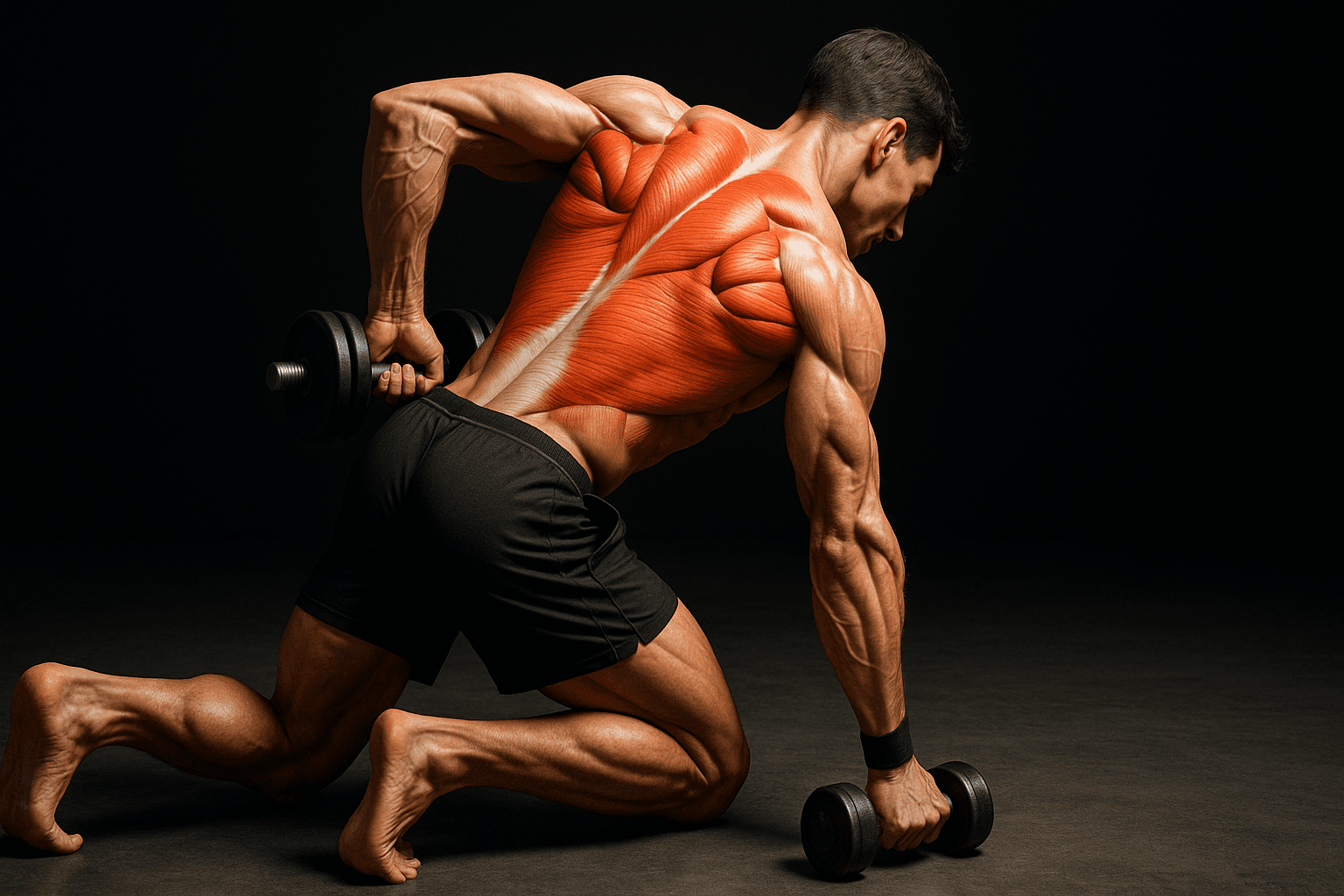
Photo by RepBro.
The good morning is a loaded hip-hinge that trains the posterior chain and spinal erectors. Set a stable bar position, brace the core, hinge at the hips while keeping a neutral spine, and drive the hips forward to stand. Use conservative loads and gradual progression; stop for sharp pain.
What does the good morning train and why use it?
The good morning emphasizes the hamstrings, glutes, and erector spinae while teaching a powerful hip hinge under load. It is useful as an accessory for athletes and lifters who want stronger hip extension and improved control of torso angle in deadlifts and squats.
How do I set up the bar, feet, and body (step by step)?
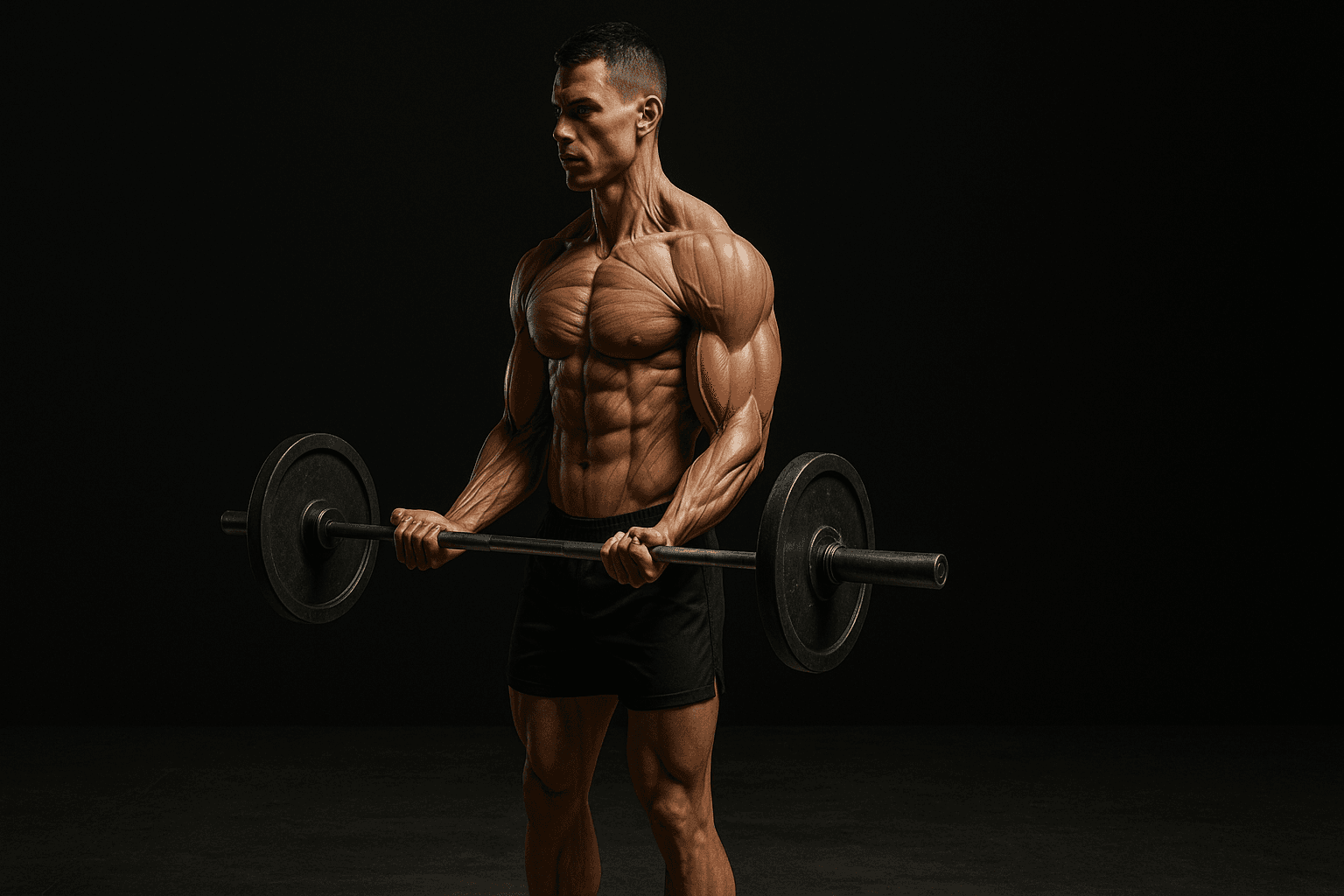
- Rack and bar: Place the bar at mid-chest height for easier unracking. Step under the bar and position it across your upper traps (high-bar) or rear delts/upper back (low-bar), whichever is comfortable and consistent with your other lifts.
- Grip and stance: Grip the bar lightly, feet hip- to shoulder-width apart (about 30–50 cm / 12–20 in). Toes point neutral or slightly outward according to your hip structure.
- Unrack and brace: Stand tall, take a deep diaphragmatic breath, and brace the abdomen and lats. Maintain a neutral neck (eyes forward or slightly down).
- Knee position: Keep a modest knee flexion—just enough to avoid locking the knees but not a squat pattern. Knees should track over the toes.
- Bar path: The bar should travel over mid-foot throughout the movement. Keep the torso long and the chest up during setup.
How do I perform the descent and ascent (execution cues)?
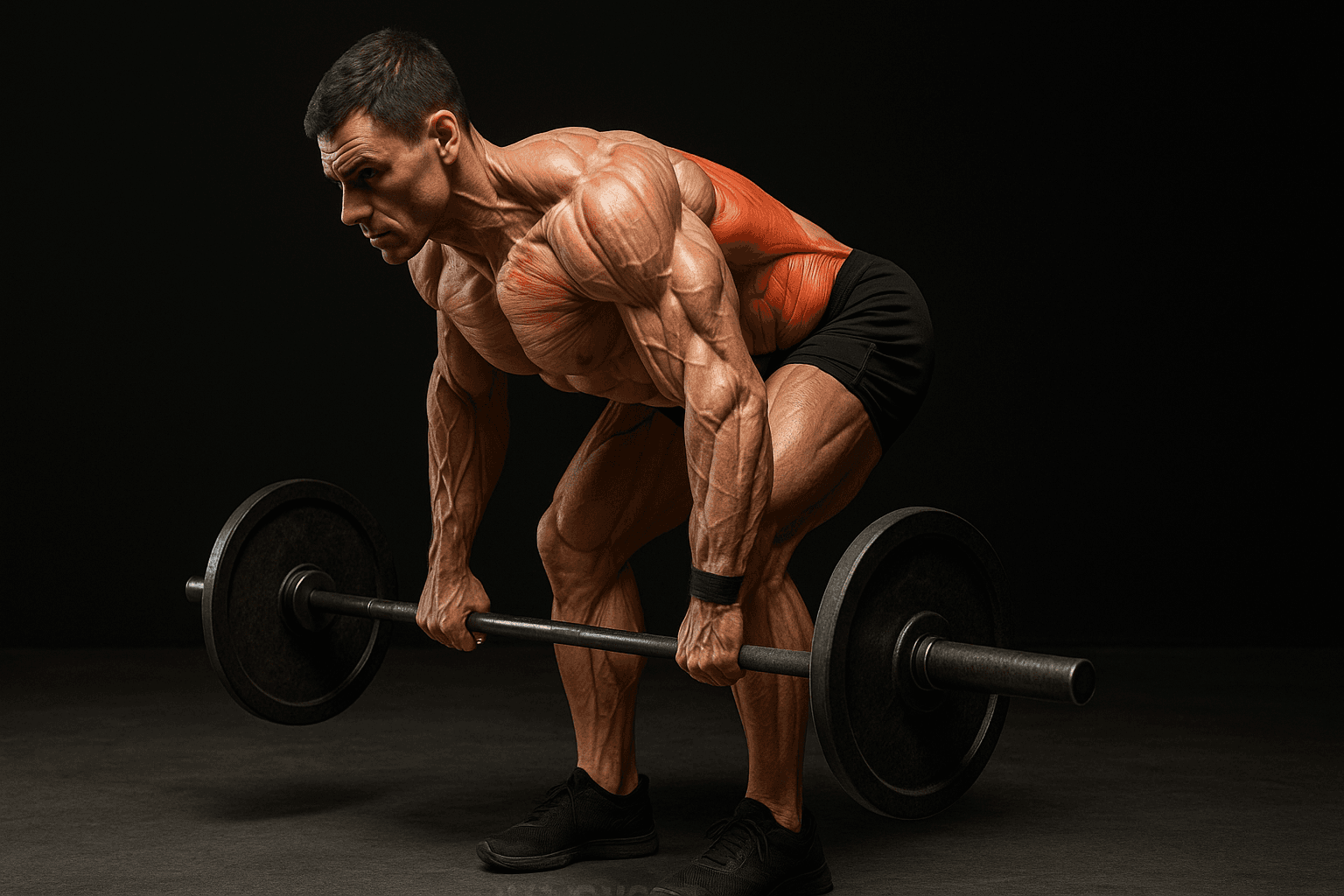
- Hinge: Push the hips straight back while maintaining a long spine. Think of closing a car door with your hips—the movement originates from the hip joint, not excessive knee flexion.
- Torso angle: Maintain a neutral spine. Avoid excessive lumbar flexion (rounding) or extension (hyperextension). Keep the ribs down and shoulder blades pinched slightly—this helps maintain torso stiffness.
- Depth: Lower until you feel hamstring tension or your torso is roughly parallel to the floor. Stop before loss of spinal neutrality or loss of control.
- Return: Drive the hips forward, contracting glutes and hamstrings, to return to standing. Avoid finishing by hyperextending the lower back—stand tall and locked out by hip extension alone.
Execution cues: "Hips back, chest proud, mid-foot balance, brace like you will be hit in the stomach." Use a mirror or video to check bar path and torso alignment.
What breathing and tempo should I use?
- Breathing: Inhale and brace at the top, hold intra-abdominal pressure through the descent, then exhale as you complete the concentric (or exhale after you pass the sticking point). Bracing improves spinal stiffness and safety.
- Tempo: Controlled descent of 2–4 seconds is common to maintain tension and control. A brief 0–1 second pause at the bottom is optional. The concentric return is typically more forceful—1 second or controlled explosive—without sacrificing spine position. Match tempo to your training goal (slower for control/technique, slightly faster for power work).
How should I load and program good mornings?
Good mornings are an accessory/strength-assist exercise. Common coaching practice: use conservative loading relative to maximal lifts, prioritize technique, and progress gradually. For strength emphasis, many coaches use lower-rep sets with heavier loads; for hypertrophy, moderate reps and sets. Frequency often ranges from once to twice per week depending on recovery and overall program. Reduce volume during heavy squat or deadlift blocks.
How do good mornings compare to Romanian deadlifts and squats?
| Movement | Primary emphasis | Typical knee angle | Torso angle | Common use |
|---|---|---|---|---|
| Good morning | Hip hinge + spinal erectors | Slight bend | Pronounced forward lean | Teach hip hinge under bar, posterior chain overload |
| Romanian deadlift (RDL) | Hamstrings, glutes | Modest flexion | Moderate forward lean | Hamstring-dominant deadlift variant, less spinal shear |
| Back squat | Quads, glutes, torso bracing | Significant flexion | More upright (varies) | Primary lower-body strength/mass exercise |
Use good mornings when you want posterior chain overload and improved torso control at a hip-hinge angle.
What are common mistakes and how do I fix them?
- Mistake: Lumbar rounding on descent.
- Fix: Reduce load, practice bracing and hinge with a dowel, and keep hips moving back. Regress to bodyweight hip-hinge drills.
- Mistake: Turning it into a squat (excessive knee bend).
- Fix: Emphasize hip pushback and cue "hips to the wall behind you." Lighten load and practice RDLs.
- Mistake: Hyperextending at the top.
- Fix: Stop the concentric when hips are fully extended; finish with a neutral spine and tight glutes rather than lumbar extension.
- Mistake: Shoulders collapse or bar drifts forward.
- Fix: Pinch the scapulae lightly, set the bar over mid-foot, and maintain lat tension.
What should I do if I feel pain during a good morning?
Stop on sharp or unusual pain. A mild, expected posterior-chain tension is different from sudden pain. Do not self-diagnose. If pain persists, reduce load, regress the movement, and consult a qualified healthcare professional (physiotherapist or sports clinician) before continuing.
What are the limitations of online guidance and apps?
Online articles and apps can teach cues and provide programming, but they cannot see your movement in real time. No app can replace a live coach or clinician for diagnosing pain, correcting subtle form flaws, or prescribing individualized rehab. A program only works if you train consistently and recover properly.
Safety note: This guide provides technical instruction, not medical advice. If you experience persistent pain, consult a qualified professional. Stop immediately on sharp pain.
If you want on-the-go cue reminders or to log progress, free and paid coaching apps can be helpful tools, but they are supplements to—not substitutes for—trained, in-person feedback.
References and further reading: Follow evidence-based strength and conditioning principles: initialize with light loads, prioritize technique, progress volume and intensity gradually, and adjust frequency based on recovery and concurrent training demands.
Frequently asked questions
- Can a beginner do good mornings?
- Yes. Start unweighted or with a dowel to learn the hip hinge pattern and maintain a neutral spine. Progress to light barbell loads only after you can hinge without excessive knee bend or lumbar rounding. Seek a coach if you feel uncontrolled movement or persistent discomfort.
- How deep should I hinge during a good morning?
- Hinge until you feel a solid stretch in the hamstrings or your torso is roughly parallel to the floor while keeping a neutral spine. Depth is limited by mobility and control—stop before your lower back rounds or your hips stop moving freely.
- How often should I program good mornings?
- Program good mornings as an accessory once or twice per week depending on your goals and recovery. Use low to moderate volume and avoid heavy, high-frequency loading if you lack experience. Adjust based on how your posterior chain recovers between sessions.