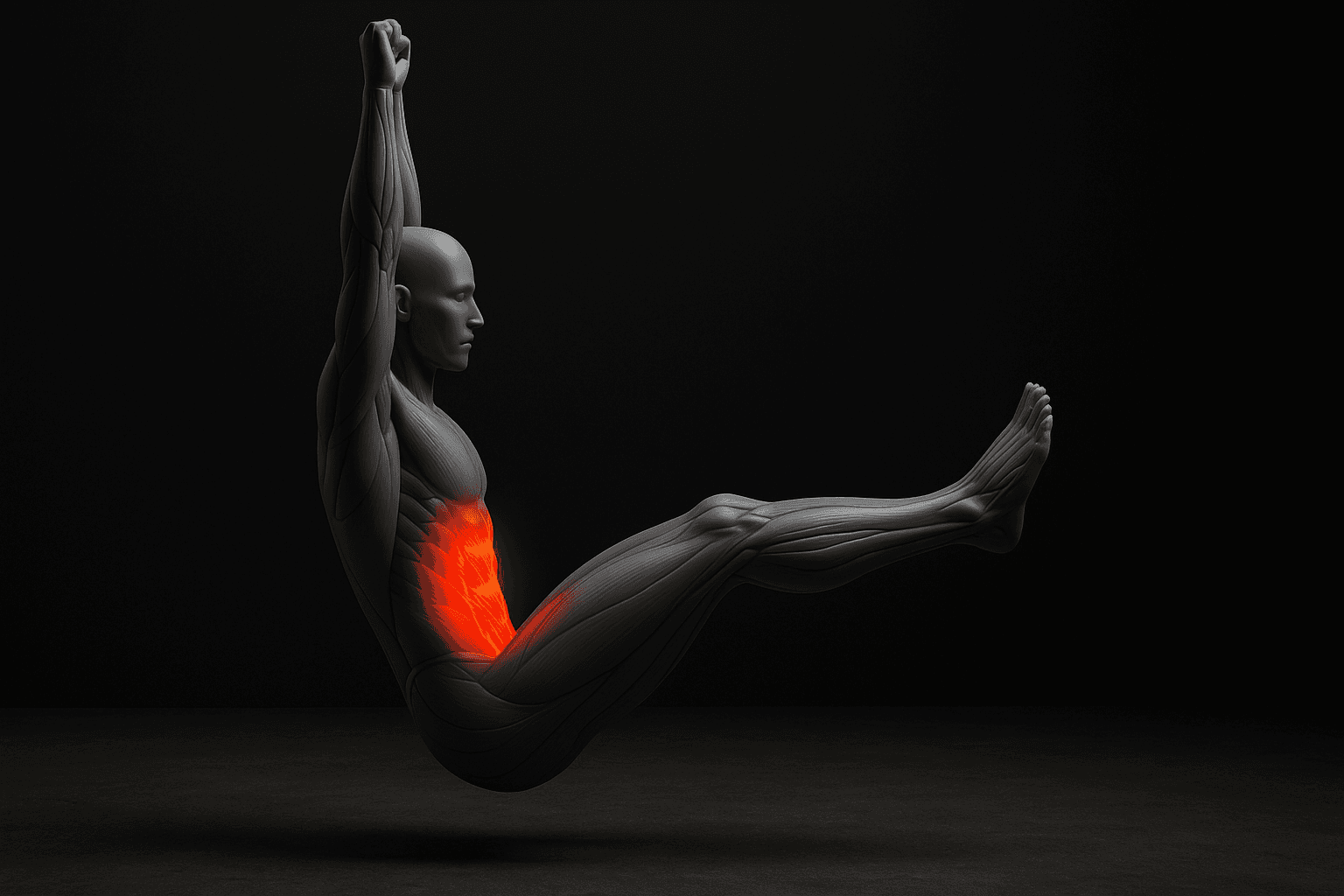
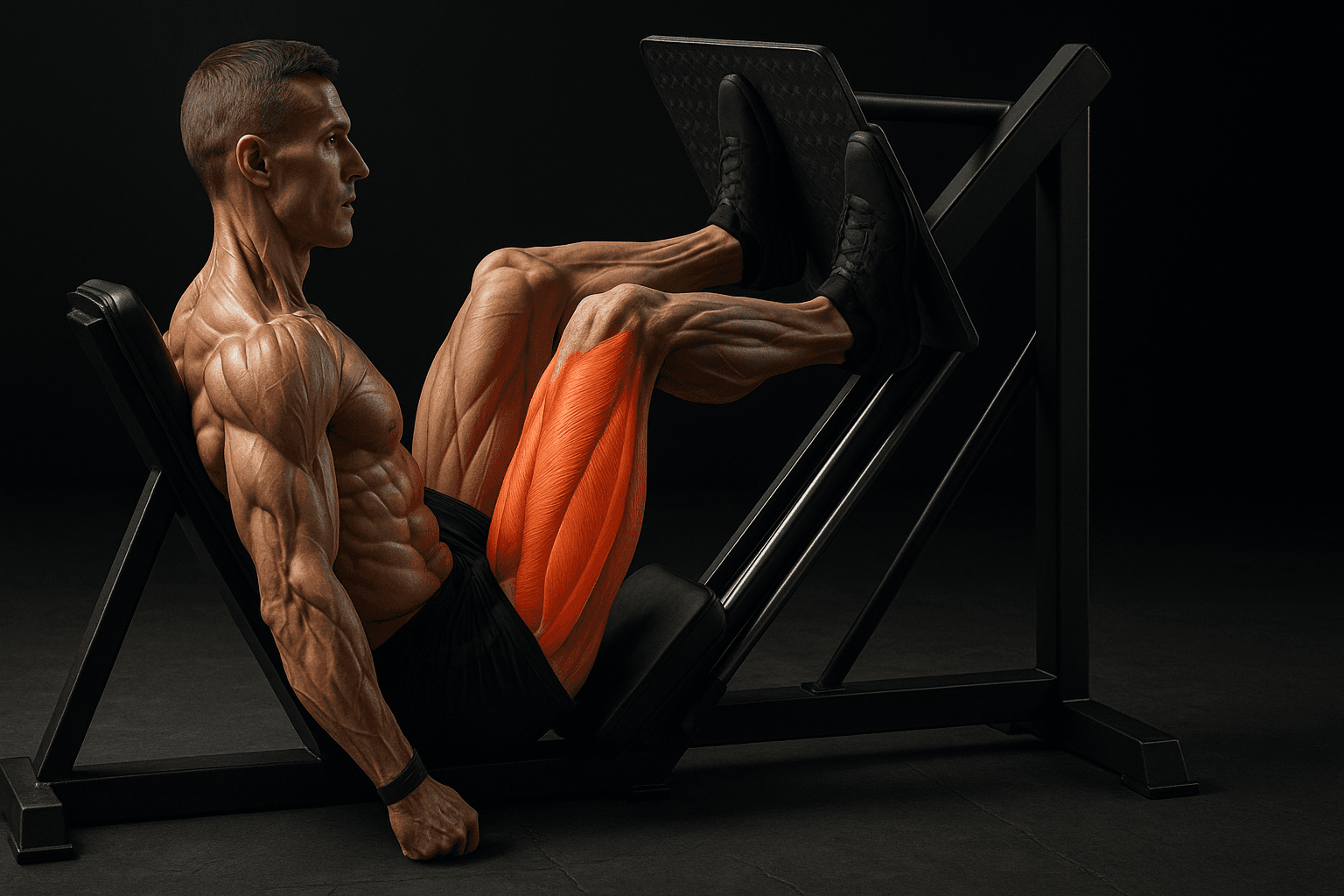
How Many Sets and Reps for the Glute Kickback?
Evidence-informed set, rep, and frequency ranges for glute kickbacks by goal (strength, hypertrophy, endurance). Progression rules, when to add weight vs reps, and safety notes.

Photo by RepBro.
Aim your glute kickback program to the goal: strength—3–5 sets of 3–6 reps; hypertrophy—3–6 sets of 8–15 reps; endurance—2–4 sets of 15–30 reps. Train the glutes 2–3 times per week, accumulate 6–20 weekly working sets depending on the goal, and progress by adding reps then load.
What set and rep ranges fit strength, hypertrophy, and endurance for glute kickbacks?
- Strength (accessory role): 3–5 sets of 3–6 reps per session, 2 sessions/week. Use heavy, controlled loading and stop 1–3 reps shy of failure (RPE 7–9).
- Hypertrophy: 3–6 sets of 8–15 reps per session, 2–3 sessions/week. Target a challenging load with most sets in the 6–15 rep range and work near technical failure (RPE 6–9).
- Endurance: 2–4 sets of 15–30 reps per session, 2–3 sessions/week. Use lighter loads, higher reps, and shorter rest to build muscular stamina.
These ranges reflect the broad sports-science consensus that muscle growth occurs across a wide rep spectrum when total volume and intensity are sufficient; choose the range that fits your other training priorities and overall weekly programming.
How many total sets per week should I do for my glutes?
- Strength-focused accessory: 6–12 weekly working sets per glute.
- Hypertrophy-focused: 10–20+ weekly working sets per glute (split across 2–3 sessions).
- Endurance/conditioning: 6–12 weekly working sets, higher rep bands.
For most lifters using kickbacks as an accessory, 8–16 weekly sets is a practical starting point. If glutes are your primary target, aim toward the upper part of these ranges and distribute volume across multiple sessions.
How should I progress week to week?
Use a simple, measurable progression strategy:
- Prioritize reps-first progression: add 1–2 reps per set each session while keeping technique and tempo consistent until you reach the top of the target rep range.
- Once you consistently hit the top rep for all sets across two sessions, add load (smallest practical jump — e.g., 1–2.5 kg / 2–5 lb) and drop back to the lower end of the rep range.
- If using higher-frequency training (3 sessions/week), you can rotate intensity: one heavier session, one moderate, one lighter/higher-rep.
- Add a set only after several weeks if reps and load have stalled, and ensure total weekly volume increases are modest (avoid sudden >15–20% jumps).
Sample week-to-week microprogression (hypertrophy example):
- Week 1: 3 sets x 10 reps
- Week 2: 3 sets x 11–12 reps
- Week 3: 3 sets x 12–13 reps
- Week 4: add 1.5–2.5 kg (or band tension), drop to 3 x 9–10 and repeat
When should I add weight versus add reps?
Add reps first when:
- You can complete all prescribed sets at the target reps with an RPE ≤7 for two consecutive sessions.
- Technique remains solid and tempo is maintained.
Add weight when:
- You have repeatedly reached the top of the rep range for all sets across two sessions.
- RPE is 6–8 at the top of the range and you want to maintain progression without extending rep ranges.
Reduce load or volume when:
- You cannot complete minimum reps for two consecutive sessions, or form breaks down under load.
- RPE consistently sits at 9–10 and recovery is impaired.
How should I set up tempo, rest, and cues for glute kickbacks?
- Tempo: controlled 1–2 second concentric (hip extension), 1–2 second eccentric. Avoid fast, jerky motions.
- Rest: for strength 2–3 minutes; for hypertrophy 60–90 seconds; for endurance 30–60 seconds.
- Cueing: focus on glute squeeze at full hip extension, stable torso, avoid lumbar hyperextension. Move the working leg in a straight path, or slightly outward if using a cable/banded line.
How do I combine kickbacks with bigger lifts?
Treat glute kickbacks as an accessory exercise. Prioritize compound hip-dominant lifts (hip thrusts, deadlifts) early in the session for strength and mass. Use kickbacks later for targeted hypertrophy, single-leg balance, or to address mind-muscle connection.
Comparison: Strength vs Hypertrophy vs Endurance (per session)
| Goal | Sets per session | Reps per set | Frequency per week | Typical RPE |
|---|---|---|---|---|
| Strength | 3–5 | 3–6 | 2 | 7–9 |
| Hypertrophy | 3–6 | 8–15 | 2–3 | 6–9 |
| Endurance | 2–4 | 15–30 | 2–3 | 5–8 |
What are clear technique and progress signals I should watch?
Good signs to progress: consistent rep increases, lower RPE at a given load, clear glute activation and minimal compensatory lumbar movement. Negative signs: hip hike, pelvic rotation, lumbar extension, or inability to complete minimum reps for two sessions.
Safety note
Stop exercise if you feel sharp or unusual pain. If you have persistent pain, recent surgery, or a diagnosed condition, consult a qualified professional before continuing. This guide does not diagnose or treat injuries.
What are the limitations of this guidance and what can’t apps or AI do?
This article summarizes evidence-consensus ranges and practical rules of thumb. It cannot see or correct your movement patterns, assess pain sources, or replace individualized clinical advice. No app or AI can fully replicate hands-on coaching for complex mobility or rehab issues. Results require consistent training, adequate nutrition, and recovery.
If you track sets, reps, and microprogressions, consider simple tools or apps like RepBro to log progress and spot trends, but use a qualified coach or clinician for technique or injury concerns.
Closing practical checklist
- Choose rep range by goal (strength 3–6, hypertrophy 8–15, endurance 15–30).
- Train glutes 2–3 times/week and accumulate 6–20 weekly working sets depending on priority.
- Progress reps first, then add small weight increases when you can complete top-range reps across sessions.
- Watch form: stop if lumbar extension, hip hike, or sharp pain appear.
Limitations (again)
This guidance is generalized—individual needs vary with training age, injury history, and overall program. For rehabilitation or persistent pain, consult a licensed professional.
Frequently asked questions
- How many reps and sets should I use for glute kickbacks if I want bigger glutes?
- For hypertrophy, aim for 3–6 sets of 8–15 reps per session, 2–3 sessions per week, yielding roughly 10–20 weekly working sets per glute. Use a challenging load that leaves you 1–3 reps shy of failure (RPE 7–9).
- Should I do heavy low-rep glute kickbacks to get stronger?
- For strength, treat kickbacks as an accessory: 3–5 sets of 3–6 reps at a heavier, controlled load, 2 sessions per week. Focus on solid technical execution and progressive overload, but prioritize compound hip-dominant lifts (deadlift/hip thrust) for maximal strength gains.
- Can I use high reps of kickbacks for glute endurance or conditioning?
- Yes. For muscular endurance, use 2–4 sets of 15–30 reps, 2–3 times per week. Keep tempo steady, pause short, and use a lighter load. High-rep work is useful for metabolic conditioning and muscular stamina but is less efficient for maximal strength.