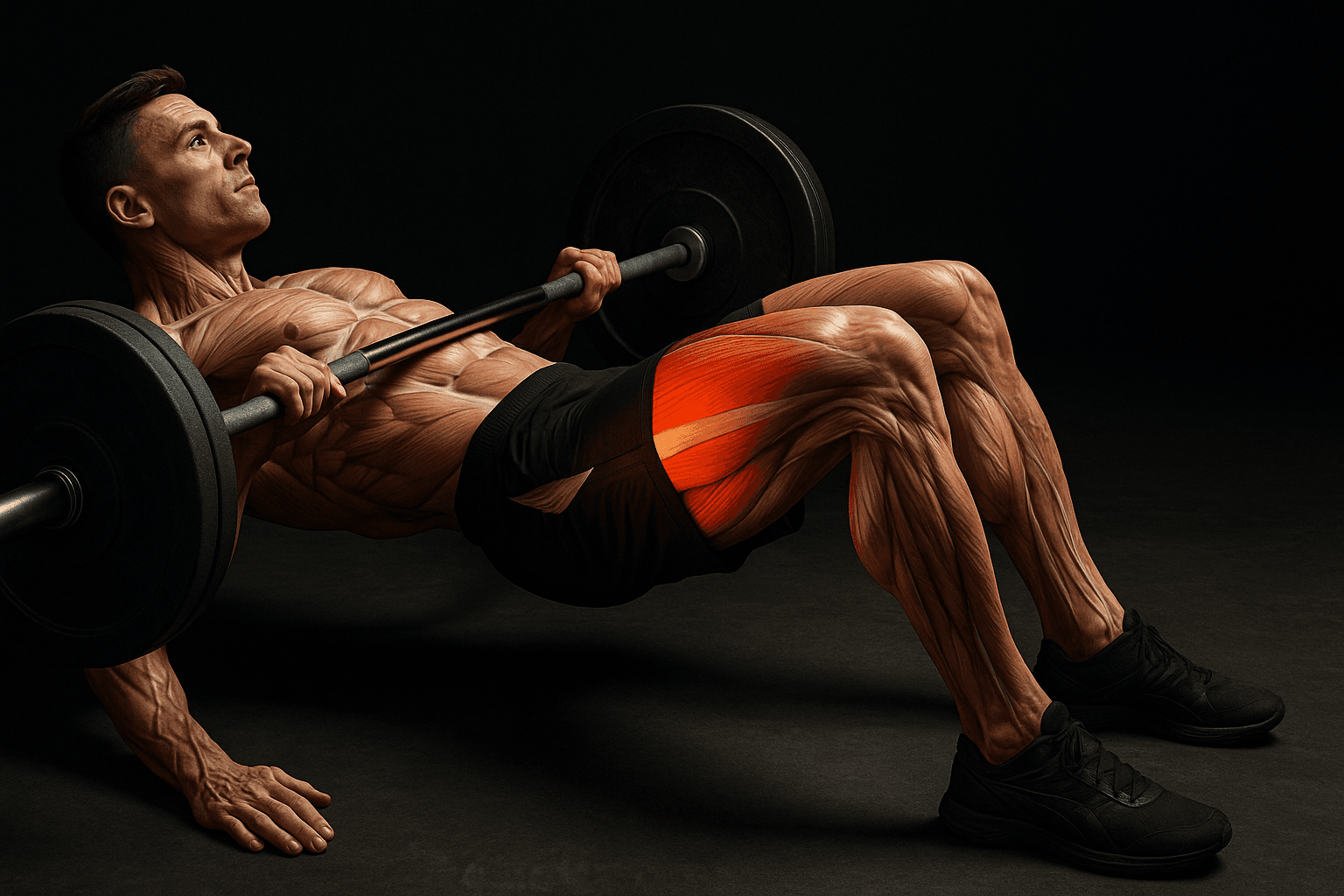
The Most Common Dumbbell Curl Mistakes (and How to Fix Them)
Fix the top dumbbell curl mistakes—swinging, too-heavy loads, elbow drift, short ROM, wrist bend, and fast eccentrics—with clear why/what-it-costs/how-to-fix advice.
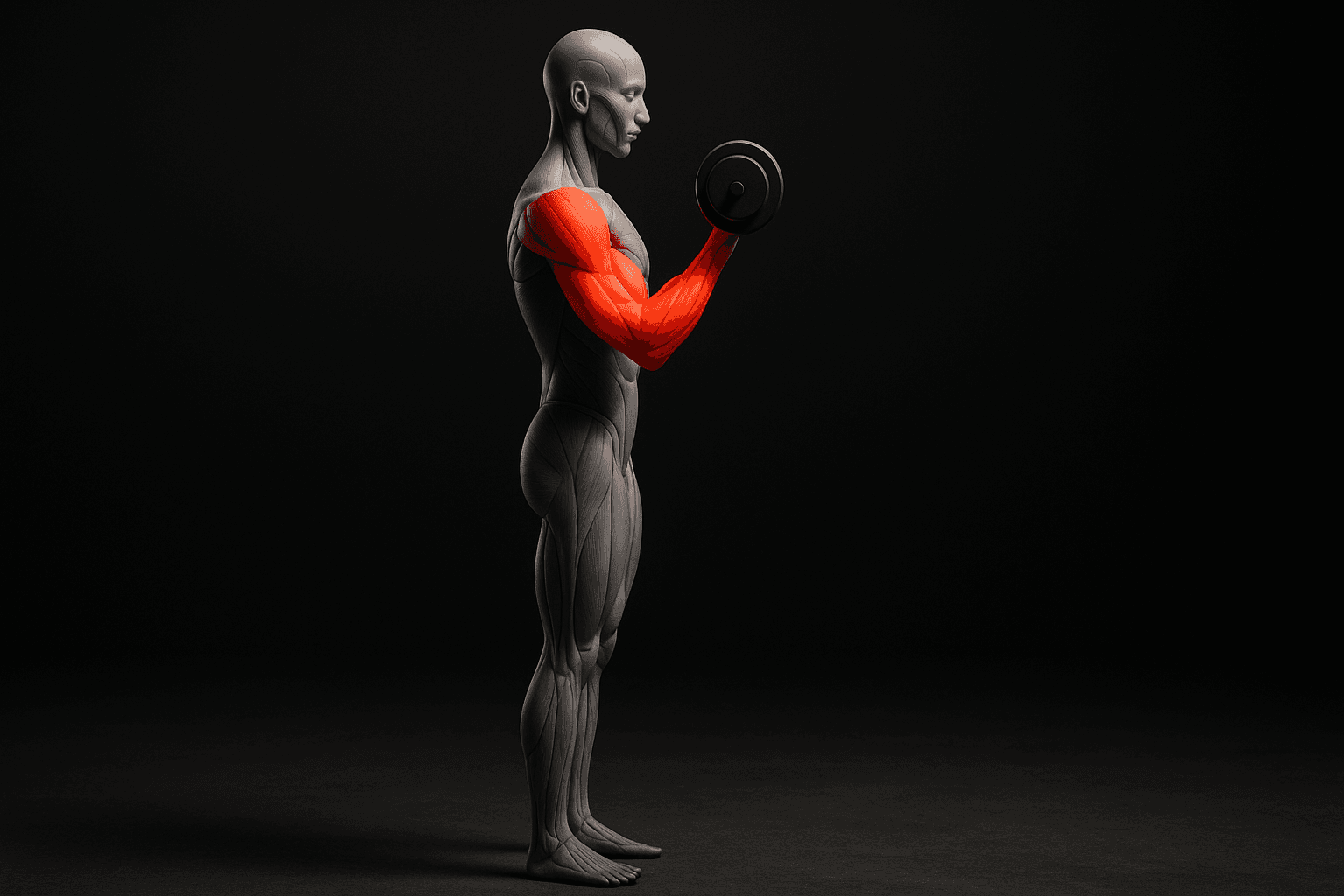
Photo by RepBro.
The most common dumbbell curl mistakes are: swinging the weights (using momentum), lifting a weight that's too heavy, letting the elbows move forward or flare out, using a short range of motion, bending the wrists, and rushing the eccentric (lowering) phase. Each costs you strength or size progress—or increases injury risk—and the fixes below are concrete and repeatable.
Why are people swinging the weights (cheating) during curls?
Why it happens: You pick a weight you can't control for 8–12 strict reps and instinctively recruit hips, torso, and momentum to finish the set.
What it costs: Swinging shifts load off the biceps to the shoulders and lower back and reduces time under tension, cutting the effective stimulus by a large margin and increasing lower-back strain.
How do I fix it? Use a weight you can control for 8–12 strict reps. If you’re swinging, drop the dumbbell load by 20–40% and perform 3 sets of 8–12 strict reps with a 1–0–2 tempo (1 second concentric, 0-second peak squeeze, 2 seconds eccentric). Add a 1–2 second isometric hold at the top for the last set.
Why do lifters pick too-heavy weights for curls?
Why it happens: Ego, poor progression planning, or copying numbers from others without regard for form.
What it costs: Using maximal loads on a single-joint movement drives compensations, stalls technique, and increases tendon stress—especially at the elbow and forearm.
How do I fix it? Use progressive overload with small jumps: increase weight only when you can complete 2 extra reps in 2 consecutive sessions with strict form. Track loads and reps (apps like RepBro help). If you miss strict form before rep 6, reduce the weight and focus on tempo for 4–6 weeks.
Why do elbows move forward or flare out during curls?
Why it happens: You unconsciously try to shorten the movement by bringing the elbow forward, or you externally rotate to make the curl easier.
What it costs: Elbow drift shortens the working range of the biceps and shifts stress toward the shoulders and forearms, reducing the intended biceps stimulus and increasing strain at the elbow joint.
How do I fix it? Anchor your elbows: perform seated curls with your back against a bench to prevent elbow travel, or stand with your upper arm lightly braced against your ribs. Pause for 1–2 seconds at the top and retrain the fixed-elbow pattern for 3 sets of 8–12 reps.
Why do people use a short range of motion (partial reps)?
Why it happens: Fatigue, attempting heavier loads, or aiming only for the peak contraction.
What it costs: Partial reps reduce muscle fiber recruitment across the full length of the biceps, limit strength gains through the full joint range, and encourage imbalances.
How do I fix it? Commit to full range: start each rep from a fully extended elbow and curl until the forearm touches the biceps (or as close as your anatomy allows) for the concentric. Perform 3 sets of 8–12 full ROM reps. For variety, include controlled partial reps only as a finisher (last set only).
Why do wrists bend during curls?
Why it happens: Grip weakness, poor cueing, or using a wrist-flexor-dominant path to lift the load.
What it costs: Wrist flexion reduces biceps loading and increases stress on wrist joints and forearm tendons, which can cause tendon irritation over time.
How do I fix it? Keep a neutral wrist: imagine pulling the dumbbell from the elbow instead of curling with the hand. Use a mirror and aim to keep wrists in line with forearms. If wrist control is weak, drop the weight by 10–30% and add 2–3 sets of 12–15 hammer curls per week to strengthen brachioradialis and grip.
Why do people rush the eccentric (lowering) phase?
Why it happens: Eccentrics are hard and boring; fast lowers let you finish sets quicker and lift heavier concentrics.
What it costs: Skipping controlled eccentrics reduces muscle damage and long-term growth stimulus—eccentric control is where much hypertrophic stimulus accumulates—and increases risk of momentum-driven technique breakdown.
How do I fix it? Slow the eccentric to 2–4 seconds on each rep. Use a 1–0–3 tempo (1 second up, no pause, 3 seconds down) for 3 sets of 8–12. If endurance is a problem, drop weight by 15–25% and build up tempo over 2–4 weeks.
How can I practice strict curls without sacrificing progression?
Why it happens: Lifters feel strict work is slower and less satisfying than heavy sets.
What it costs: You might gain numbers on the scale of the dumbbell, but not the targeted biceps strength or size, and you can accumulate tendon irritation.
How do I fix it? Program both strict and heavier variations: 2–3 sets of strict standing or seated dumbbell curls as primary work (8–12 reps, controlled tempo) and 1–2 sets of variation (incline curls, hammer curls, or slightly heavier cheat reps) as secondary or finisher work. Track your progress and only increase weight when you can hit the strict-set target for two straight sessions. If you use external tools to import programs, see RepBro’s plan import guide at https://www.repbro.app/import to keep your numbers organized.
Safety note: Stop any set if you feel sharp or unusual pain in the elbow, wrist, shoulder, or lower back. For persistent pain, consult a qualified clinician or coach—this article doesn’t diagnose conditions.
What should I remember?
Do fewer things wrong: choose the right weight, lock your elbows, use full range, keep neutral wrists, and control the eccentric—these five corrections will return most lost gains and reduce injury risk.
Honest takeaway: Fixing technique is the fastest way to make dumbbell curls safer and more effective without necessarily lifting heavier weights.
Frequently asked questions
- How heavy should my dumbbells be for curls?
- Choose a weight you can lift with strict form for 8–12 reps; if you must swing or use body momentum before rep 6, reduce the load by 20–40%.
- Should my elbows move during a curl?
- Elbows should stay roughly fixed at your sides; forward or outward drift transfers load away from the biceps and reduces effectiveness and safety.
- Is it bad to do partial curls?
- Occasional partials can target sticking points, but consistently using short range of motion cuts total muscle stimulus and slows progress.