Dip Alternatives at Home (Minimal Equipment)
Practical, evidence-aware alternatives to dips you can do at home with bodyweight, dumbbells, or bands. What each preserves, what it loses, and when to return to bars.
Photo by RepBro.
You can replicate most of a dip’s triceps and chest stimulus at home using push-up variations, bench dips, dumbbell close-grip presses/extension, and band triceps work. Each preserves different mechanical features; choose based on range of motion, loading ability, and shoulder health—get to a gym when you need heavy, specific dip training.
What are practical at-home alternatives to the dip with minimal equipment?
- Close-grip (diamond) push-ups
- What you preserve: Strong triceps emphasis and a vertical-to-horizontal press balance that still targets the chest and anterior deltoid.
- What you lose: The deep shoulder extension and strict vertical path of ring/parallel-bar dips.
- When adequate: For hypertrophy and general strength if you can add load (weighted vest, backpack) or progress to harder variations.
- Decline push-ups (feet elevated)
- Preserves: Greater shoulder and upper-chest loading, approaching the angle of dips if elevation is high.
- Loses: Freedom of downward range in a vertical rail dip; still a horizontal hand position.
- When adequate: When you want increased load on upper chest and shoulders without gym equipment.
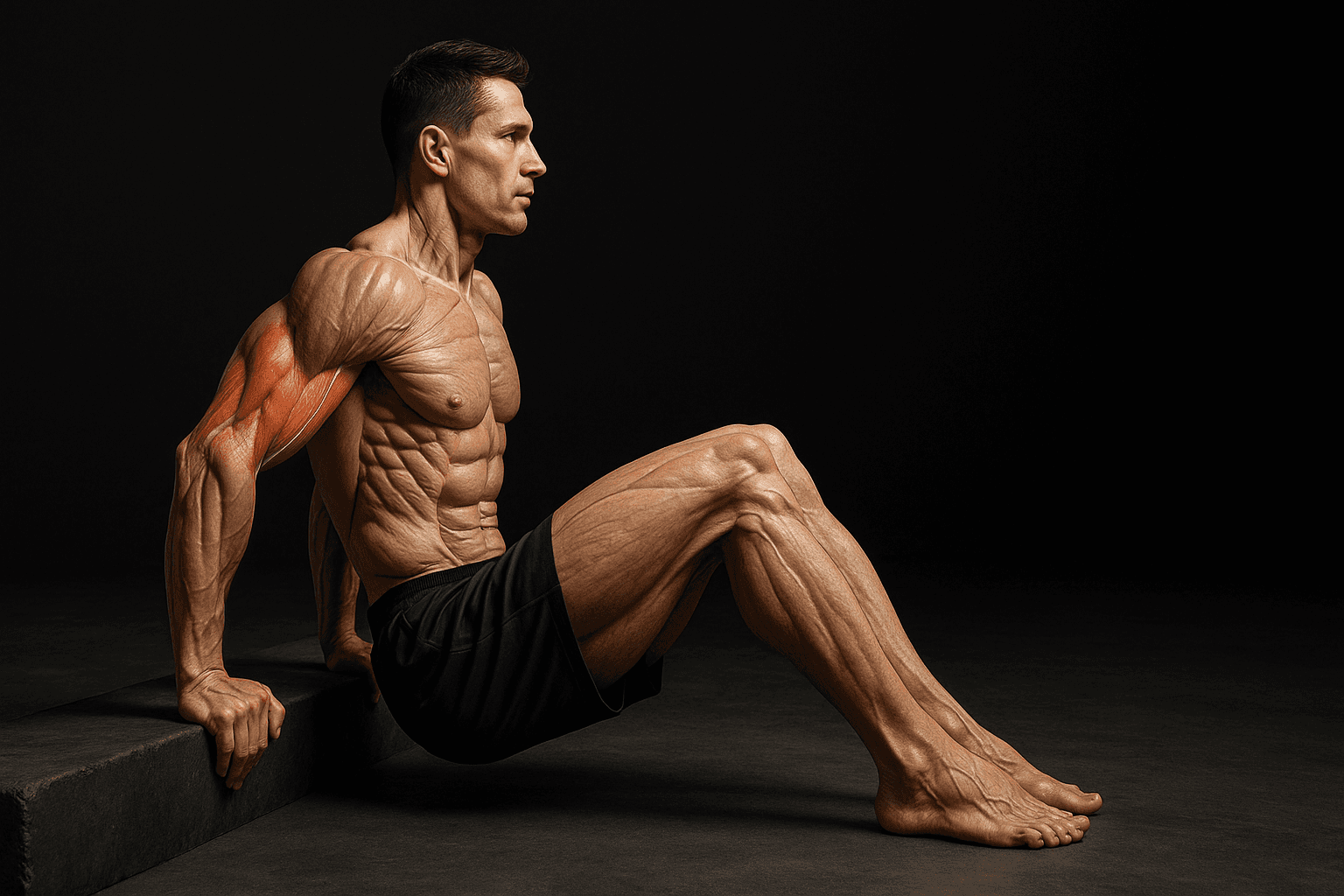
- Bench/chair dips (with controlled range)
- Preserves: Vertical-like elbow extension pattern and strong triceps recruitment.
- Loses: Bench dips can force excessive shoulder flexion if done with feet on floor and deep range—higher shoulder strain risk compared with bars.
- When adequate: When you need a simple triceps-focused movement; avoid deep range if you have shoulder issues.
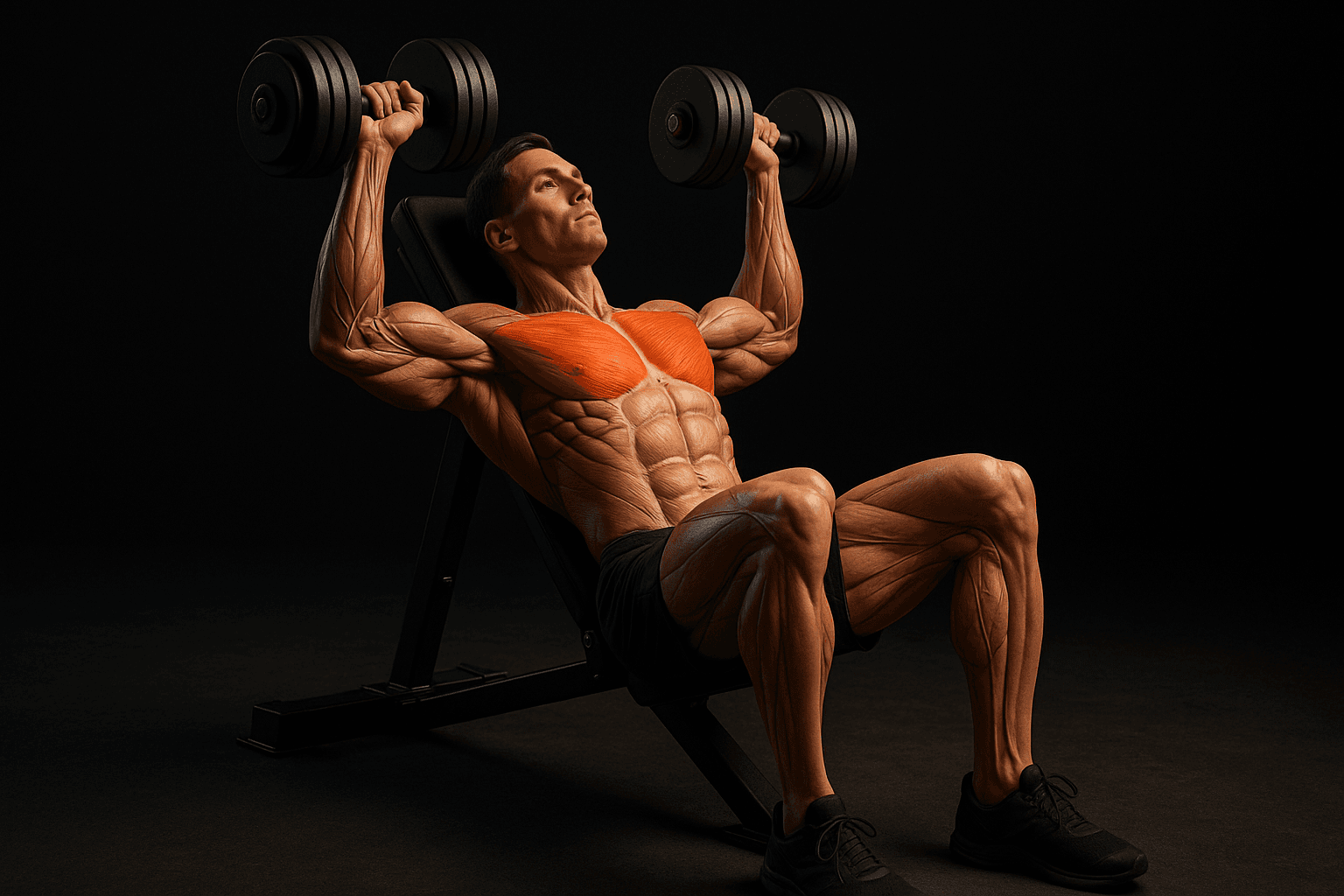
- Dumbbell close-grip floor press / dumbbell triceps extensions (lying)
- Preserves: High-load triceps stimulus, easy to progressively overload with dumbbells.
- Loses: Standing vertical thrust and full scapular mobility demands of dips.
- When adequate: When your priority is building triceps strength and adding load in a controlled, low-shoulder-stress position.
- Band triceps pushdown / overhead extension / band-assisted dips
- Preserves: Constant tension and feasible progressive overload by using thicker bands or changing hand position.
- Loses: Exact bar-dip biomechanics; band resistance curve differs from gravity but still stimulates triceps and shoulders.
- When adequate: When you lack heavy weights but can anchor a band safely; band-assisted dips are useful for practicing the dip pattern.
How do these alternatives compare to bar dips in key features?
| Exercise | Muscle emphasis | Range of motion | Loading potential at home | Shoulder stress/risk |
|---|---|---|---|---|
| Parallel-bar dip (benchmark) | Triceps + chest + ant delts | Deep vertical ROM | High in gym (weighted belts) | Moderate–high (depends on ROM) |
| Close-grip push-up | Triceps > chest | Limited by floor | Moderate (body + added load) | Lower than deep dips |
| Decline push-up | Upper chest + shoulders | Moderate | Moderate | Moderate |
| Bench/chair dip | Triceps-focused | Can be deep (risky) | Low–moderate | Higher if excessive depth |
| DB close-grip floor press | Triceps & pecs | Shorter ROM (floor) | High (dumbbells) | Low–moderate |
| Band triceps work | Triceps | Variable | Low–moderate (band strength) | Low (controlled) |
How should I progress these alternatives to match dip improvements?
- Frequency: train push muscles 2–3 times per week. This aligns with current resistance-training recommendations for growth and strength.
- Volume: accumulate weekly sets that reflect your goals (for hypertrophy, most lifters use multiple sets per exercise across sessions). Start conservatively and add sets if you recover well.
- Progression: use reps-first progression (add reps), then increase difficulty (elevate feet, use heavier bands, add external load). For dumbbells, increase weight when you can complete the upper bound of your rep range with good form.
- Specificity: if you plan to return to weighted dips, include band-assisted dips or slow negatives to train the exact range and position.
Which swaps are risky for shoulder health and how can I reduce risk?
- Avoid deep bench/chair dips that push the humerus far behind the body—this increases anterior shoulder stress.
- When doing any pressing with loaded shoulders, maintain controlled tempo and full scapular control. If you feel sharp anterior shoulder pain, stop and consult a qualified professional.
- Prefer floor presses, triceps extensions, and push-ups with full scapular control if you have current shoulder pain.
When is it time to go to a gym for actual dips?
Go to a gym if any of these apply:
- Your goal is maximal dip-specific strength with heavy weighted dips.
- You need stable parallel bars for safe progression (dip belt, chained loading).
- You’re not progressing with home overload options despite consistent training and good recovery.
- You need in-person coaching for technique or persistent shoulder issues.
What should I watch for to make these alternatives effective?
- Prioritize progressive overload: more reps, more sets, more resistance, or harder variation over time.
- Use controlled tempo and full muscle tension; don’t rely on momentum to hit reps.
- Track load and reps—apps can help log progress but cannot replace coaching. (If you track metrics, consider using RepBro to log reps and load.)
What safety advice should I follow?
Stop if you feel sharp or shooting pain; mild muscle soreness is normal but not acute joint pain. Warm up the shoulders with light movement and band work before heavier sets. Never force range of motion that causes discomfort. For recurring pain or injury history, consult a qualified healthcare or rehab professional before progressing.
What can't apps or AI do for dip training? (Limitations)
- No app or AI can reliably see or correct your real-time form across all angles—video review from a coach is different from automated feedback.
- Apps cannot diagnose injuries or replace a clinician for rehab; persistent pain needs assessment by a qualified professional.
- A plan is only useful if you follow it consistently; adherence and recovery matter more than the app chosen.
- Programming needs individualization: apps often use generic templates that may not account for your movement limitations, recovery capacity, or goals.
Final note: these alternatives let you maintain and build triceps and chest strength at home. Choose the option that matches your pain history, equipment, and long-term goals; add band-assisted or negative dips to keep dip-specific skills if you intend to return to parallel bars.
Safety reminder: This article is informational. It does not replace medical or personalized professional advice. Stop on sharp pain and consult a qualified professional for injuries.
Frequently asked questions
- Can push-up variations replace dips for triceps and chest development?
- Yes. Close-grip and decline push-ups keep a similar triceps and chest stimulus and can be loaded or progressed to produce similar hypertrophy and strength adaptations. They reduce the vertical load and range of shoulder extension compared with dips, so heavy weighted dips will eventually outperform them for maximal dip-specific strength.
- How often should I train dip alternatives each week?
- Train pushing muscles 2–3 times per week, matching general sports-science guidance for resistance training frequency. Use progressive overload across sessions (add reps, load, or difficulty). Adjust volume to recovery: multiple short sessions are usually better than one extremely long workout.
- When should I stop using home alternatives and go to a gym for dips?
- Switch when your goal requires very heavy, specific dip strength or full-range dips with added load and stable parallel bars. Also consider a gym if you stall despite progressive loading and solid technique, or if you need supervised coaching for shoulder pain or advanced programming.