How Many Sets and Reps for the Bench Dip?
Practical, evidence-aware set/rep/frequency ranges for the bench dip by goal (strength, hypertrophy, endurance), weekly progression rules, and clear signals for when to add weight versus reps.

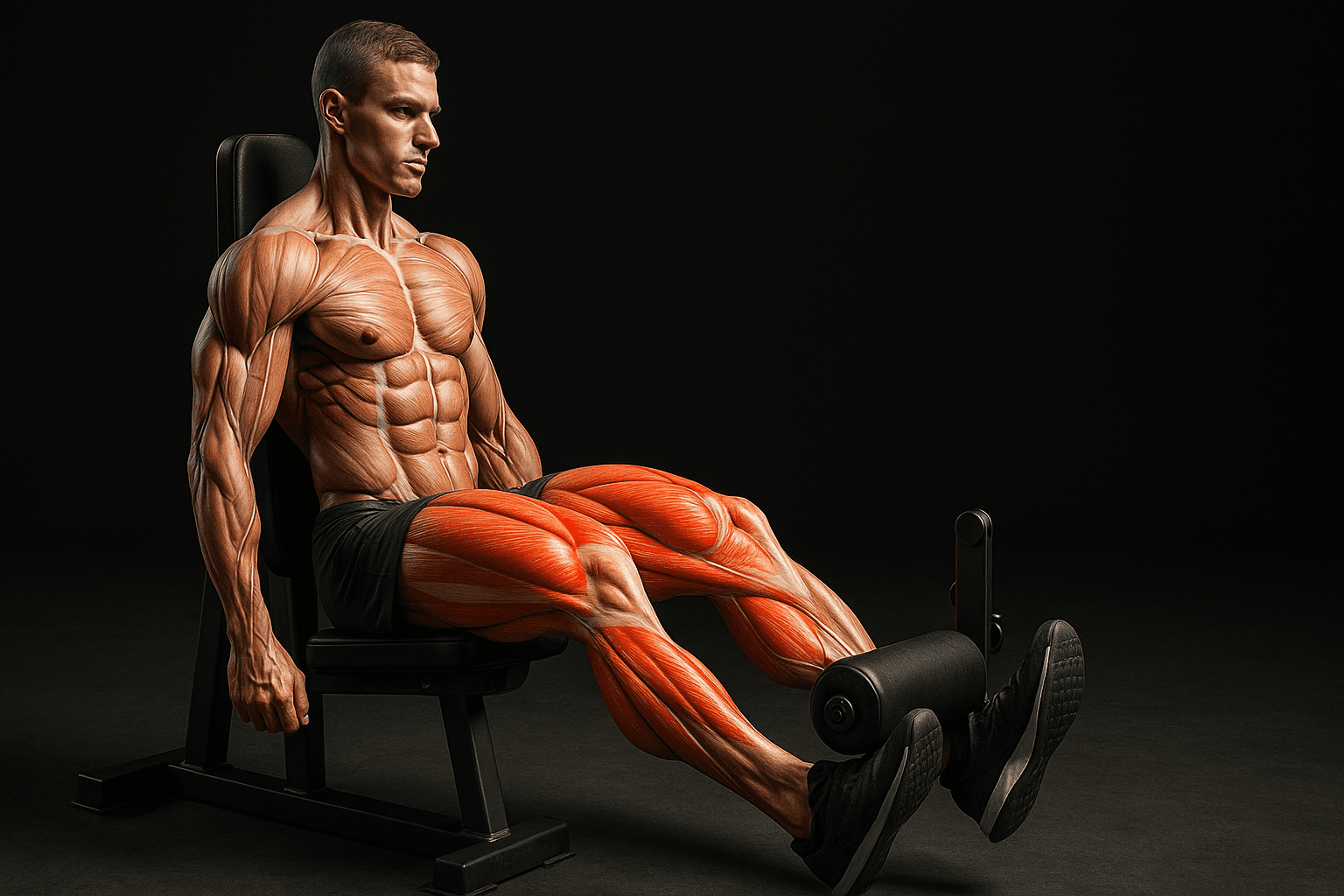
Photo by RepBro.
For bench dips, aim per session for 3–6 sets of 3–6 reps (strength with added weight), 3–6 sets of 6–12 reps (hypertrophy), or 2–4 sets of 15–25+ reps (endurance), training the movement 2–3 times per week and progressing by reps first, then load.
What are reasonable sets and reps for the bench dip by training goal?
Below are practical ranges that reflect common sport-science guidance for intensity, volume, and frequency. The bench dip is often bodyweight-dominant; apply these ranges relative to your available resistance.
-
Strength (neural/maximum force): 3–6 sets of 3–6 reps per session. Use added external load (weighted vest, plate on lap) to reach this low-rep range. Train the movement 2–3 times per week if it’s a primary strength focus.
-
Hypertrophy (muscle size): 3–6 sets of 6–12 reps per session. Across all pressing/triceps exercises, aim for roughly 10–20 sets per muscle group per week. Spread volume across 2–3 sessions.
-
Muscular endurance/metabolic conditioning: 2–4 sets of 15–25+ reps per session. Keep intensity lower (RPE 6–8) and focus on tempo and minimal rest.
How should bench dip frequency fit into my weekly plan?
Consensus recommendations for resistance training frequency put most muscle groups at 2–3 sessions per week for good progress. If bench dips are a secondary accessory, 1–2 sessions is fine; if primary for triceps strength or hypertrophy, do 2–3 sessions and distribute weekly sets evenly.
How do I progress week-to-week with bench dips?
Use a simple, evidence-aligned progression hierarchy:
- Increase reps per set within the target range. Add 1–2 reps per set per workout or across workouts as long as quality stays high.
- Once you can perform the top of the rep range for all sets for two consecutive sessions, add external load (small increments). For bench dips, add 2.5–5 kg (5–10 lb) total if possible.
- After adding load, drop back to the lower end of the rep range and repeat.
Example progression for hypertrophy (6–12): Week 1: 3x8, Week 2: 3x9, Week 3: 3x10, Week 4: 3x12, Week 5: add 2.5 kg and do 3x6–8.
Deload guidance: after 4–8 weeks of training focused on progressive overload, schedule a lighter week (reduce volume 30–50% or reduce intensity) to aid recovery.
When should I add weight versus add reps?
Clear, actionable signals:
- Add reps first: If you can complete all prescribed sets and reps with RPE ≤ 7–8 and maintain form, add 1–2 reps per set in the next session.
- Add weight when reps plateau: If you can hit the top rep for every set for two sessions in a row, add a small weight increment and return to the lower rep range.
- De-load or regress when failing: If you cannot hit the minimum reps for two consecutive sessions and RPE is high (8–9+), reduce load, reduce set count, or increase rest.
Practical rule: once you exceed the top of your prescribed rep range by approximately 2 reps across most sets, it's time to add external load.
How many total bench dip sets per week should I do?
Treat bench dips as one of several triceps/pressing tools. For hypertrophy, aim for ~10–20 total weekly sets for the triceps and pressing muscles combined. If bench dips are your main triceps exercise, they might take up 6–12 of those sets per week, divided across 2–3 sessions.
Comparison: sets/reps/frequency by goal
| Goal | Sets per session | Reps per set | Sessions per week |
|---|---|---|---|
| Strength | 3–6 | 3–6 (weighted) | 2–3 |
| Hypertrophy | 3–6 | 6–12 | 2–3 |
| Endurance | 2–4 | 15–25+ | 1–3 |
How to apply this to the bench dip specifically
- If you are unweighted and can do 20–30 reps easily, switch to weighted bench dips or a different dip variation to hit strength/hypertrophy ranges.
- Use small, consistent load jumps (2.5–5 kg / 5–10 lb) for bench dips; larger jumps can derail technique.
- Prioritize shoulder position and elbow path to reduce joint stress. If bench dips cause discomfort in the anterior shoulder, choose alternative triceps exercises.
Safety note: stop any set if you feel sharp pain in the shoulder, elbow, or chest. Consult a qualified professional for persistent pain, pre-existing injuries, or rehab guidance. This article does not diagnose conditions or guarantee injury prevention.
What are clear progress signals (summary)?
- Add reps: consistent completion of top rep target with low–moderate effort for two sessions.
- Add weight: top rep target achieved across sets for two sessions; increase load and reset reps.
- Regress: failing minimum reps across two sessions or high, persistent joint pain.
You can track these rules with a training log or an app (for example, RepBro) to record reps, sets, RPE, and load.
Limitations — what this guide and apps can’t do
- No app or article can see or fix your form in real time; only a trained coach or physical therapist can give individualized movement corrections.
- This advice does not replace medical care. If you have injuries, joint instability, or are rehabbing, consult a qualified professional before loading bench dips.
- Consistency, programming context (nutrition, sleep, other lifts), and long-term adherence determine results more than any single set/rep scheme.
If you use the rules above—targeted sets/reps per goal, progressive reps then load, and clear add/regress signals—you’ll have an evidence-informed framework to program bench dips into most training plans.
Frequently asked questions
- How many bench dip reps should I do for muscle growth?
- Aim for 3–6 sets of 6–12 reps per session for hypertrophy, performed 2–3 times per week per muscle group. Accumulate roughly 10–20 weekly sets for the triceps/pressing muscles across exercises; use progressive overload (more reps, then added load) over weeks.
- When should I stop increasing reps and add weight on bench dips?
- If you can complete all sets at the top of your rep range comfortably for two consecutive sessions, add small external load (2.5–5 kg / 5–10 lb). If reps are inconsistent or you fail minimum reps for two sessions, reduce load or volume instead.
- How often should I train bench dips each week?
- Train bench dips 2–3 times per week if they’re a primary triceps or pressing exercise. Frequency should fit total weekly volume (target 10–20 sets/week for hypertrophy); split sets across sessions to allow quality reps and recovery.