Bench Dip: Muscles Worked and Practical Alternatives
Clear, evidence-aware breakdown of which muscles bench dips train, where they belong in a program, safety issues, and 4 practical alternatives with when to choose each.
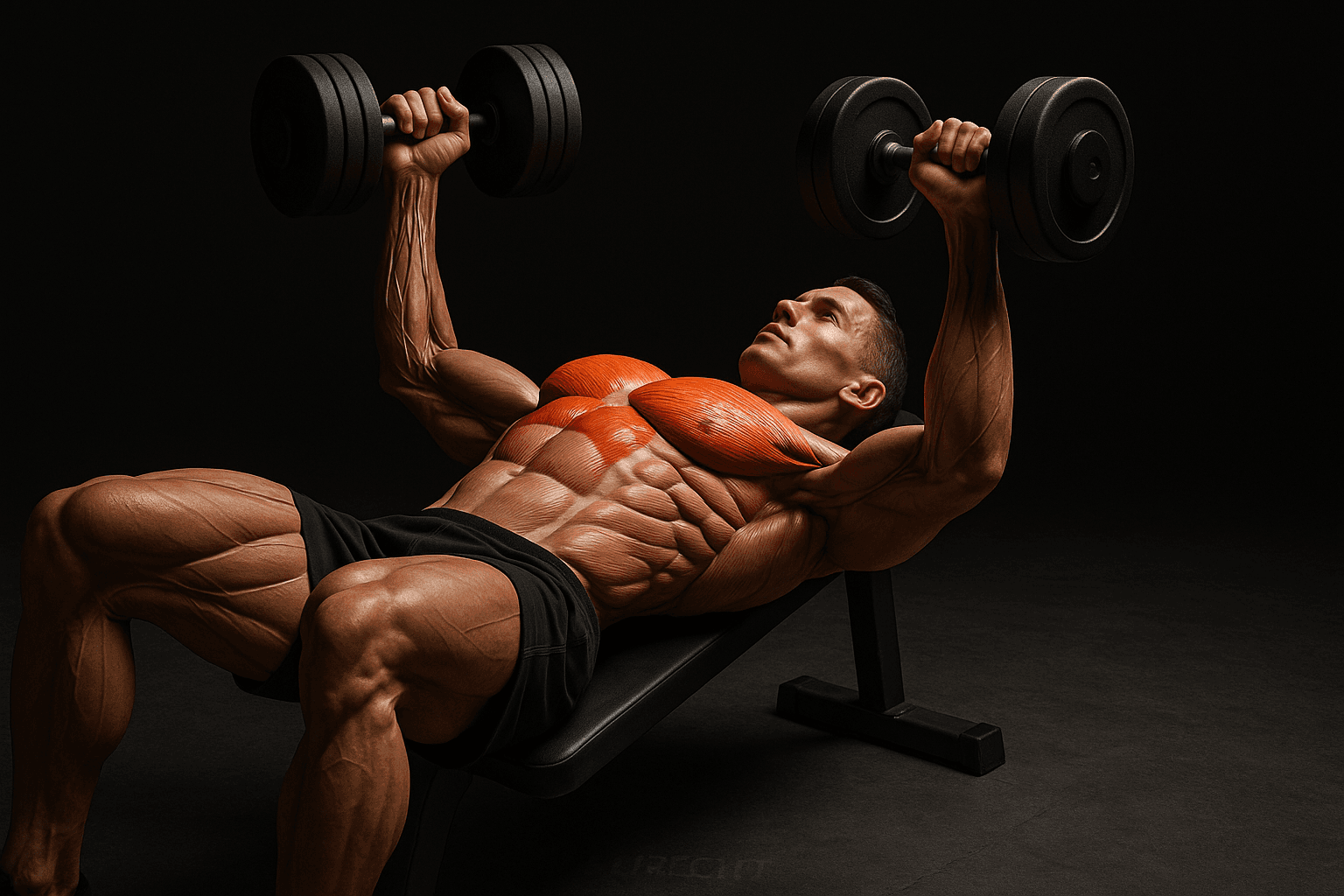
Photo by RepBro.
Bench dips primarily train the triceps brachii, with the lower chest (sternal pectoralis major) and anterior deltoid as secondary movers; load and torso angle change emphases. They’re an accessory pressing movement—use them for extra triceps volume or when parallel bars aren’t available, but watch shoulder position.
Which muscles does the bench dip train?
Primary:
- Triceps brachii (all heads) — the main driver in elbow extension during the dip movement.
Secondary:
- Pectoralis major (greater sternal/lower portion when torso leans forward).
- Anterior deltoid (shoulder flexion/forward support).
- Scapular stabilizers (serratus anterior, lower trapezius) to a lesser degree.
Explanation: the bench dip is an assisted, less stable variant of a dip that biases elbow extension. Torso angle and elbow flare change how much the chest contributes; a more upright torso emphasizes triceps, while leaning forward increases pec recruitment.
Where should bench dips fit in a training program?
- Role: accessory/triceps-finisher exercise. They are useful for extra triceps volume after heavy pressing (bench/overhead press) rather than as a primary heavy compound press replacement.
- Order: place them after heavier compound horizontal or vertical pressing, or on arm/triceps-focused days.
- Frequency: most training guidelines recommend training a muscle group multiple times per week for effective progress; place bench dips in a program so triceps overall are stressed 2–3 times per week depending on total volume and recovery.
- Volume and intensity: use bench dips for moderate-to-high reps if bodyweight-only, or moderate reps with added load. Monitor shoulder comfort and avoid excessive volume if other pressing work is intense.
How should I perform bench dips and what are the key safety cues?
Technique cues:
- Set hands on a bench or chair behind you, fingers pointing forward.
- Keep shoulders depressed (don’t shrug), chest slightly lifted, and elbows tracking back rather than flaring fully outward.
- Lower under control until you reach a comfortable depth; do not force deep shoulder hyperextension.
- Press back up by extending the elbows, keeping the torso stable.
Safety note: stop if you feel sharp anterior shoulder or chest pain. Bench dips place the shoulder in an extended, internally rotated position that can aggravate impingement or anterior instability. If you have shoulder issues, consult a qualified professional before performing deep or loaded bench dips.
What are solid alternatives and when should I pick each?
Below are practical alternatives with guidance on when they’re appropriate (equipment limits, injuries, plateaus).
| Exercise | Equipment | Primary muscles | Shoulder stress | When to pick it |
|---|---|---|---|---|
| Parallel-bar (straight-bar) dips | Dip station or rings | Triceps, chest, anterior deltoid | Medium–high | When you can control bodyweight and want a progression from bench dips; good for adding load and increased range of motion. |
| Close-grip bench press | Barbell and bench | Triceps, pecs | Medium | When you have access to gym equipment and want a heavier, safer pressing variation that loads triceps with more spine support. |
| Diamond or close-grip push-up | None or elevated surface | Triceps, pecs | Low–medium | When equipment is limited or you have mild shoulder sensitivity; easy to regress/progress by changing foot elevation. |
| Cable/rope triceps pushdown or overhead extension | Cable machine/dumbbell | Triceps (lateral/long heads targeted by variation) | Low | When shoulder range or pain limits dips, or when precise loading for hypertrophy is desired. |
When to choose each:
- Pick parallel-bar dips if you can maintain good shoulder mechanics and you need a direct, higher-load progression after bench dips.
- Choose close-grip bench press to train triceps under heavier load while maintaining spinal support and safer shoulder angles.
- Use diamond/close-grip push-ups when equipment is limited or during rehab/prehab phases; they’re easy to scale.
- Use cable/rope triceps work if you need to isolate the triceps, reduce shoulder stress, or manage volume precisely.
How should I progress bench dips without increasing injury risk?
- Gradual load increase: move from feet-on-floor to feet-elevated to adding a weight plate on the lap, or progress to parallel-bar dips.
- Manage total pressing volume: when adding bench dips, reduce other triceps-heavy volume to avoid overuse.
- Prioritize technique and stop short of painful end-range shoulder extension.
What are common mistakes and how do they affect muscles and injury risk?
- Going too deep: increases anterior shoulder stress without extra triceps benefit for many people.
- Flaring elbows excessively: shifts stress to the glenohumeral joint and pecs, increasing impingement risk.
- Excessive forward lean without control: can create shearing forces in the shoulder.
What can’t apps or AI coaching do for you?
- See and correct your real-time form; no app or AI can replace a trained coach or clinician for movement assessment.
- Diagnose injuries or provide medical treatment; consult a qualified healthcare professional for pain or structural issues.
- Replace adherence: even a well-designed plan only works if you follow it consistently.
Limitations: this article summarizes common exercise science and coaching consensus but does not replace individualized assessment. If you have a current shoulder injury, instability, or pain during dips, seek in-person evaluation before continuing. Apps and AI can help log sets and progression, but they cannot watch your joints, feel your pain, or provide manual therapy.
Safety reminder: stop any exercise that produces sharp or worsening pain. Never rely on online information to self-diagnose injuries. If you track loads and progress, apps such as RepBro can help record sets and weights, but they do not replace professional coaching or clinical assessment.
References and further reading: consult standard resistance-training position stands and your local qualified strength coach or physiotherapist for programming and rehab guidance.
Frequently asked questions
- Do bench dips mainly work triceps or chest?
- Bench dips primarily target the triceps brachii. The lower portion of the chest (sternal pectoralis major) and anterior deltoid act as secondary movers; their involvement increases as your torso leans forward. Form and elbow/torso angles change the emphasis between triceps and chest.
- Are bench dips safe for people with shoulder pain?
- Bench dips place the shoulder in an extended, internally rotated position that can irritate the anterior shoulder and pec–shoulder complex. If you have current shoulder pain or prior instability, avoid deep range bench dips and consult a qualified clinician before loading the movement.
- How should I progress bench dips if they become easy?
- Progress by increasing mechanical load (elevating feet, adding a weight plate on the lap, or switching to parallel-bar dips) and by managing volume and frequency within your program. Prioritize gradual overload and stop if you experience sharp anterior shoulder pain.