Why Am I Weaker Some Days? The Real Reasons
Straight answers about day-to-day strength swings: sleep, nutrition, neuromuscular fatigue, illness, and how to diagnose and respond practically.
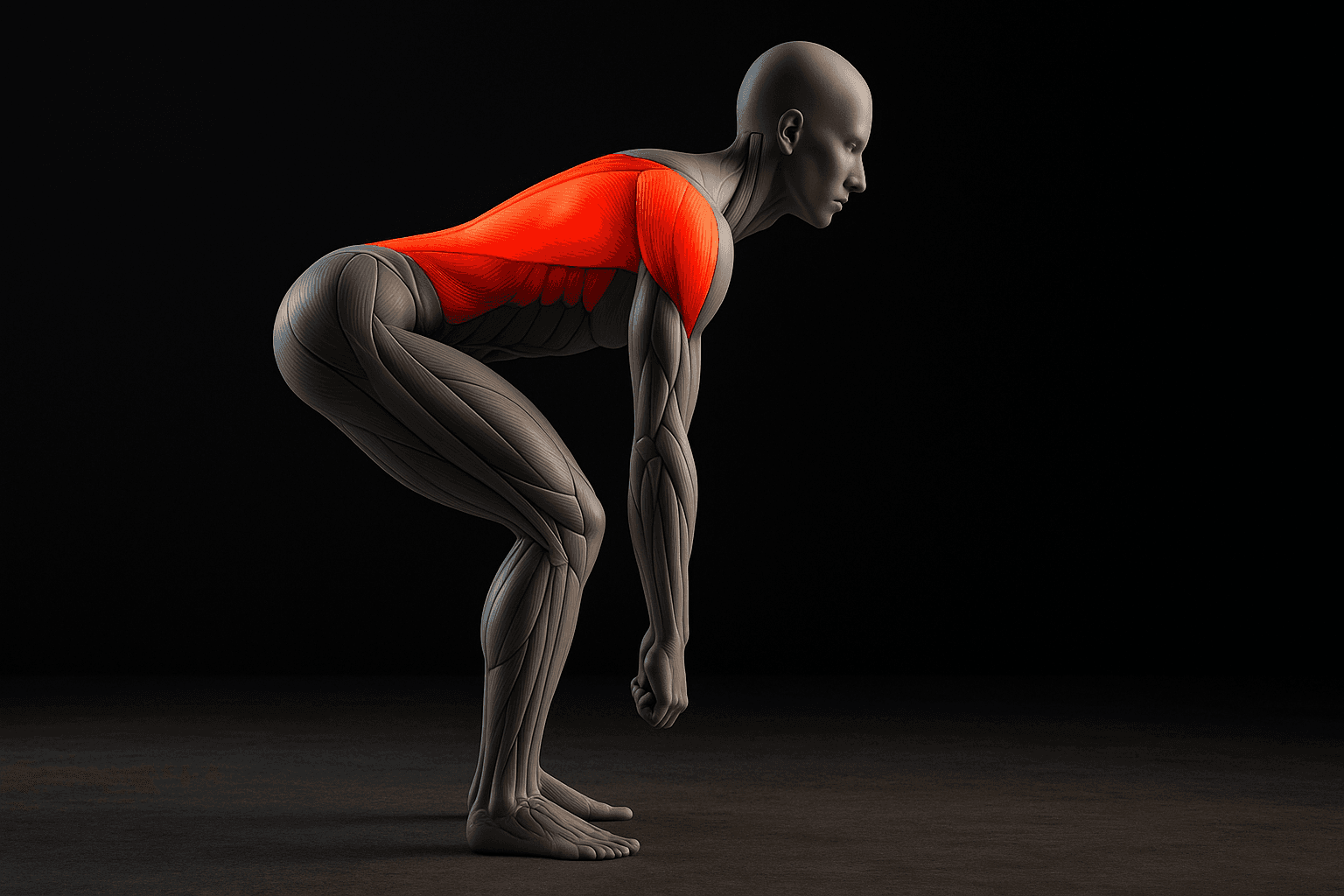
Photo by RepBro.
Why am I weaker some days? Short answer (direct):
Day-to-day strength differences are normal and usually come from three things: acute neuromuscular fatigue from recent training, short-term energy/hydration status (sleep, carbs, caffeine, hydration), and temporary illness or stress. Persistent or large drops over several days suggest under-recovery or medical issues.
What immediate factors make me feel weaker today?
- Sleep: Most adults perform better with 7–9 hours of sleep. Even one poor night commonly reduces maximal strength, focus, and explosive power.
- Nutrition and glycogen: Low carbohydrate availability or long fasting before a session lowers the energy available for maximal lifts. A normal pre-workout meal or snack in the hours before training helps.
- Hydration: Losing body water from sweating reduces strength and focus. Rehydrating before training matters, especially after heavy sweating.
- Caffeine and stimulants: Caffeine often increases perceived and actual strength for many people; if you usually use it and skip it, you may feel weaker.
- Warm-up and readiness: Poor warm-up, cold muscles, or skipping practice sets reduces neuromuscular activation and can cut your immediate lifting numbers.
- Stress and mood: Acute psychological stress, low motivation, or anxiety can lower voluntary drive and coordination.
Could recent training make me weaker today?
Yes. Heavy or high-volume sessions produce neuromuscular fatigue that can linger 24–72+ hours. If you trained a muscle hard yesterday (or several days in a row), your maximal lifts for that muscle group can be measurably lower. Two important concepts:
- Residual fatigue: After a very heavy day, strength may be depressed for a day or more while the body repairs and replenishes.
- Overreaching vs recovery: Planned short-term increases in volume/intensity (functional overreaching) can temporarily lower performance but should recover with rest. Unplanned chronic under-recovery (nonfunctional overreaching) causes prolonged drops in strength and requires reduced training load and more rest.
Practical rule: if your last heavy session was within 24–72 hours and you feel sluggish, either reduce load or prioritize a different muscle group or technique work.
How do I tell a normal bad day apart from something serious?
Look at duration and signs:
| Cause | Typical signs | Typical duration | What to do |
|---|---|---|---|
| Acute poor sleep/nutrition | Tiredness, low focus, some strength loss | 1 day | Rehydrate, eat carbs + protein, nap if possible, warm up well |
| Residual training fatigue | Local soreness, slower bar speed, reduced reps | 1–3 days commonly | Reduce intensity/volume; prioritize recovery, active recovery sessions |
| Illness or infection | Fever, sore throat, widespread weakness, high resting HR | Several days to weeks | Rest, medical advice; don't train hard |
| Chronic under-recovery/overreaching | Ongoing poor performance, mood changes, sleep issues | Weeks | Reduce weekly volume, consider supervised deload and medical check if needed |
Small, single-digit percentage drops in daily performance are common; persistent larger declines need attention.
What practical steps fix a weak training day right now?
- Warm up thoroughly: 10–20 minutes including mobility, progressive sets at ~50–80% of working weight, and explosive prep if needed. Often this restores much strength.
- Refeed and hydrate: a meal or snack with carbs + protein 1–3 hours before training, or a small carb-rich snack 30–60 minutes prior, and fluid with electrolytes if you were sweating earlier.
- Use autoregulation: reduce weight by 5–15% and aim for technical quality and target reps, or keep weight but stop 1–2 reps shy of failure. Swap top sets for technique or tempo work if strength is low.
- Use caffeine if it’s part of your routine and you tolerate it. A usual pre-workout cup of coffee often restores perceived readiness.
When should I adjust programming instead of pushing through?
- If weakness persists across multiple sessions for the same lifts or muscle groups, reduce weekly volume (fewer sets) and/or intensity for a week.
- Plan regular lighter weeks: many coaches cycle a reduced week every 4–12 weeks. During a lighter week, cut total volume by roughly half or reduce intensity while keeping frequency.
- Track objective and subjective markers: training log numbers, RPE, sleep, resting heart rate, and mood. If several markers worsen, prioritize rest.
Suggested weekly targets (practical numbers): aim for 10–20 working sets per major muscle group per week spread over 2–3 sessions. If you're consistently failing lifts late in the week, cut weekly sets by 10–30% for a recovery phase.
Can hormones, medications, or the menstrual cycle affect strength?
Yes. Illness, certain medications, and hormonal fluctuations can change energy, fluid balance, and neuromuscular function. For people who menstruate, some experience small changes in performance across the cycle. If you notice regular patterns linked to medication or the menstrual cycle, plan heavier sessions for your stronger days where possible.
How should I track and measure these weak days?
Keep a simple training log with: date, main lifts and loads, reps, RPE, sleep hours, pre-workout food, and subjective stress. Over weeks, patterns appear. If you use an app to track sets, timelines, and RPE, you can spot trends (RepBro or similar tools can record these metrics), but interpreting unusual or painful drops may need a coach or clinician.
Safety note: stop training if you feel sharp joint pain, dizziness, faintness, or have a fever. Never use online advice as a diagnosis; consult a qualified medical professional for injuries or serious, persistent weakness.
Limitations — what apps and AI cannot do
- No app or algorithm can see or correct your lifting form in real time; video review with a coach is necessary for reliable technique feedback.
- Apps and models can highlight patterns but cannot replace a medical exam for illness or injury diagnosis.
- A plan only works if you follow it consistently; short-term fixes do not replace regular recovery habits.
- If you have chronic or unexplained weakness, a qualified clinician and possibly lab tests are required.
Wrap-up: Day-to-day weakness is common and usually reversible with better sleep, nutrition, hydration, warm-up, and appropriate auto-regulation. If poor performance lasts more than several days, reduce training load and seek professional advice when needed.
Frequently asked questions
- Is it normal to be weaker some days?
- Yes. Day-to-day strength fluctuates due to sleep, nutrition, recent training, stress, and illness. Small single-digit percent swings are common; larger persistent drops over days to weeks suggest poor recovery or illness and deserve adjustment or medical attention.
- Should I push through a weak training day?
- Use autoregulation: if you can still complete the key lifts with acceptable technique and RPE, train lighter or reduce volume. If sharp pain, dizziness, fever, or pronounced weakness occur, stop and rest or seek care. Short, strategic deloads beat forcing performance.
- How can I reduce bad days?
- Prioritize 7–9 hours sleep, consistent protein and carbs around sessions, avoid significant dehydration, use a proper warm-up, and monitor weekly training volume. Track patterns and schedule regular lighter weeks (e.g., a reduced-volume week every 4–12 weeks).