Should You Train With a Cold?
Can you train with a cold? Practical, evidence-aware guidance on when to exercise, how to modify sessions, safety signals, and when to rest or see a clinician.
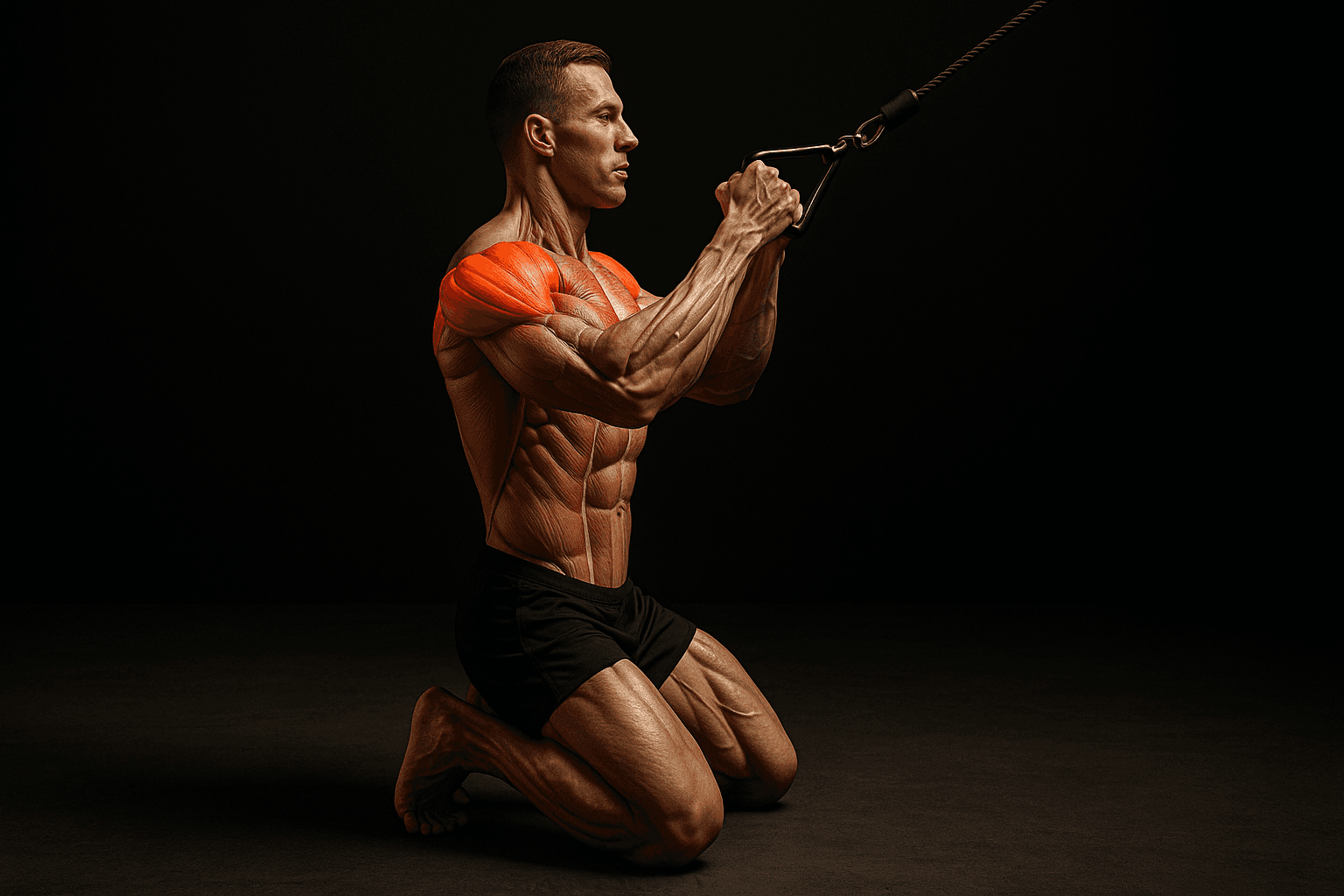
Photo by RepBro.
You can usually train through a mild cold limited to nasal congestion or a sore throat if you feel well enough, but reduce intensity and session length. Avoid training with fever, chest congestion, significant fatigue, or dizziness — in those cases rest and seek medical advice.
What counts as a "mild cold" and when is rest required?
Mild cold: symptoms confined above the neck — runny/stuffy nose, sneezing, mild sore throat, no fever, and your usual energy is only slightly reduced. In that case, short, lower-intensity workouts are generally reasonable.
Signs you should not train: fever, chills, widespread muscle aches, chest congestion or productive cough, shortness of breath, dizziness, or pronounced fatigue. Those are systemic signs indicating your body is fighting an infection; rest and medical evaluation are recommended.
Evidence note: clinical guidance commonly distinguishes "above-the-neck" symptoms from systemic illness when advising exercise. If unsure, err on the side of rest.
How should I modify intensity, volume, and exercise selection when sick?
Practical coaching adjustments for an above-the-neck cold:
- Intensity: aim for low-to-moderate effort — a conversational pace on cardio or an easier resistance session where you stop 1–3 reps shy of failure.
- Volume: cut the number of sets and total time. Shorten sessions (20–40 minutes) instead of your usual 45–90 minutes.
- Load: lower load and emphasize technique, mobility, and tempo work over maximal lifts.
- Exercise choice: prioritize single-joint movements, lighter compound lifts, mobility, and walking/cycling. Avoid heavy maximal attempts, long intervals, or high-volume training.
Example swaps:
- If you normally bench 4x8 at a challenging weight, do 2–3 sets at a lighter weight focusing on tempo and form.
- Replace a hard 30–40 minute interval run with a 20–30 minute brisk walk or easy bike.
These adjustments reduce physiological stress, limit immune suppression risk, and preserve a training habit without pushing recovery.
Will training make my cold worse or delay recovery?
Short answer: light-to-moderate exercise is unlikely to significantly worsen a routine cold for most healthy people. High-intensity or high-volume training during an active infection can increase perceived fatigue and may impair immune function, so avoid maximal efforts while symptomatic.
There isn’t a simple universal rule — individual responses vary. Use symptom tracking (sleep, resting heart rate, perceived fatigue) to judge recovery and readiness to return to normal training.
How can I judge my readiness to train while sick?
Use these practical checks before a session:
- No fever and body temperature feels normal.
- You can walk comfortably and hold a conversation without severe breathlessness.
- Resting heart rate and sleep are not markedly worse than baseline.
- You can do a short warm-up without symptoms rapidly worsening.
If any of the above fail, skip the session and prioritize rest and hydration.
What about contagion — should I avoid the gym?
If you have an infectious cold, consider others: stay home when possible, train outdoors, or use home equipment. If you must go to a shared gym, wipe surfaces, minimize time in enclosed spaces, and avoid close contact. Masking reduces transmission risk but check local guidance and gym policies.
Quick comparison: train vs rest by symptoms
| Symptom profile | Train? | Recommended session |
|---|---|---|
| Runny nose, sneezing, mild sore throat, no fever | Generally yes | 20–40 min, light-to-moderate effort, lower volume; focus on technique/mobility |
| Fever, chills, widespread aches, chest congestion, shortness of breath | No | Rest, hydrate, see clinician if severe or prolonged |
| Mild cough, no fever, normal energy | Maybe | Short aerobic or light strength; avoid heavy or high-intensity work |
When should I see a doctor?
Seek medical attention if you have:
- Fever >38°C (100.4°F) or prolonged fever
- Shortness of breath, wheezing, or chest pain
- Severe dizziness or confusion
- Symptoms that rapidly worsen or don’t improve after several days
These can indicate complications (bronchitis, pneumonia, or other conditions) that need evaluation.
Safety note
Stop any workout immediately for sharp chest pain, severe shortness of breath, fainting, or new, severe joint pain. This article does not diagnose medical conditions. Consult a qualified healthcare professional for diagnosis or tailored medical advice.
Limitations — what apps and AI coaching cannot do
- An app or AI cannot see or correct your movement in real time; they cannot replace an in-person coach for technical fixes.
- They cannot diagnose medical conditions or rule out complications from an infection.
- A plan only works if you follow it consistently; coaching tools help, but consistency matters more than any single feature.
- For injury assessment, rehabilitation, or complex medical decisions, see a qualified professional.
Practical checklist before you train with a cold
- No fever and breathing comfortable? Yes → short, easy session possible.
- Feeling markedly more tired than usual? Skip or vastly reduce load.
- Gym etiquette: minimize transmission — shorten visits, clean equipment.
- Track recovery: monitor sleep, resting heart rate, and symptom trend.
Closing: Training through a mild cold is often acceptable with sensible reductions in intensity and volume, but systemic symptoms mean you should rest and seek care. When in doubt, prioritize recovery — you can regain lost training in days to weeks, but complications can cost longer.
Frequently asked questions
- Can I work out if I have a runny nose?
- Yes — if your symptoms are limited to above-the-neck signs (runny nose, sneezing, mild sore throat) and you feel reasonably energetic, light-to-moderate training is usually acceptable. Shorten sessions and lower intensity; stop if symptoms worsen or you develop fever or chest symptoms.
- Does a light workout slow recovery from a cold?
- Light-to-moderate exercise probably won't meaningfully prolong a common cold for most healthy adults and can support mood and sleep. Avoid hard training and high volumes while symptomatic; those increase stress on the immune system and can delay recovery.
- When should I skip training and rest?
- Skip training and rest if you have fever, widespread muscle aches, shortness of breath, chest congestion, lightheadedness, or pronounced fatigue. These are signs of systemic infection or complications; consult a healthcare professional.