Protein Shake Timing: Does It Really Matter?
Clear, evidence-aware answer on whether protein shake timing matters for muscle and recovery. Practical numbers, meal distribution, and safety notes for lifters.
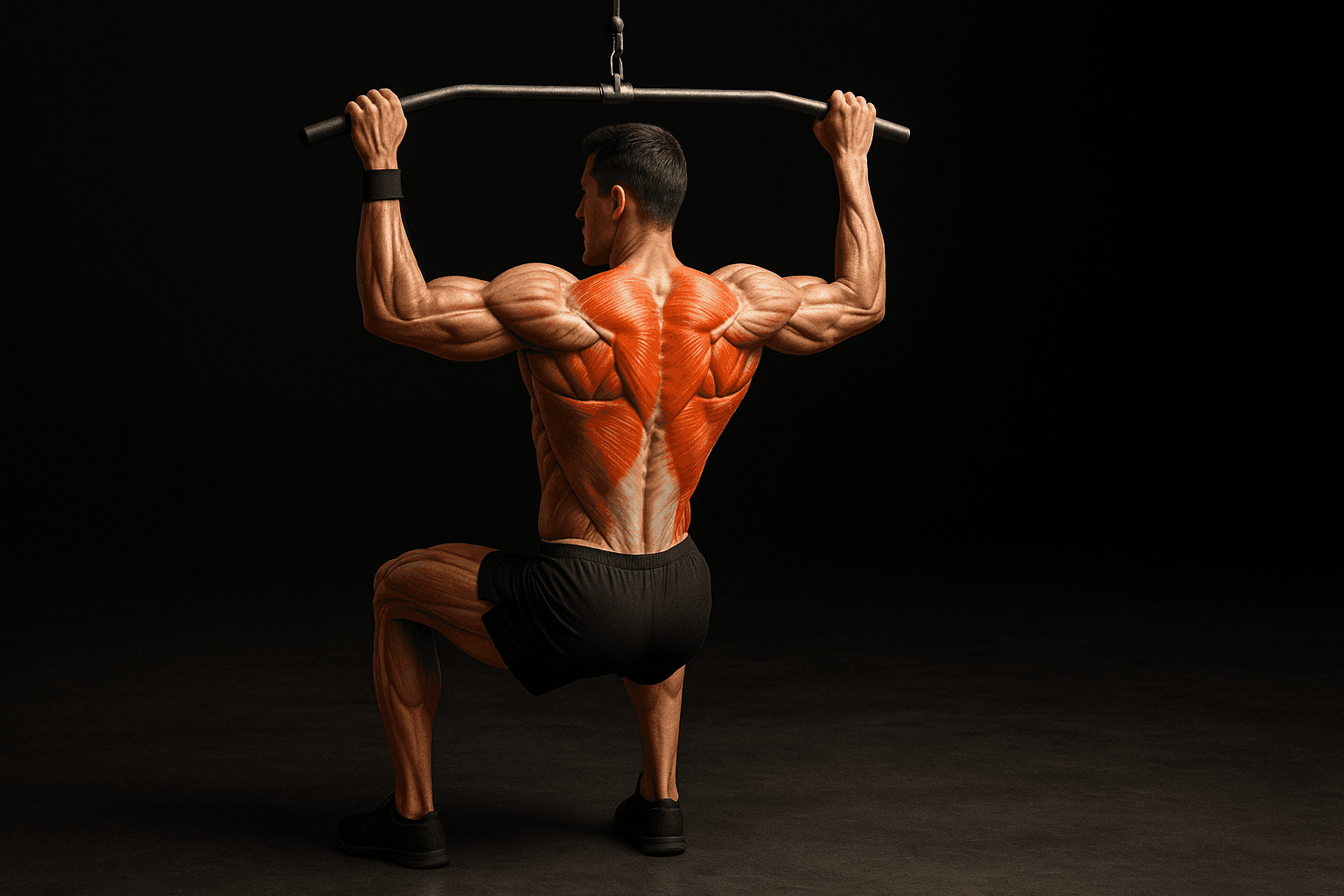
Photo by RepBro.
Short answer: For most lifters, protein shake timing is not critical — total daily protein and consistent resistance training matter more. Have a shake when it helps you meet your daily protein and energy targets (post-workout, between meals, or before bed). Prioritize total intake, meal distribution, and progressive overload.
Does the timing of my protein shake matter for muscle growth?
No single shake timing rule will make or break muscle gain. The sports-nutrition consensus is that total daily protein is the dominant factor for hypertrophy and strength gains. Timing can help you hit daily targets and support recovery (for example, ensuring a serving within a few hours of training), but an insistence on a strict 30-minute “anabolic window” is unnecessary for most trainees.
How much protein should I aim for per day and per shake?
Use concrete targets: aim for roughly 1.6–2.2 g/kg/day (0.7–1.0 g/lb) of body weight if your goal is to build or preserve muscle while training. Spread that across 3–5 protein-containing meals. Per meal, aim for about 20–40 g protein (roughly 0.25–0.40 g/kg per meal). A shake that delivers 20–40 g of protein is a practical, evidence-aligned serving for most people.
When is the best time to have a shake around my workout?
Think convenience and meeting targets. Practical options:
- If your last meal was 2–3 hours before training and contained ~20–40 g protein, you don’t need a shake immediately after.
- If you trained fasted or your previous meal was >3 hours earlier, a shake within 1–2 hours post-workout is sensible to supply amino acids and support recovery.
- Pre-workout protein (within 1–2 hours) works similarly to post-workout protein if total intake is sufficient.
Bottom line: pick a time that helps you reach daily protein and provide a regular distribution of protein-containing feeding opportunities.
Does the type of protein in the shake matter?
Use high-quality proteins that contain all essential amino acids (whey, milk, soy, pea, etc.). Whey is rapidly absorbed and leucine-rich, making it efficient for stimulating muscle protein synthesis, but other proteins work well if total intake is adequate. Casein or whole-food proteins before bed can slow digestion and supply amino acids overnight, which may be useful if you have long gaps without food.
How should I distribute protein across the day?
Spread protein evenly across meals rather than front-loading or leaving one big serving. Practical distribution: 3–4 meals with ~20–40 g each, spaced ~3–5 hours apart. Consistent feeding supports repeated spikes in muscle protein synthesis throughout the day, which is beneficial when total daily protein is within the recommended range.
Will shake timing affect fat loss?
Protein timing has a minor effect on fat loss compared with total daily energy balance and protein intake. High protein helps preserve lean mass during a calorie deficit and supports satiety, but whether you drink a shake pre- or post-workout won’t materially change fat loss outcomes if calories and protein are controlled.
Compare timing strategies: which fits me?
| Timing option | Pros | Cons | Who it fits |
|---|---|---|---|
| Post-workout (within 1–2 hours) | Convenient for recovery, easy to meet targets | Not required if previous meal provided protein | Those who train fasted or have long gaps before/after workouts |
| Pre-workout (1–2 hours) | Supplies amino acids during training, can boost energy with carbs | May be uncomfortable close to training | People who can eat before sessions or prefer solid food |
| Between meals | Helps reach daily totals, supports even distribution | Requires planning | Busy people who miss meals |
| Before bed | Supplies overnight amino acids, may help recovery | Extra calories if not accounted | Nighttime trainers or those with long overnight fasts |
Practical examples (metric and imperial)
- 80 kg (176 lb) lifter aiming for 1.8 g/kg/day: target ≈ 144 g protein/day. Split across 4 meals = ~36 g/meal. A shake with 30–40 g protein fits well.
- 70 kg (154 lb) lifter in a deficit aiming for 2.0 g/kg/day: target = 140 g/day. Use shakes to plug gaps after workouts or between busy meetings.
Safety and practical coaching notes
Stop any exercise that causes sharp or unusual pain — pain is not the same as effort. If you have injury concerns or chronic conditions, consult a qualified clinician or coach before changing diet/training. No nutrition advice replaces a hands-on assessment for rehabilitation or individualized medical care.
What can't apps or timing alone do?
- An app or precise shake schedule can't see or correct your lifting form. Video review by a coach is often necessary.
- Apps can track intake, but they can't force adherence — consistent effort and progressive overload are what produce results.
- Nutrition timing can't diagnose injuries or replace professional medical/physiotherapy care.
- A plan only works if you show up; consistency outweighs marginal micro-optimizations.
If you want to track protein and feeding windows, a food-logging app like RepBro can make it easier to see where shakes fit your day, but the tool won’t replace smart training and consistent effort.
Limitations: this article summarizes general sports-nutrition consensus for healthy adults. Individual needs vary with age, medical history, training experience, and goals. For personalized medical or rehabilitation guidance, consult a qualified professional.
Further reading: focus on research summaries and position stands from sports-nutrition bodies and recent meta-analyses for deeper dives into protein dose-response and distribution.
Frequently asked questions
- Do I need a shake immediately after lifting?
- No. If you meet your daily protein needs and had a protein-containing meal within a few hours, an immediate shake isn’t required. A post-workout shake is convenient to help reach targets, but the anabolic “window” is broader than often claimed — focus on total daily intake and meal spacing.
- How much protein should be in each shake?
- Make shakes about 20–40 g protein (or roughly 0.25–0.40 g/kg body weight per meal) depending on size and daily target. Use shakes to hit your per-meal target and daily goal (roughly 1.6–2.2 g/kg/day for most strength trainees), not as an exact micro-timing tool.
- Will drinking a shake before bed help muscle growth?
- A protein shake before bed can help boost overnight muscle protein synthesis if it brings your daily and per-meal protein up to target. Casein is often suggested, but any high-quality protein serving of 30–40 g works; the key is overall daily distribution and training stimulus.