Training the Same Muscle Two Days in a Row: OK or Not?
Short, practical guide on whether it's OK to train the same muscle two days running. Evidence-aware rules, concrete numbers, program examples, and safety notes.
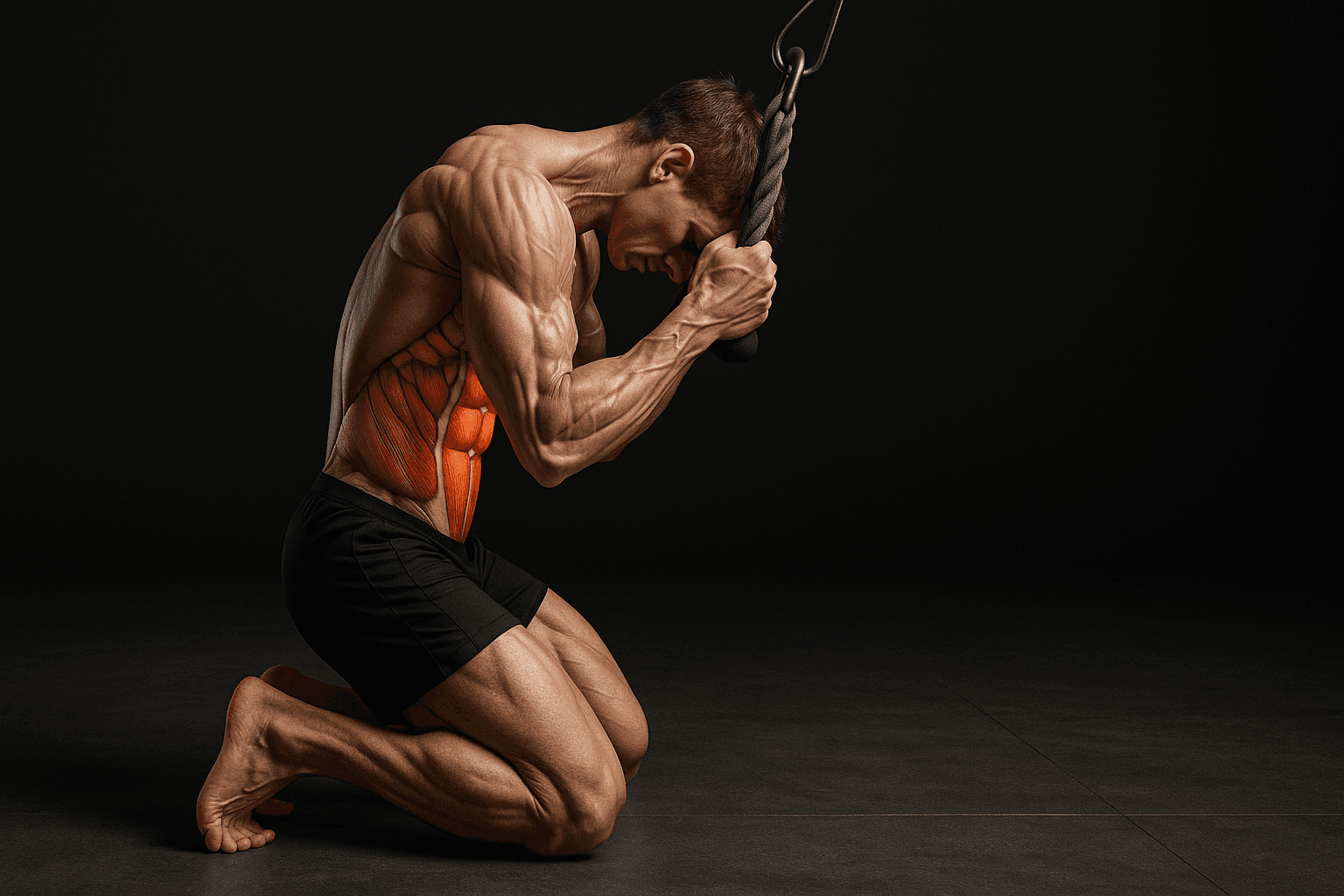
Photo by RepBro.
Is it OK to train the same muscle two days in a row?
Yes — but only if you control intensity, volume, or exercise type. Heavy, high-intensity sessions (think sets at ≥80% 1RM or multiple sets taken to failure) need about 48–72 hours before you hit the same muscle hard again. If you limit the second-day work to low volume (1–4 sets), lower intensity (≤60–70% 1RM), different movement patterns, or skill/velocity work, training the same muscle on consecutive days is acceptable and sometimes useful.
What's the practical reasoning?
Recovery for a muscle isn't an all-or-nothing rule. Two variables matter most:
- Intensity (load and proximity to failure). Heavy loads and work to failure create more mechanical and neural strain and need more recovery time.
- Volume (sets × reps × frequency). Total weekly sets per muscle drive hypertrophy; how you distribute those sets across days affects fatigue management.
Research and practical coaching converge on a few concrete numbers:
- Hypertrophy: aim for ~10–20 hard sets per muscle per week. You can split that across 2–4 sessions.
- Strength: heavier loads require longer recovery—plan 48–72 hours between high-intensity sessions for the same muscle group.
- Per-session sets: if you do a heavy session (6–12+ hard sets for a muscle), avoid hitting it hard the next day. If you keep it to 2–6 sets, a follow-up session is usually fine.
When is training the same muscle two days in a row a bad idea?
- You did a very heavy session: multiple sets near or at failure with loads ≥80% 1RM. Wait 48–72 hours.
- You did high eccentric stress (heavy negatives, long time-under-tension). Those cause more soreness and require more recovery.
- You're low on sleep, calories, or protein. Poor recovery capacity makes back-to-back sessions risky.
- You're an advanced lifter doing maximal strength work—neuromuscular fatigue accumulates and reduces subsequent session quality.
How to structure back-to-back sessions (concrete templates)
Option A — Heavy day then light day (same muscle two days in a row)
- Day 1: Heavy compound focus (e.g., squats 5×5 at ~80% 1RM). Total per-muscle sets: 6–10. Stop well short of failure on accessory work.
- Day 2: Low-volume technique or metabolic work for same muscle (e.g., goblet squats 3×8 at 50–60% 1RM, or explosive box jumps 4×3). Keep total sets for the muscle to ≤4.
Option B — Different movement patterns
- Day 1: Horizontal pressing heavy (bench press 4–6 sets). Day 2: Vertical pressing or isolation (dumbbell incline/shoulder press 3×8) with reduced load.
Option C — Volume splitting for frequent training
- Weekly plan: 12 sets per muscle per week split into 4 sessions = 3 sets/session. You can schedule those sessions on consecutive days because each session is low volume and manageable.
Option D — Two-a-day micro-sessions
- Morning: speed/technique (3 sets of light, fast reps). Evening: low-volume hypertrophy (2–3 sets). Keep each session submaximal.
Nutrition and recovery rules that matter here
- Protein: aim for 1.6–2.2 g/kg/day (0.7–1.0 g/lb/day). Per-meal protein for MPS is ~0.25–0.4 g/kg. Getting enough protein helps muscles recover between close sessions.
- Calories: be near maintenance or in slight surplus if you're frequently stressing the same muscles.
- Sleep: prioritize 7–9 hours. If sleep drops, increase spacing between intense sessions.
Practical signs you're pushing recovery too far
- Performance drop: you can’t hit the same weights or reps you did on the previous session.
- Persistent soreness that reduces range of motion for more than 48 hours.
- Increased perceived effort and prolonged fatigue.
- Sleep disturbance or mood changes tied to training stress.
If these show up, back off volume or add an extra recovery day.
Safety note
Stop any exercise that causes sharp or worsening joint pain. If you have persistent pain or an injury, consult a qualified health or sports professional. This article is informational, not a medical diagnosis.
Short examples you can use
- Goal: hypertrophy, 12 sets/week per muscle. Option: 4 sessions × 3 sets. You can schedule these as Mon/Tue/Thu/Fri if each session keeps intensity moderate (6–12 reps, not always to failure).
- Goal: strength, 10 heavy sets/week per muscle. Option: 2 sessions × 5 heavy sets. Schedule those 48–72 hours apart (e.g., Mon/Thu).
- Quick strategy when pressed for time: do a heavy lift one day and follow with a 20–30 minute low-load/volume session the next day that targets the same muscles without going to failure.
Where tools help
If you track sets, loads, and fatigue, you can plan back-to-back sessions with more confidence. Apps like RepBro let you split weekly volume and monitor trends so you know when frequency is helping or hurting. For plan imports or comparisons, see the RepBro import and comparison tools at https://www.repbro.app/import and https://www.repbro.app/vs.
Short FAQ
Q: Will training the same muscle two days in a row cause overtraining? A: Not by itself. Overtraining comes from chronic excessive volume/intensity without recovery. Manage those variables and monitor sleep, appetite, and performance.
Q: Can I train legs on Monday and Tuesday every week? A: Only if both sessions are low to moderate in volume and intensity, or if one of the days is technique/speed work. Heavy squat days back-to-back are suboptimal.
Q: How do I know if a follow-up session should be light? A: Use the previous session’s perceived effort, soreness, and performance. If RPE was ≥8 on multiple sets or soreness limits ROM, make the next session light.
One-sentence takeaway: Training the same muscle on consecutive days is fine when you lower intensity or volume, split your weekly sets sensibly, and use objective recovery cues—avoid doing two heavy, high-volume sessions back-to-back.
Frequently asked questions
- Will training a muscle two days in a row make me lose gains?
- No—one or a few back-to-back sessions won't erase progress. Chronic under-recovery or consistently excessive intensity/volume will reduce gains. Manage load, volume, and sleep/nutrition.
- How long should I wait between heavy sessions for the same muscle?
- For heavy, near-maximal work (≥80% 1RM or sets to failure) plan 48–72 hours before stressing the same muscle group hard again.
- Can beginners train the same muscle daily?
- Beginners can often tolerate higher frequency because absolute loads and neuromuscular strain are lower, but keep daily volume modest (2–6 sets/muscle/session) and monitor fatigue.