How Much Weight Should a Beginner Lift?
Clear, practical starting weights for beginners: exact numbers for common lifts, how to test them, progression rules, and safety tips for steady progress.
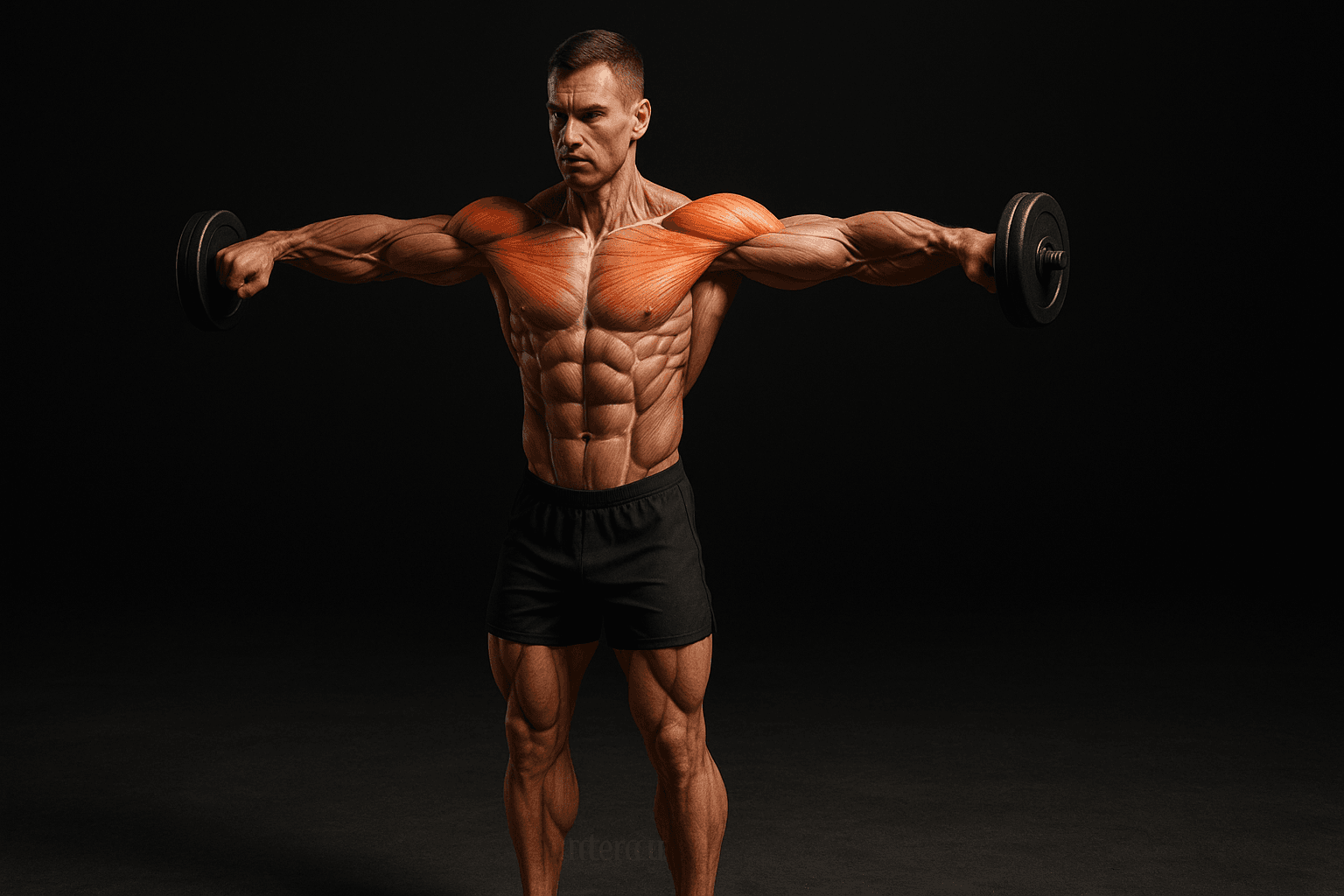
Photo by RepBro.
How much weight should a beginner lift?
Start with a weight you can move for 8–12 clean repetitions with good technique while leaving 1–2 reps in reserve. Practical starting numbers for most healthy adults: barbell back squat — empty bar 20 kg (45 lb) or a goblet squat with 10–16 kg (22–35 lb); bench press — empty bar 20 kg (45 lb) or dumbbells 8–16 kg (18–35 lb) each; deadlift — start at ~40–60% of bodyweight or use a trap bar 40–80 kg (90–175 lb); overhead press — empty bar 15–20 kg (33–45 lb) or dumbbells 6–12 kg (13–26 lb) each; rows/pull variations — 15–30 kg (35–65 lb) for barbell rows or adjustable for bodyweight rows. If those feel too heavy, choose regressions (lighter dumbbells, kettlebell, or bodyweight variations) and focus on movement quality.
Why give numbers first? What’s the logic?
Numbers are useful because novices tend to under- or overestimate. The priority for beginners is learning technique and building consistency. A concrete starting weight removes guesswork and reduces the fear of picking “too heavy” or wasting time with weights that are irrelevant. The target is a load that: (a) allows correct form, (b) is challenging on the final 1–2 reps, and (c) you can repeat across sessions to progress.
How do I pick a starting weight right now?
- Choose the exercise and warm up with the movement pattern (bodyweight or the empty implement).
- Pick a conservative working weight from the list above and perform 1 set of 8–12 reps.
- If you can finish the set with good form and still feel like you could do 2–3 more reps, increase the weight and try another set. If you fail before 6 reps or form breaks, reduce the weight.
Repeat this until you find a weight that fits the 8–12 range with 1–2 reps left in the tank. That’s your starting working set.
What about deadlifts and heavier pulls?
Deadlifts are mechanically different (shorter range, more posterior chain). Many beginners can deadlift close to bodyweight immediately, but don’t assume it — test conservatively. If you haven’t trained the hinge, start with a kettlebell or trap-bar deadlift at 25–50% bodyweight and build to a working set you can do for 5–8 reps with perfect hip-hinge form. For barbell conventional deadlifts, use double-checks: light warm-up, then add weight until technique (hip hinge, neutral spine) is intact.
How many sets and reps should a beginner use?
Start with 2–4 sets per exercise. For most compound lifts, aim for 6–12 reps per set. This rep range balances motor learning and strength. For deadlifts you can work in the 3–6 rep range once your technique is solid. Keep intensity in a manner that leaves 1–2 RIR (reps in reserve).
How quickly should I increase the weight?
Progression rules for beginners (practical, evidence-aligned):
- Upper body (presses, rows): add 1–2.5 kg (2.5–5 lb) per session when you can complete the upper end of your rep target for all sets twice in a row.
- Lower body (squats, deadlifts): add 2.5–5 kg (5–10 lb) per session under the same conditions.
- If you’re using small plates or fractional loading, 0.5–1 kg increments are fine for fine-tuning.
If adding weight causes technique to degrade, drop back and re-establish form for a few sessions before increasing again.
How to modify if you're small, older, or deconditioned?
The absolute numbers above are averages; individual differences matter. If you’re smaller, older, returning from a long break, or have joint issues, start with lighter loads (e.g., goblet squats 8–12 kg, dumbbells 4–8 kg) and focus on higher movement volume (3–4 sets of 8–15 reps) before attempting heavier barbell work. Progression is the same — increase load slowly and prioritize consistent practice.
How does form factor in? When do I move up?
Never progress simply because of a number. Move up when:
- You hit the top of your rep range with good technique for all sets.
- You can recover between sessions (sleep, appetite, energy are good).
- You’ve practiced the movement pattern for at least 4–6 sessions.
Use video or a coach to check form. If you can’t reliably perform the lift cleanly at a given weight, reduce the load and re-emphasize technique.
What about machines and isolation exercises?
Machines are useful for absolute beginners to learn joint paths with less balance demand. Start machine movements at 50–70% of what you would try with free weights — the exact load is less important than control and full, pain-free range of motion. For biceps/triceps, 6–12 kg (13–26 lb) dumbbells are a common starting point, adjusted for individual strength.
Safety note
Stop any set immediately if you experience sharp or unusual pain. This guide is educational and not medical advice — consult a qualified professional if you have a pre-existing condition, recent surgery, or sudden injury. Prioritize technique over ego; minor muscle soreness is normal, joint pain is not.
How can tools help?
Track your sets, reps, and load. Most lifters benefit from a simple logging method — a notebook or an app. If you want guided tracking and easy program imports, check out RepBro to record progress and import plans: https://apps.apple.com/us/app/gym-workout-coach-repbro/id6763749305 and learn about importing programs at https://www.repbro.app/import.
Short FAQ
Q: Should beginners train to failure?
A: No — stop 1–2 reps shy of failure. Failure increases fatigue and limits practice volume.
Q: Is bodyweight training enough to start?
A: Absolutely. Bodyweight work is a valid starting point; add external load once you can perform consistent reps with control.
Q: When should I seek coaching?
A: If you’re uncertain about form, have pain, or want faster technical learning, a few sessions with a qualified coach can save months of poor habits.
Takeaway: Start conservatively with the numbers above, prioritize technique, track progress, and add small, consistent weight increases when you can complete your reps with good form.
Frequently asked questions
- What's a safe progress rate for a beginner?
- Add small amounts each session: 1–2.5 kg (2.5–5 lb) for upper-body lifts and 2.5–5 kg (5–10 lb) for lower-body lifts when you can complete target reps with good form two sessions in a row.
- If I can’t lift the suggested weight, what should I do?
- Use regressions: bodyweight squat, goblet squat with a light kettlebell/dumbbell, incline push-ups or light dumbbells — the goal is movement practice, not matching a number immediately.
- How often should a beginner lift?
- 2–4 full-body sessions per week is ideal. Frequency helps technique and strength; start at 2–3 sessions and increase if recovery is good.