How Many Exercises Should One Workout Have?
Answer: 4–8 exercises per workout for most lifters. Evidence-aware guidance by goal, session length, and weekly volume; templates, safety tips, and examples.
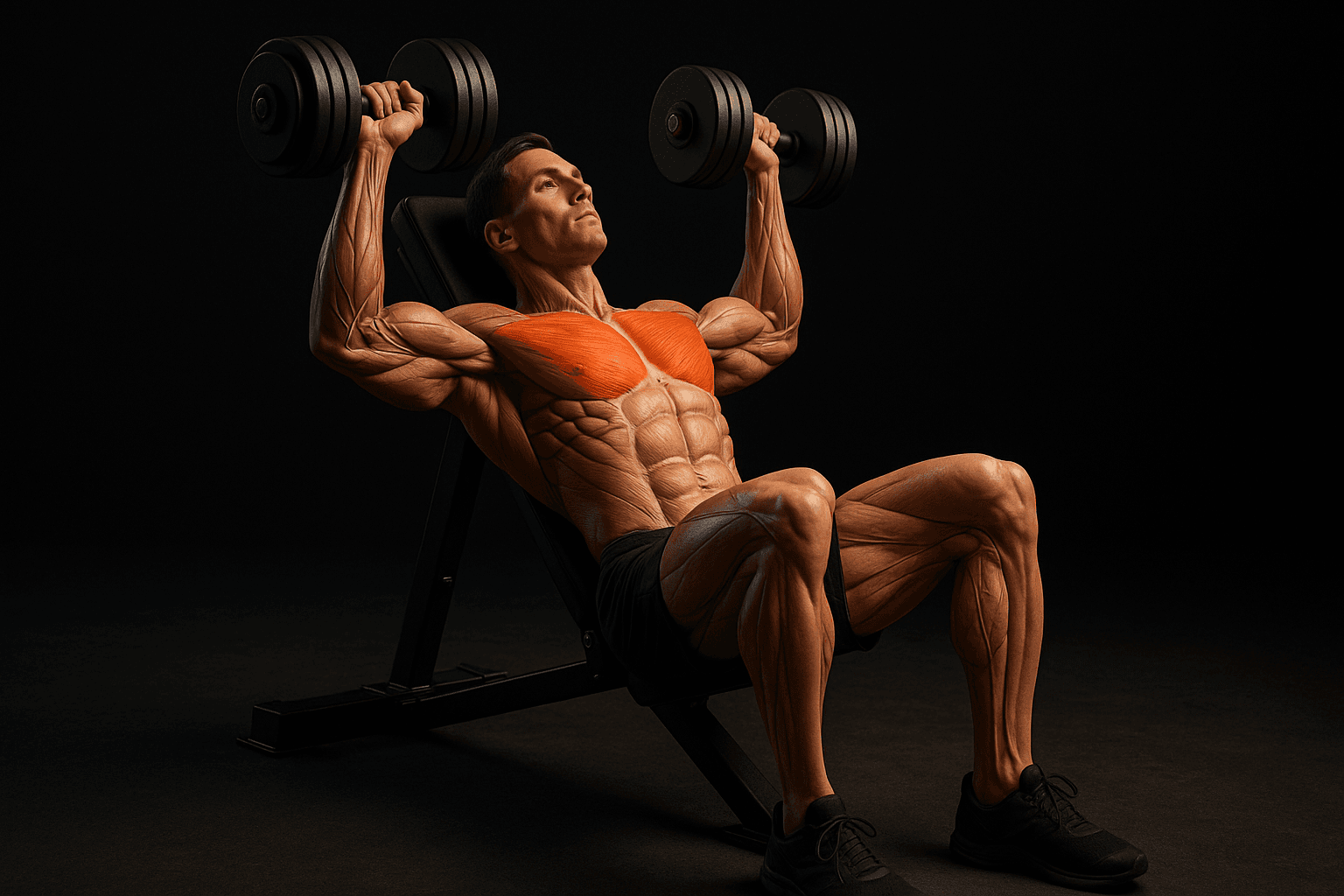
Photo by RepBro.
How many exercises per workout?
Short answer: aim for 4–8 working exercises per workout for most people. If you’re short on time, 3–5 exercises is fine; if you’re doing a long full‑body session or want more variety for hypertrophy, 6–9 exercises can work. Count only movements performed for working sets (not warm‑ups).
Why a range, not one magic number?
Different goals and session lengths require different exercise counts. The number of exercises is a function of:
- Weekly volume targets (sets per muscle per week). Evidence suggests 10–20 sets per muscle per week is a practical range for most trainees, and how you distribute those sets determines exercises per session.
- Session frequency: higher frequency lets you split volume across more workouts, so each session needs fewer exercises.
- Training focus: strength prioritized sessions use fewer exercises with heavier loads and more sets per lift; hypertrophy sessions use more exercises to hit muscles from different angles.
- Time available: shorter sessions force prioritization — pick the most effective movements.
Practical templates (concrete numbers)
Here are templates you can use or adapt. All counts refer to working exercises (working sets only).
- Strength-focused, 45–75 minutes: 3–5 exercises. 2–3 main compounds (e.g., squat, bench, deadlift variants), 1–2 accessory moves (rows, chin-ups, glute work). Heavier loads, 3–6 sets per compound.
- Hypertrophy-focused, 45–75 minutes: 4–8 exercises. 2–4 compounds and 2–4 single‑joint/accessory exercises. Typically 3–4 sets per exercise in the 6–12 rep range.
- Full-body session, 60–90 minutes: 5–9 exercises. Hit 3–4 big lifts plus 2–4 accessories to reach per‑muscle weekly volume.
- Upper/lower split, 45–60 minutes per session: 4–7 exercises. For upper: 2 big horizontal/vertical pushes/pulls + 1–3 accessories. For lower: 2–3 big lower‑body lifts + 1–2 accessories.
- Time-constrained (30 minutes): 3–5 exercises. Prioritize compounds and use supersets to maintain volume.
How to choose the exact number that day
- Decide weekly set targets per muscle (start in the 10–15/week range).
- Divide that across sessions. If you train each muscle twice weekly and want 12 sets per muscle, that’s ~6 sets per session; that might mean 1–2 exercises per muscle depending on sets per exercise.
- Prioritize compound lifts early in the session. Add accessory exercises only if they help reach your volume or address weak points.
- Keep total working sets per session in a reasonable range: 12–25 sets is typical for most 45–75 minute workouts. More than ~30 working sets often means lower quality per set.
Example: You want 12 sets/week for chest and train chest twice. Per session target = 6 sets. You could do:
- Bench press 3–4 sets (compound)
- Incline dumbbell press 2–3 sets (compound/upper chest)
Total exercises for whole session still might be 5–7 once you add legs, back, and accessories.
Exercise order and time management
- Do large, multi‑joint lifts first when you’re fresh.
- Place single‑joint accessories later and consider supersets to save time (e.g., biceps + triceps).
- Track total working sets, not just exercise count: 6 exercises with 2 sets each is very different from 4 exercises with 5 sets each.
Common pitfalls
- Counting warm‑ups as exercises inflates numbers. Include only movements you perform for working sets.
- Trying to cram too many exercises in one session reduces quality. If you need variety, spread it across the week.
- Ignoring weekly volume. The number of exercises is a means to an end — hitting sufficient good‑quality sets per muscle across the week.
Examples you can steal
- 45–60 minute upper body (5 exercises): Bench press (4 sets), Weighted row (4 sets), Overhead press (3 sets), Incline fly or DB press (3 sets), Face pulls (2–3 sets).
- 60 minute full body (6 exercises): Squat (4 sets), Deadlift variation (3 sets), Pull-up (3 sets), Bench press (3 sets), RDL or hamstring curl (3 sets), Plank or core (2–3 sets).
- 30 minute quick session (4 exercises): Trap bar deadlift (3 sets), Goblet squat (3 sets superset), Push-up variation (3 sets superset), Single-leg RDL or farmer carry (2–3 sets).
Exercise safety (short note)
Always prioritize quality of movement. Warm up gradually, stop on sharp or unusual pain, and consult a qualified trainer or healthcare professional if something doesn’t feel right. This article is informational and not a diagnosis.
When to increase or decrease exercises
- Increase exercises if you’re missing volume for a muscle group or want to manage joint stress by varying movements.
- Decrease exercises if sessions are taking too long, recovery is poor, or you can’t maintain intensity across sets.
Tools to manage exercise selection
Use a tracking tool or app so you can monitor sets per muscle per week and adjust exercise count logically. For example, the RepBro app helps you log sets and distribute volume; if you’re comparing options see app comparisons at https://www.repbro.app/vs.
FAQ (short)
Q: How many exercises should beginners do?
A: 3–6 working exercises per session, focusing on learning the big lifts and building 8–12 quality sets for each major movement per week.
Q: Are machines counted the same as free weights?
A: Yes — count them the same if they’re used for working sets. Variety is fine; prioritize effectiveness and safety.
One-sentence takeaway: Pick 4–8 working exercises for most workouts, prioritize compounds, and manage total weekly sets to meet your goals while keeping quality high.
Frequently asked questions
- Do warm-ups count as exercises?
- No — warm-up sets/movements aren’t counted as working exercises. Count only movements you perform for working sets with planned intensity.
- How many sets per exercise should I do?
- For strength do 3–6 working sets per compound; for hypertrophy 3–4 sets is common. Total weekly sets per muscle are more important than sets per exercise.
- What if I only have 30 minutes?
- Aim for 3–5 focused exercises: 2 compounds and 1–3 quick accessory or supersetted movements to keep volume and intensity efficient.