Using the Gym for Weight Loss: A Beginner's Playbook
Practical beginner's guide to using the gym for weight loss: simple workouts, weekly targets, calorie numbers, and a sample 3–4 day plan you can start this week.
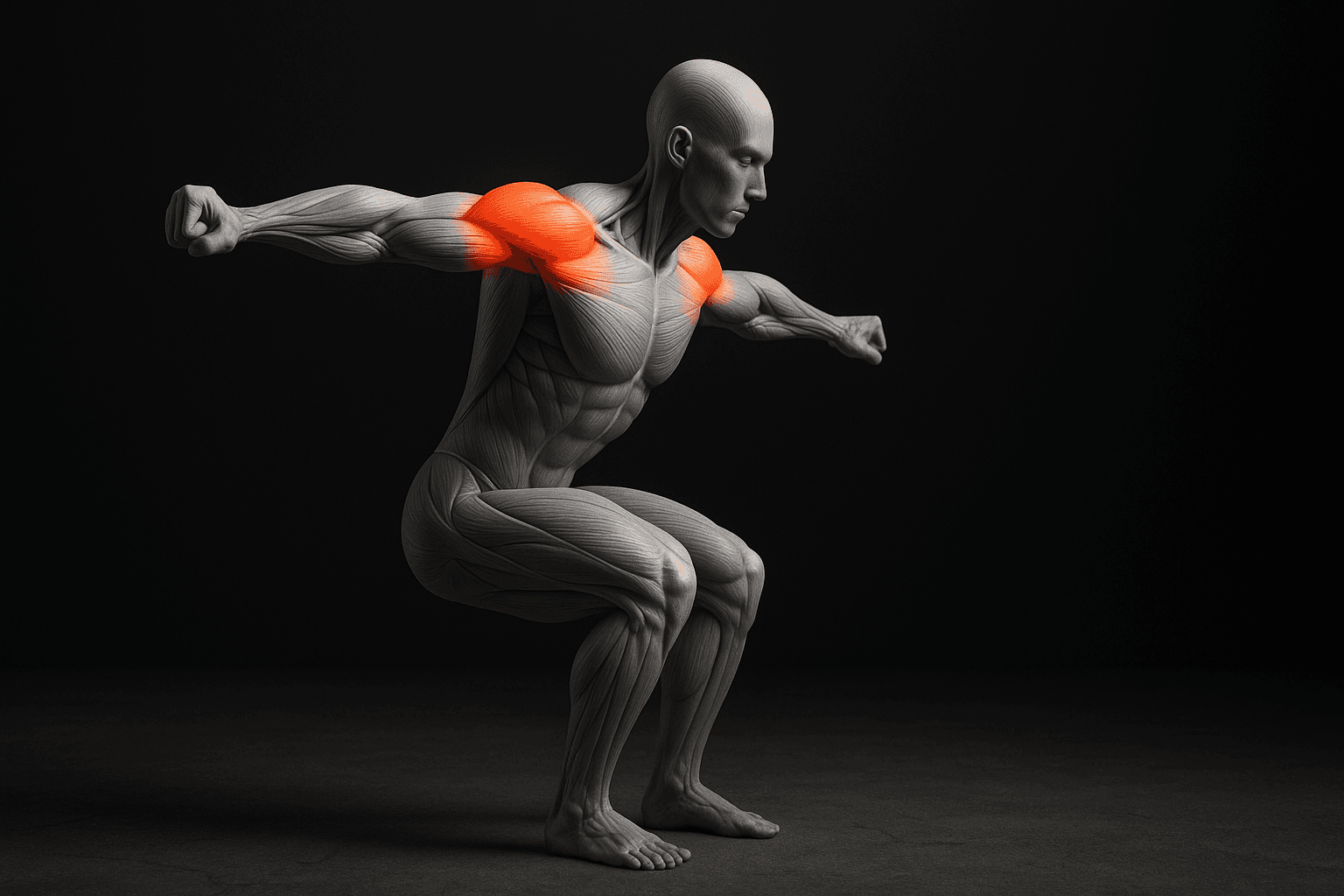
Photo by RepBro.
Yes — the gym is a very useful place for beginners to lose weight when you combine regular resistance training, progressive overload, and a sustainable calorie deficit; cardio and increased daily activity (NEAT) help, but preserving muscle through strength work is the priority for long-term body composition. The rest of this playbook shows practical numbers, a starter plan, and how to avoid common beginner mistakes.
How does the gym help with weight loss?
- Resistance training preserves and builds muscle while you lose body fat, which helps keep your resting metabolic rate higher than dieting alone.
- Cardio increases calorie burn per session and improves cardiovascular fitness.
- The gym gives structure and measurable progress: weights, sets, and times you can track.
Concrete target: aim for a weekly energy deficit that results in about 0.25–0.75 kg (0.5–1.5 lb) bodyweight loss per week. Using 7,700 kcal per kg as a rough conversion, that’s about a 300–700 kcal/day deficit. A 500 kcal/day deficit translates roughly to 0.45 kg (1 lb) per week—useful for planning but not a guarantee.
How often should you go and what to do each week?
Beginner frequency and volume (practical):
- 3 full-body sessions per week OR
- 4 sessions: 2 upper, 2 lower (split) OR
- 5 sessions: 3 resistance + 2 cardio/recovery-focused days
Session duration: 30–60 minutes. Weekly aerobic target: 150–300 minutes of moderate-intensity activity (or 75–150 minutes vigorous). For weight-loss emphasis, aim for ~200–300 minutes if you can sustain it.
What should happen in a lifting session?
Focus on compound movements and progressive overload. A simple full-body template:
- Squat or leg press: 3 sets x 6–10 reps
- Push (bench or push-up variant): 3 sets x 6–10 reps
- Pull (row or pull-down): 3 sets x 6–10 reps
- Hinge (deadlift or Romanian deadlift): 2 sets x 6–10 reps
- Accessory/core: 2 sets x 8–15 reps
Intensity guidance: pick a weight you can do with good form where the last 1–2 reps are challenging but not impossible (RPE 7–8). Progress each week by adding 1–2 reps per set, or increasing load by 2.5–5% when reps are easy.
Cardio options: 20–40 minutes of steady-state moderate effort (e.g., brisk treadmill walk, cycling) or 10–20 minutes of interval work (e.g., 30s hard/90s easy). If using intervals, limit to 1–2 sessions/week at first.
Sample beginner plans (pick one)
3-day full-body (Mon/Wed/Fri):
- Warm-up 5–10 min
- Squat 3x8
- Bench 3x8
- Row 3x8
- Romanian deadlift 2x8
- Plank 3x30–60s
- Light cardio 10–20 min optional
4-day upper/lower (Mon/Tue/Thu/Fri):
- Upper A: Bench 3x8, Row 3x8, Overhead press 2x8, Lat pulldown 2x10
- Lower A: Squat 3x8, Deadlift variation 2x6–8, Lunges 2x10
- Upper B: Incline press 3x8, Dumbbell row 3x8, Face pulls 2x12
- Lower B: Leg press 3x10, Romanian deadlift 3x8, Calf/abs 2x12
Adjust weights so the last reps are challenging. Track sets, reps, and load each session.
Nutrition: concrete numbers
- Calculate maintenance roughly via an online calculator or use simple estimates (e.g., 25–30 kcal/kg bodyweight as a starting point).
- For weight loss, subtract ~300–500 kcal/day for a conservative, sustainable deficit. Larger deficits (≥700 kcal/day) increase risk of muscle loss and poor adherence.
- Priority: protein 1.6–2.2 g/kg bodyweight per day to support muscle retention. If you weigh 80 kg, that’s 128–176 g protein/day.
- Time and meal pattern matter less than total calories and protein for fat loss.
Tracking and progression
- Track bodyweight once per week at the same time and under similar conditions. Also track training loads and at least one performance metric (e.g., squat weight or 1–2 rep max progress).
- If weight stalls for 3–4 weeks, first check adherence (diet and training). If consistent, reduce intake by 100–200 kcal/day or add 1–2 cardio sessions.
- Use progressive overload rules: add 1–2 reps/week or add 2.5–5% load when you can complete target reps comfortably.
Common beginner mistakes
- Doing only cardio and neglecting strength training. This loses muscle and slows long-term progress.
- Chasing too large a calorie deficit. It increases fatigue, reduces gym quality, and blunts adherence.
- Ignoring recovery. 7–9 hours sleep and at least one full rest day per week help performance and hormonal balance.
Safety note
Always stop on sharp or unusual pain and seek professional assessment if symptoms persist. Use lighter weights to learn technique first, and consider a coach for compound lifts if needed. This article does not diagnose or provide medical advice.
Short FAQ (adjacent questions you might have)
- How soon will I see fat loss? Expect measurable change in 2–6 weeks, but body recomposition (fat loss while gaining some muscle) can blur the scale. Use photos and measurements in addition to scale weight.
- Can I build muscle while losing weight as a beginner? Yes, beginners often make strength and muscle gains while in a modest deficit if protein and training are adequate.
- Should I track calories strictly? Short-term tracking (2–8 weeks) helps establish a baseline and expose problem foods. Long-term, aim for consistent habits rather than perfection.
If you want to bring existing plans into your phone, RepBro supports plan import and tracking so you can log sets, weights, and rounds automatically: https://www.repbro.app/import. To compare different training apps or options, see this comparison resource: https://www.repbro.app/vs. Also check the RepBro app for structured beginner templates and tracking: https://apps.apple.com/us/app/gym-workout-coach-repbro/id6763749305.
One-sentence takeaway: Start with 2–3 resistance sessions per week, a modest 300–500 kcal/day deficit, and consistent progressive overload—those three pieces are the fastest, evidence-aware route for beginners to lose weight while preserving muscle.
Frequently asked questions
- How often should a beginner go to the gym to lose weight?
- Aim for 3–5 sessions per week: 2–3 resistance-training sessions and 1–3 cardio sessions. Total weekly activity of 150–300 minutes of moderate exercise is a reasonable target for weight-management.
- Should I do cardio or weights first?
- If your priority is strength and maintaining muscle, do resistance training first. If you need to prioritize a hard cardio session, do it on a separate session or after lifting when energy is lower.
- How fast will I lose weight at the gym?
- A safe and evidence-aware pace is 0.25–0.75 kg (0.5–1.5 lb) per week. That often requires a consistent calorie deficit of roughly 300–700 kcal per day combined with the gym work, but individual progress varies.