How Much Caffeine Before a Workout Actually Helps?
Practical, evidence-based guidance on caffeine dose and timing for workouts: clear numbers (mg/kg), timing, forms, side effects, and safety notes for lifters.
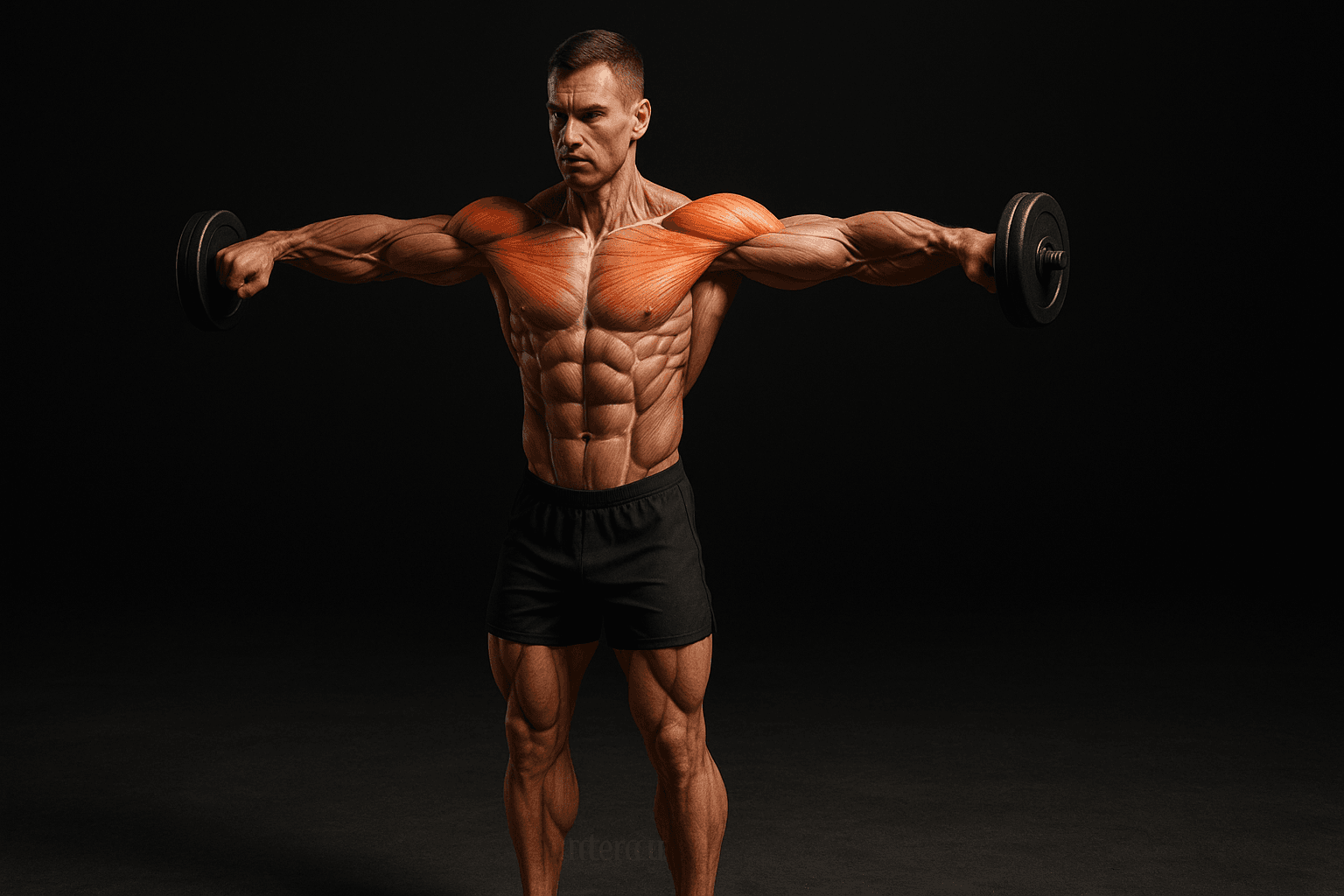
Photo by RepBro.
For most lifters, 3–6 mg of caffeine per kg of bodyweight (so about 210–420 mg for a 70 kg / 154 lb person) taken 30–60 minutes before training reliably improves strength, power and endurance. Use the lower end if you’re caffeine-sensitive; avoid exceeding ~6 mg/kg due to side effects.
How much caffeine should I take before a workout?
The consensus from sports nutrition reviews is 3–6 mg/kg bodyweight. Translate that to practical numbers:
- 60 kg (132 lb): 180–360 mg
- 70 kg (154 lb): 210–420 mg
- 80 kg (176 lb): 240–480 mg
Start at the low end (3 mg/kg) to test tolerance. Doses below 2 mg/kg may still help some people, but benefits are smaller and less consistent. Doses above 6 mg/kg rarely add performance and increase the chance of jitters, nausea, heart palpitations, and sleep disruption.
When should I take it relative to my workout?
Caffeine reaches peak blood levels roughly 30–60 minutes after ingestion. For standard caffeine sources (tablets, coffee), take it 30–60 minutes before the main effort. If you use caffeinated gum or lozenges, onset can be faster (10–20 minutes). For long sessions, a small top-up later can be useful but watch total daily intake.
Does bodyweight matter?
Yes. That’s why mg/kg is the recommended metric: the same absolute dose affects a 50 kg person differently than a 100 kg person. Use your bodyweight to calculate a target range and round to the nearest practical dose (most pills are 100–200 mg; an espresso shot is roughly 60–100 mg depending on size).
Coffee, pills, gum, or energy drinks—which is better?
All forms can work because caffeine is the active compound. The choice depends on dose control, tolerance, convenience, and added ingredients.
| Form | Typical caffeine | Onset | Pros | Cons |
|---|---|---|---|---|
| Caffeine pill | 100–200 mg per tablet | 30–60 min | Precise dosing, minimal extras | Less enjoyable taste |
| Coffee (8 fl oz / 240 ml) | ~80–120 mg (varies) | 30–60 min | Enjoyable, routine | Variable content, stomach issues for some |
| Caffeinated gum | 40–100 mg per piece | 10–20 min | Fast onset, flexible dosing | More costly per mg |
| Energy drink | 80–300+ mg | 30–60 min | Palatable, fluids included | Sugar/other stimulants, variable caffeine |
Use pills or measured coffee when you want exact dosing. Gum is handy for quick pre-sets or during competition when time is short.
What about strength versus endurance — does dose change?
Caffeine enhances many types of performance. For endurance events, lower doses near 3 mg/kg are effective; strength and power tasks also respond to 3–6 mg/kg. If your priority is maximal strength or single-rep power, many athletes do well at 3–4 mg/kg. For long endurance sessions, a slightly lower, steady approach often works best.
How often can I use it and how much per day is safe?
For healthy adults, a common guideline is to limit total daily caffeine to around 400 mg to reduce risk of adverse effects (headache, sleep disruption, GI upset). Pregnant people should follow medical advice (many guidelines suggest lower limits). Habitual use reduces the acute ergogenic effect for some; cycling intake or reserving caffeine for key sessions preserves responsiveness.
How to avoid jitters and sleep problems?
- Stick to the lower end of the 3–6 mg/kg range if sensitive.
- Avoid caffeine late in the day; half-life is roughly 3–6 hours for most people, so stop 6–8 hours before planned sleep to limit disruption.
- Split dose: take two smaller doses (e.g., half 45–60 min before, half immediately pre-workout) if large single doses cause side effects.
- Stay hydrated and don’t mix with excessive alcohol or other stimulants.
Practical examples and quick math
- You weigh 75 kg (165 lb). 3 mg/kg = 225 mg; 4 mg/kg = 300 mg. Two 150 mg pills or ~3 cups (240 ml each) of average coffee will reach that range.
- You weigh 90 kg (198 lb). 3 mg/kg = 270 mg; that’s roughly 2–3 strong espressos or a 200 mg tablet plus a cup of coffee.
Always round to realistic servings and record how you felt and performed.
What the evidence says about performance gains
A robust body of research shows caffeine improves endurance, reduces perceived exertion, and can increase strength and power output. Effects are generally small-to-moderate and individual. Use the 3–6 mg/kg starting point because that’s where most controlled trials saw consistent benefits.
Safety note
If you experience chest pain, severe palpitations, dizziness, or other worrying symptoms, stop and seek medical advice. Never use caffeine to mask severe fatigue or pain. Consult a qualified healthcare professional if you have cardiovascular conditions, are pregnant, or take medications that interact with caffeine.
Limitations — what this guidance and apps cannot do
- An app or article can’t assess your form or correct technique; a qualified coach or clinician must. Stop on sharp pain and consult a professional for injuries.
- Individual responses vary: genetics, habitual intake, medications, and sleep affect caffeine sensitivity and performance outcomes. Track your own data to find what works.
- No amount of pre-workout caffeine compensates for poor program design, insufficient recovery, or inconsistent training. A plan only works if you show up and follow progressive, well-structured training.
If you want to log doses and results alongside your workouts, use a training log to pair intake, timing, and the lifts to find your personal sweet spot.
Summary: Aim for 3–6 mg/kg 30–60 minutes before training. Start low, test, and adjust based on tolerance, sleep, and habitual use. Caffeine is a useful tool, not a substitute for consistent training or proper recovery.
Frequently asked questions
- How long before a workout should I take caffeine?
- Take caffeine 30–60 minutes before exercise for most benefits. Peak blood levels usually occur in that window, so plan your dose around warm-ups. If you use gum or dissolvable forms, onset can be faster (10–20 minutes). Adjust slightly by how you feel during early efforts.
- Is coffee as effective as caffeine pills?
- Yes—coffee can work if you know its caffeine content. Caffeine itself is the ergogenic agent, so 3–6 mg/kg from coffee, pills, gum or drinks can help. Coffee has other compounds that may alter absorption and tolerance for some people; pills give more precise dosing.
- Can I take caffeine every day and keep the same performance boost?
- Regular daily caffeine reduces its acute effects for many people; performance benefits can be smaller with habitual use. Cycling intake or skipping caffeine on easy days can restore responsiveness, but patterns vary individually. Track your own performance to judge effectiveness.