A Complete 4-Day Upper/Lower Program
Practical 4-day upper/lower program: weekly layout, exercise selection, sets/reps, progression rules and who should avoid it. Ready-to-run and evidence-aware.
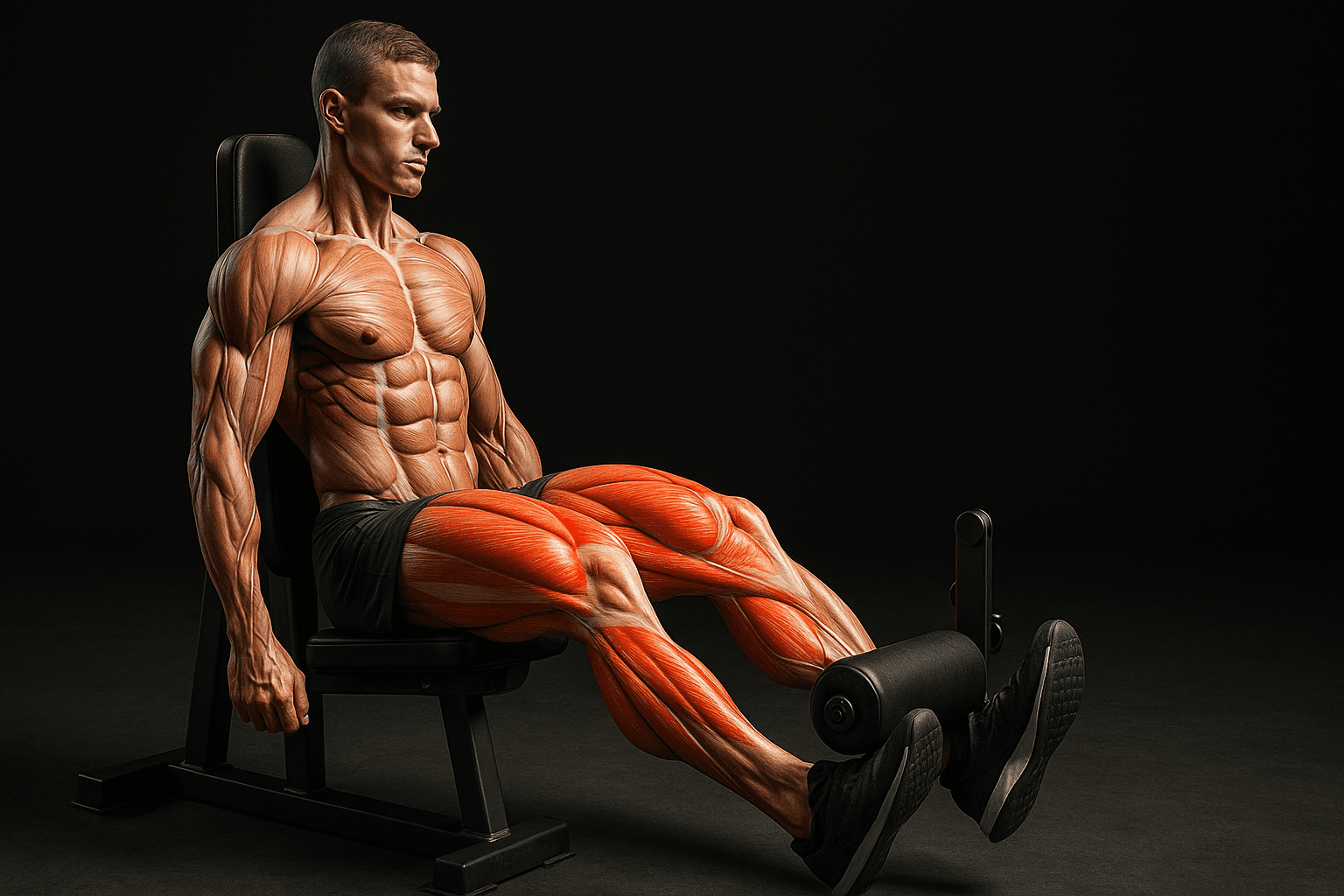
Photo by RepBro.
Does a 4-day upper/lower program work for me?
Yes—an upper/lower 4-day program splits training into two upper and two lower sessions per week, giving enough frequency and volume for strength and hypertrophy for most lifters while keeping sessions focused and recoverable.
What does a practical weekly layout look like?
A common and effective weekly layout is:
- Monday: Upper A (Heavy)
- Tuesday: Lower A (Heavy)
- Wednesday: Rest or light activity
- Thursday: Upper B (Volume)
- Friday: Lower B (Volume)
- Saturday & Sunday: Rest / active recovery
This gives each muscle group two stimulus sessions per week—optimal for many trainees—while separating heavy and higher-volume days to manage fatigue.
Which exercises should I pick and why?
Choose movements to cover the main movement patterns rather than isolated body parts. Each session below lists typical exercises; swap near-equivalents based on equipment or injury history.
Upper A (Strength)
- Barbell bench press: 3–5 sets x 3–6 reps
- Barbell row or weighted bent-over row: 3–4 sets x 4–6 reps
- Overhead press (standing): 3 sets x 4–6 reps
- Accessory: Face pulls 3 x 12–15; Triceps dip or skullcrusher 3 x 6–10
Lower A (Strength)
- Back squat (or front squat): 3–5 sets x 3–6 reps
- Romanian deadlift: 3 sets x 4–6 reps
- Walking lunges or Bulgarian split squats: 3 x 6–8 per leg
- Core: Plank variations 3 x 30–90s
Upper B (Volume)
- Incline dumbbell press: 3–4 sets x 8–12 reps
- Pull-up or lat pulldown: 3–4 sets x 8–12 reps
- Seated dumbbell press or machine: 3 x 8–12
- Lateral raises 3 x 12–15; Hammer curls 3 x 8–12
Lower B (Volume)
- Deadlift variant (trap bar or conventional) light to moderate: 3 sets x 5–8 reps
- Leg press or goblet squat: 3–4 sets x 8–12 reps
- Hamstring curl/Glute-ham raise: 3 x 8–12
- Calf raises 3 x 10–15
Exercise selection logic
- Prioritize 2–3 compounds per session: heavy compound(s) first.
- Cover both horizontal and vertical push/pull on upper days.
- On lower days include one knee-dominant (squat/lunge) and one hip-dominant (deadlift/RDL) movement.
- Use isolation work to address weak links, joint health and balance.
- Make substitutions for equipment/accessibility (e.g., dumbbell split squat for barbell squat).
Safety note on form: stop any exercise that causes sharp or unusual pain. If you have an ongoing condition, consult a qualified professional for individualized guidance; this article provides general programming, not diagnosis.
What rep ranges and set counts should I use?
- Strength-focused sessions: main lifts 3–5 sets of 3–6 reps. Assistance 2–4 sets of 6–10 reps.
- Volume-focused sessions: 3–4 sets of 8–12 reps for main and secondary lifts.
- Total weekly sets per major muscle group: aim for 10–20 work sets across the week. Beginners should be near the lower end; experienced trainees can target the higher end.
Intensity guidance
- For strength days, work in an RPE range of about 7–9 (leaving 1–3 reps in reserve).
- For volume days, stay around RPE 6–8 to accumulate quality reps without excessive fatigue.
How should I progress week-to-week?
Use simple, objective progression rules:
- Auto-regulate sets with reps-in-reserve: if you complete all sets with at least 1 RIR, add load next session.
- When prescribed rep ranges are hit across all sets (e.g., 3 x 6 on a 3–6 rep program), increase weight by the smallest increment available (1–2.5 kg / 2.5–5 lb for upper body; 2.5–5 kg / 5–10 lb for lower body).
- If you can’t add weight, try adding 1–2 reps per set until you reach the top of the range, then add load.
- If you miss reps for two consecutive sessions, reduce load 5%–10% or remove one set and re-build.
- Schedule a lighter (deload) week every 4–8 weeks: reduce load by 40%–60% or cut volume by 50%.
Track numbers (weight x sets x reps) each session. Small, consistent increases are both safer and more sustainable than chasing big jumps.
How do I adjust this plan for experience or time limits?
- Beginner (0–12 months consistent training): do 2–3 sets per exercise, focus on technique, keep weekly sets per muscle at 8–12.
- Intermediate (1–3 years): follow program as written with 3–5 sets on main lifts.
- Time-limited (3 workouts/week): switch to an upper/lower/full or full/upper/lower rotation—avoid cutting core compound work.
Who is this approach wrong for?
- Complete beginners who should start with 2–3 full-body sessions to learn movement patterns before splitting days.
- Athletes in-season with high skill or practice loads—this plan can interfere with sport-specific work unless volume is reduced.
- People with recovery constraints (chronic sleep loss, severe stress, or unmanaged medical conditions) who cannot recover from 4 intense sessions weekly.
- Lifters seeking maximal short-term muscle size in a single muscle group (bodybuilders focused on specialization may want higher frequency for target muscles).
How does this compare with other splits?
Upper/lower 4-day offers a middle ground between full-body (higher frequency, fewer exercises per session) and body-part splits (higher per-session volume, lower frequency). For a quick compare, see the RepBro comparison guide: https://www.repbro.app/vs.
If you want to import or run this template in an app, consider using the RepBro app to track sets, weights and progression.
One-sentence takeaway: A 4-day upper/lower split delivers balanced frequency and volume for most lifters—use compound-first sessions, clear progression rules, and deloads to make steady, sustainable progress.
Frequently asked questions
- How often should I run this 4-day upper/lower program?
- Run it for 8–12 weeks before a planned change; schedule it year-round if recovery, sleep and nutrition allow. Include a deload week every 4–8 weeks.
- Do I need a coach or special equipment?
- No—basic barbells, dumbbells and a squat rack cover the plan. A coach helps with technique and programming details but isn’t required for following the template.
- How do I progress if I hit a plateau?
- First add reps within the prescribed range; then add a small amount of weight (1–2.5 kg / 2.5–5 lb). If progress stalls, reduce volume or take a deload week and check recovery and nutrition.