Program Hopping: Why It Kills Your Progress
Program hopping stalls strength and muscle gains by denying progressive overload and consistent volume. Practical weekly plans, exercise selection, progression rules, and who should avoid rapid program switching.
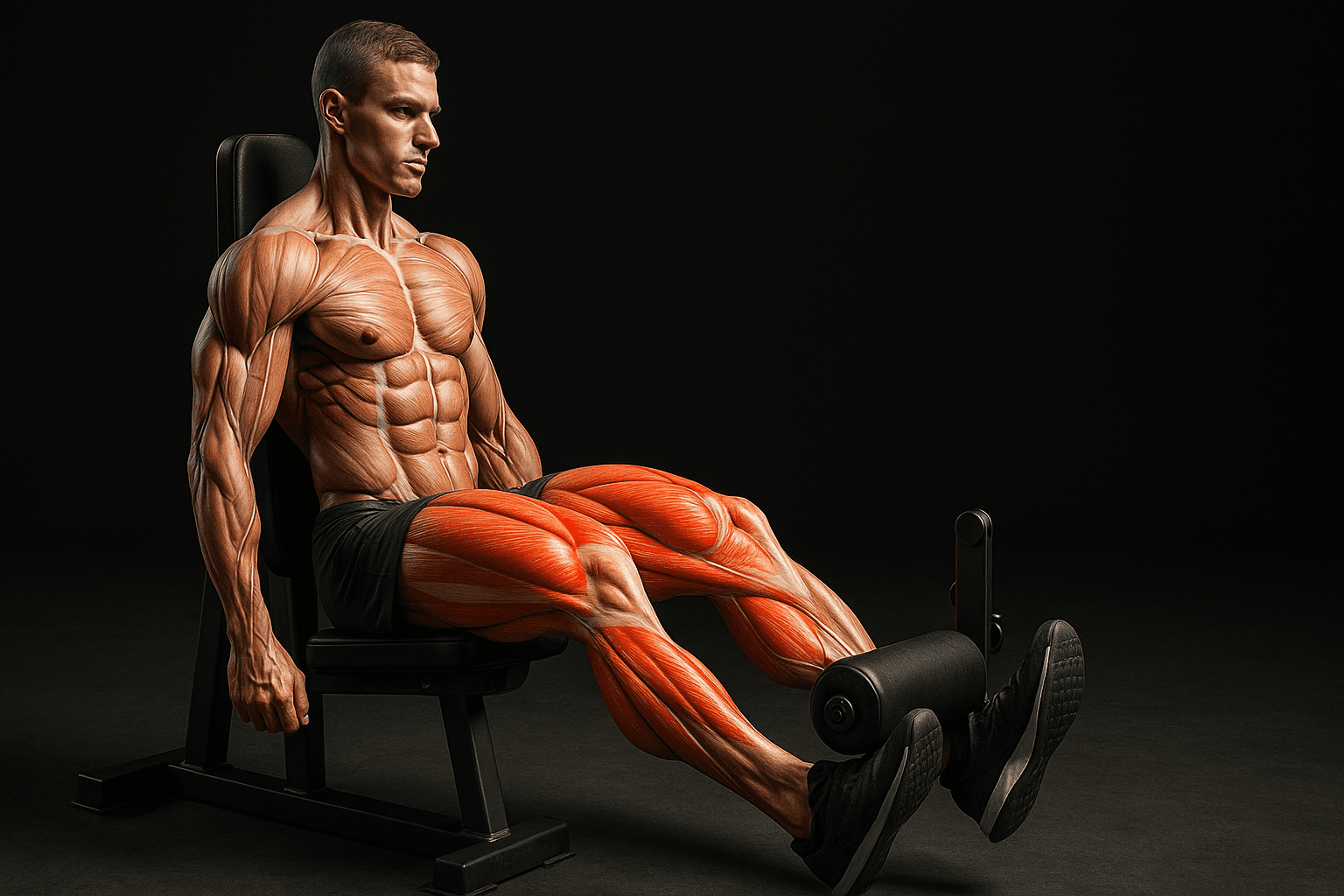
Photo by RepBro.
Program hopping—switching programs every few weeks—kills progress because it prevents accumulated progressive overload, consistent volume, and skill practice. Strength and muscle growth require repeated, incremental stress over weeks; constant changing interrupts adaptation, recovery planning, and hides whether a method truly works.
What exactly is 'program hopping' and why does it slow progress?
Program hopping is frequent, unsystematic switching between training templates (e.g., a 4-week strength cycle, then a 5-week hypertrophy plan, then a bodybuilding split). The main problems:
- No accumulated progressive overload: strength and hypertrophy require gradual load or volume increases over time.
- Inconsistent weekly volume and frequency: muscles need a range of weekly sets repeated over weeks to adapt.
- Poor skill practice: heavy lifts require technical repetition; you can't improve if you keep changing rep schemes and exercises.
- Confounded assessment: you can’t tell which program details helped or hurt when you change variables every few weeks.
These are not bro claims — they follow foundational principles in resistance training: progressive overload, sufficient weekly volume and frequency, and planned recovery.
How much volume and frequency do I actually need instead of chasing new templates?
Evidence-based practice suggests targeting a consistent weekly structure. Practical ranges:
- Frequency: aim to hit each major muscle group 2–3 times per week for most lifters.
- Weekly effective sets per muscle: roughly 8–20 sets, lower for beginners and higher for advanced trainees.
- Intensity and rep ranges: use rep ranges that match the goal (e.g., 3–6 for strength emphasis, 6–12 for hypertrophy, 12+ for conditioning/volume work).
The key is consistency: pick a weekly set total and distribute it across sessions so volume and intensity accumulate predictably over weeks.
What does a concrete weekly layout look like (novice → intermediate)?
Below are actionable templates you can run for 8–12+ weeks before changing major variables.
- Novice linear (3 days/week)
- Day A: Squat 3x5, Bench 3x5, Row 3x8
- Day B: Deadlift 1x5, Overhead Press 3x5, Pull-up 3x6–8
- Alternate A/B, adding load when you complete all prescribed reps across sets.
- Intermediate upper/lower (4 days/week)
- Upper A: Bench 4x6–8, Row 4x6–8, Accessory 3x8–12
- Lower A: Squat 4x5, Romanian DL 3x6–8, Hamstring 3x8–12
- Upper B: OHP 4x6–8, Pull-up 4x6–8, Accessory 3x8–12
- Lower B: Deadlift 3x4–6, Front Squat 3x6–8, Calves 3x10–15
- Hypertrophy-focused push/pull/legs (5–6 days/week)
- Push: Bench 4x8–12, Incline 3x8–12, Overhead 3x6–10, Triceps 3x10–15
- Pull: Row 4x8–12, Pull-up 4x6–10, Curls 3x10–15
- Legs: Squat 4x6–10, Romanian DL 3x8–12, Leg Press 3x10–15
Run whichever template for at least 8 weeks while tracking sets, reps, and loads.
What is the exercise selection logic I should use instead of copying random splits?
Choose one compound per movement pattern and 1–3 accessory movements:
- Movement patterns: squat, hinge, horizontal push, horizontal pull, vertical push, vertical pull.
- Priority: place the technically demanding, heavy lifts early in the session.
- Accessories: pick movements that address weak links and add volume (e.g., glute ham raises, single-leg work, face pulls).
- Progression-friendly choices: prefer lifts you can load incrementally (barbell variations, dumbells with microplates).
Keep exercises stable for a block so technique improves and you can add load reliably.
What are simple, evidence-based progression rules?
Use a small set of clear rules and track them:
- Rep-target progression: if you hit the top of the rep range on all sets for an exercise for two workouts in a row, increase load next session.
- Load increments: add small, practical jumps (e.g., 1–2.5 kg for upper-body lifts, 2.5–5 kg for lower-body lifts) or the smallest step your gym allows.
- Auto-regulate: if you miss targets but feel capable, hold weight and aim to complete reps next session; if performance drops across sessions, reduce volume or take a deload.
- Deloads: plan a lighter week every 4–8 weeks or whenever performance, sleep, or motivation consistently decline.
How does this compare to program hopping?
| Metric | Program Hopping | Consistent Blocked Approach |
|---|---|---|
| Accumulated overload | Low | High |
| Skill/technique gains | Poor | Good |
| Ability to diagnose problems | Hard | Easy |
| Recovery planning | Reactive | Proactive |
The blocked approach reliably wins for measurable strength and hypertrophy outcomes because it controls variables you can influence.
Who is program hopping wrong for?
- Beginners: they need repeated practice of core lifts to build strength and motor patterns.
- Intermediate lifters seeking measurable strength or muscle gains: they require accumulated volume and progressive overload across months.
- Anyone tracking progress: short-term experiments create noisy data, making it hard to know what worked.
Program variation has a role (periodic change to address plateaus or prevent boredom), but it should be structured within a longer-term plan.
What safety considerations and limits apply?
Stop on sharp pain and unusual joint sensations; train within pain-free ranges and consult a qualified clinician for suspected injuries. This article does not diagnose injuries or prescribe rehabilitation. No plan guarantees prevention of injury.
What apps or AI can't do (limitations)
- No app or AI can reliably see or correct your movement quality in real time; a coach or video feedback is necessary for detailed technique cues.
- Apps can't diagnose medical issues or replace a physiotherapist for injury rehab.
- A plan is only as good as your adherence — consistency and recovery matter more than the shiny program.
If you want to log consistent blocks and track weekly progression simply, tools such as RepBro can help, but they don’t replace objective assessment from a coach.
In short: pick a sensible template, stick with it for a meaningful block (8+ weeks), track load/sets/reps, and apply small, planned progressions. That approach outscores frequent, unstructured program changes for most lifters.
Frequently asked questions
- How often should I change my training program?
- Change programs only after you’ve run a reasonable block and tracked progress—typically 8–12 weeks for novices and 12–24+ weeks for intermediates. Frequent switching prevents sufficient accumulation of volume, skill practice, and progressive overload needed for measurable gains.
- Can program hopping ever help?
- Short-term variety can help break boredom and expose weaknesses but should be planned. Use microcycles of variation within a consistent program rather than switching systems every few weeks, so you still accumulate weekly volume and progressive overload.
- How long before a program shows whether it works?
- You need several weeks to assess a program. Expect measurable strength or body-composition changes over multiple training blocks; for most lifters, 8–16 weeks provides clearer evidence than 2–4 week trial periods, which are too short to isolate true progress.