Powerbuilding Program: How to Combine Strength and Hypertrophy in One Plan
Actionable powerbuilding program with weekly layout, exercise selection, progression rules, and who should avoid it. Evidence-aligned, practical guidance for lifters.
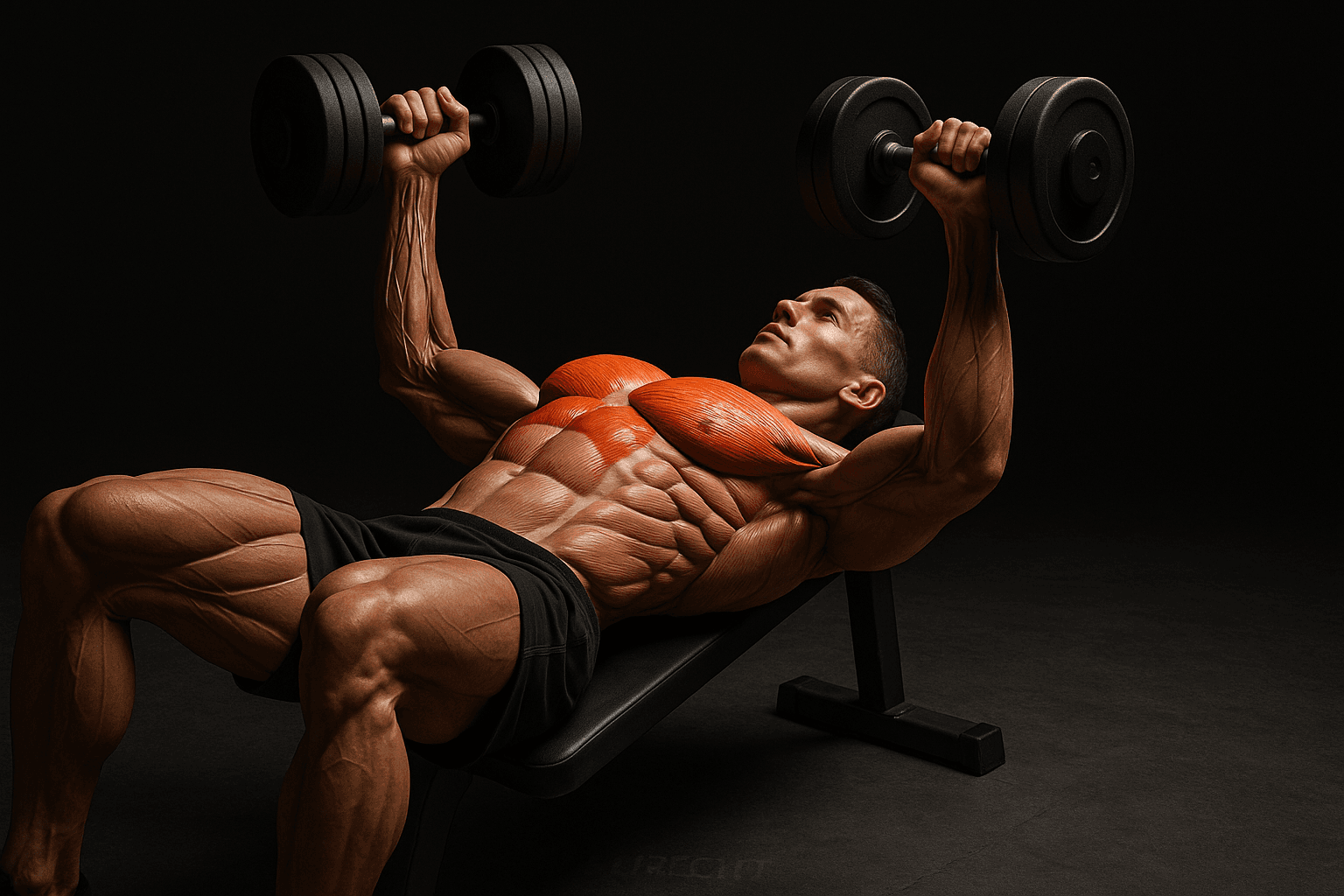
Photo by RepBro.
Short answer: A powerbuilding program blends planned low-rep strength work on core lifts with higher-volume hypertrophy sessions. Structure it so compound lifts anchor heavy days and accessory work drives weekly muscle-specific volume (aim for roughly 10–20 weekly sets per muscle), progress by small weight or rep increments, and deload regularly.
What is a powerbuilding program and why would I choose it?
Powerbuilding intentionally combines two goals: raise maximal strength (neural adaptations) and increase muscle size (mechanical tension and metabolic stress). Unlike single-focus routines, it assigns specific sessions or sets to emphasize low-rep heavy work (strength) and separate sets or days for higher-rep, higher-volume work (hypertrophy). Choose it if you want both stronger lifts and a more muscular physique without specializing exclusively in one.
How do I structure a practical weekly layout?
Below is a straightforward 4-day split suited to most lifters who can train 4×/week. It balances heavy compound work and higher-volume sessions while hitting muscles ~2×/week.
-
Day 1 — Upper Strength
- Main lift (bench press or variation): 4–6 sets × 2–5 reps
- Upper-row heavy: 3–5 sets × 3–6 reps
- Light accessory (triceps, rear delts): 2–3 sets × 8–12 reps
-
Day 2 — Lower Strength
- Main lift (squat or deadlift variant): 3–6 sets × 2–5 reps
- Posterior chain heavy (Romanian deadlift or good morning): 3–4 sets × 4–8 reps
- Core/bracing work: 2–4 sets × 8–15 reps
-
Day 3 — Upper Hypertrophy
- Horizontal push (incline/flat dumbbell): 4 sets × 6–12 reps
- Horizontal pull (rows, pulldowns): 4 sets × 6–12 reps
- Shoulders, arms: 3–4 exercises × 3–4 sets × 8–15 reps each
-
Day 4 — Lower Hypertrophy
- Squat/leg press variants: 4 sets × 8–15 reps
- Hamstring-focused work (leg curl/RDL): 3–4 sets × 8–15 reps
- Calves, glutes, core accessories: 3–4 sets × 8–20 reps
Beginners can replace the heavy/light separation with full-body sessions 3×/week following a similar logic (heavy compounds then accessories).
Which exercises should I pick and why?
Pick variants that allow progressive loading, good technique, and fit your recovery capacity.
- Prioritize multi-joint compounds: squat, deadlift variants, bench press, overhead press, rows, and pull-ups. These produce greatest systemic stimulus for strength and size.
- Use accessory lifts to target weak points and increase weekly volume: lunges, Romanian deadlifts, dumbbell presses, face pulls, curls, triceps extensions.
- Rotate variations every 4–8 weeks to manage joint stress and address technique weaknesses.
- Distribute volume so no major muscle group receives less than ~10 sets per week, and larger muscle groups like quads and back may need 12–20 weekly sets depending on goals and recovery.
How should I progress load, reps, and weekly volume?
Progressive overload is the core rule.
- Strength sets: increase load when you can complete all target sets and reps with good technique. Small increments (microplates or 1–2.5 kg/2–5 lb jumps) are common.
- Hypertrophy sets: add reps first (work toward top of rep range), then add weight when you can complete the top reps across your sets.
- Weekly volume: for most trainees, aim 10–20 effective weekly sets per muscle; beginners often need less, intermediates toward the higher end.
- Autoregulate: use RPE, rep-based rules (add weight when you hit top reps), or percentage-based plans for long-term progression.
If you stall for more than 2–4 weeks, reduce volume or intensity for a week (see deload), adjust nutrition, or re-evaluate technique.
How often should I deload and what does that look like?
Deload every 4–12 weeks depending on workload, intensity, and how you feel. A practical deload reduces training volume by around 30–50% and/or lowers intensity (use lighter loads or fewer sets) for 5–7 days. The goal is to restore performance capacity, not to avoid work entirely.
How does powerbuilding compare with powerlifting or bodybuilding?
| Focus | Typical Rep Ranges | Weekly Frequency | Primary Goal |
|---|---|---|---|
| Powerbuilding | 1–6 (strength), 6–15 (hypertrophy) | 3–5×/week | Strength + size |
| Powerlifting | 1–6 | 3–6×/week (lift-specific) | Maximal strength in 3 lifts |
| Bodybuilding | 6–20+ | 3–6×/week (muscle-focused) | Maximal hypertrophy |
This table is a simplification: individual programs vary, but it illustrates the blended nature of powerbuilding.
Who is powerbuilding the wrong approach for?
Powerbuilding is not ideal if you must specialize: competitive powerlifters focusing on weight class peaking, or bodybuilders in a contest prep wanting absolute peak muscle detail and conditioning. Also avoid it if you have limited recovery capacity (very high stress, poor sleep, injury-prone) — the dual demands can be taxing. Novices who prefer simplicity may benefit more from straightforward linear strength or hypertrophy starters before blending both.
What can't an app or AI do for my powerbuilding plan?
No app or AI can physically assess or correct your movement pattern, fully account for day-to-day soreness, or replace a qualified coach for technique diagnosis or injury management. Apps are tools for tracking sets, loads and progression; they cannot supervise live form or deliver medical advice. Track consistently and consult professionals for technique or rehab. Tools that log training, like RepBro, can help you measure progression objectively.
Safety note
Stop any lift immediately if you feel sharp or unusual pain. Use appropriate warm-ups and technique, and consult a qualified coach or medical professional for persistent pain or injury. This article does not diagnose conditions or promise injury prevention.
Limitations
A written program can guide load, volume and progression, but it cannot observe your form, assess individual biomechanics, or manage clinical injuries. Apps and AI can help track trends but cannot replace hands-on coaching for technical fixes or a clinician for rehabilitation. Finally, even the best plan requires consistent adherence; progress depends more on regular, progressive training and recovery than on the specific app or micro-optimizations.
If you want a one-page starter: begin with a 4-day split as above, target 10–20 weekly sets per muscle, use 1–6 reps for heavy strength work and 6–15 reps for hypertrophy, progress incrementally, and schedule deloads every 4–12 weeks depending on fatigue and performance.
Frequently asked questions
- How many training days per week does a powerbuilding program need?
- Powerbuilding typically works well with 3–5 workouts per week. A common, practical choice is four sessions: two strength-focused days and two higher-volume hypertrophy days. That frequency lets you hit each muscle roughly 2 times per week, which aligns with current evidence for combined strength and size gains.
- What rep ranges should I use for strength vs hypertrophy in a powerbuilding program?
- Use low reps (1–6) and heavy loads for primary strength sets on bench, squat and deadlift variants. Use moderate reps (6–15) for accessory and hypertrophy work. Mixing these ranges weekly lets you target neural adaptations and mechanical tension associated with muscle growth.
- How should I progress if I'm not gaining strength or size?
- Prioritize progressive overload: add small weight increments or extra reps when you hit your rep targets across sets. If stalled, reduce volume or intensity briefly, improve recovery, and track nutrition. For intermediates, use autoregulation (RPE or AMRAP) and plan a systematic deload every 4–12 weeks.