Greyskull LP Explained: A Beginner Linear Progression
Clear, actionable guide to Greyskull LP: weekly layout, exercise choices, progression rules, deloads, and who should avoid it. Practical for beginners and coaches.
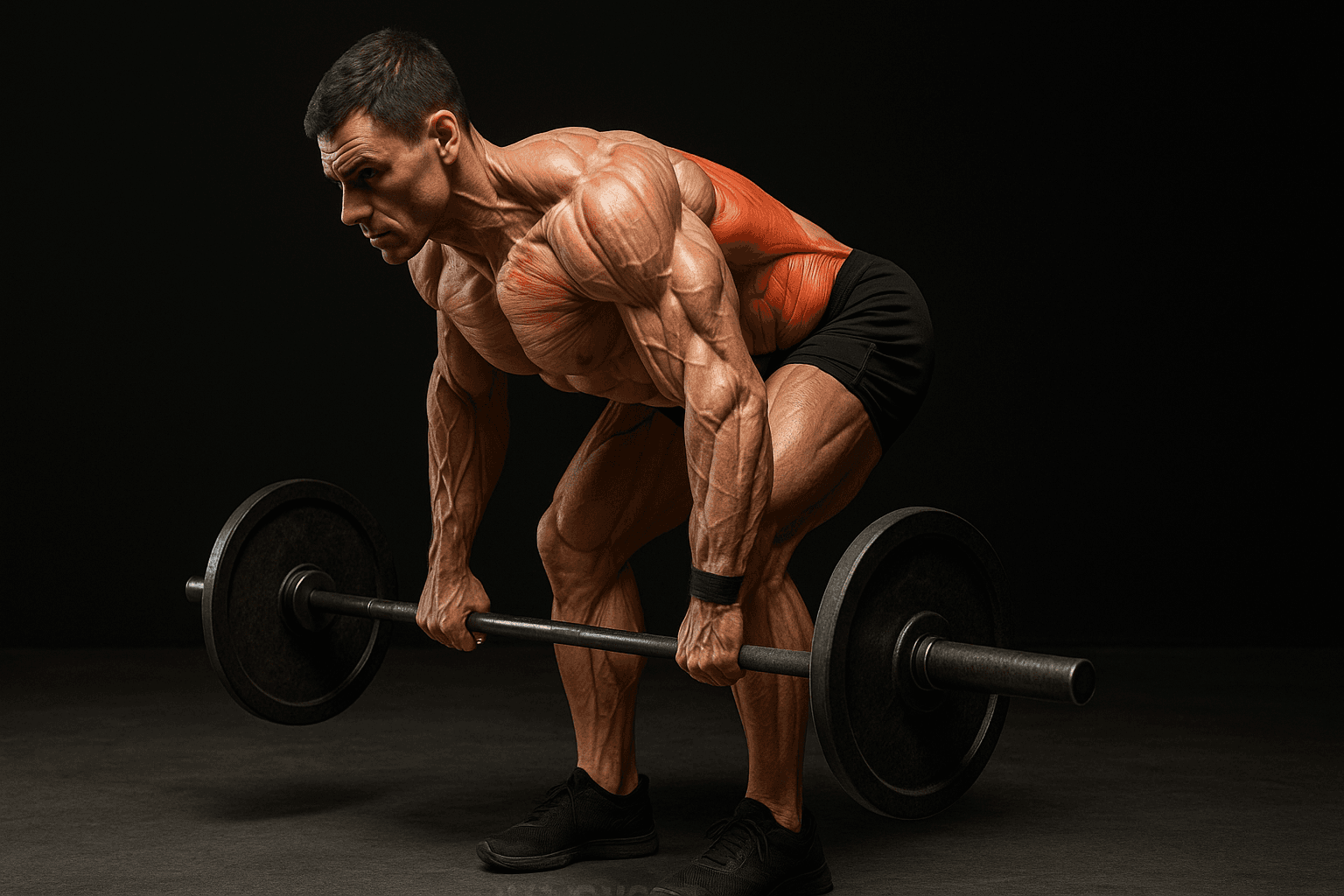
Photo by RepBro.
Greyskull LP is a beginner-focused linear progression built around three weekly sessions that alternate A/B workouts. Each session uses heavy compounds, low fixed sets with an AMRAP (as-many-reps-as-possible) final set, and small, regular weight increases. It balances simplicity, frequency and autoregulation.
What is Greyskull LP and who invented it?
Greyskull LP is a pragmatic novice program created by coach John 'Grizzly' Sheaffer. It keeps the core of novice linear progression—frequent practice of core lifts and small regular increases—while adding an AMRAP set and flexible accessory work so trainees can autoregulate volume.
How do I schedule workouts each week?
- Frequency: three non-consecutive sessions per week (e.g., Mon/Wed/Fri).
- Alternating layout:
- Week 1: A / B / A
- Week 2: B / A / B
- This gives 3 practice sessions per lift every two weeks, enough stimulus for most beginners without excessive fatigue.
Sample weekly layout (concrete):
-
Workout A
- Squat: 2 sets × 5, then 1 AMRAP set at RPE ~8–9
- Bench Press: 2 sets × 5, then 1 AMRAP set
- Chin-ups or Rows: 2–4 sets of 6–10 or weighted if able
-
Workout B
- Squat: 2 sets × 5, then 1 AMRAP set
- Overhead Press: 2 sets × 5, then 1 AMRAP set
- Deadlift: 1 set × 5 (or 2 heavy sets if tolerated)
Adjust accessory work to 3–6 total additional sets of manageable volume.
Why these exercises and how to choose accessories?
Greyskull focuses on squat, bench, press, deadlift and a horizontal pull or chin-up. These hit major movement patterns—vertical push/pull, horizontal push/pull, hinge and squat—which give the broadest strength and size return for time invested.
Accessory logic: pick 1–2 accessories per session to address weaknesses or balance muscle groups (e.g., hamstring or upper back work). Keep accessory sets submaximal and avoid accumulating failure across many sets.
How does progression work (AMRAP, increments, resets)?
- AMRAP rule: On the final set (usually third set), perform as many clean reps as possible without missing; stop 1–2 reps short of technical breakdown. If you hit or exceed the target range (commonly 5 reps for main lifts), add weight next session for that lift.
- Typical increment guidance used by many lifters: add 2.5 kg (5 lb) to upper-body lifts and 5 kg (10 lb) to lower-body lifts. Use smaller increments if available, especially for smaller lifters.
- Resets: If AMRAP falls well below target across two sessions, reduce weight (a commonly used reset is ~10%) and rebuild. The reset preserves long-term progression and prevents chronic form breakdown.
These rules are practical autoregulation—letting work capacity guide progression while keeping jumps conservative.
How many sets, reps and total weekly volume should I do?
- Main lifts: 2 working sets of 5, then 1 AMRAP set (per session). Deadlifts often are only 1 heavy set of 5.
- Accessories: 3–6 sets total per session, higher rep ranges (6–15) and not to technical failure.
This dose of volume is within common novice recommendations: enough weekly practice to drive neural and hypertrophic adaptations, but low enough to allow recovery between sessions.
How do I manage stalls and deloads?
- If you stall on a lift (can’t hit AMRAP target for two sessions), deload that lift by lowering weight and focus on technique and volume pacing for 1–2 weeks.
- A formal week-long deload can be useful after several weeks of progression or when several lifts plateau; reduce intensity (target RPE ~6–7) or volume by ~40–60%.
These are pragmatic approaches consistent with general training principles for beginners: manage fatigue, prioritize technical quality, and step back to regain progress.
How does Greyskull LP compare to other novice programs?
| Program | Sets × Reps | Progression style | AMRAP included? |
|---|---|---|---|
| Greyskull LP | 2×5 + 1 AMRAP | Small, regular jumps; autoregulated | Yes |
| StrongLifts 5×5 | 5×5 | Fixed 2.5–5 kg increases each session | No |
| Starting Strength | Multiple sets, focus on low reps | Linear jumps, coach-driven | No |
This comparison highlights Greyskull’s autoregulation (AMRAP) and lower set volume, which can suit trainees who prefer fewer heavy sets and want a built-in progress test each session.
Who is Greyskull LP wrong for?
- Advanced lifters: those past linear gains need periodized, higher-volume or intensity tactics.
- People with limited recovery capacity (very high external stress, hard manual labor, insufficient sleep or nutrition) may struggle to progress.
- Athletes with complex sport-specific demands may require a more tailored program.
- Those who need supervised technical coaching for lifts (e.g., serious injury history) should not rely on an unsupervised novice template.
What safety precautions should I follow?
Stop exercising on any sharp or joint pain and seek assessment from a qualified professional. Maintain tight technique, use spotters or safety equipment for heavy bench and squat work, and progress conservatively. This article is informational; it does not diagnose or guarantee injury prevention.
What can't apps or AI coaching do? (Limitations)
- Apps and AI can track sets, reps and suggest progressions, but they cannot watch or correct your form in real time.
- No digital coach can perform a hands-on assessment for pain, structural asymmetry, or prescribe medical rehab—see a qualified clinician for injuries.
- Consistency, sleep, nutrition and technique practice matter more than app choice—showing up and smart load management drive results.
If you use a tracking tool to log AMRAP sets and auto-calculate increments, a single app like RepBro can simplify record-keeping without replacing coaching.
Final note: Greyskull LP is a practical, evidence-aligned novice approach emphasizing frequent skill practice, conservative increases and autoregulation through AMRAP sets. Use conservative weight jumps, limit accessory failure, and prioritize recovery and technique for steady progress.
Frequently asked questions
- Is Greyskull LP good for absolute beginners?
- Greyskull LP is well-suited for absolute beginners because it uses simple compound lifts, frequent practice and linear progression to build strength while you can recover between sessions. It requires basic technique and consistent attendance; beginners should prioritize form and modest weight jumps.
- How quickly should I add weight on Greyskull LP?
- Progression is per successful session: add small increments when you hit the target rep goals on the AMRAP set. Typical increments are conservative—small jumps that you can recover from—and you should reset or reduce weight if you repeatedly fail AMRAP targets.
- Can I combine Greyskull LP with extra cardio or sport training?
- Yes, but manage volume and recovery. Keep cardio low to moderate intensity and avoid adding heavy, fatiguing lifting on other days. If you can’t recover between sessions or your AMRAP reps drop, scale back conditioning volume or frequency.