Home Workout vs Gym: Where Should a Beginner Actually Start?
Choose between home workouts vs gym based on your budget, goals, and schedule. Home training costs $200-500 upfront vs $600+ annually for gyms, with similar muscle-building results.
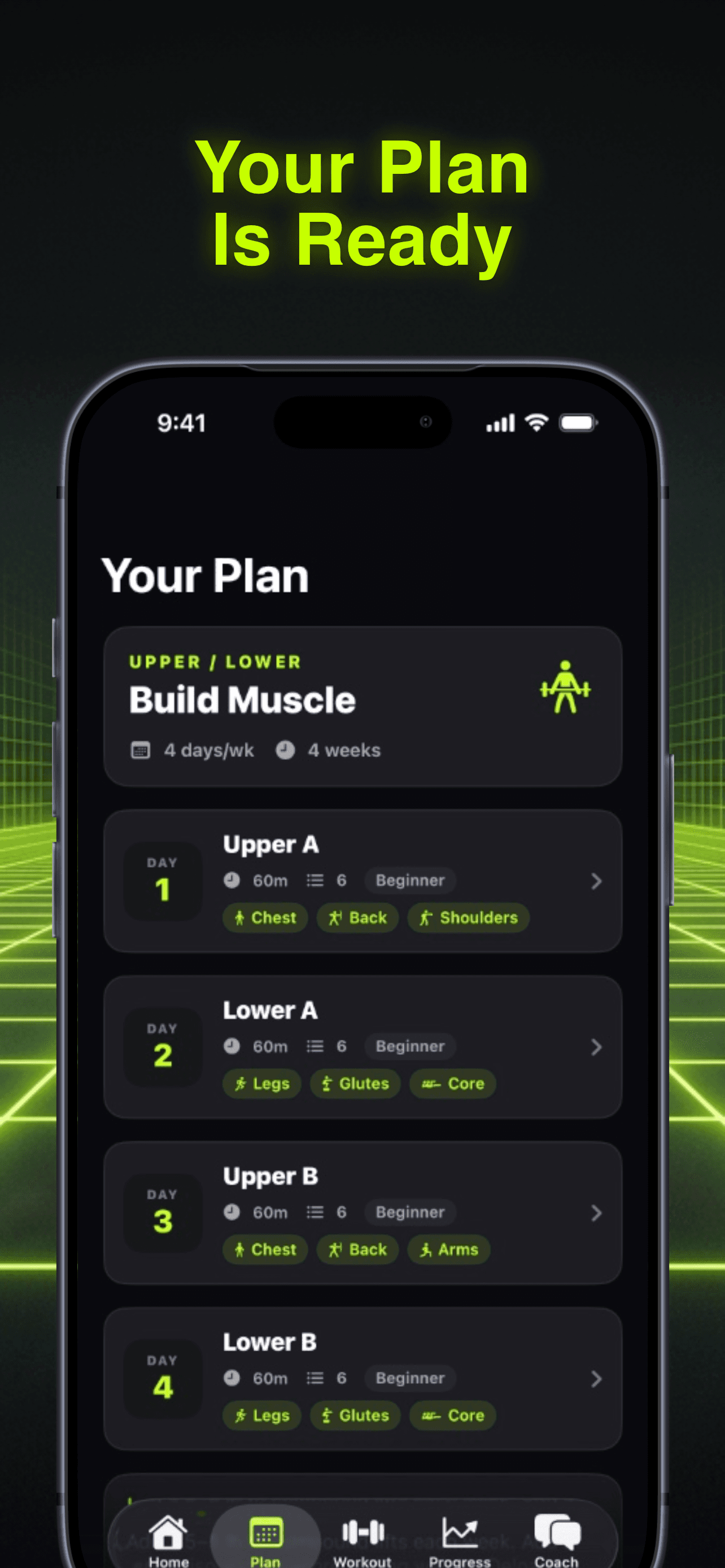
Photo by RepBro.
You're standing at the fitness crossroads every beginner faces: start working out at home or join a gym? The answer isn't what most fitness influencers tell you.
For most beginners, home workouts deliver 85-90% of gym results at half the cost. You'll build muscle, lose fat, and get stronger with minimal equipment if you follow a structured program. The gym wins on convenience and equipment variety, but only if you'll actually use it consistently.
Here's how to make the right choice for your situation, budget, and goals.
The Real Cost Breakdown: Home vs Gym
Home Workout Investment
A functional home setup costs $200-500 upfront:
- Adjustable dumbbells: $150-300
- Resistance bands set: $30-50
- Pull-up bar: $25-40
- Exercise mat: $20-30
That's it. You're equipped for years of effective training.
Gym Membership Reality
The average gym membership runs $35-50 monthly, plus hidden costs:
- Annual membership: $420-600
- Initiation fees: $50-150
- Gas and time: $200+ annually
- Protein shakes and extras: $300+ annually
Total first-year gym cost: $970-1,250
The math favors home training by a wide margin.
Training Effectiveness: What the Research Shows
Both environments can build muscle and strength effectively. The key variables are progressive overload, consistency, and program structure—not location.
Home training advantages:
- Zero commute time increases adherence
- No gym intimidation factor
- Complete control over music and environment
- Can train in minimal clothing/barefoot
Gym training advantages:
- Heavier weights for advanced progression
- Specialized machines for isolation work
- Social accountability and energy
- Professional-grade equipment variety
For beginners, the equipment limitation of home training rarely matters. You'll progress for 6-12 months on basic movements before needing heavier weights.
The Equipment Reality Check
What You Actually Need at Home
Forget the Instagram home gym setups. Effective training requires:
Tier 1 (Essential): $200-300
- Adjustable dumbbells (5-50 lbs each)
- Resistance bands with door anchor
- Pull-up bar or suspension trainer
Tier 2 (Nice to Have): $300-500
- Adjustable bench
- Barbell with plates
- Kettlebell (35-53 lbs)
Tier 3 (Advanced): $500+
- Power rack or squat stand
- Olympic barbell and plates
- Cable system
Most beginners never need Tier 3 equipment. Dumbbells and bands can take you incredibly far.
Gym Equipment Advantages
Commercial gyms offer equipment most home setups can't match:
- Cable machines for constant tension
- Leg press and hack squat machines
- Heavy barbells (45+ lbs per side)
- Specialized tools (GHD, reverse hyper, etc.)
But here's the truth: beginners don't need specialized equipment. Basic compound movements with progressive overload drive 90% of early results.
The Consistency Factor
Home workouts win on convenience. No commute, no parking, no waiting for equipment. You can knock out a 30-minute session before work or during lunch breaks.
Gyms win on environment and accountability. Being around other people training can boost motivation and effort. The dedicated space helps some people get into "workout mode."
The best environment is the one you'll use consistently. If you're the type who needs external motivation, the gym might be worth the extra cost. If you prefer privacy and convenience, home training is ideal.
Decision Framework: Choose Your Path
Ask yourself these four questions:
1. What's your monthly discretionary budget?
- Under $50: Home training is the clear choice
- $50-100: Either option works financially
- $100+: Gym membership won't strain your budget
2. How much space do you have?
- Small apartment: Resistance bands and bodyweight
- Spare room/garage: Full home gym potential
- No dedicated space: Gym makes more sense
3. What are your goals?
- General fitness/fat loss: Home training is perfect
- Powerlifting/heavy strength: Eventually need a gym
- Bodybuilding: Either works, gym has more variety
4. What's your personality type?
- Self-motivated: Home training advantage
- Need external push: Gym environment helps
- Easily distracted at home: Gym provides focus
Sample Beginner Programs for Each Environment
Home Workout Split (3x/week)
Day 1: Upper Body
- Push-ups or dumbbell press: 3x8-12
- Dumbbell rows: 3x8-12
- Overhead press: 3x8-12
- Band pull-aparts: 2x15-20
Day 2: Lower Body
- Goblet squats: 3x12-15
- Romanian deadlifts: 3x10-12
- Lunges: 2x10 each leg
- Calf raises: 2x15-20
Day 3: Full Body
- Dumbbell thrusters: 3x8-10
- Renegade rows: 2x6 each arm
- Bulgarian split squats: 2x8 each leg
- Plank: 2x30-60 seconds
Gym Beginner Split (3x/week)
Day 1: Upper Body
- Bench press: 3x8-10
- Seated cable row: 3x8-10
- Overhead press: 3x8-10
- Lat pulldown: 2x10-12
Day 2: Lower Body
- Squat: 3x8-10
- Romanian deadlift: 3x8-10
- Leg press: 2x12-15
- Calf press: 2x15-20
Day 3: Full Body
- Deadlift: 3x5
- Incline dumbbell press: 3x8-10
- Barbell row: 3x8-10
- Leg curl: 2x10-12
Both programs will build muscle and strength effectively with consistent progression.
Making the Switch Later
Starting at home doesn't lock you in forever. Many successful lifters begin with home workouts, then transition to gyms as their needs evolve.
Signs it's time to consider a gym:
- You've outgrown your home equipment weight limits
- You want to try powerlifting or Olympic lifting
- You're plateauing and need exercise variety
- You miss the social aspect of training
Signs to stick with home training:
- You're still progressing consistently
- Time constraints make gym visits difficult
- You prefer the privacy and convenience
- Budget is a primary concern
The transition can happen gradually. Keep your home setup and add a gym membership, using both as needed.
The Bottom Line
Most beginners should start with home workouts. You'll save money, build the habit without intimidation, and achieve excellent results with basic equipment.
Consider a gym if you have the budget, enjoy the social environment, and can commit to regular visits. Don't join thinking you "should" use a gym—join because it genuinely fits your lifestyle and preferences.
The best workout plan is the one you'll actually follow. Whether that's in your living room or a commercial gym matters less than showing up consistently and progressively challenging your muscles.
Pick your environment, get a structured program, and start training. You can always adjust your approach as you learn what works best for your body and schedule.
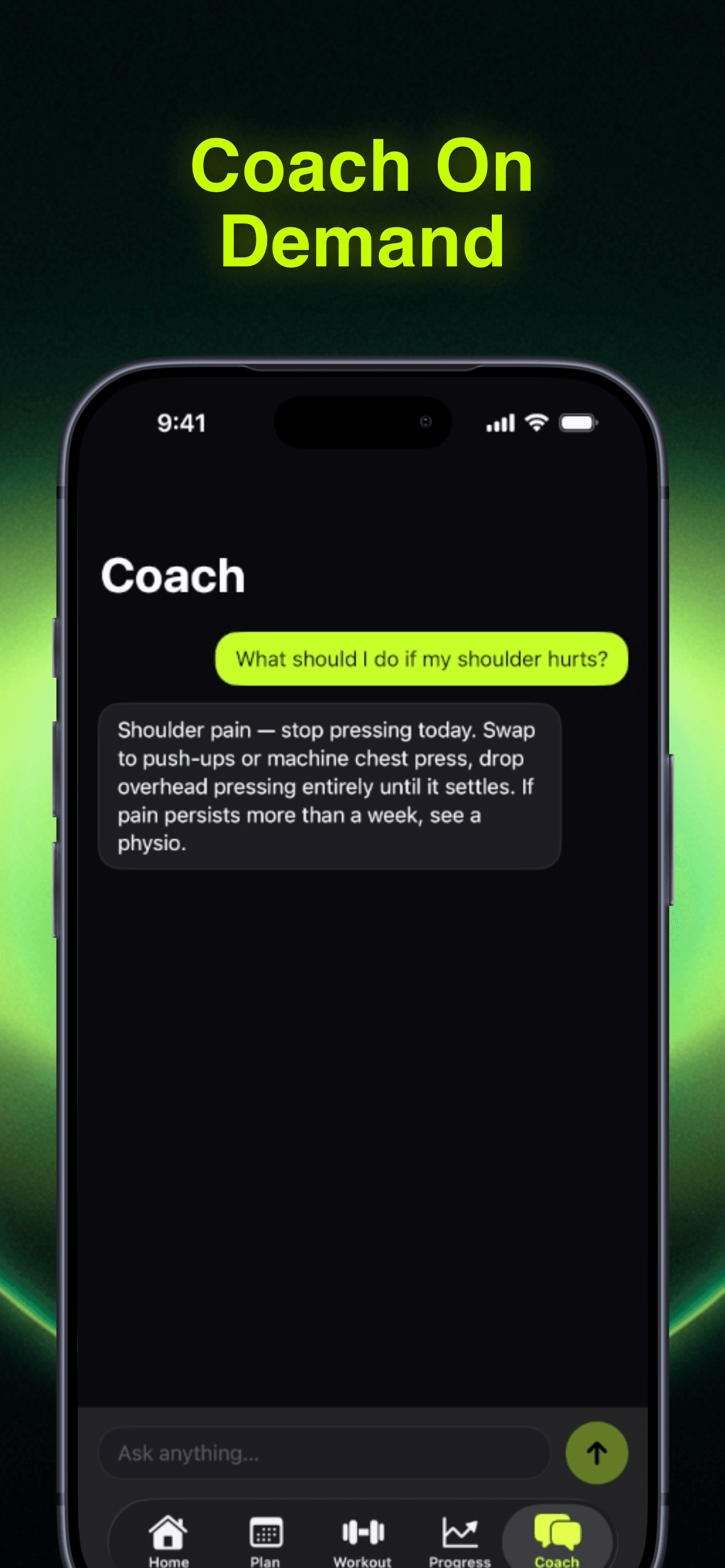
Ready to start training consistently, regardless of where you choose to work out? RepBro creates personalized workout plans for any environment—home, gym, or anywhere in between.
Frequently asked questions
- Can you build muscle effectively with home workouts?
- Yes, home workouts can build muscle just as effectively as gym training when you follow progressive overload principles. Studies show similar muscle growth between home and gym training when volume and intensity are matched. The key is having adjustable resistance (dumbbells, bands) and a structured program.
- How much does a basic home gym setup cost?
- A functional home gym costs $200-500 upfront. Essential equipment includes adjustable dumbbells ($150-300), resistance bands ($30-50), a pull-up bar ($25-40), and an exercise mat ($20-30). This one-time investment replaces years of gym membership fees.
- Is a gym membership worth it for beginners?
- Gym memberships are worth it if you'll use them consistently and value the equipment variety, social environment, or need external motivation. However, most beginners can achieve 85-90% of gym results training at home for significantly less money.
- What equipment do I need for effective home workouts?
- For effective home workouts, you need adjustable dumbbells (5-50 lbs), resistance bands with door anchor, and a pull-up bar. This covers all major movement patterns. An adjustable bench is helpful but not essential for beginners.
- When should I switch from home workouts to a gym?
- Consider switching to a gym when you've outgrown your home equipment weight limits, want to try specialized movements like heavy squats or deadlifts, need exercise variety to break plateaus, or miss the social aspect of training with others.