What to Do When You Have Zero Motivation to Go to the Gym
When gym motivation disappears, use these 7 low-willpower tactics: lower the bar, pack your bag the night before, commit to just 10 minutes, and leverage micro-habits that bypass motivation entirely.
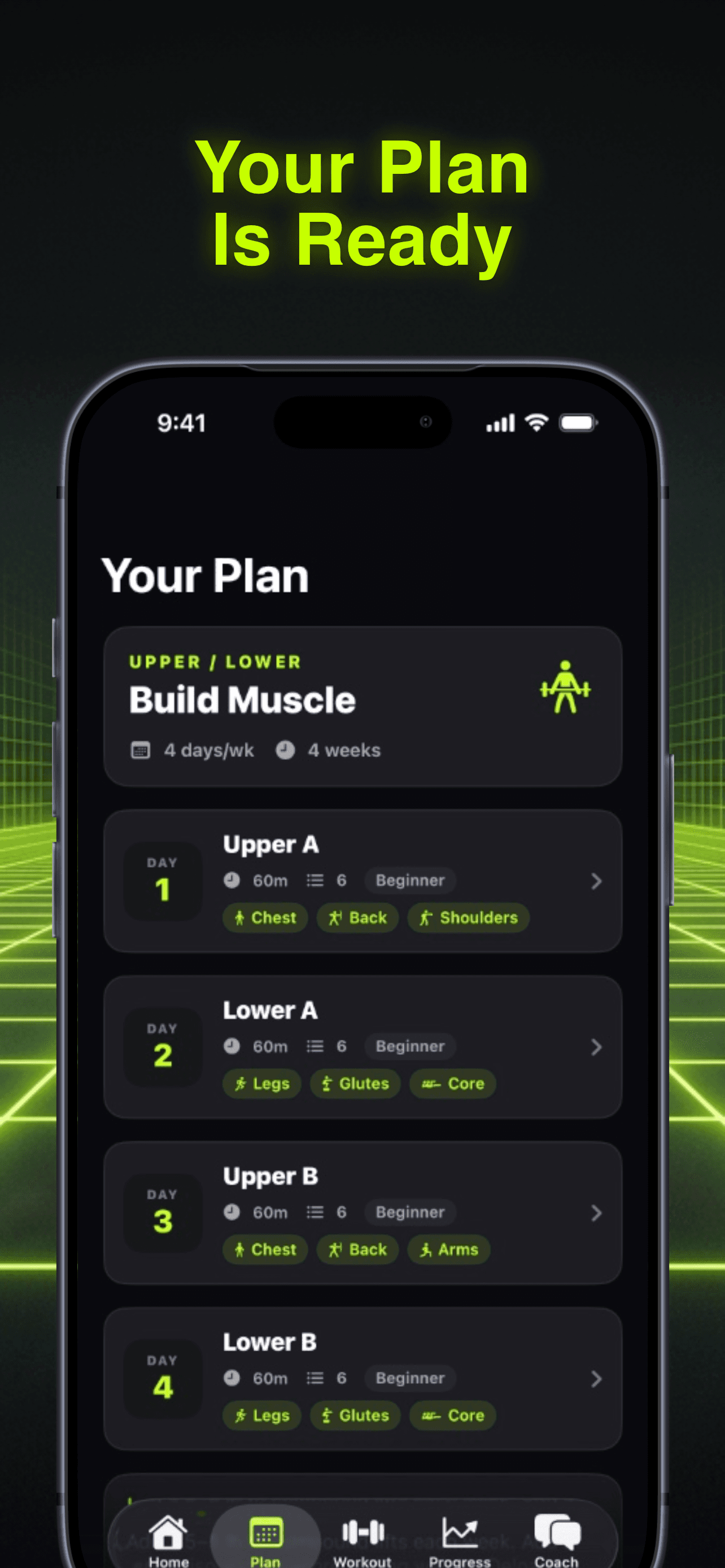
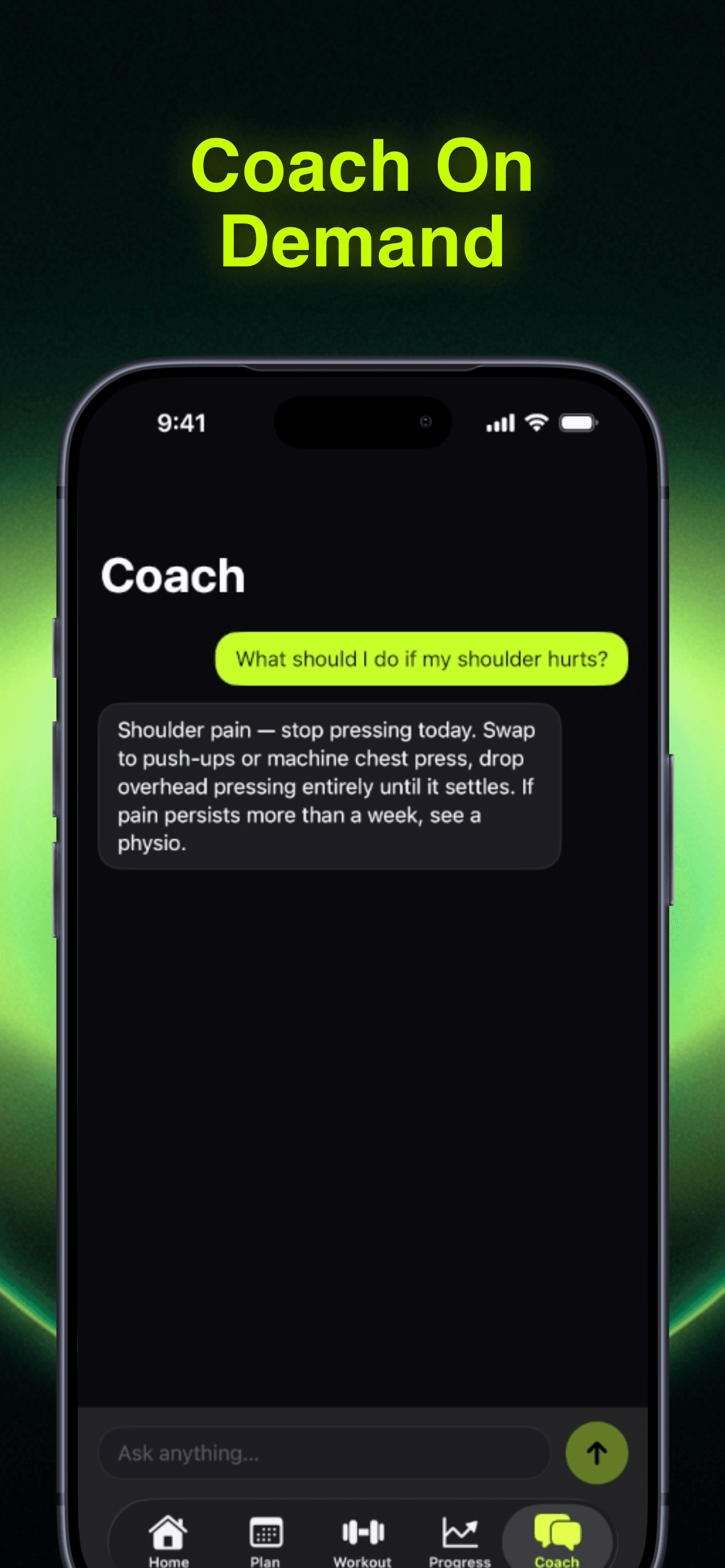
Photo by RepBro.
You stare at your gym bag. Your workout is programmed. You know exactly what to do. But the motivation? Gone. Vanished. You'd rather reorganize your sock drawer than touch a barbell.
When you have zero motivation to go to the gym, bypass motivation entirely. Use systems that work when willpower fails: lower your minimum viable workout, pack everything the night before, commit to just showing up for 10 minutes, and leverage environmental cues that make working out the path of least resistance. Motivation is unreliable—but the right tactics work even when you feel like staying home.
This happens to everyone. The difference between people who maintain their training and those who don't isn't that the consistent ones always feel motivated. They've just built systems that function when motivation disappears.
Why Motivation Fails (And Why That's Normal)
Motivation operates like a battery that drains throughout the day. Research in ego depletion shows that decision-making and self-control draw from the same finite resource. By evening, after work stress and daily decisions, your motivational reserves are often empty.
Your brain also adapts to routine rewards. The initial excitement of starting a program fades as the novelty wears off. This isn't a character flaw—it's normal human psychology.
The solution isn't to rely on motivation. It's to build systems that work without it.
The 10-Minute Rule: Lower the Bar
When motivation is zero, your current workout feels impossible. A 90-minute session with squats, bench, and accessories? Forget it. But 10 minutes? That's manageable.
Commit to showing up for exactly 10 minutes. Pack light. Plan to do one exercise for two sets. That's it.
Here's what happens: you'll often end up doing more once you start. The hardest part is getting through the door. But even if you stick to 10 minutes, you've maintained the habit. You've proven to yourself that you can show up when it's hard.
I've used this dozens of times. Sometimes I really do leave after 10 minutes. More often, I end up doing a full workout because starting was the only real barrier.
Pack Everything the Night Before
Decision fatigue kills workouts before they start. When you're already low on motivation, having to find your water bottle, dig out clean shorts, and remember your headphones creates friction that's easy to avoid.
Pack your gym bag the night before. Include:
- Workout clothes (laid out completely)
- Water bottle (filled)
- Headphones and charger
- Towel
- Any supplements or snacks
- Your workout plan (printed or saved offline)
Make it so simple that you can grab the bag and go without thinking. Remove every possible excuse.
Use Implementation Intentions
"I'll go to the gym later" is a wish, not a plan. Implementation intentions are specific if-then statements that link situations to actions.
Instead of "I'll work out today," try:
- "After I finish my coffee at 6 PM, I will put on my gym clothes."
- "When I walk in the door from work, I will immediately change and grab my gym bag."
- "If I feel like skipping, I will put on my shoes and commit to driving to the gym."
These pre-planned responses bypass the decision-making process that drains motivation. You're not choosing whether to work out—you're following a predetermined script.
Change Your Environment
Your environment shapes behavior more than willpower does. Make working out easier and skipping harder.
Sleep in your workout clothes. Put your gym bag by the door. Set out your shoes where you'll trip over them. If you work out at home, leave your equipment visible instead of tucked away.
Create visual reminders that nudge you toward the gym. Some people put a photo of their goal physique on their bathroom mirror. Others set their gym playlist to auto-play at workout time.
The key is making the desired behavior obvious and convenient while making avoidance inconvenient.
Find Your Minimum Viable Workout
When motivation is low, perfectionism becomes the enemy. You skip entirely because you can't do your "real" workout.
Define your minimum viable workout—the smallest version that still counts as training:
- Strength focus: Three sets of one compound movement
- Hypertrophy focus: Two exercises, three sets each
- Conditioning: 15 minutes of any movement that elevates heart rate
- Home workout: 20 bodyweight squats, 10 push-ups, 30-second plank
This isn't your ideal session. It's your backup plan for days when showing up feels impossible. Doing something beats doing nothing.
Leverage Social Accountability
Tell someone your plan. Text a friend when you're heading to the gym. Post on social media. Join a group fitness class where people notice if you're absent.
Social pressure works when internal motivation fails. You might skip for yourself, but you're less likely to let down others.
If you train with a partner, you're much more likely to show up. They're counting on you, and canceling requires an awkward conversation. Use this to your advantage.
Stack Habits with Existing Routines
Attach your workout to something you already do consistently. This is called habit stacking.
Examples:
- "After I eat lunch, I will change into workout clothes."
- "After I check my evening emails, I will drive to the gym."
- "After I put my kids to bed, I will do 20 minutes of home exercises."
The existing habit becomes a trigger for the new behavior. You're not creating a new routine from scratch—you're adding to an established one.
When All Else Fails: Show Up Anyway
Sometimes you'll still feel unmotivated despite all these tactics. Go anyway.
Drive to the gym. Walk inside. Change clothes. Start your warm-up. You might surprise yourself and have a decent workout. Or you might do two exercises and leave. Both outcomes are better than staying home.
The act of showing up when you don't feel like it builds a different kind of strength. It proves you can act independently of your feelings. That skill transfers to everything else in life.
Make It Easier Tomorrow
After a low-motivation day, evaluate what made it harder than necessary. Did you forget to pack your bag? Was your pre-workout meal too heavy? Did you schedule your workout at a bad time?
Adjust your system based on what you learn. The goal is to make future low-motivation days easier to handle.
The best workout program is the one you actually do. When motivation disappears, these tactics keep you moving forward. Pick one or two that resonate and test them this week."
Frequently asked questions
- What should I do when I have absolutely no motivation to work out?
- Use the 10-minute rule: commit to just 10 minutes at the gym doing one exercise. Pack your bag the night before to remove friction. Often you'll end up doing more once you start, but even 10 minutes maintains the habit.
- How can I force myself to go to the gym when I don't want to?
- Create implementation intentions like 'After I finish dinner, I will put on my gym clothes.' Change your environment by sleeping in workout clothes or putting your gym bag by the door. Make going easier than staying home.
- Is it normal to lose motivation for working out?
- Yes, motivation naturally fluctuates and decreases as novelty wears off. Successful lifters don't rely on motivation—they build systems and habits that work even when they don't feel like training.
- What's a good backup workout for low-motivation days?
- Define your minimum viable workout: 3 sets of one compound movement for strength, or 2 exercises with 3 sets each for hypertrophy. Even 15 minutes of movement beats skipping entirely.
- How do I stay consistent with gym workouts long-term?
- Stack your workout habit with existing routines, use social accountability, and focus on showing up rather than perfect performance. Consistency beats intensity when building lasting habits.