The Psychology Behind Gym Consistency: Why 80% Quit by Week 3
Gym consistency psychology reveals why most people quit within weeks. Understanding habit formation, dopamine loops, and identity-based motivation helps you build lasting gym habits.
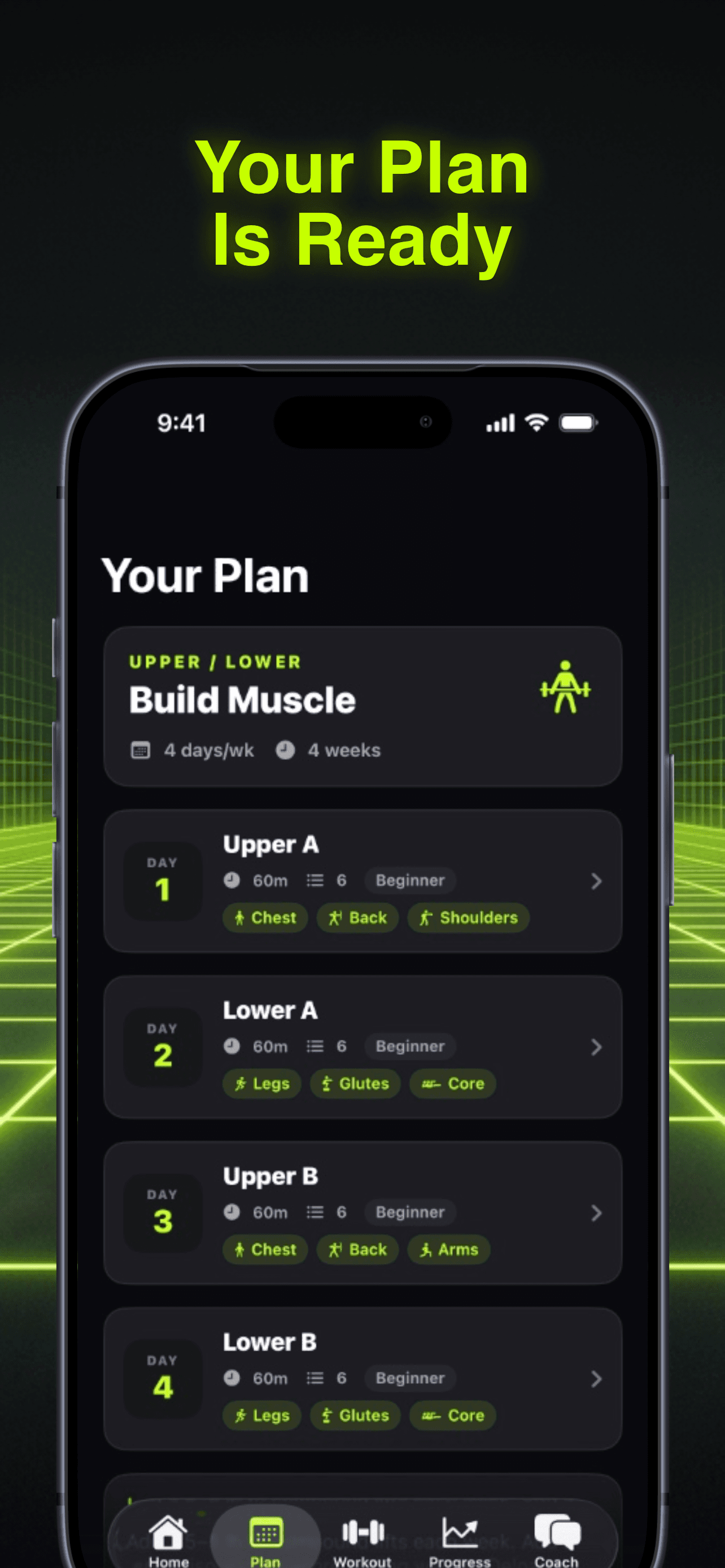
Photo by RepBro.
You walk into the gym on January 3rd, full of determination. By January 24th, you're making excuses. By February 1st, your gym membership becomes an expensive monthly reminder of good intentions gone wrong.
Gym consistency psychology explains this pattern perfectly. Research shows that 80% of people who start a new exercise routine quit within the first three weeks. The issue isn't willpower or motivation—it's that most people fight against their brain's wiring instead of working with it.
The secret to gym consistency lies in understanding three psychological principles: habit formation timelines, dopamine reward systems, and identity-based motivation. Master these, and you'll join the 20% who stick with it long-term.
Why Your Brain Sabotages Gym Consistency
Your brain evolved to conserve energy. Every new behavior—especially physical exertion—triggers resistance mechanisms designed to keep you alive when calories were scarce.
This creates what psychologists call the "intention-action gap." You genuinely intend to work out, but your brain generates compelling reasons to skip: you're tired, busy, or "just this once" won't matter.
The psychology of building a gym habit requires overriding these default patterns through strategic behavior design, not raw willpower.
The Dopamine Problem
Most people rely on outcome-based motivation: "I'll feel great when I lose 20 pounds." But dopamine—your brain's reward chemical—peaks during anticipation, not achievement. When results take weeks to appear, your dopamine crashes and motivation dies.
Consistent gym-goers flip this script. They find ways to get dopamine hits from the process itself: completing the workout, hitting a rep PR, or simply showing up. This process-focused approach creates sustainable motivation loops.
The Real Timeline for Building Gym Habits
Forget the "21 days to form a habit" myth. Dr. Phillippa Lally's research at University College London found that habit formation takes an average of 66 days—and can range from 18 to 254 days depending on the complexity.
For gym habits specifically, expect this timeline:
- Days 1-21: High effort, high resistance. Your brain fights every session.
- Days 22-66: Moderate effort. Some days feel automatic, others require push.
- Days 67+: Low effort. Going to the gym feels more natural than skipping.
Understanding this timeline prevents the "week three crisis" that derails most people. When motivation inevitably dips around day 18, you know it's temporary, not permanent failure.
The Consistency Sweet Spot
Research on exercise adherence reveals a crucial insight: people who work out 4-5 times per week have higher long-term success rates than those who attempt daily workouts. The psychology behind this involves "behavioral flexibility"—having room for imperfection without complete derailment.
If you miss one day out of five, you maintain 80% consistency. Miss one day out of seven daily attempts, and you feel like a failure at 86% consistency. The math matters less than the psychological impact.
How to Stay Consistent at the Gym: The Identity Method
The most powerful strategy for gym consistency psychology involves identity change, not behavior change. Instead of "I want to work out," think "I am someone who works out."
This identity-based approach works because behavior follows identity. When you see yourself as a gym person, skipping workouts creates cognitive dissonance—psychological discomfort that motivates action.
Building Your Gym Identity
Start with small identity votes:
- Show up consistently, even for 15-minute sessions
- Use gym-specific language: "my workout" not "a workout"
- Invest in gym gear that reinforces your identity
- Track workouts to create evidence of your new identity
Each completed session becomes proof that you're someone who works out. This evidence accumulates into unshakeable self-concept.
The Psychology of Gym Motivation vs. Systems
Motivation is unreliable because it's emotional and temporary. Systems—repeatable processes that make gym consistency easier—work regardless of how you feel.
Effective gym systems address three psychological barriers:
Decision Fatigue
Pre-decide everything possible. Same workout time, same gym clothes laid out, same pre-workout routine. Every decision you eliminate preserves mental energy for the actual workout.
Friction Points
Identify what makes skipping easy and showing up hard. Common friction points include:
- Forgetting gym clothes
- Not knowing what exercises to do
- Feeling intimidated by equipment
- Long commutes to the gym
Systematically eliminate these obstacles. Pack your gym bag the night before. Have a written workout plan. Learn basic movements when the gym is less crowded.
Social Accountability
Humans are social creatures. Working out alone relies purely on self-discipline, which research shows is finite and depletes throughout the day.
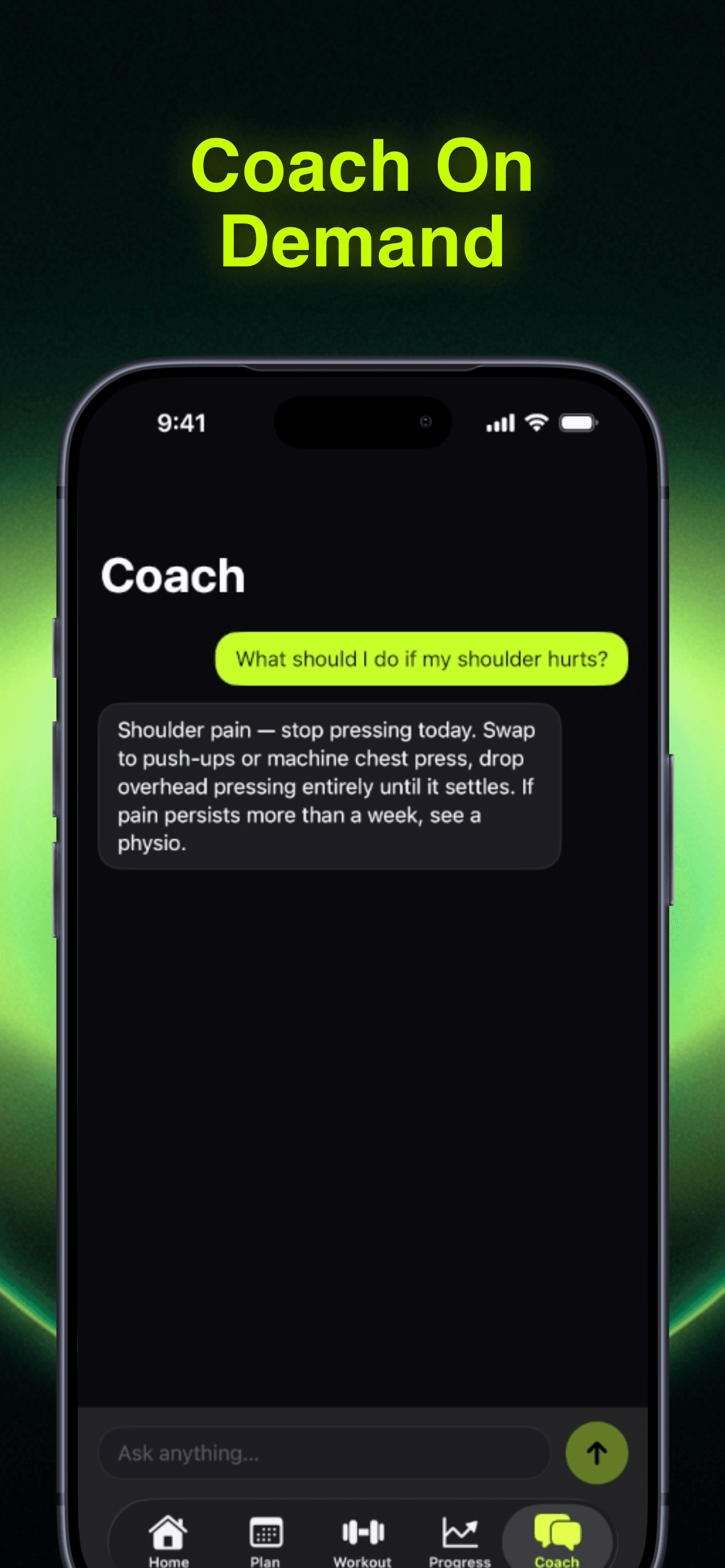
Social accountability—whether through workout partners, trainers, or even digital coaching—taps into our fundamental need to maintain social bonds and avoid disappointing others.
Why People Quit the Gym: The Top 5 Psychological Traps
Understanding common failure patterns helps you avoid them:
1. All-or-Nothing Thinking Missing one workout becomes "I've already blown it this week." Build flexibility into your system.
2. Comparison Trap Measuring your day-one performance against someone's year-three results kills motivation. Focus on personal progress only.
3. Perfectionism Paralysis Waiting for the "perfect" program, schedule, or motivation level prevents starting. Good enough is good enough.
4. Outcome Obsession Checking the scale daily or expecting visible changes within weeks sets you up for disappointment. Trust the process.
5. Underestimating Recovery Going too hard too fast leads to burnout, injury, or both. Your brain associates the gym with pain and avoidance kicks in.
Building Lasting Gym Consistency
The psychology behind gym consistency isn't about finding more motivation—it's about designing systems that work with your brain, not against it.
Start with identity: see yourself as someone who works out. Build systems that eliminate friction and decision fatigue. Focus on process rewards, not just outcome goals. Expect the first 66 days to require conscious effort, then trust that automation will kick in.
Most importantly, plan for imperfection. Consistent doesn't mean perfect. It means getting back on track quickly when life inevitably interferes.
Your next workout is an opportunity to cast another vote for your gym-going identity. The psychology is simple: show up, do something, repeat. Your brain will eventually stop fighting and start helping.
Frequently asked questions
- How long does it really take to build a gym habit?
- Research shows gym habits take an average of 66 days to form, not the commonly cited 21 days. The range is 18-254 days depending on complexity and individual factors. Expect conscious effort for the first 2-3 months.
- Why do most people quit the gym within 3 weeks?
- The brain's resistance to new behaviors peaks around day 18-21, creating the 'week three crisis.' People mistake this temporary motivation dip for permanent failure, when it's actually a normal part of habit formation.
- What's the best workout frequency for consistency?
- 4-5 workouts per week has higher long-term success rates than daily attempts. This provides behavioral flexibility—missing one session out of five feels manageable, while missing one out of seven feels like failure.
- How can I stay motivated when I don't see results?
- Focus on process rewards rather than outcome goals. Celebrate completing workouts, hitting rep PRs, or simply showing up. Dopamine peaks during anticipation and achievement of small wins, not just final results.
- What's the difference between motivation and systems for gym consistency?
- Motivation is emotional and temporary—it comes and goes. Systems are repeatable processes that make gym attendance easier regardless of how you feel. Pre-deciding workout times, laying out clothes, and having written programs create consistency without relying on willpower.