First Week at the Gym: Complete Beginner's Guide
Your first week gym experience doesn't have to be intimidating. Follow this step-by-step guide covering workout basics, gym etiquette, and confidence-building strategies for new lifters.
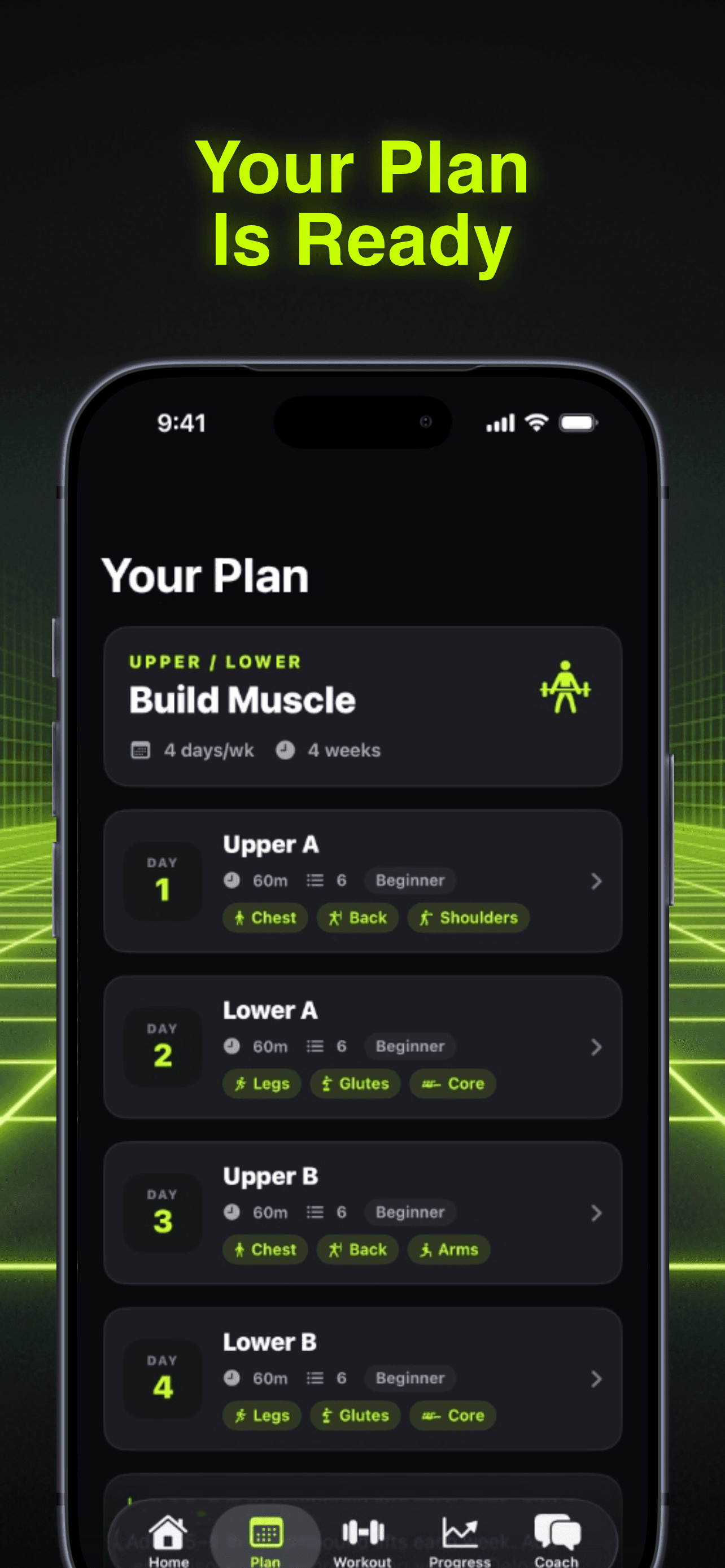
Photo by RepBro.
What to Expect in Your First Week Gym Experience
Your first week gym sessions set the foundation for everything that follows. Most beginners quit within 30 days because they feel overwhelmed, make basic mistakes, or lack a clear plan. Here's the reality: your first week should focus on learning movements, building habits, and getting comfortable in the gym environment—not crushing yourself with intense workouts.
The key to first week gym success is starting with 3-4 sessions using basic compound movements at manageable weights while learning proper gym etiquette and establishing a routine you can sustain.
I've watched hundreds of beginners start their fitness journey. The ones who succeed long-term treat their first week as education, not punishment. They show up consistently, ask questions when needed, and focus on form over ego.
Day 1: Your First Gym Session
Walk into the gym 15 minutes early. Use this time to locate key areas: free weights, machines, locker rooms, and water fountains. Most gyms offer a brief tour for new members—take it.
Start with a 5-minute walk on the treadmill or stationary bike. This isn't about burning calories. You're warming up your body and observing the gym's flow and culture.
Your First Workout Structure
Keep it simple with these movements:
- Bodyweight squats: 2 sets of 8-12 reps
- Push-ups (knee or regular): 2 sets of 5-10 reps
- Assisted pull-ups or lat pulldowns: 2 sets of 5-8 reps
- Plank: 2 sets of 15-30 seconds
- Treadmill walk: 10 minutes at comfortable pace
Focus entirely on form. Use light weights or bodyweight only. If you're unsure about a movement, ask gym staff or watch others perform it correctly.
Days 2-3: Adding Structure and Weight
By your second session, introduce basic equipment. Start with dumbbells—they're less intimidating than barbells and teach unilateral strength.
Progressive Beginner Routine
Upper Body Day:
- Dumbbell chest press: 2 sets of 8-12 reps
- Dumbbell rows: 2 sets of 8-12 reps
- Shoulder press: 2 sets of 8-12 reps
- Bicep curls: 2 sets of 10-15 reps
- Tricep extensions: 2 sets of 10-15 reps
Lower Body Day:
- Goblet squats: 2 sets of 8-12 reps
- Romanian deadlifts: 2 sets of 8-12 reps
- Walking lunges: 2 sets of 6-8 per leg
- Calf raises: 2 sets of 12-15 reps
Choose weights where the last 2-3 reps feel challenging but doable. You should finish each set thinking you could do 2-3 more reps if needed.
Essential Gym Etiquette for Beginners
Equipment Rules
Re-rack your weights. This isn't optional—it's basic respect for other gym members. Put dumbbells back in order, strip plates from barbells, and return equipment to its designated spot.
Wipe down equipment after use. Most gyms provide sanitizing stations. Use them on any surface your body touched.
Sharing Space
Don't hover near someone mid-set waiting for equipment. Either ask to "work in" between their sets or find alternative exercises.
Limit phone time between sets to 2-3 minutes maximum. Others may be waiting, and excessive rest periods don't benefit beginners anyway.
Keep personal items in lockers, not scattered around equipment areas.
Asking for Help
Gym veterans generally welcome genuine questions about form or equipment use. Approach someone between sets, not mid-exercise. Start with "Excuse me, when you have a moment..."
Most gym staff can demonstrate proper form for basic movements. Don't hesitate to ask—it's literally their job.
Days 4-7: Building Confidence and Habits
How Often Should You Go?
Three to four sessions during your first week is optimal. Your body needs recovery time between sessions, especially when learning new movement patterns.
Space sessions with at least one rest day between. Monday-Wednesday-Friday or Tuesday-Thursday-Saturday works well for most schedules.
Tracking Your Progress
Write down what you do. Note exercises, weights used, and how you felt. This creates accountability and helps you progress systematically.
Track basic metrics:
- Exercises performed
- Weight used (if any)
- Reps completed
- Perceived difficulty (1-10 scale)
Managing Gym Anxiety
Arrive during off-peak hours initially. Most gyms are less crowded mid-morning or early afternoon. You'll have more space and equipment access.
Bring headphones. Music helps you focus and creates a personal bubble in the shared gym space.
Remember that most people are focused on their own workouts. The "everyone's watching me" feeling is largely imaginary.
What Not to Do in Your First Week
Avoid These Common Mistakes
Don't attempt heavy compound lifts without proper instruction. Barbell squats, deadlifts, and bench press require technique coaching before adding significant weight.
Don't train the same muscle groups on consecutive days. Your muscles grow during recovery, not during the workout itself.
Don't compare yourself to experienced lifters. That person benching twice your bodyweight has likely trained for years. Focus on your own progress.
Skip the Extreme Approaches
Avoid workout programs labeled "advanced" or "intense." Your first week should feel challenging but manageable.
Don't drastically change your diet simultaneously. Focus on establishing the gym habit first, then address nutrition in week 2-3.
Ignore supplement marketing targeting beginners. Protein powder can be helpful, but it's not essential for your first week.
Setting Yourself Up for Week 2 and Beyond
Establishing Your Routine
Pick consistent days and times. Your body and schedule adapt better to predictable patterns. If you choose Monday-Wednesday-Friday at 6 PM, stick with it.
Plan your gym bag the night before. Include workout clothes, water bottle, towel, and any necessary accessories.
Progressive Overload Basics
Week 2 should involve slight increases in difficulty. This might mean:
- Adding 2-5 pounds to exercises you completed easily
- Increasing reps by 1-2 if weight felt too light
- Adding a third set to movements you've mastered
The goal is gradual, sustainable progress—not dramatic jumps in intensity.
Your Next Step: Structured Programming
Your first week gym experience should leave you feeling accomplished, not destroyed. You've learned basic movements, established a routine, and built confidence in the gym environment.
Moving forward, you'll benefit from structured programming that progresses systematically based on your goals, available equipment, and schedule. The most successful beginners follow plans that adapt to their progress rather than generic routines that ignore individual differences.
A personalized approach ensures you're always challenged appropriately while avoiding the common pitfalls that derail new lifters in their second and third weeks."
Frequently asked questions
- How many days should I go to the gym in my first week?
- 3-4 days is optimal for beginners, with at least one rest day between sessions. This allows your body to recover while building the habit of consistent gym attendance.
- What should I do if I don't know how to use gym equipment?
- Ask gym staff to demonstrate proper form and equipment use - it's part of their job. You can also observe experienced lifters or ask polite questions between their sets.
- How much weight should I start with as a beginner?
- Start with weights where the last 2-3 reps feel challenging but doable. You should finish thinking you could do 2-3 more reps if needed. Focus on form over heavy weight.
- Is it normal to feel sore after my first gym sessions?
- Yes, mild muscle soreness 24-48 hours after exercise is normal when starting. However, sharp pain or severe soreness indicates you may have overdone it.
- What's the biggest mistake beginners make in their first week?
- Trying to do too much too soon. Starting with overly intense workouts or complex exercises leads to injury, burnout, and quitting within the first month.