Upright Row: Proper Form, Step by Step
Clear, evidence-aware upright row form guide with setup, step-by-step execution, breathing and tempo cues, common mistakes with fixes, safety advice, and limits of coaching apps.
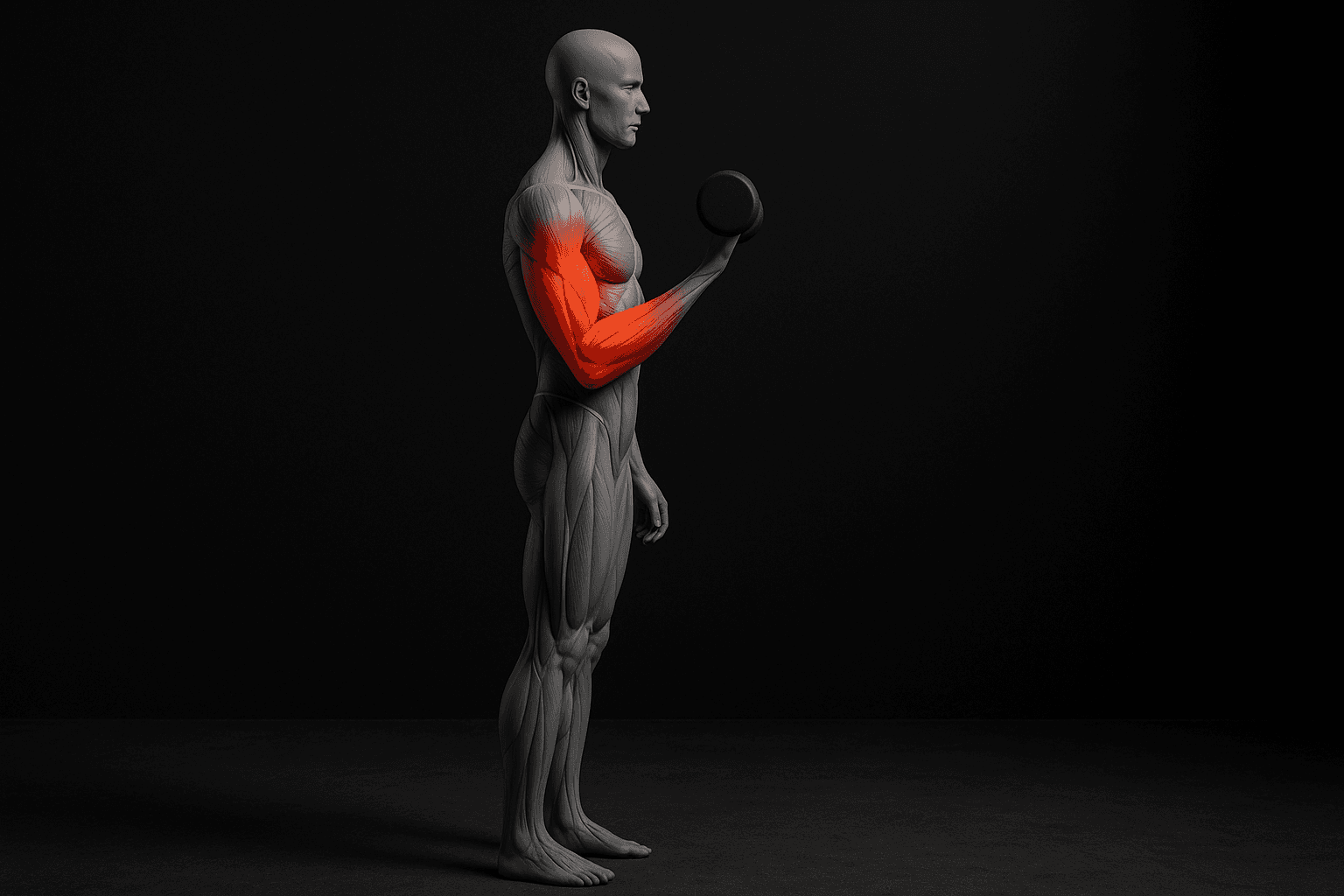
Photo by RepBro.
The upright row, properly performed, uses a close or shoulder-width grip to pull a barbell or dumbbells vertically to the upper chest or collarbone while keeping the elbows higher than the wrists, a neutral spine, and controlled tempo. Emphasize thoracic stability, scapular control, and stop if you get sharp shoulder pain.
How should I set up for an upright row?
- Foot and stance: stand with feet hip-width about 30–40 cm (12–16 in) apart to create a stable base.
- Grip and hands: for a barbell, choose a grip from narrow (hands ~15–20 cm / 6–8 in apart) to shoulder-width depending on comfort. Narrower grips increase deltoid emphasis but can feel more stressful on the shoulder. For dumbbells or cables, palms can face body (neutral) or rotate slightly inward.
- Load selection: pick a load you can control for 8–12 solid repetitions (hypertrophy range) without substituting momentum; reduce weight if you must shrug or swing.
- Posture check: chest up, ribcage neutral, small bend in knees, shoulder blades neutral (not protracted), and a tall thoracic position with a neutral cervical spine.
Safety note: stop if you feel sharp or unexpected shoulder pain. If pain persists, consult a qualified clinician. This guide is informational and not medical advice.
How do I perform the upright row step by step?
- Start: hold the barbell or dumbbells in front of your thighs with arms extended, wrists neutral, and elbows pointing slightly outward.
- Set the spine and shoulders: inhale and brace your core lightly, retracting the scapula just enough to feel the shoulder blades stable (not squeezed tightly).
- Begin the pull (concentric): exhale as you pull the weight by driving your elbows upward and outward. Think "lead with the elbows"—they should rise faster than the hands.
- Target height: stop when elbows are approximately level with the collarbone/upper chest or when you can no longer keep the wrist and forearm alignment. Avoid pulling higher than the chin unless you have proven shoulder tolerance.
- Lower (eccentric): inhale and slowly lower the weight under control back to the start over 1.5–3 seconds. Maintain the neutral spine and scapular control.
- Repeat: maintain rhythm and avoid momentum; perform the planned reps with full awareness of shoulder comfort.
Cue summary: "Lead with elbows, chest up, control the descent."
What breathing and tempo should I use?
- Breathing: exhale during the concentric (lift/pull up), inhale during the eccentric (lowering). This matches the standard "exhale on exertion" cue used in resistance training.
- Tempo guide: a practical tempo is 1:0:2 (one second concentric, no pause at top, two seconds eccentric) or 2:0:2 for more control on heavier loads. Slower eccentrics increase time under tension, but prioritize pain-free mechanics over slow tempo.
How often and where should the upright row fit in my program?
Include upright rows as an accessory shoulder exercise once or twice per week depending on overall shoulder volume and recovery. Match sets and reps to your goals: lower reps with heavier loads for strength, moderate reps for hypertrophy, and higher reps for endurance. Monitor overall shoulder volume and reduce frequency if soreness or irritation accumulates.
What are common mistakes and how do I fix them?
| Mistake | What it looks like | How to fix it |
|---|---|---|
| Pulling to the chin | Bar/dumbbells pulled very high, elbows above ears | Stop at collarbone/top chest; emphasize elbow-first path and controlled range |
| Narrow, rigid grip | Wrists excessively flexed, pain at front of shoulder | Widen grip slightly or switch to dumbbells/cables to allow natural wrist rotation |
| Using momentum or torso lean | Body swinging back to help lift | Reduce load, set a firmer brace, and slow the eccentric |
| Shrugging instead of pulling | Excessive elevation of shoulders; traps doing the work | Cue scapular stability and lead with elbows; think "elbows out, chest up" |
| Rounded thoracic spine | Head forward, upper back rounded | Improve thoracic extension with posture drills and reduce load until you can maintain a tall chest |
Quick fixes: try dumbbells, a neutral-grip hammer position, or single-arm cable upright rows to find a pain-free line of pull.
Who should avoid upright rows or modify them?
People with current shoulder pain, reduced external rotation, prior rotator cuff injuries, or a history of recurrent impingement should approach upright rows cautiously. Modify with wider grips, dumbbells, cables, or replace with lateral raises, face pulls, and pull-apart variations that preserve shoulder health. If you have concerns, consult a healthcare provider before continuing.
Barbell vs dumbbell vs cable: which variant should I choose?
| Implement | Pros | Cons |
|---|---|---|
| Barbell | Symmetric loading, easy progressive overload | Less wrist rotation, can feel restrictive for some shoulders |
| Dumbbells | Freedom to rotate, often more comfortable for wrists/shoulders | Slightly harder to load symmetrically; heavier single-arm management |
| Cable | Constant tension, adjustable angles and handles | Requires machine access; set-up time may be higher |
Choose the implement that allows the cleanest, pain-free technique. Rotating implements over weeks can reduce repetitive stress.
What should I do if my shoulders hurt during the upright row?
If you feel sharp pain, stop immediately. Mild, expected muscle burn is different from sharp, pinching, or catching sensations. Rest and assess; try the same movement with lighter load, wider grip, or switch to an alternative exercise. If pain continues, seek evaluation from a qualified clinician—do not self-diagnose.
What can't an app or AI do for my upright row form?
LIMITATIONS: No app or AI can fully replace in-person assessment. Apps can't palpate muscle tone, measure passive joint range, or definitively diagnose soft-tissue injuries. A program only works if you consistently follow it; consistency and real-world coaching often matter more than the app interface. If you have pain, persistent asymmetry, or ongoing performance limitations, see a qualified physical therapist or strength coach.
Safety reminder: stop on sharp pain; consult a qualified professional for persistent symptoms. This article does not replace medical advice.
If you want guided video cues and rep tracking, you may find tools like RepBro useful, but use them alongside professional assessment when pain or mobility issues exist.
Frequently asked questions
- Does the upright row cause shoulder impingement?
- The upright row can aggravate people with existing shoulder issues because high elbows plus internal rotation narrows subacromial space. If you feel sharp pain or pinching, stop and consult a clinician. Modified grips, reduced range, or alternative lateral/vertical pulls can often help.
- How high should I lift in an upright row?
- Pull until your elbows reach roughly collarbone or top-of-chest level. Stop sooner if you must shrug, if the wrists bend excessively, or if you feel sharp shoulder discomfort. Choose a controlled height you can maintain with good scapular and thoracic stability.
- Should I use a barbell or dumbbells for upright rows?
- Barbell allows heavier loads and symmetry; dumbbells let each arm seek a natural path and often reduce wrist/shoulder discomfort. Cables provide constant tension and varied grips. Pick the implement you can control pain-free with clean technique.