Straight‑arm Pulldown: Muscles Worked, Where It Fits, and Practical Alternatives
Clear, evidence-aware guide to which muscles the straight‑arm pulldown trains, how to program it, and 4 practical alternatives with when to pick each.
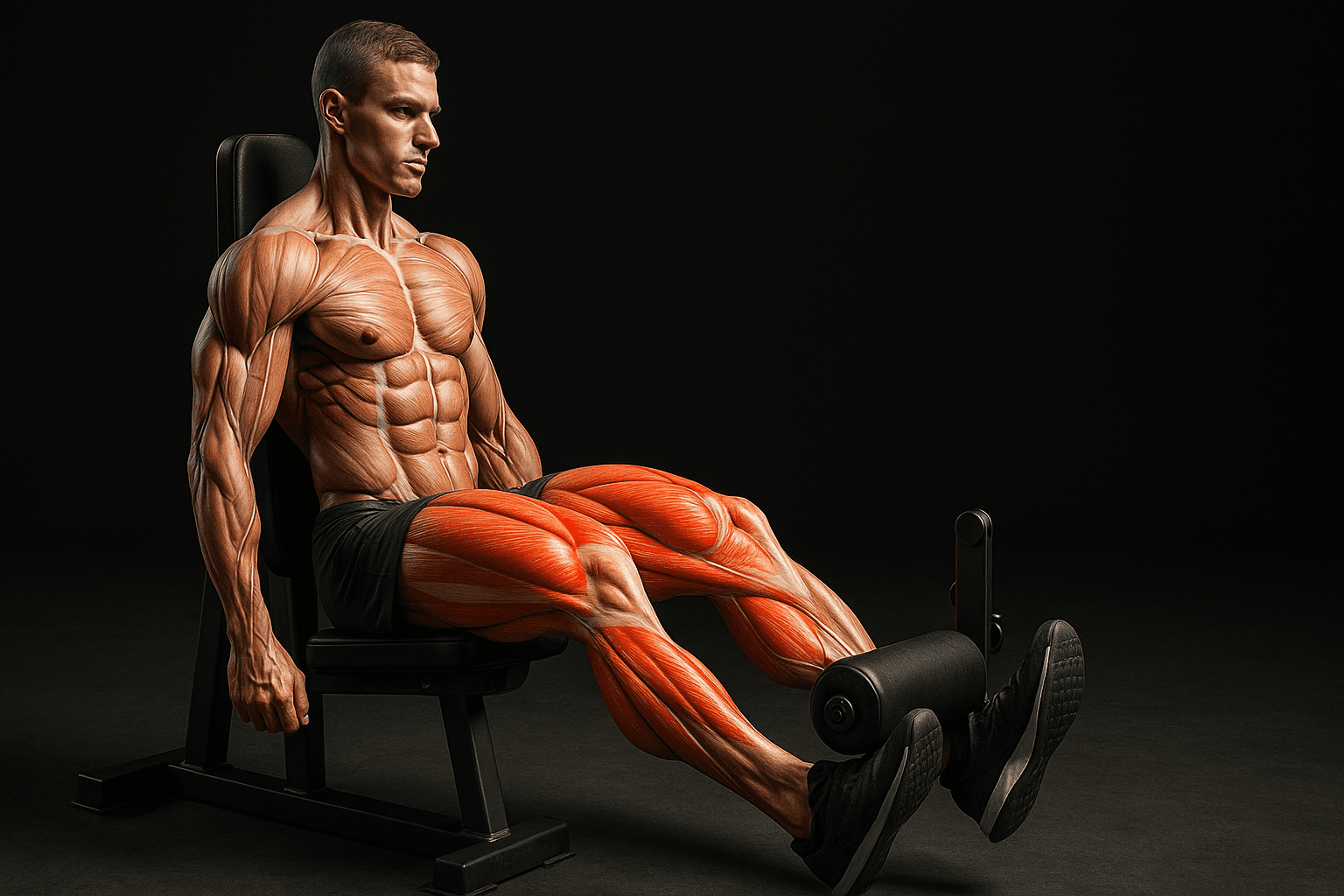
Photo by RepBro.
The straight‑arm pulldown primarily targets the latissimus dorsi (shoulder extension and adduction) with solid assistance from teres major; secondary contributors are the posterior deltoid, long head of the triceps, and scapular stabilizers (lower trapezius, rhomboids). It's an accessory lat isolation move—use it after compound pulls.
What muscles does the straight‑arm pulldown target?
Primary movers
- Latissimus dorsi: the main driver of shoulder extension and adduction in this exercise.
- Teres major: assists the lat in pulling the humerus down and back.
Secondary and stabilizers
- Posterior deltoid: contributes to shoulder extension.
- Long head of triceps: works isometrically because the elbow stays near full extension.
- Scapular stabilizers (lower trapezius, rhomboids): control scapular movement and positioning during the pull.
- Core and thoracic extensors: help maintain a neutral torso and transfer force.
Biomechanically, the straight‑arm pulldown is a shoulder extension movement with minimal elbow flexion. That makes it useful for isolating the lats in a way that differs from vertical pulls (pull‑ups/lat pulldowns) and rows (which emphasize elbow flexion).
Where does the straight‑arm pulldown fit in a program?
- Role: accessory isolation for the lats and scapular control. Use it to add targeted volume, improve mind‑muscle connection, or emphasize the end range of shoulder extension.
- Session placement: after heavy compound pulls (deadlifts, rows, pull‑ups) or as part of a dedicated back accessory block.
- Frequency: include it based on total back volume and recovery capacity. Many lifters use it 1–3 times per week. Adjust to avoid excessive overlap with other back work.
- Sets and reps: as an accessory, prioritize controlled technique. Higher reps can be useful for muscle fatigue and technique (for example, 8–20 reps), but overall programming should follow progressive overload and available recovery. Complement, don’t replace, multi‑joint strength work.
Training notes grounded in consensus principles
- Prioritize compound movements (rows, pull‑ups) for strength; use straight‑arm pulldowns for targeted hypertrophy and movement quality.
- Progress by increasing load, reps, or sets over time while maintaining clean technique and full control.
How should I perform the straight‑arm pulldown? (brief form cues)
- Set a cable high and use a straight bar or rope. Stand a comfortable distance so you can hinge slightly at the hips.
- Keep arms nearly straight (a light bend at the elbow), chest up, and scapula neutral at start.
- Pull the bar down toward upper thighs by extending and adducting the shoulder—think of driving your elbows down and back without active elbow flexion.
- Maintain tension throughout and return slowly to the start position. Avoid using momentum or excessive torso lean.
Safety note: stop on sharp pain. If any movement reproduces sharp or radiating pain, stop and consult a qualified professional. Never diagnose injuries from sensation alone.
What are solid alternatives and when should I choose each?
Below are four practical alternatives with guidance on when to favor them.
- Lat pulldown (wide or neutral grip)
- Why pick it: recreates vertical pull mechanics with more elbow flexion—better for overall lat development and when you lack bodyweight pull‑up capacity.
- When to choose: limited equipment (no cable tower), working on vertical pulling strength, or when you want heavier load with similar lat focus.
- Consideration: involves more biceps and elbow flexors than the straight‑arm variant.
- Pull‑ups / Chin‑ups (assisted if needed)
- Why pick it: compound vertical pull that builds strength and hypertrophy across lats, biceps, and scapular stabilizers.
- When to choose: you prioritize strength and functional pulling capacity or want a compound movement earlier in training.
- Consideration: higher systemic demand; may limit accessory volume if used heavy.
- Bent‑over row (barbell or dumbbell)
- Why pick it: horizontal pull overload with substantial spinal loading and elbow flexion—good for overall back thickness and strength.
- When to choose: you need heavier, multi‑joint back work or are programming for strength and transfer to deadlifts.
- Consideration: different torque profile—less isolated shoulder extension than straight‑arm pulldown.
- Cable or dumbbell pullover
- Why pick it: similar shoulder extension emphasis, especially for lats and the long head of the triceps, with minimal elbow flexion.
- When to choose: equipment limits (single dumbbell or low‑pulley cable), preference for a lying variation that reduces spinal load, or as a finisher for lat isolation.
- Consideration: range of motion differs; technique needs control to avoid ribcage discomfort.
Quick comparison table
| Exercise | Primary stimulus | Equipment | When to pick |
|---|---|---|---|
| Straight‑arm pulldown | Lat isolation (shoulder extension) | High cable | Add targeted lat volume, improve end range control |
| Lat pulldown | Vertical pull strength/hypertrophy | High cable or machine | When you want heavier vertical pulling without bodyweight |
| Pull‑ups/chin‑ups | Compound vertical pull | Pull‑up bar (or assisted machine) | Prioritize strength and functional pulling capacity |
| Bent‑over row | Horizontal pull strength/thickness | Barbell/dumbbell | Increase overall back strength and thickness |
| Pullover (dumbbell/cable) | Shoulder extension + lats | Dumbbell or low cable | Isolate lats with less torso strain |
How to progress and avoid plateaus
- Use progressive overload: increase load, reps, or sets while maintaining form.
- Vary tempo (slower eccentric) to increase time under tension without adding heavy loads.
- Rotate variations: if strength on straight‑arm pulldowns stalls, prioritize heavier compound pulls or try a different cable grip to change muscle stress.
- Monitor recovery: accessory work should not compromise performance on key compound lifts.
Safety and practical cautions
- Stop if you feel sharp pain or neurological symptoms (numbness, tingling); consult a qualified professional.
- Keep a slight elbow bend to avoid hyperextension stress at the joint.
- Control range of motion—avoid overarching the lower back by hinging at the hips and bracing the core.
Limitations — what apps, videos, or AI can’t do for you
- No app or video can fully assess your individual movement patterns or correct technical flaws the way an in‑person qualified coach can. Visual or biometric cues from a professional are often necessary to diagnose compensation.
- If you have significant shoulder injury or pain, rely on a clinician or physiotherapist for assessment and a personalized rehab plan.
- A training plan only works if you apply it consistently and adjust for life stressors, sleep, and nutrition; technology aids tracking but does not replace consistent effort.
If you track training, logging set‑by‑set progress helps guide overload decisions; tools like RepBro can make logging easier during sessions.
References and further reading: consult current strength‑training guidelines and textbooks for evidence on frequency, volume, and progression principles. For exercise selection, prioritize multi‑joint lifts for strength and use isolation movements like the straight‑arm pulldown to add targeted volume and improve weak ranges of motion.
Frequently asked questions
- Does the straight‑arm pulldown primarily train the lats or the triceps?
- The straight‑arm pulldown primarily targets the latissimus dorsi and teres major through shoulder extension and adduction. The long head of the triceps is a secondary contributor because the elbows remain extended, but the exercise is not a primary triceps builder compared with dedicated elbow‑extension movements.
- How often should I include straight‑arm pulldowns in my routine?
- Treat straight‑arm pulldowns as an accessory lat exercise: 1–3 times per week depending on total back volume and recovery. Use them on upper‑body or pull days, keeping sets and load lower than heavy compound pulls so you can maintain overall recovery and progressive overload.
- Are straight‑arm pulldowns good for people with shoulder pain?
- They can be useful when performed pain‑free and with controlled range of motion, since the elbows stay extended and the movement emphasizes shoulder extension. If you have shoulder pain, consult a clinician; avoid large ranges or load that reproduce sharp pain and prefer lighter, slower options first.