Spider Curl: Muscles Worked and Practical Alternatives
Clear, evidence-aware guide to which muscles the spider curl trains, where it fits in a program, and 3–4 practical alternatives with when to choose each.
Photo by RepBro.
Spider curl direct answer:
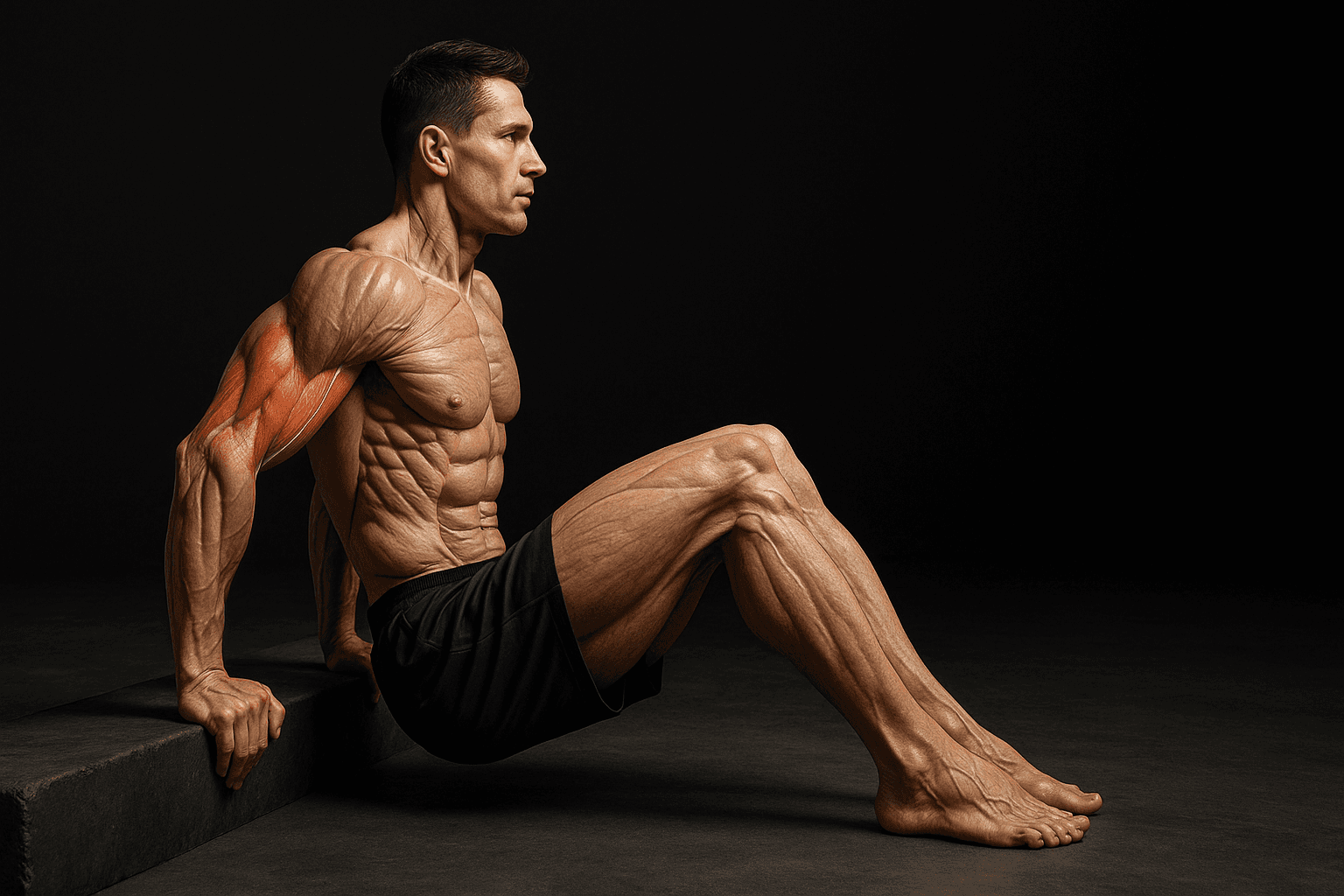
The spider curl primarily trains the biceps brachii (both heads, with emphasis on peak contraction and long‑head stretch). Secondary muscles are the brachialis and brachioradialis. It’s an isolation exercise best used as an assistance or finishing movement to add targeted stimulus.
Which muscles does the spider curl work?
The spider curl is an elbow‑flexion isolation lift performed with the torso supported on an incline bench set face‑down. Primary: biceps brachii (short and long heads). Secondary: brachialis (deep elbow flexor) and brachioradialis (forearm). Because the shoulder is fixed in flexion, the lift reduces cheat motion and increases emphasis on the distal, peak contraction of the biceps.
Electromyography and biomechanical reasoning show that elbow flexion exercises that fix the shoulder change moment arms and length–tension relationships. For practical programming, treat spider curls as a high‑quality isolation set for hypertrophy or finishing work rather than a heavy compound mass builder.
Where should spider curls fit in a program and how often should I do them?
Placement: after compound upper‑body or pulling work (chin‑ups, rows) when you want to prioritize biceps fatigue and quality of contraction. For hypertrophy, follow research‑informed practice: spread biceps volume across 2–3 sessions per week and keep total weekly sets for biceps in the commonly recommended hypertrophy range. Use spider curls for 2–5 sets of 6–15 reps depending on load and goal:
- If using heavier loads (near 6–8 reps), focus on controlled concentric drive and strict form.
- If using moderate loads for time‑under‑tension, 8–15 reps with a full range and controlled tempo is appropriate.
Progression: aim for progressive overload (more reps, more weight, or better form over weeks). Schedule periodic reductions in volume or intensity (a deload or week with lighter sessions) when performance or recovery dips.
What are solid alternatives to the spider curl and when should I pick each?
Below are 4 practical alternatives, why they work, and when to prefer them.
- Incline dumbbell curl
- Why: Increases long‑head stretch by lengthening biceps at the shoulder; strong eccentric stimulus.
- When to pick: No preacher or bench support available, or you want extra early‑range tension. Good for hypertrophy and when you can’t set up for spider curls.
- Equipment: Pair of dumbbells and an incline bench.
- Preacher curl (barbell or EZ)
- Why: Stabilizes the upper arm, limits upper‑body cheating, emphasizes the brachialis and short‑head under strict control.
- When to pick: You want very strict movement for overload or are addressing momentum/cheat issues. Avoid if you have anterior shoulder pain from support position.
- Equipment: Preacher bench or EZ‑bar and pad.
- Concentration curl
- Why: Maximal isolation and peak contraction with unilateral focus; good for technical work and mind–muscle connection.
- When to pick: Equipment limited to a dumbbell and a bench or chair; useful for correcting left–right imbalances or refining peak contraction.
- Equipment: Single dumbbell and seat.
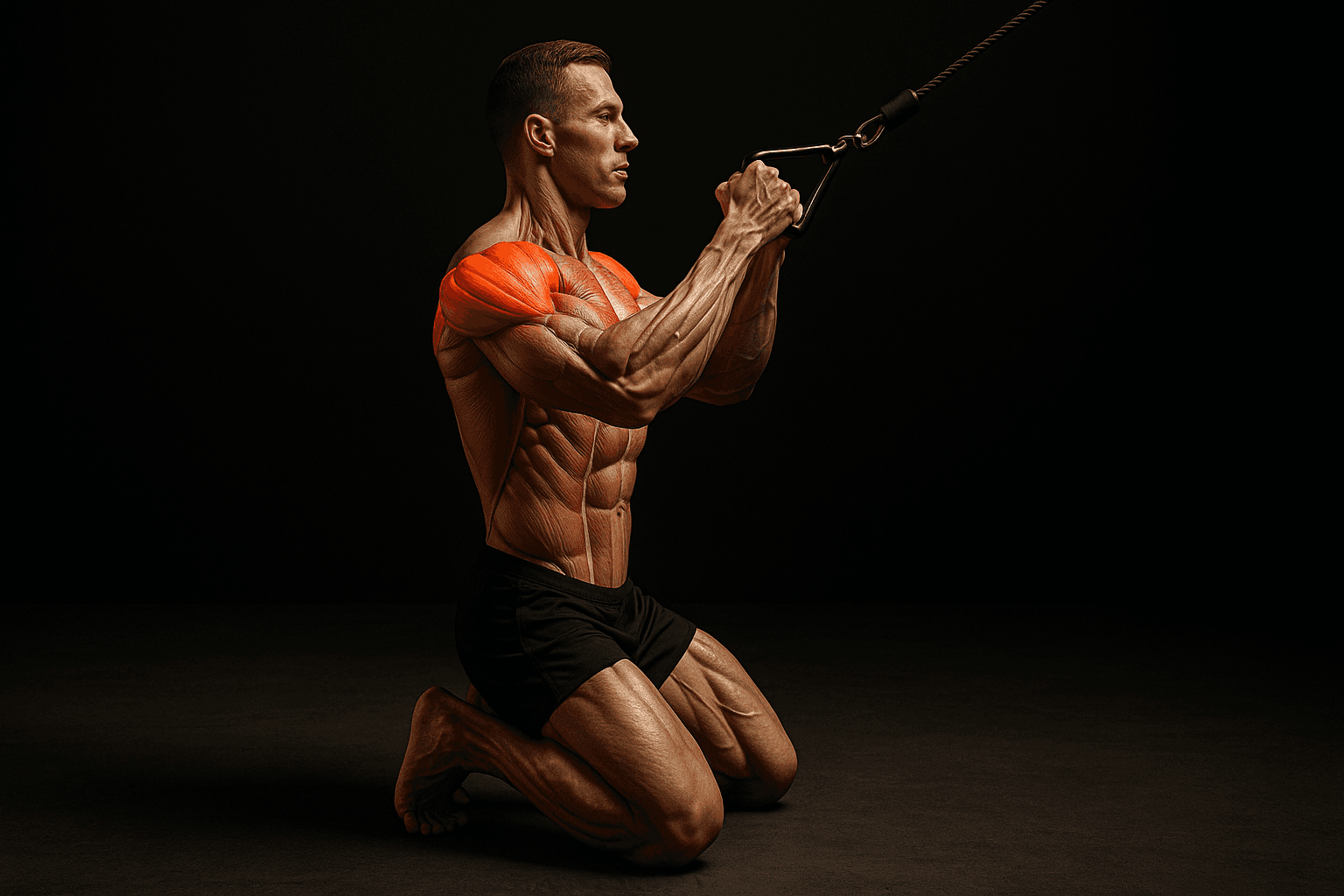
- Cable curl (single‑arm or rope)
- Why: Constant tension through the range, can alter line of pull to emphasize different portions of the curl.
- When to pick: You want constant tension or safer eccentric control, or need a low‑load, high‑volume option during a deload or rehab phase.
- Equipment: Cable machine.
How do these options compare to the spider curl?
| Exercise | Shoulder position | Emphasis | Equipment | Good for injuries/plateaus? |
|---|---|---|---|---|
| Spider curl | Fixed in flexion (prone) | Peak contraction, isolation | Bench + dumbbells/bar | Novel angle for plateaus; less shoulder strain for many lifters |
| Incline DB curl | Shoulder extended | Long‑head stretch, eccentric | Bench + dumbbells | Useful if you can’t brace prone or need stretch overload |
| Preacher curl | Shoulder neutral/stable | Short‑head & brachialis, strict form | Preacher bench/EZ | Good to reduce momentum; avoid if forearm/shoulder discomfort |
| Concentration curl | Shoulder neutral | Peak contraction unilateral | Dumbbell + seat | Low load, good for imbalances and mind–muscle work |
| Cable curl | Varies with pulley | Constant tension | Cable machine | Good for rehab phases and controlled eccentrics |
How should I pick an alternative based on equipment, injuries, or plateaus?
- Equipment limited (no bench): pick concentration curls or cable curls.
- Shoulder or anterior shoulder pain with prone position: choose incline or cable curls that avoid the prone bench load.
- Plateau with heavy use of curls: change angle (incline or spider) or use constant tension (cable) for a new stimulus.
- Imbalance or poor peak contraction: use unilateral concentration curls or slow eccentric work with dumbbells.
What safety notes should I follow while doing spider curls?
Stop or modify the exercise if you feel sharp pain in the elbow or shoulder. Use controlled tempo; avoid bouncing or rapid cheating. If you have pre‑existing tendon issues (e.g., distal biceps tendinopathy), consult a qualified health professional before loading. This article does not diagnose conditions or guarantee injury prevention.
What can’t apps and AI services do for my curling technique or rehab?
Limitations: no app or AI can fully replace an in‑person coach for real‑time form correction; they can’t palpate tissue, assess joints hands‑on, or make a medical diagnosis. For persistent pain, formal imaging and a physical therapist or physician are appropriate. Also, any plan only works when you apply it consistently.
If you track sets and progression digitally, tools like RepBro can help record volume and progression, but they don’t replace professional coaching.
Final practical checklist
- Use spider curls as an isolation finish or focused assistance movement, 1–3x per week within your total biceps volume.
- Progress with overload and rotate angles to avoid accommodation.
- Choose alternatives based on available equipment, pain history, and whether you need stretch‑based, strict, unilateral, or constant‑tension work.
Limitations: This article summarizes practical, evidence‑informed guidance but is not a personalized program or medical advice. For acute or persistent pain, consult a qualified professional. Consistency and overall program design determine results more than any single exercise choice.
Frequently asked questions
- Does the spider curl target the long head or short head of the biceps?
- The spider curl emphasizes the brachii broadly but gives some extra stretch and isolation to the long head because the shoulder is fixed in flexion. It’s primarily a biceps brachii movement with secondary brachialis and brachioradialis involvement.
- How often should I include spider curls in my routine?
- Include spider curls 1–3 times per week depending on overall arm volume and training split. Aim to keep total weekly biceps work within commonly recommended hypertrophy ranges and monitor recovery and performance to adjust frequency.
- Can spider curls help break an arm-training plateau?
- Yes; spider curls change the shoulder and elbow angles and emphasize peak contraction, which can provide a novel stimulus. Use them for several weeks with progressive overload and rotate in other variations to avoid accommodation.