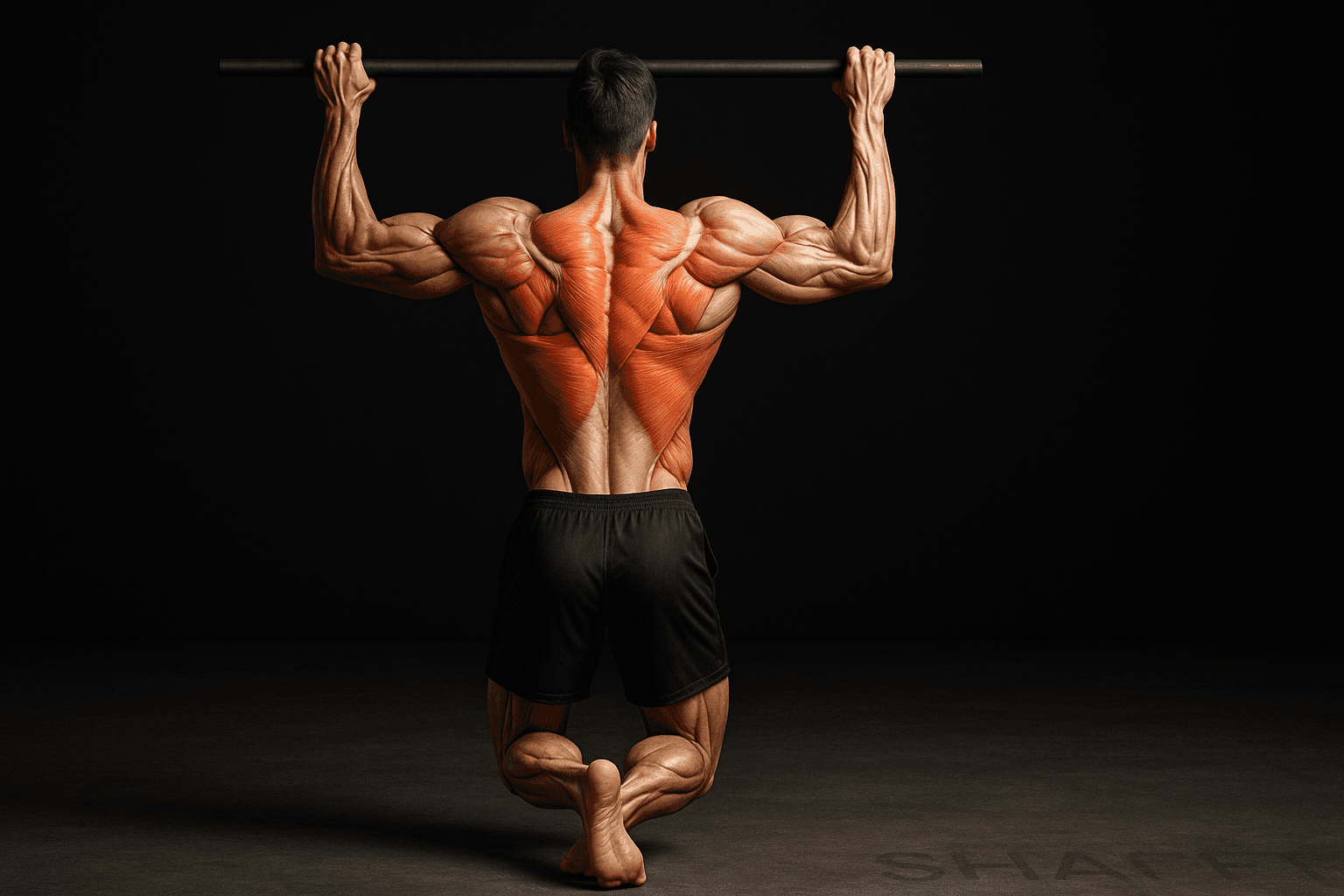
The Most Common Rear Delt Fly Mistakes (and How to Fix Them)
Learn the 6 most common rear delt fly mistakes, why they happen, what they cost, and one concrete fix for each to get better rear delt carryover and less pain.
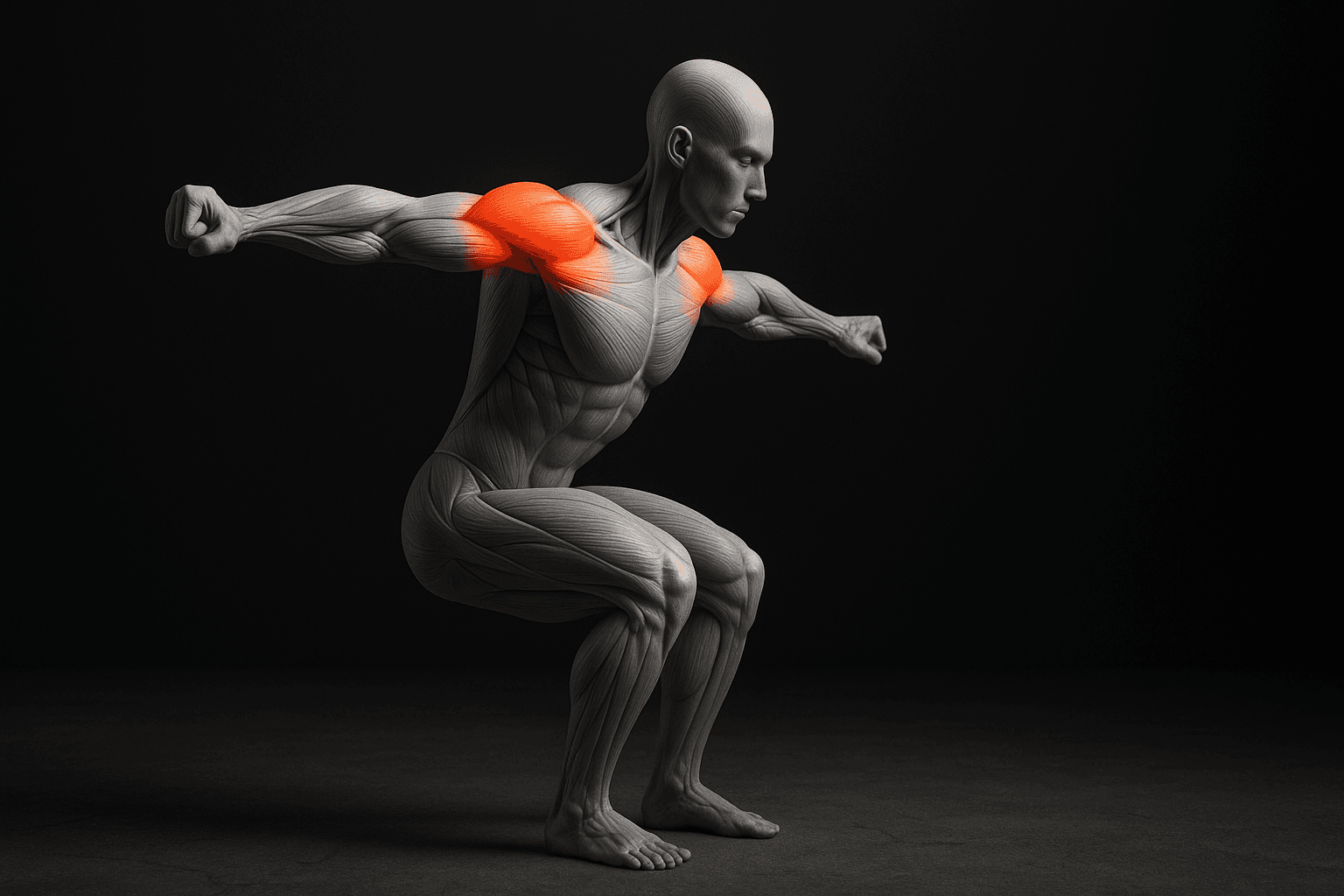
Photo by RepBro.
The most common rear delt fly mistakes are using momentum, locking or mispositioning the elbow, shrugging the shoulders, using too little range of motion, choosing weights that are too heavy, and poor torso position — each compromises rear deltoid stimulus and can increase injury risk. Below are the 6 top errors, why they happen, what they cost, and one concrete fix for each.
Are you swinging the weights instead of using your rear delts?
Why it happens: People try to lift heavier, or fatigue forces the body to generate force with hip drive and torso swing. Standing variations and light fatigue make this especially common. What it costs: Loss of tension on the rear delts, reduced hypertrophy stimulus, and added low-back stress. Momentum can also hide imbalances. Concrete fix: Slow the tempo. Use a 2:1 eccentric:concentric tempo (for example, 2 seconds lowering, 1 second lifting) and pick a weight that lets you do 8–12 clean reps. If you catch yourself swinging, immediately drop weight by 10–20% and reset.
Is your elbow either locked or bent at the wrong angle?
Why it happens: Some lifters keep arms straight to seem 'more isolated', others bend the elbow too much and turn it into a row variant. Both change the joint moment and muscle emphasis. What it costs: A locked elbow shifts load into the shoulder joint and the long head of the triceps; an overly bent elbow loads the lats and rhomboids more than the rear delt. Concrete fix: Maintain a soft elbow of about 15–30 degrees and lead with the elbow, not the hand. Think of moving the elbow out to the side in an arc; this keeps the moment arm on the posterior deltoid.
Are you shrugging and letting traps do the work?
Why it happens: When weight is too heavy or posture is poor, people elevate the scapula rather than retracting and stabilizing it. Some cue 'pull your shoulder blades back' incorrectly and end up shrugging. What it costs: Dominant upper traps steal work from the rear delts and can increase neck and shoulder tension, limiting hypertrophy and potentially causing soreness. Concrete fix: Cue scapular retraction and depression before each rep. Think “pull the shoulder blades down and together, then lift the elbows.” Use a light touch: reduce weight until you can retract without elevation for 8–12 reps.
Are you stopping the range too early?
Why it happens: Fear of overstretch, a mistaken belief that shorter ranges protect the shoulder, or trying to keep the hands in front of the body to 'feel tension'. What it costs: Shortened range reduces mechanical tension in the rear delt and limits strength and hypertrophy. It can also shift load to the mid traps instead of the posterior deltoid. Concrete fix: Finish the rep with the elbows slightly behind the torso line — aim for a ~10–20 cm (4–8 in) horizontal separation between hands at end range for most lifters. If using cables or machines, allow the arms to travel to a position where the rear delts are stretched at the start and fully contracted at the end.
Are you using weights that are too heavy and collapsing technique?
Why it happens: Ego, training fatigue, or poor programming lead to picking a load that the muscle can’t control for a full set. What it costs: Compensations appear: swinging, shrugging, reduced ROM, and stress to joints. The result: fewer gains and a higher chance of tendon irritation. Concrete fix: Drop the weight to a load that permits strict 8–12 reps with the tempo above. A useful test: on rep 3 of set 1 you should still be able to control form; if not, reduce weight by 10–25%.
Is your torso angle wrong or unstable?
Why it happens: Standing bent-over flies often, folks round the upper back or hinge from the lumbar spine, and seated/incline setup errors change line of pull. What it costs: A rounded thoracic spine reduces scapular mobility and forward-rotates the shoulder, lowering posterior deltoid activation and increasing neck stress or risk to the lower back. Concrete fix: Use a chest-supported incline bench when possible. Set the bench so your torso is ~30–45 degrees above horizontal for flies, or hinge at the hips keeping a neutral spine and bracing the core when standing. If using standing bent-over, pick a mirror or film one set: keep the thoracic spine neutral and your chin tucked.
Safety note: Stop if you experience sharp or radiating pain and consult a qualified professional. This guide is about technique, not diagnosis.
Practical programming notes
- Reps and loads: Aim 8–15 reps for hypertrophy with a controlled tempo; 3 sets is a sensible starting point. If your rear delts lag, increase frequency to 2x per week while keeping total volume manageable.
- Modalities: Chest-supported dumbbell or machine reverse flys reduce cheating. Cables allow continuous tension and clear end-range feel but require stricter set-up.
- Progression: Improve form first, then add 5–10% load or 1–2 reps per week. Track sets and form in your log or app; if that interests you, check RepBro for tracking and comparison tools and see how routines stack up at https://www.repbro.app/vs.
One-sentence takeaway: Fix momentum, elbow position, scapular control, range, load, and torso angle, and you turn a wasted rear delt exercise into consistent posterior-shoulder training that reduces compensations and improves carryover.
Frequently asked questions
- How heavy should my rear delt fly weights be?
- Use a weight that lets you control a 2:1 eccentric:concentric tempo for 8–15 reps without shrugging or swinging. If you can do 15+ reps with perfect form, increase by ~5–10%.
- Is incline bench or standing bent-over better for rear delt flies?
- Both work. An incline bench (chest supported) reduces lower-back strain and limits momentum; standing bent-over has higher core demand and often needs lighter loads and stricter tempo.
- How do I know my rear delts are actually working?
- You should feel tension between the shoulder blades and at the posterior shoulder during the mid and end range of the movement, without excessive neck or upper-trap activation. If traps light up first, adjust technique or load.