Pendlay Row: Muscles Worked and Smart Alternatives
Clear, evidence-aware guide to what muscles the Pendlay row trains, how to use it in a program, and 3–4 alternatives with when to choose each (equipment, injury, plateaus).

Photo by RepBro.
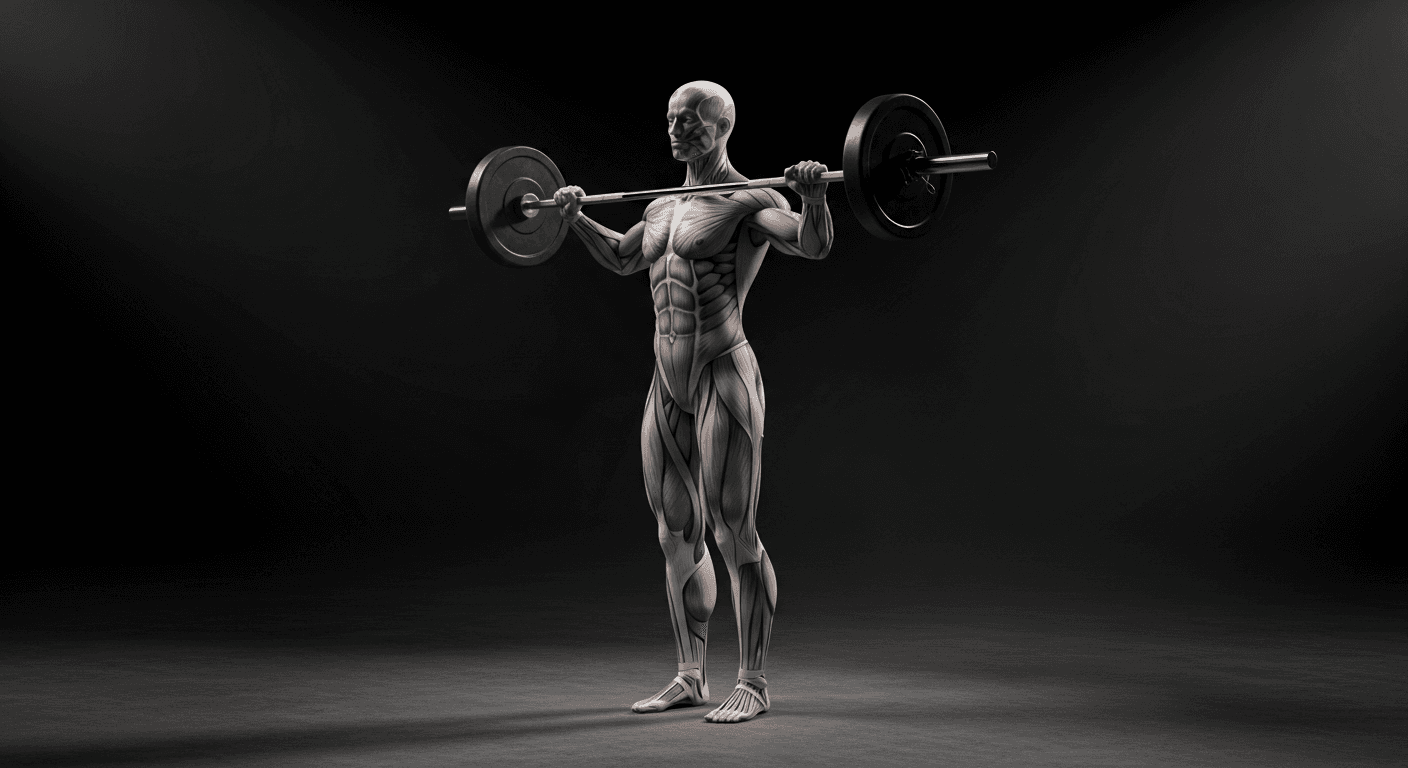
The Pendlay row primarily develops the lats, middle traps/rhomboids, and posterior delts while also demanding spinal erector and hip-hinge stability. It’s a horizontal, reset-at-the-floor barbell row that emphasizes explosive concentric drive and a strict, repeatable start position for each rep.
What muscles does the Pendlay row train — primary and secondary?
Primary movers
- Latissimus dorsi: main driver of shoulder extension and horizontal pull.
- Middle trapezius and rhomboids: retract and stabilize the scapulae during the concentric.
- Posterior deltoids: assist horizontal shoulder extension and external rotation.
Secondary and stabilizers
- Spinal erectors (erector spinae): maintain the hip-hinge and spinal alignment under load.
- Hamstrings and glutes: support the hip hinge and transfer force from the legs to the bar.
- Biceps and forearms: assist in elbow flexion and grip during the pull.
Because each rep starts from the floor, the Pendlay row reduces momentum and increases demand on initial force production from the lats and scapular retractors compared with touch-and-go bent-over rows.
When should I use Pendlay rows in my program?
Use Pendlay rows when you want a horizontal-pull heavy stimulus with minimal momentum and a clear, repeatable start position each rep. They fit well:
- On upper-back or pull days where you prioritize strength or power in horizontal pulling.
- As an assistance lift for deadlift and clean improvements because they train hip-hinge posture while reducing continuous lumbar load.
- In phases focused on force production from a dead-stop (low stretch-shortening contribution).
Programming notes consistent with resistance-training consensus:
- Frequency: 1–3 sessions per week for horizontal-pull work depending on volume across the week and recovery.
- Progression: aim for progressive overload via load, reps, or quality of reps while tracking fatigue.
- Recovery: monitor local back and grip fatigue; reduce volume or intensity when performance declines and include recovery weeks as needed.
How do I pick between Pendlay rows and other row variations?
Choose based on equipment, injury history, and technical goals.
- Want maximum load and a strict dead-stop? Pendlay row or barbell bent-over rows are appropriate.
- Low-back irritation or need for cleaner posture? Chest-supported or machine rows reduce lumbar stress.
- Unilateral balance or core anti-rotation work? Single-arm dumbbell or cable rows are useful.
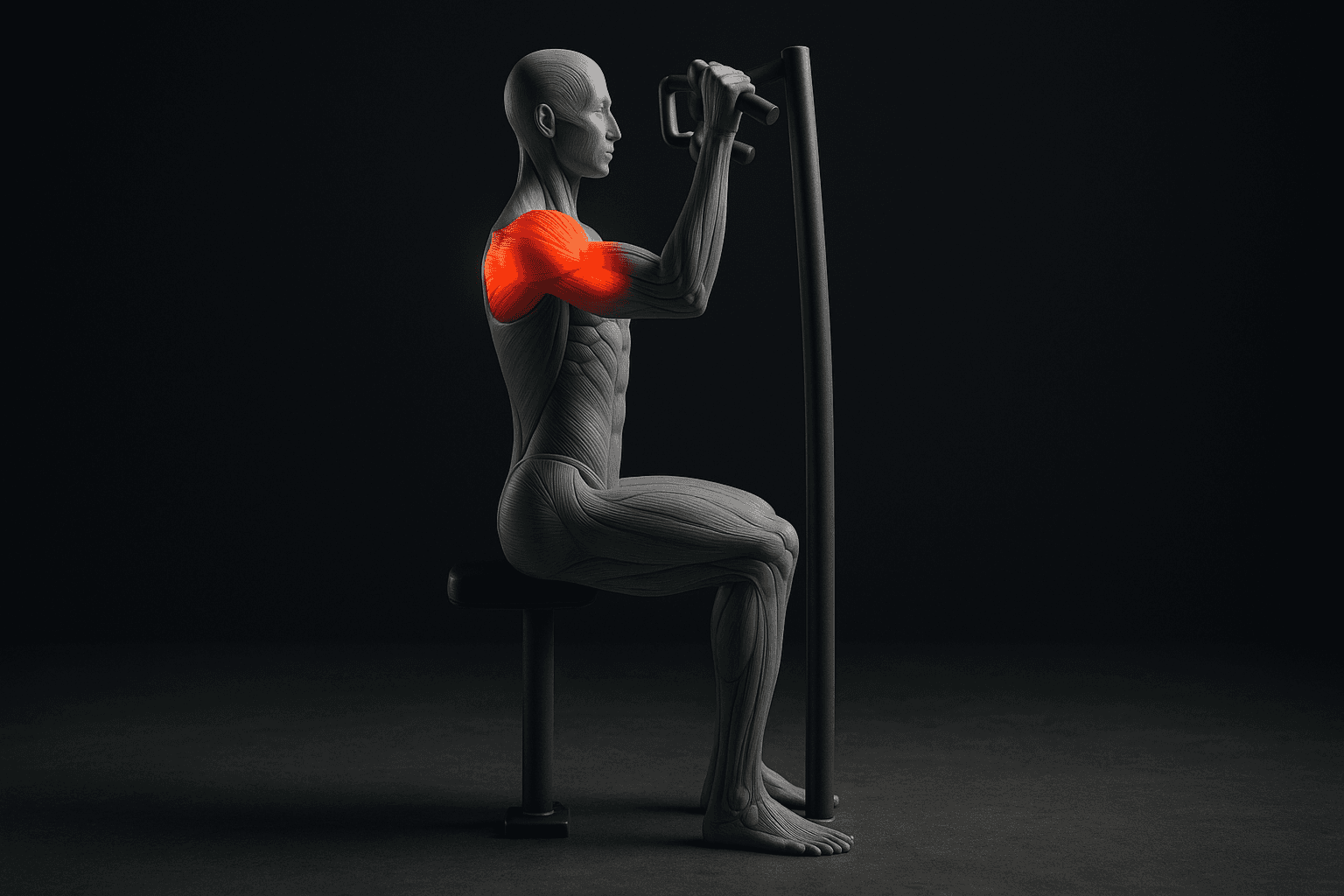
- No barbell available? Inverted rows, seated cable rows, or dumbbell rows are viable substitutes.
Which row alternatives should I use and when should I pick each?
- Chest-supported dumbbell or machine row
- When to pick: lower back pain, early rehab, or when you need to remove lumbar shear.
- Why: chest support removes much of the spinal loading while keeping the horizontal pull pattern and allowing high-quality contractions.
- Equipment: bench + dumbbells or a chest-supported row machine.
- Single-arm dumbbell row (or one-arm chest-supported row)
- When to pick: unilateral imbalances, grip or core asymmetry, or limited rack space.
- Why: allows focused work on each side, teaches scapular control, and can highlight weak links that barbell rows mask.
- Equipment: dumbbell and flat bench (or incline bench for support).
- Seated cable row (close/grip variations)
- When to pick: needing constant tension through the range, limited lower-back tolerance, or wanting many grip and handle options.
- Why: cables provide continuous tension and multiple handle options to shift emphasis between lats, traps, and rhomboids.
- Equipment: cable machine.
- Inverted row (bodyweight) or TRX row
- When to pick: no heavy equipment, beginner progression, or for high-volume technical practice with lower compressive loads.
- Why: scalable intensity, retrains horizontal pulling mechanics, and useful as a lower-back-friendly option.
- Equipment: bar in a rack, TRX, or Smith machine set low.
How do these options compare at a glance?
| Variation | Primary muscles | Spinal load | Unilateral option | Equipment |
|---|---|---|---|---|
| Pendlay row | Lats, mid-traps, post delts | Moderate–High (hip hinge) | No | Barbell, plates |
| Chest-supported row | Lats, mid-traps | Low | Yes (single-arm) | Bench/machine, DBs |
| Single-arm DB row | Lats, mid-traps, core | Low–Moderate | Yes | Dumbbell, bench |
| Seated cable row | Lats, traps, rhomboids | Low | Yes | Cable machine |
| Inverted row | Lats, mid-traps | Very low | Yes | Bar/TRX |
How do I spot and address plateaus with Pendlay rows?
Plateaus often stem from stagnation in volume, movement quality, or recovery. Practical adjustments:
- Vary set/rep schemes: alternate heavier, lower-rep blocks with higher-rep technical blocks.
- Add complementary pulling volume: single-arm rows or pulldowns can address weak points.
- Improve technical factors: ensure full scapular retraction, neutral spine, and a controlled but explosive concentric.
- Track weekly effective volume and reduce or deload if strength and performance drop consistently.
Safety note
Stop immediately on sharp or radiating pain. Consult a qualified clinician for persistent pain or suspected injury. Never attempt heavy Pendlay rows without established hip-hinge mechanics and adequate warm-up.
Limitations — what this article and apps can’t do
- No article or app can see your lift mechanics in real time; only a coach or clinician can provide hands-on correction and nuance.
- Instructions here are general — specific rehab, progressive loading after injury, or medical diagnoses require a qualified professional.
- A program only works if you apply it consistently; technology helps track but does not substitute for adherence, sleep, nutrition, and progressive overload.
If you track sets and progressive overload digitally, an app like RepBro can help log sessions and volume.
Summary: The Pendlay row is a focused, dead-stop horizontal pull that targets lats, middle traps/rhomboids, and posterior delts while requiring hip-hinge stability. Choose chest-supported, single-arm, cable, or bodyweight alternatives when equipment, low-back tolerance, or unilateral needs dictate. Prioritize progressive overload, recovery, and technical quality to make consistent progress.
Frequently asked questions
- What muscles does the Pendlay row work?
- The Pendlay row primarily targets the posterior deltoids, latissimus dorsi, and the middle trapezius/rhomboid area while also loading the spinal erectors and hamstrings isometrically. It’s a horizontal-pull, compound lift that stresses the upper- and mid-back and requires full-body tension for a strict barbell reset on the floor between reps.
- How often should I include Pendlay rows in my training?
- Include Pendlay rows 1–3 times per week depending on overall volume and goals. Follow standard resistance-training guidance to spread back work across sessions, adjust weekly volume by fatigue and recovery, and prioritize progressive overload while scheduling recovery weeks or reduced volume periods based on how you feel.
- What’s a good alternative to the Pendlay row if I have low-back pain?
- A chest-supported row or seated cable row is a sensible alternative because the chest support removes most shear forces from the lumbar spine while keeping a horizontal-pull pattern. Choose light-to-moderate loads, focus on scapular retraction, and consult a qualified clinician if pain persists.