Incline Dumbbell Curl: Muscles Worked and Solid Alternatives
Clear, evidence-aware breakdown of which muscles the incline dumbbell curl trains, where it fits in a program, and 3–4 practical alternatives with selection guidance.
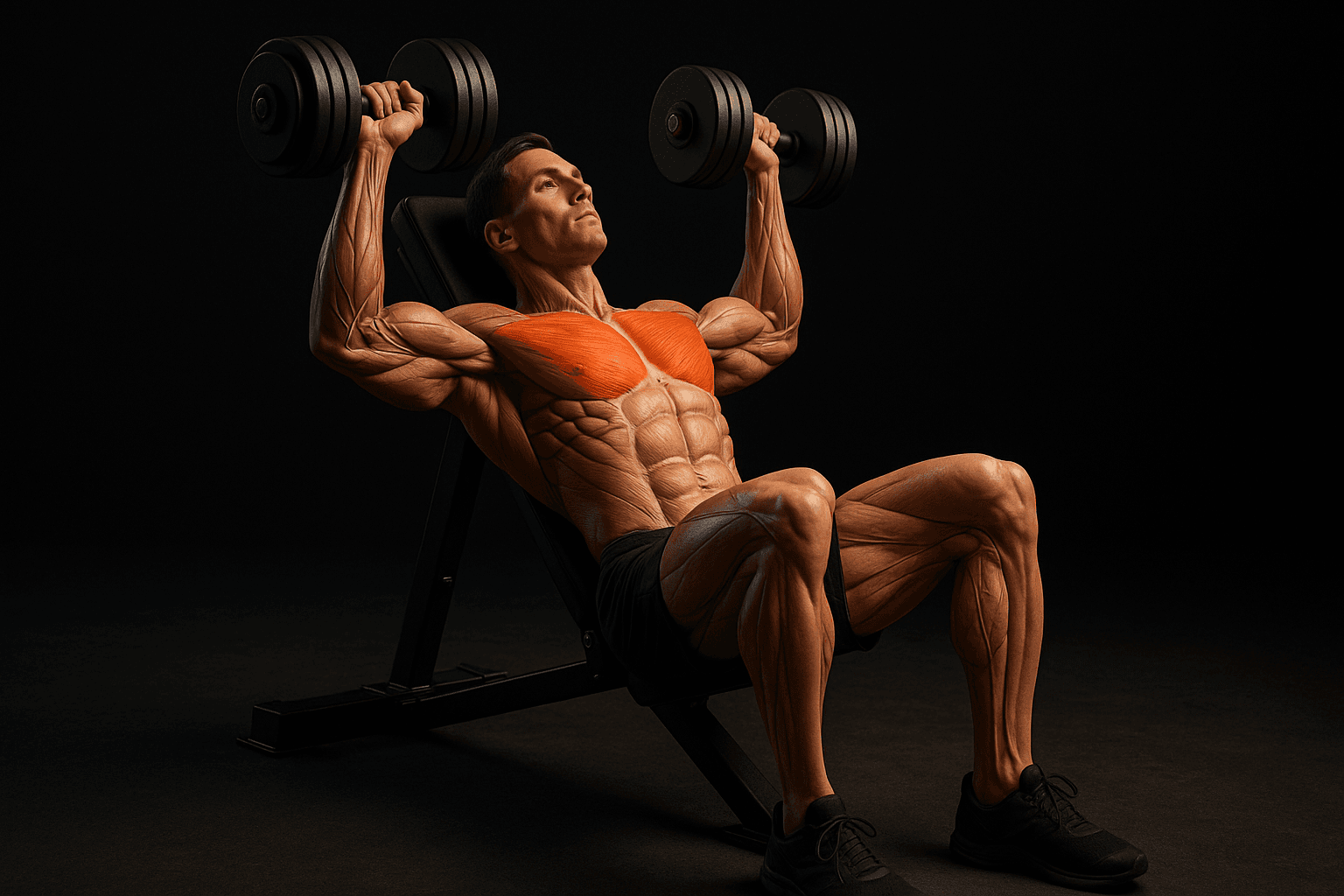
Photo by RepBro.
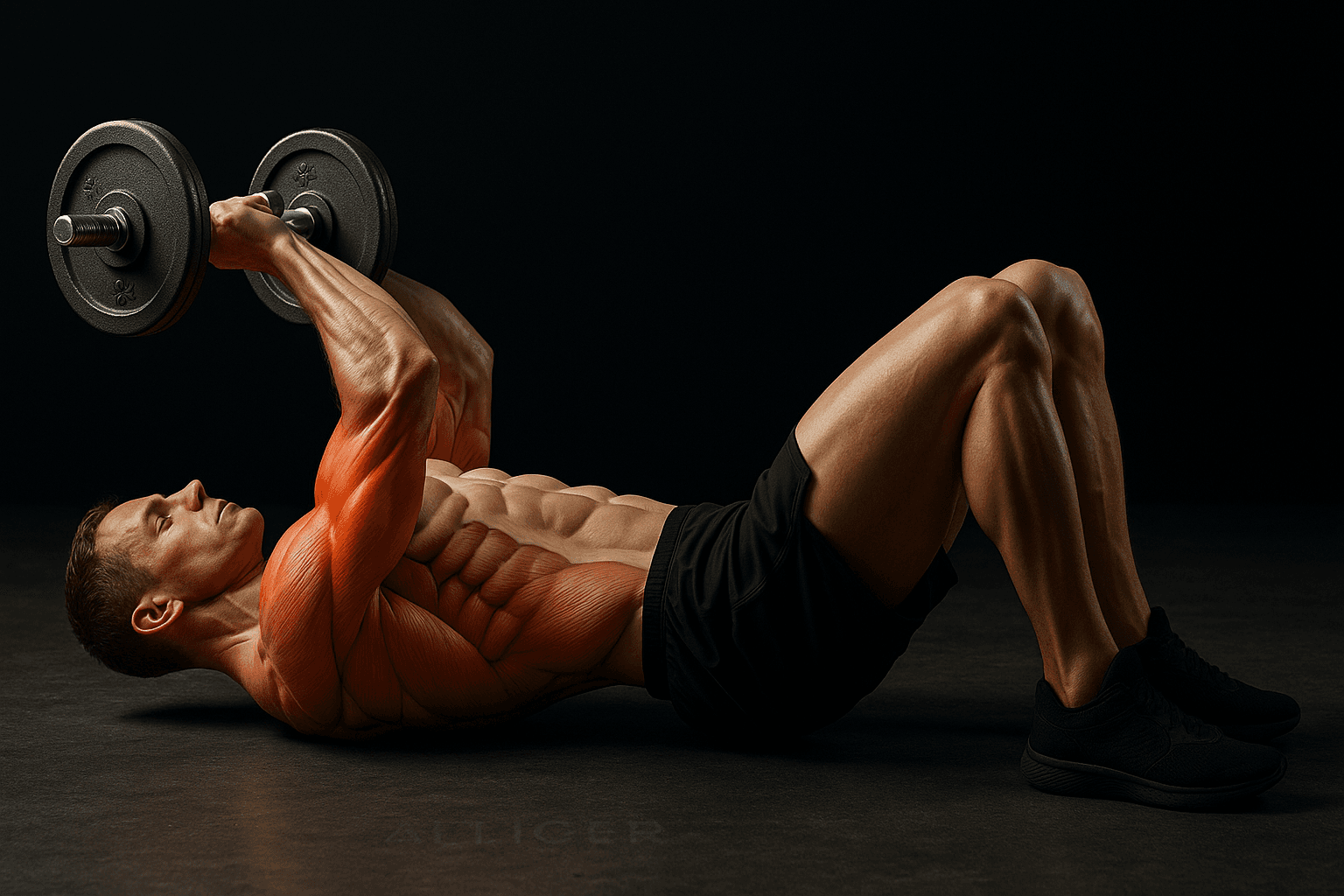
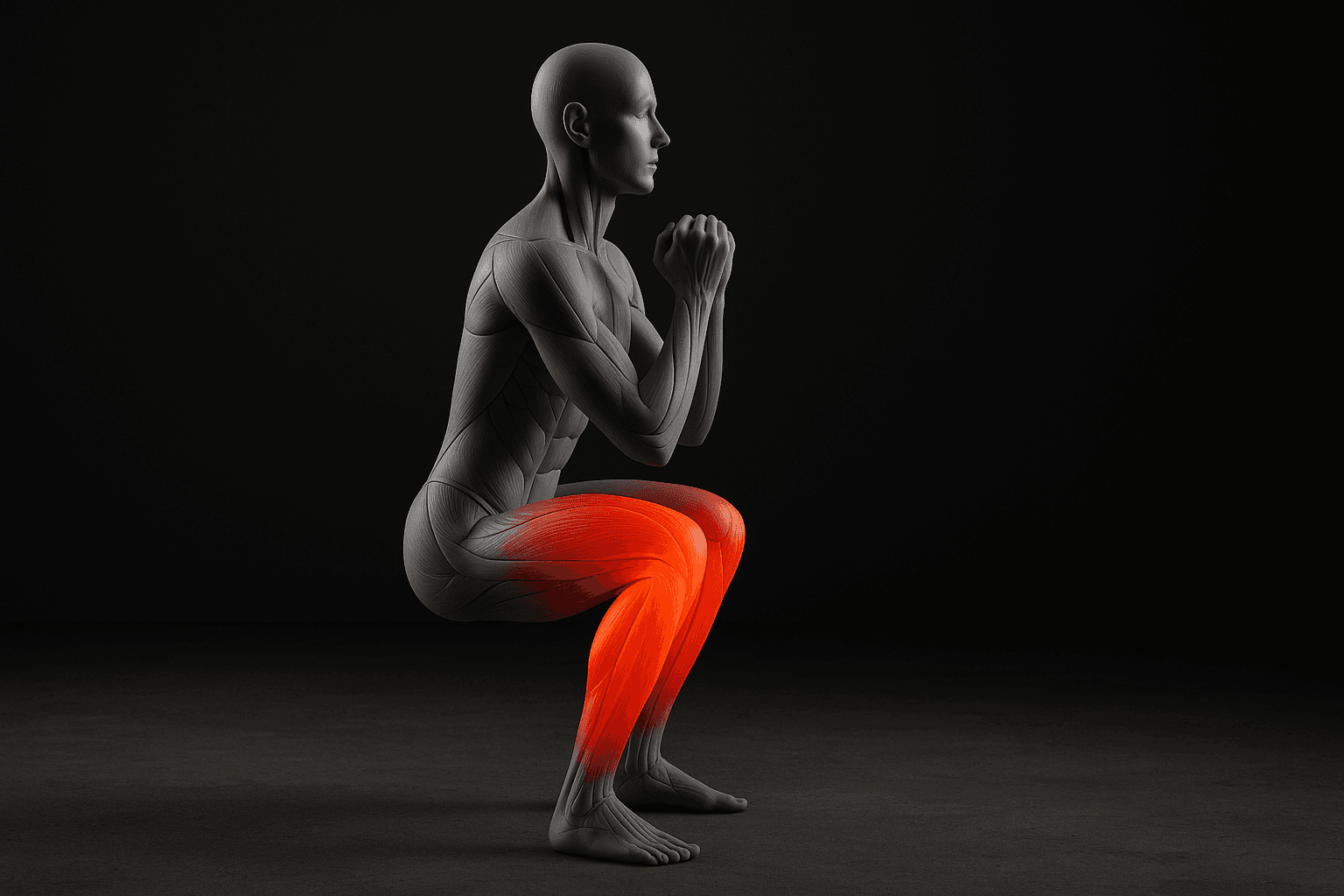
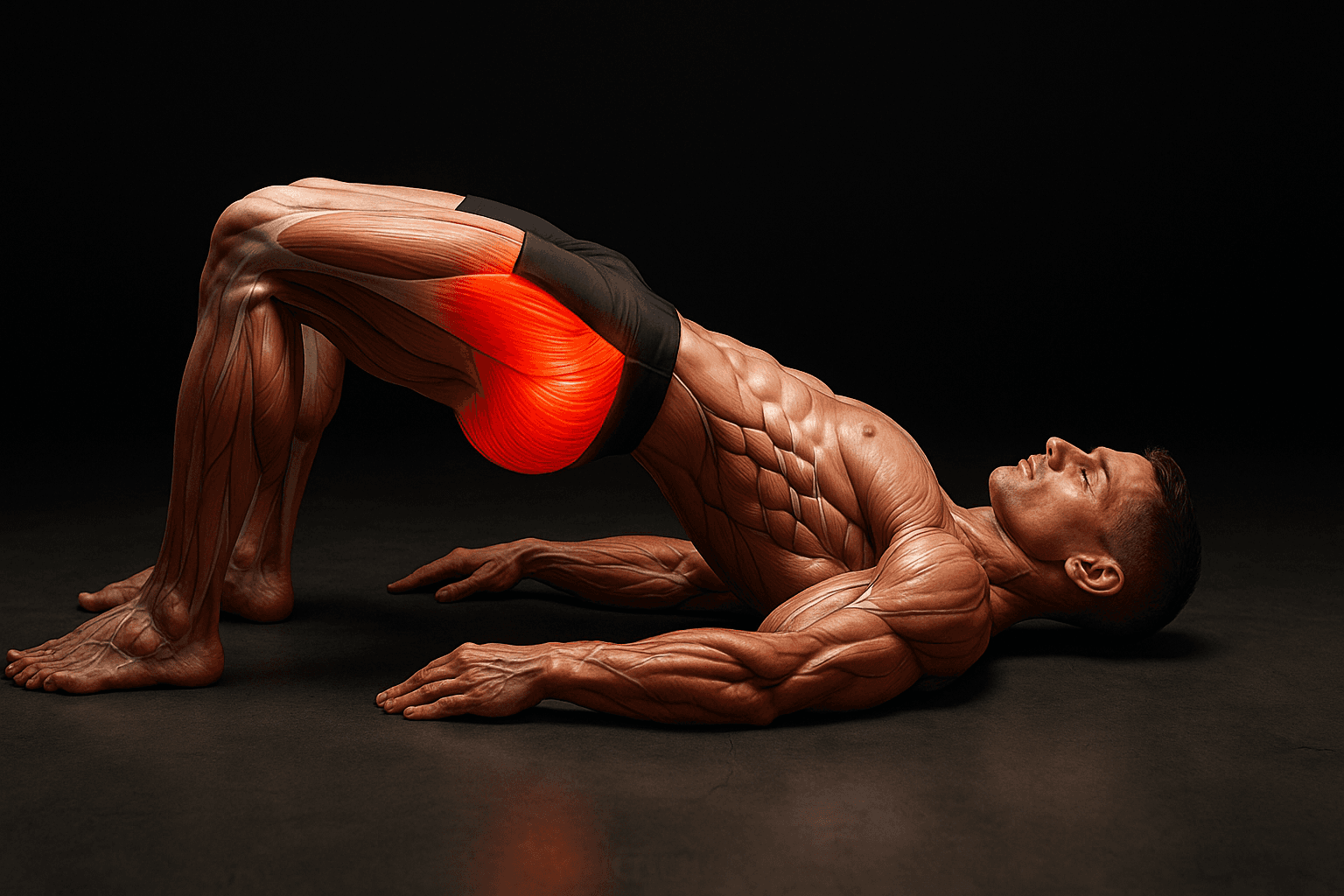
The incline dumbbell curl primarily trains the biceps brachii, with a relative emphasis on the long head because the shoulder is extended. Secondary muscles include the brachialis, brachioradialis, and wrist flexors. It’s an accessory arm exercise best used for hypertrophy and long-head emphasis.
What exactly does the incline dumbbell curl work?
Primary muscle:
- Biceps brachii — both heads contract, but the long head experiences more passive stretch when the shoulder is extended (arm behind the torso), so it receives relatively greater tension across the range.
Secondary and synergists:
- Brachialis — sits under the biceps and contributes to elbow flexion, often strongly active regardless of forearm position.
- Brachioradialis — more involved when neutral or hammer grips are used but still assists during supinated dumbbell curls.
- Wrist/finger flexors — stabilize the grip.
- Anterior deltoid and scapular stabilizers — provide posture and shoulder stability on the inclined bench.
Mechanics note: because the shoulder is placed into extension on an incline bench, the movement starts with the biceps in a longer position, which shifts some mechanical emphasis toward the long head and increases stretch-mediated stimulus.
Where does it fit in a training program and how should I program it?
Programming role:
- Accessory/hypertrophy lift. Use it after heavy compound pulls (rows, pull-ups) or after pressing work if your arm energy permits.
- Frequency: twice weekly for most lifters produces more reliable growth than once-a-week isolation work. Distribute volume across sessions.
Sets, reps, and progression (evidence-aligned guidance):
- Weekly biceps volume: a commonly recommended range for direct work is roughly 8–20 sets per week depending on experience, recovery, and overall load from pulling exercises. Adjust within that band.
- Per-session incline curls: 3–6 sets. Reps can be 6–15 depending on load: lower reps with heavier weight for near-strength emphasis, higher reps for metabolic stress.
- Progressive overload: increase reps, then load; add a set only if recovery allows. Track weight and reps and aim to improve one variable every 1–3 weeks.
- Deloading: reduce volume or intensity for a week every 4–12 weeks depending on accumulated fatigue and performance.
Safety and technique:
- Use a bench set to about 45 degrees or slightly lower; torso angled ensures upper arm travel behind body. Control eccentric portion; avoid swinging.
- Keep elbows relatively fixed; allow natural small movement but don’t thrust the elbow forward to cheat.
- Stop on sharp pain; consult a qualified professional for persistent joint pain.
How does incline dumbbell curl compare to other curl variations?
| Exercise | Equipment | Muscle emphasis | When to pick it |
|---|---|---|---|
| Incline dumbbell curl | Incline bench + dumbbells | Long-head biceps emphasis; good stretch | You want long-head focus and a long-muscle-length stimulus |
| Seated barbell or EZ-bar curl | Barbell/EZ | Overall biceps loading; heavier absolute loads | You have heavy loading goals or limited bench availability |
| Preacher curl | Preacher bench + barbell/dumbbell | Shorter ROM; isolates elbow flexion, reduces shoulder involvement | You need strict isolation and to limit shoulder compensation |
| Cable curls (high pulley) | Cable machine | Constant tension across ROM; can be done single-arm | You want steady tension and easy tempo/positional changes |
| Concentration curl | Dumbbell | Strong unilateral isolation; peak contraction focus | Address left-right imbalances or finishers |
What are practical alternatives and when to choose each?
- Seated barbell or EZ-bar curl
- When to pick: need to move heavier absolute loads, no dumbbells/bench available, or prioritizing strength overload. Barbell allows symmetrical loading and small increments of progression.
- Limitations: less long-head stretch than incline; more chance to cheat with torso swing if not strict.
- Preacher curl
- When to pick: you want strict isolation or to limit shoulder involvement (shoulder pain with incline position). It reduces momentum and emphasizes the bottom portion of the curl.
- Limitations: fixed pad can feel restrictive; may shorten ROM for some lifters.
- Cable curl (single-arm or two-arm)
- When to pick: want constant tension and easy positional tweaks (hands supinated, neutral, or rotation). Good for controlled tempo and peak contraction work.
- Limitations: requires cable machine; less stretch at the start depending on pulley height.
- Concentration or incline hammer curl
- When to pick: managing wrist/forearm issues or addressing side-to-side imbalances. Hammer variations shift stress to brachialis and brachioradialis while still providing strong elbow flexion stimulus.
- Limitations: might under-emphasize biceps long head depending on arm position.
How to choose between these when you’re stalled, injured, or equipment-limited?
- Equipment limits: pick barbell curls (no bench) or bodyweight alternatives like towel chin-ups if you lack weights.
- Shoulder discomfort with arm behind you: swap for preacher curls or cable curls to reduce shoulder extension.
- Plateau in development: vary angle (incline vs. preacher), implement different tempos (3–0–1 eccentric), or add more weekly sets rather than only heavier loads.
What are realistic expectations and safety reminders?
- Expect arm size and strength to change gradually; meaningful hypertrophy takes consistent progressive overload, adequate protein, and overall caloric support.
- Safety: stop on sharp joint pain. Use controlled eccentrics. Avoid excessive swing. Consult a qualified clinician for persistent pain or injuries. No exercise guarantees injury prevention.
What limits do training apps and AI have here?
Limitations:
- No app or AI can visually assess or correct your form in real time; cameras can help but do not replace a qualified coach’s eye.
- A remote program cannot diagnose injuries or prescribe medical rehab; see a clinician for pain or structural issues.
- Programs only work when you are consistent; programming is necessary but not sufficient — adherence and recovery are decisive.
If you want simple tracking and progressive overload reminders for curl variations, apps like RepBro can help record sets, weights, and tempo.
Summary: the incline dumbbell curl is a long-head–biased biceps isolation movement useful for hypertrophy and variety. Use it as part of 8–20 weekly biceps sets, twice-weekly frequency for most lifters, and pick alternatives (preacher, barbell, cable, concentration) based on equipment, pain, or specific weak points.
Safety reminder: this article does not diagnose injuries or replace professional medical advice. If you have pain or a medical condition, consult a qualified professional before changing your training.
Frequently asked questions
- Does the incline dumbbell curl emphasize the long head of the biceps?
- Yes. Placing the upper arm behind the torso lengthens the biceps long head at the shoulder, putting it under greater stretch during the raise. That anatomical position increases relative long-head loading compared with curls where the shoulder is neutral or flexed.
- How many sets and reps should I do for incline dumbbell curls for size?
- Treat it as an accessory: perform 3–6 sets of 6–15 reps depending on load and fatigue. Aim for 8–20 total weekly sets for the biceps from all direct work, split across two sessions for better growth outcomes.
- When should I pick another curl instead of the incline dumbbell curl?
- Pick an alternative if you lack a bench or dumbbells, have shoulder pain with the arm behind you, or need different loading (e.g., constant tension or unilateral isolation). Swap when you’re stalled, or to vary range of motion and elbow/shoulder angles.