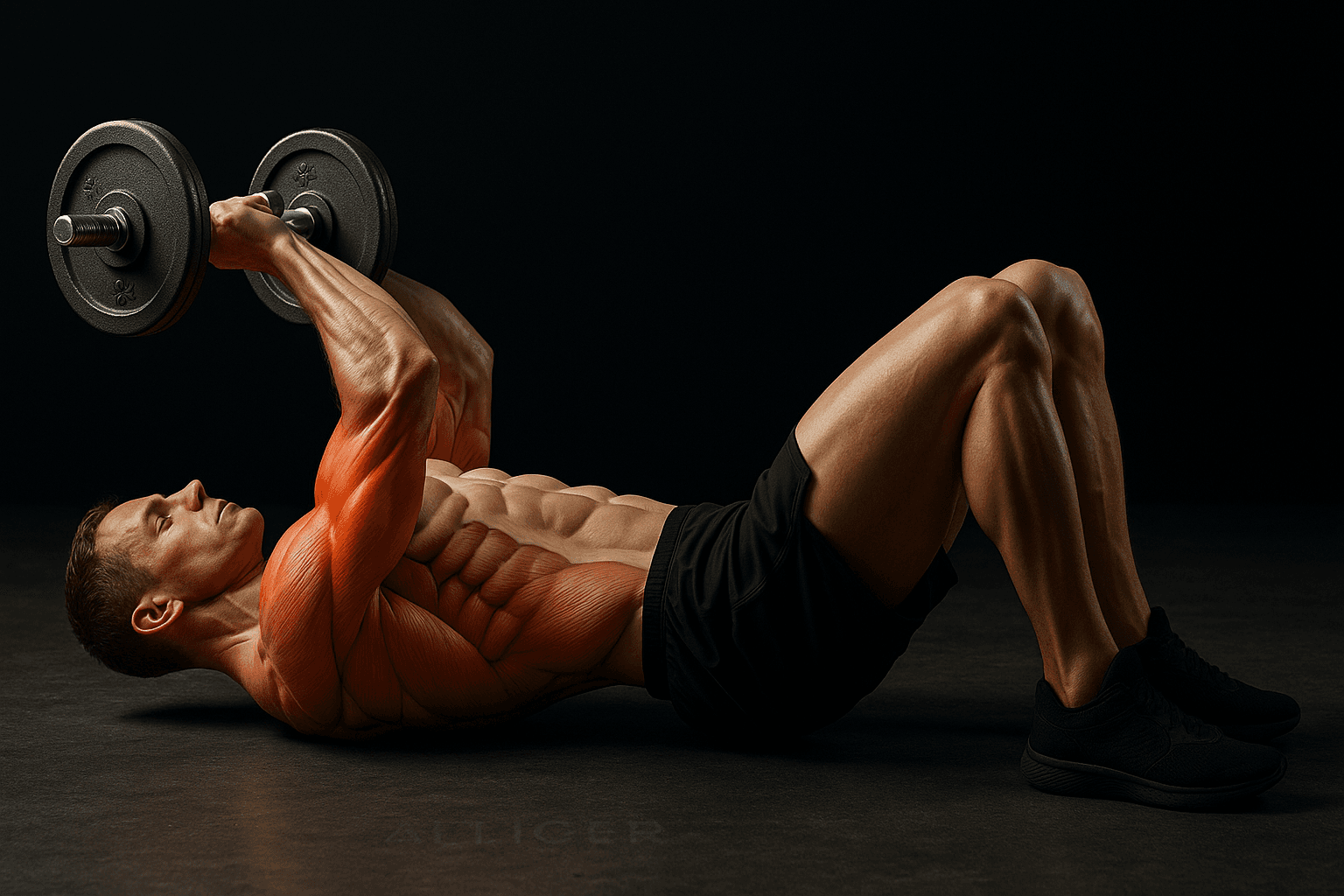
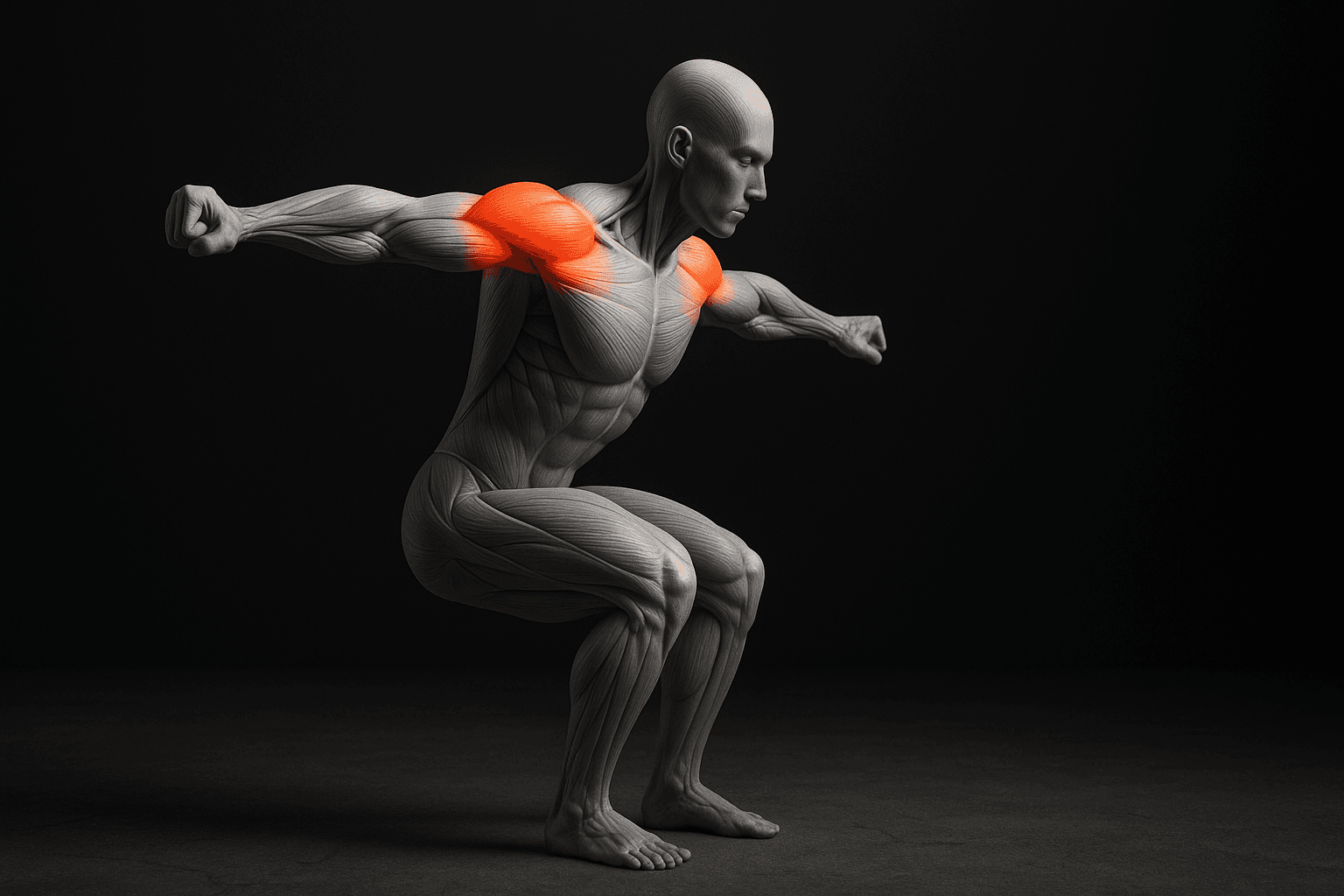
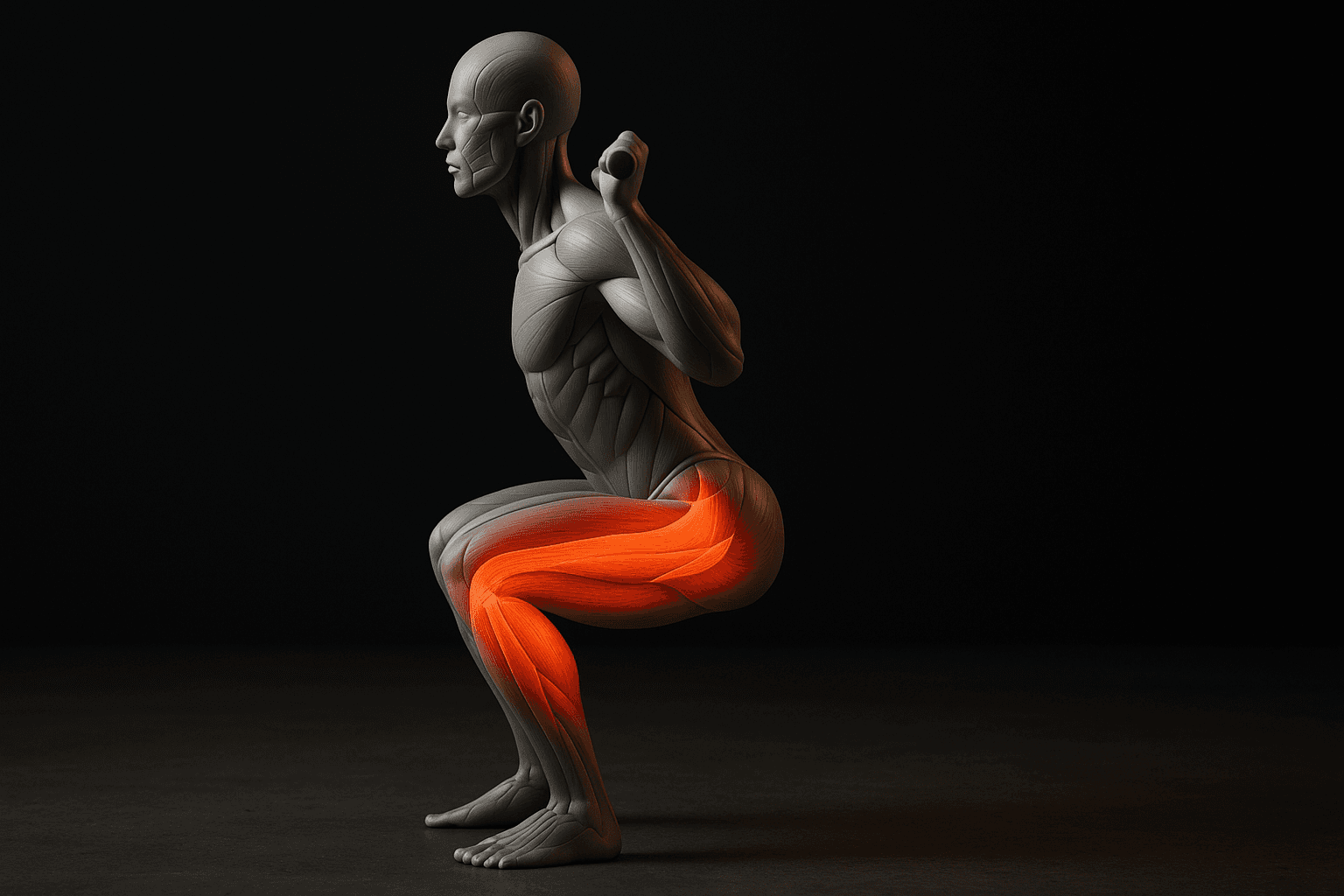
The Most Common Hip Abduction Machine Mistakes (and How to Fix Them)
Clear, practical fixes for the most common hip abduction machine mistakes—why they happen, what you lose, and one concrete correction for each. Evidence-aware, no hype.
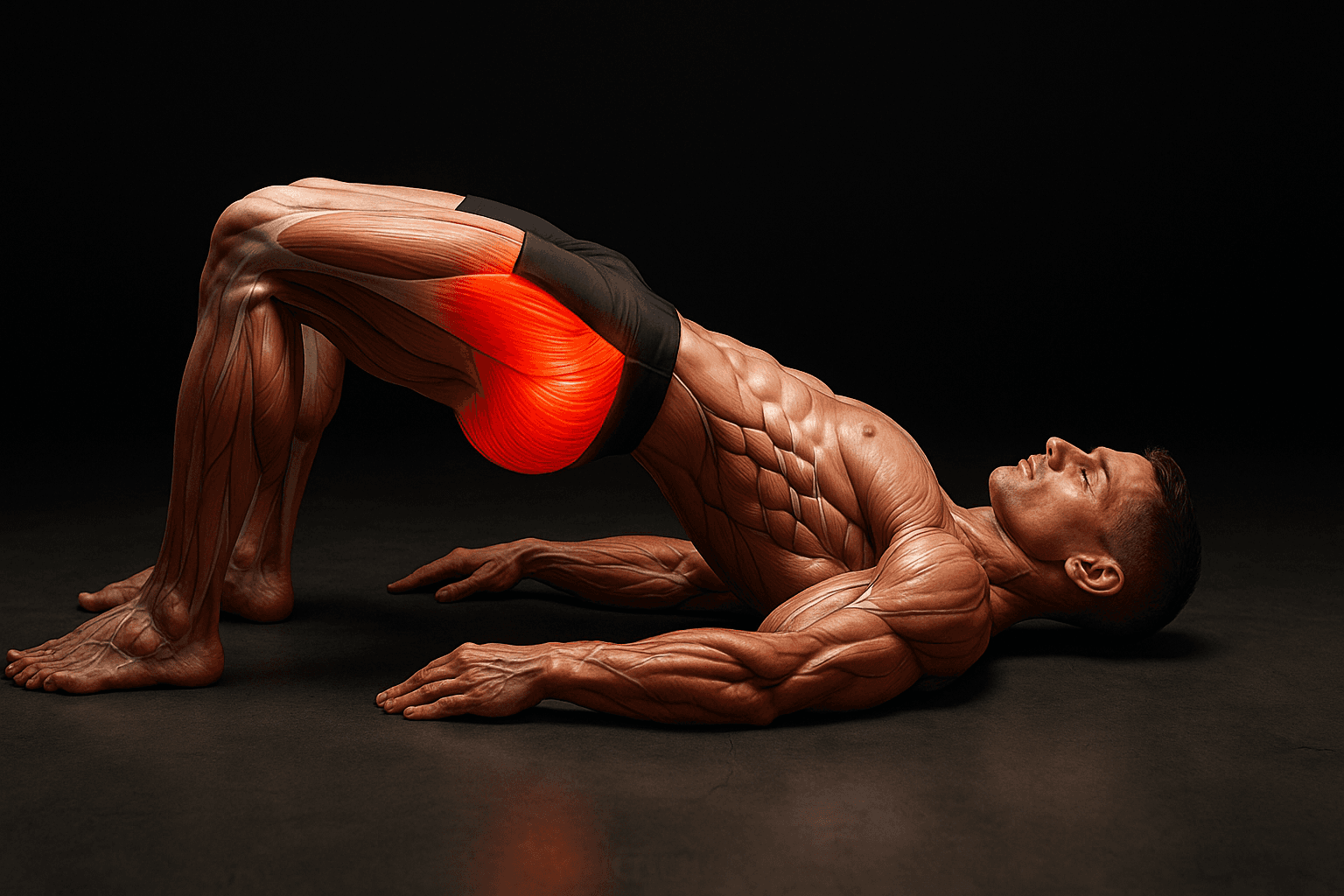
Photo by RepBro.
Short answer: the most common hip abduction machine mistakes are using too much weight and swinging, wrong pad placement and foot rotation, leaning the torso, and neglecting eccentric control. Each reduces gluteus medius stimulus and raises compensation or injury risk; fix them with lighter load, setup, and tempo.
Why does using too much weight ruin hip abduction training?
Many people load the abductor machine like a compound lift and rely on momentum. That happens because heavier weight feels productive and loads are easy to add. What it costs: loss of targeted stimulus to the gluteus medius/minimus, greater lumbar or hip compensation, and wasted training effort.
Concrete fix: drop the weight to where you can do slow, controlled reps for your target range (for example, a working set that’s challenging but not swinging). Pause for a strict 1–2 second isometric at about three‑quarters of the rep to check you’re not using momentum.
How does wrong pad placement or body position reduce gains?
Incorrect pad height or the pad pressing on the wrong spot shifts load to the hip flexors, tensor fasciae latae (TFL), or even the adductors. It happens because most gyms have one generic machine and users don’t adjust it. The cost is reduced gluteus medius activation and inefficient training.
Concrete fix: position the leg pad so the padded lever contacts just above the lateral knee (distal femur) or over the lower thigh—follow the machine’s recommended contact point. Sit upright, hips against the back pad, and set the start position with a neutral pelvis so the movement arc emphasizes lateral hip motion.
Why does excessive external rotation (toes up/out) occur and why is it a problem?
People point the foot outward because it feels like they can push harder or because foot orientation gives a mechanical advantage. This shifts emphasis from the gluteus medius to the TFL and external rotators, and can encourage impingement or knee tracking issues.
Concrete fix: keep the toe orientation neutral or slightly internally rotated depending on comfort, with the foot facing forward relative to the torso. If you use the machine’s footplate, check that your foot doesn’t press the pad at an angle—reposition the foot to keep the hip abduction vector clean.
What happens when you lean or rotate the torso during reps?
Leaning away or toward the working side converts the exercise into a trunk movement and uses obliques and erectors to assist. This compensatory pattern develops because people chase heavier loads or rep counts. The cost: lower glute stimulus and potential low‑back irritation.
Concrete fix: sit tall with the ribcage down, chest relaxed, and hold the seat handles if available. Imagine stacking the head over the pelvis. If balance is an issue, reduce weight and perform deliberate single‑side sets with the non‑working leg supported to avoid torso shifts.
Why is ignoring the eccentric (lowering) phase a mistake?
Dropping the resistance on the return wastes time under tension and misses a key hypertrophy and control stimulus. Many lifters let the lever return under spring or momentum rather than resisting it. The cost: less strength transfer and poorer muscle control across the joint.
Concrete fix: use a 2–3 second controlled eccentric (return) for each rep. Count quietly or use a metronome. If the machine’s springs return the lever too quickly at light loads, apply a deliberate manual slowdown with your working limb to maintain tension.
How does limited range of motion (ROM) or shifting foot position reduce benefit?
Stopping early or avoiding end‑range reduces mechanical tension and muscle lengthening—both important for hypertrophy and functional carryover. It happens from fear of discomfort or misunderstanding the joint path. The cost: incomplete development of lateral hip strength and less transfer to single‑leg tasks.
Concrete fix: find a pain‑free ROM and gradually increase it over sessions. Slightly externally rotate the thigh if it improves comfort, but not enough to recruit the wrong muscles. Track small weekly increases in ROM or reps instead of jumping load.
| Common mistake | Why it happens | What it costs | One quick fix |
|---|---|---|---|
| Too much weight / swinging | Desire for heavy numbers, easy to add plates | Loss of targeted glute stimulus; compensation | Drop load to allow slow, controlled reps and a brief isometric pause |
| Wrong pad placement | Machines/gym setup not adjusted | Loads TFL/adductors instead of glute medius | Position pad above lateral knee; butt to backrest |
| Foot rotated or toes up | Feels stronger, mechanical advantage | Shifts activation to TFL/external rotators | Keep foot neutral, align with torso |
| Torso lean/rotation | Cheating to move weight | Uses obliques/erectors, loss of hip focus | Sit tall, grip handles, reduce weight if needed |
| Ignored eccentric | Rush to next rep or machine spring | Less hypertrophy and control | Use a 2–3s controlled eccentric per rep |
| Small ROM / premature stop | Discomfort or fear, unclear cueing | Incomplete strength and mobility gains | Gradually build ROM; track small weekly increases |
Safety note: stop the set if you feel sharp or worsening joint pain. This article does not diagnose injuries; consult a qualified clinician for persistent pain. No exercise guarantees injury prevention.
What should I do between sessions and how often should I use the machine?
Use hip abductions as an accessory: two to three times per week can be effective when total weekly volume and progression are tracked. Pair machine work with compound lower‑body lifts and single‑leg exercises for transfer. Prioritize gradual progression (more reps, better form, then load) rather than big jumps in weight.
Limitations: what this guide and apps can't do
An article or app can explain cues, common errors, and programming principles, but cannot see your individual biomechanics, diagnose injuries, or perform hands‑on corrections. For persistent pain, post‑surgical rehab, or return‑to‑sport decisions, consult a qualified clinician or physiotherapist. Also remember: a plan only works if you consistently follow it; consistency and progressive overload matter more than gadget choice.
If you want to track sets, reps, and progressive overload for accessory work, use a reliable training log and follow evidence‑based frequency and volume principles. Practical coaching and in‑person feedback are still the most effective ways to fix persistent technique faults.
Frequently asked questions
- What is the quickest fix if my hip abduction feels wrong?
- Short answer: lighten the load and focus on a controlled, pain‑free range of motion. If you must swing, hinge, or reposition your torso to move the weight, reduce resistance until you can perform slow, deliberate repetitions with the pad placed correctly and feet in neutral alignment.
- Will the hip abduction machine help my squat and run mechanics?
- Yes, indirectly. Machine abductions strengthen the gluteus medius and lateral hip stabilizers that help pelvic control during single‑leg work and heavy squats. They’re an accessory — not a substitute for compound lifts — and work best when programmed consistently alongside full‑body training.
- How often should I train hip abduction for muscle growth?
- Train hip abduction as an accessory two to three times per week, spreading total weekly volume across sessions. Hypertrophy needs progressive overload and recovery; use a mix of moderate to higher reps, track weekly sets, and increase load or reps gradually while maintaining strict form.