Hip Abduction Machine Alternatives at Home (Minimal Equipment)
Four to five at-home hip abductor alternatives using bands, dumbbells, and bodyweight. Pros, cons, programming guidance, and when to choose the gym over home options.
Photo by RepBro.
Short answer: Yes — you can capture most of what the hip abduction machine does at home using bands, dumbbells, and bodyweight. Effective options are banded standing abduction, lateral band walks, side-lying leg raises, seated band abduction, and weighted lateral step-ups. They differ in isolation, loading profile, and convenience.
What exercises can replace the hip abduction machine at home?
Here are 5 practical substitutes that require minimal equipment:
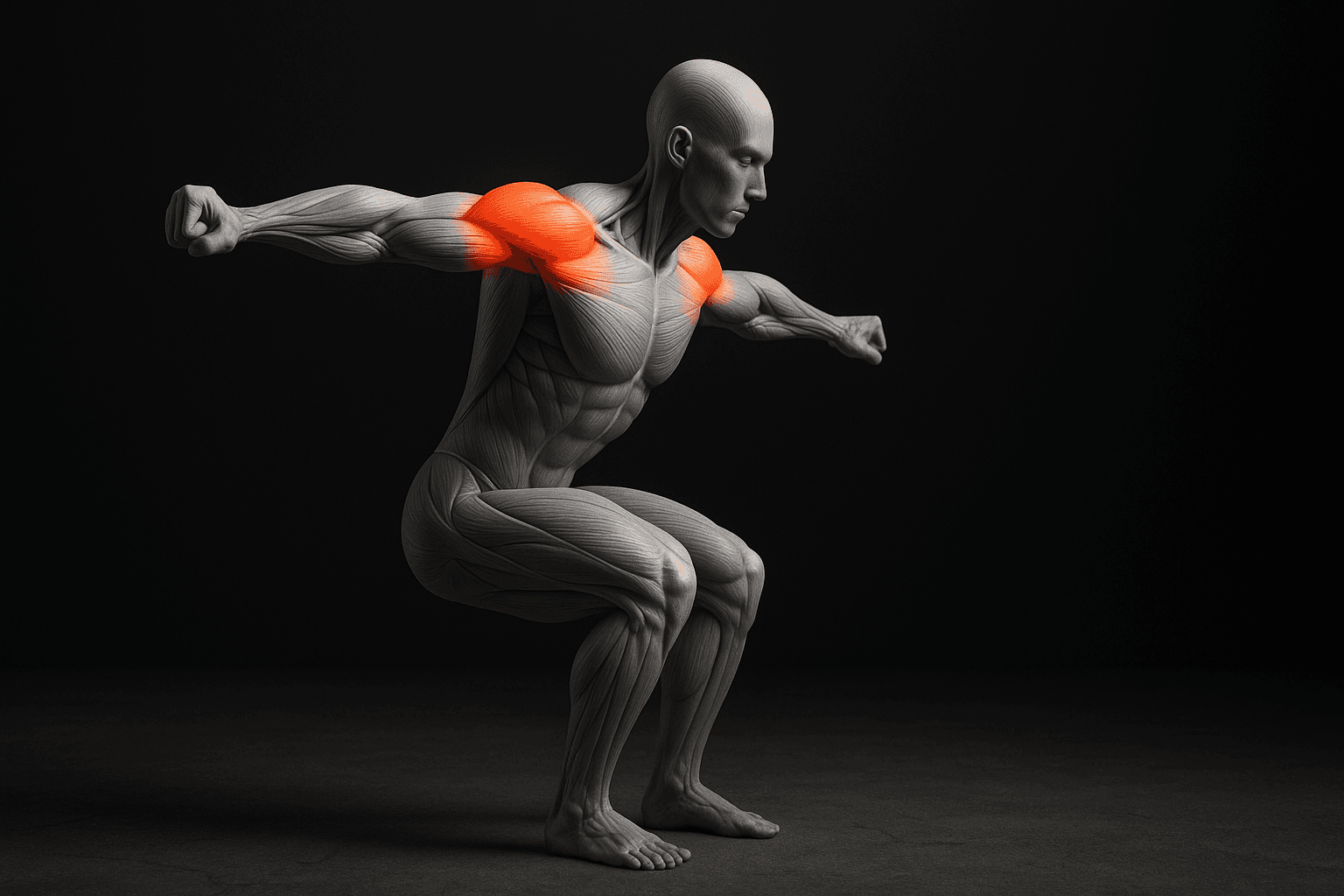
- Banded standing hip abduction (anchor band at low point, abduct leg sideways)
- Lateral band walk (mini-band around ankles or just above knees)
- Side-lying hip abduction (bodyweight or ankle weight/band)
- Seated band abduction (band around knees, push knees outward while seated)
- Weighted lateral step-up (dumbbell in hand, step laterally onto box/platform)
Each targets the gluteus medius and nearby abductors but differs in load curve, stability demand, and trunk involvement.
How do these options compare to the machine — what is preserved and what is lost?
- Preservation: all provide hip abduction range of motion and stimulus to gluteus medius/minimus. Bands can give near-constant horizontal tension; step-ups and standing variations preserve single-leg stability demands.
- Lost features: the machine offers fixed, consistent resistance perpendicular to the femur and easy, fine-grained incremental loading (plates or pin). It also minimizes balance demands, allowing strict isolation.
- Trade-offs: home variants often demand more core/hip stabilizer engagement and may limit absolute load. Some (lateral step-up) are more functional; others (side-lying raise) are more isolating but have different tension profiles.
Which exercise is closest to the machine in feel and when should I use each?
- Banded standing abduction: closest to machine because it provides horizontal resistance through the same plane. Use for isolation and when you want a similar movement without a gym.
- Lateral band walk: good for high-rep, endurance-style work and motor control; useful as warm-up or to accumulate volume across the week.
- Side-lying hip abduction: best for strict isolation of glute med if balance or pain limits standing work; can be progressed with heavier band or ankle weight.
- Seated band abduction: replicates the seated machine position reasonably well and is low-load; use for early rehab, tolerance work, or extra volume.
- Weighted lateral step-up: adds load and functional strength, good when you want to transfer to single-leg power or work through a larger range of motion.
How should I program sets, reps, frequency, and progression at home?
Evidence-based general guidelines for resistance training apply to hip abductors as well:
- Frequency: 2–3 sessions per week for direct abductor work.
- Sets: 2–4 sets per exercise.
- Reps: 8–20 reps depending on load. Use lower reps (8–12) with heavier resistance and higher reps (12–20) with bands or bodyweight.
- Progression: increase band resistance, add load (ankle weights or dumbbells on step-ups), increase set or rep volume, or change tempo to add time under tension.
- Recovery: ensure 48–72 hours between intense targeted sessions; individual recovery varies.
If your main goal is hypertrophy or strength of the abductors, track load (band level, reps, sets) and increase one variable at a time.
Quick comparison table: machine vs common home options
| Exercise | Equipment | Preserves vs Machine | Typical use-case |
|---|---|---|---|
| Hip abduction machine | Gym machine | High isolation, constant perpendicular load, easy incremental loading | Progressive isolation work, heavy loading |
| Banded standing abduction | Mini/loop or cable band | Similar plane of motion, near-constant tension; less maximal load | Isolation with progression via stronger bands |
| Lateral band walk | Mini-band | High muscle activation, horizontal tension, higher core demand | Volume/autonomic control, warm-up, fatigue work |
| Side-lying hip abduction | Bodyweight/band/ankle weight | Good isolation, lower absolute tension, different moment arm | Rehab, early progression, targeted isolation |
| Weighted lateral step-up | Dumbbell/box | Functional single-leg loading, different ROM and stability demands | Build single-leg strength and carryover to gait/sport |
When is a home swap adequate and when should I go to a gym?
A home swap is adequate if:
- Your goal is general glute med strength, hypertrophy, or improved movement quality.
- You can progressively overload using heavier bands, ankle weights, or more volume.
Consider the gym machine when:
- You require high absolute loads or very precise, small increments in resistance.
- A rehab protocol specifies controlled seated abduction with exact load increments.
- Progress stalls despite sensible progression and you need heavier, isolated loading.
What safety checks should I follow?
Stop if you feel sharp or catching pain at the hip or groin. Check for compensatory trunk lean or pelvic drop — quality beats weight. Use a mirror or record a set to inspect form. If you have a current injury or surgical history, consult a qualified clinician before progressing.
What limitations should I expect from apps and remote guidance?
- No app or AI can see or correct your real-time form perfectly; video review by a coach or clinician is more reliable.
- Remote plans cannot diagnose structural issues; persistent pain requires a qualified professional.
- A training plan only works if you follow it consistently; adherence and progressive overload matter more than app choice.
Safety note: This article provides general information, not medical advice. Stop on sharp pain and consult a qualified health professional for persistent pain, acute injuries, or post-surgical rehabilitation.
If you want a simple at-home starter session: pick two exercises (one standing banded abduction or lateral band walk + one side-lying or seated abduction), do 3 sets of 10–15 reps, twice per week, and increase resistance or reps week-to-week until you need a heavier band or added load.
References and guidance follow standard resistance-training consensus: progressive overload, 2–3 sessions per muscle group per week, 2–4 sets per exercise, and rep ranges adjusted by load and goal. Adjustable bands and ankle weights are cost-effective tools to keep progressing at home.
Frequently asked questions
- Can I replace the hip abduction machine with bands at home?
- Yes. Banded standing abduction and lateral band walks replicate the machine's abduction motion and provide constant horizontal tension. They usually offer less peak load but good muscle activation; progress by increasing band resistance, reps, or time under tension.
- How often and how many sets/reps should I do hip abduction work at home?
- Aim for 2–4 sets of 8–20 reps, 2–3 times per week for hypertrophy and strength maintenance. Increase resistance, reps, or sets over time. Include a lighter week periodically to recover; individual recovery varies.
- When should I stop using at-home alternatives and go to a gym?
- Switch to gym equipment when you need heavier, precisely incremental loading, strict isolation for a sport/rehab protocol, or when form cannot be challenged safely at home. If progress stalls despite sensible overload, the gym may be necessary.