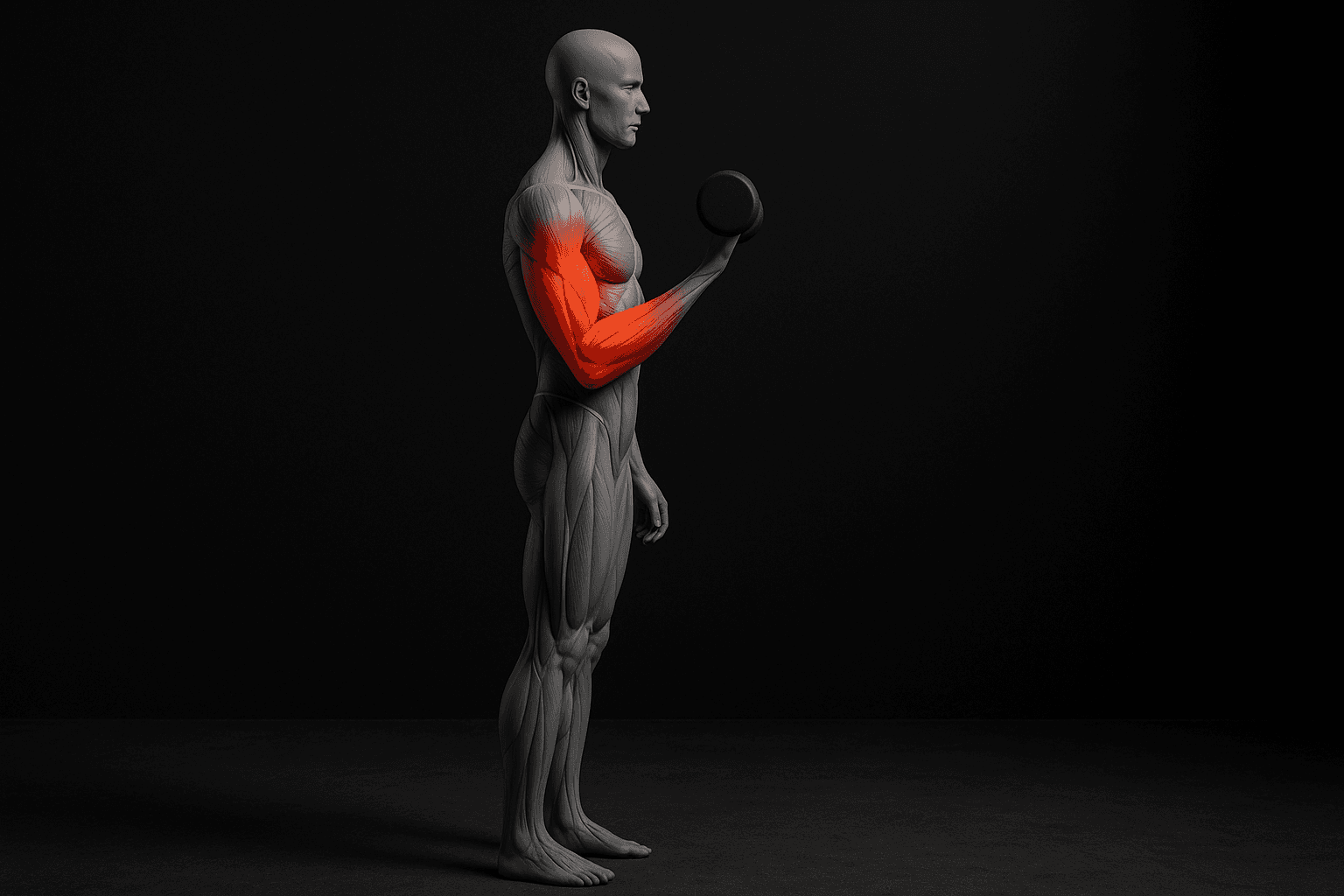
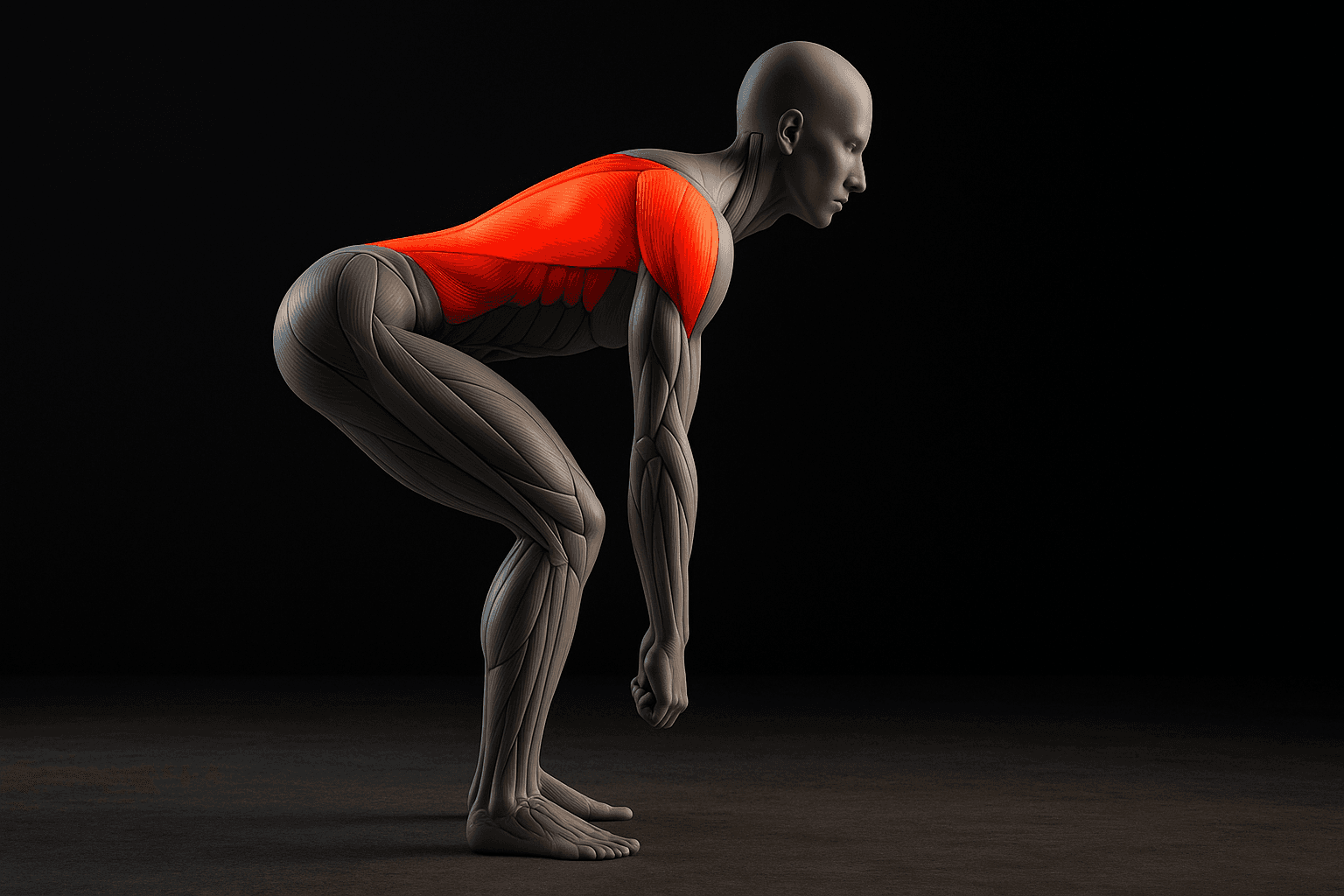
Hammer Curl Alternatives at Home (Minimal Equipment)
Practical at-home hammer-curl substitutes using dumbbells, bands, bodyweight. What each preserves vs loses and when a gym is warranted for progressive overload.
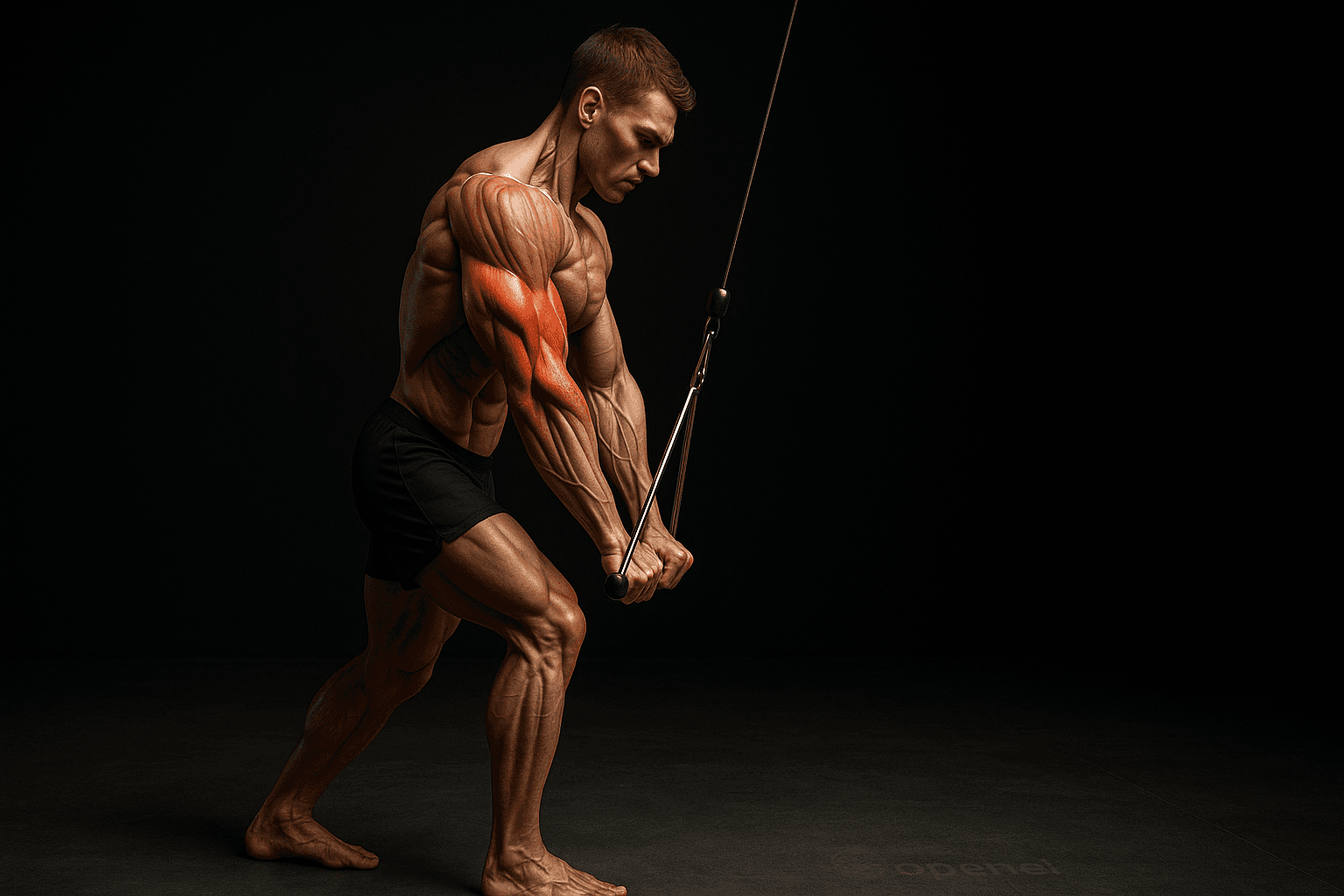
Photo by RepBro.
A quick answer: Use neutral-grip single- or double-dumbbell variations, resistance-band hammer curls, neutral-grip pull-ups or horizontal towel/ring rows, and cross-body (diagonal) hammer curls to preserve the neutral grip and brachialis emphasis. Each alternative trades off isolation, peak loading, or force curve.
Why consider alternatives? Maybe you don’t have a heavy dumbbell pair, a cable stack, or want more variety. Below are 4–5 minimal-equipment substitutes, what they keep from the classic hammer curl, what they don’t, and when they’re enough versus when a gym visit makes sense.
Which exercise most closely matches a dumbbell hammer curl using minimal gear?
- Resistance-band hammer curl
- How to: Stand on the band, hold the handles or looped band with palms facing each other. Curl keeping the neutral grip and elbow tucked.
- What it preserves: Neutral grip, continuous tension through the range, good stimulus on brachialis and brachioradialis.
- What it loses: Different force curve (more tension at top with many bands) and harder incremental loading compared with fractional weights.
- When adequate: For size and general strength if you can progressively increase band tension or reps.
- Single dumbbell cross-body (diagonal) hammer curl
- How to: Hold one dumbbell with a neutral grip and curl it across your body toward the opposite shoulder (a “cross-body” or “diagonal” hammer curl).
- What it preserves: Neutral grip and strong brachialis recruitment, plus a slightly different line of pull that hits the arm uniquely.
- What it loses: Absolute bilateral heavy loading if you only have one light dumbbell; unilateral work increases stabilization demands.
- When adequate: Good for progressive overload using slower tempo, higher reps, or adding sets. Use household weight increases if needed.
- Neutral-grip pull-up or chin-up (palms facing)
- How to: Use a neutral (parallel) grip if you have a bar or rings. Perform full-range pull-ups or chin-ups.
- What it preserves: Heavy, compound elbow flexion that recruits biceps, brachialis, brachioradialis and back musculature.
- What it loses: Isolation of the biceps—back muscles share much of the load; training is less specific to curling movements.
- When adequate: When you can’t isolate but want heavy loading; useful for strength and relative mass. Add assisted or weighted versions to scale.
- Inverted (horizontal) neutral-grip row or towel row
- How to: Lie under a sturdy table, bar, or use rings/TRX with neutral grips. Pull your chest to the handles keeping palms facing each other.
- What it preserves: Neutral grip and elbow flexion under bodyweight resistance; good for higher-volume sessions.
- What it loses: Vertical load magnitude compared to weighted curls and pull-ups; more scapular/retraction demand.
- When adequate: Good for volume-focused phases and for trainees without vertical pull equipment.
- Household-object hammer curls (backpack, water jugs)
- How to: Hold a filled backpack, water jug, or grocery bag with a neutral grip and curl. Use two items to maintain balance.
- What it preserves: Movement pattern specificity and a straightforward way to add load at home.
- What it loses: Limited smallest incremental load adjustments and potential grip/uncomfortable handles.
- When adequate: Useful when you need simple progressive overload options and no bands or extra dumbbells exist.
How do these alternatives compare side-by-side?
| Exercise | Grip/Pattern | Equipment | Preserves | Loses |
|---|---|---|---|---|
| Band hammer curl | Neutral elbow flexion | Resistance band | Continuous tension, brachialis emphasis | Different force curve, harder micro-loading |
| Cross-body dumbbell hammer | Neutral, diagonal path | Single dumbbell | Neutral grip, unilateral stimulus | Lower bilateral max load if light dumbbell |
| Neutral-grip pull-up | Neutral elbow flexion + back | Pull-up bar/rings | Heavy loading, compound strength | Less biceps isolation |
| Inverted/towel row | Neutral horizontal pull | Table/ rings/ towel | Neutral grip, bodyweight volume | Less vertical loading, more scapular demand |
| Household-object curls | Neutral grip if held properly | Backpack, jug | Movement specificity, easy setup | Limited precise loading increments |
How should I program these substitutions (frequency, reps, progression)?
- Frequency: Work elbow flexors about twice per week for most trainees. If you do heavy compound pulling (rows/pull-ups), you can still add 2–6 direct curling sets across the week.
- Rep ranges: Use 6–12 reps per set for hypertrophy focus; 3–6 for strength (via weighted pull-ups or heavy one-arm loaded curls); 12–20 for endurance/conditioning.
- Volume/progression: Aim to add reps, sets, or resistance over time. If bands are your primary tool, buy progressively stronger bands or change band position to increase tension. Track sets and reps (an app or simple log works well) and increase load when you can complete the top rep range for all sets.
When is a gym worth it for hammer curl goals?
- You need it when your home options prevent progressive overload: if you cannot add weight, meaningful reps, or tension anymore.
- You need the gym for very heavy low-rep strength work (e.g., loading beyond what bodyweight, bands, or household items allow) or for specialized isolation using cables/machines.
- If training for a contest or very specific physique goals and you require more precise load increments and machine variety, a gym is helpful.
Safety note: If you feel sharp or unusual joint pain, stop the set and consult a qualified professional. This article does not diagnose injuries or substitute for medical or rehabilitative care.
What can't an app or this article do for my hammer curl form and training?
- An app or article can’t watch your movement and correct subtle form errors in real time. They can’t replace an in-person coach for manual cueing or a medical professional for injury diagnosis.
- Apps can help track sets and progress—RepBro is one tool to log and monitor overload—but consistency and form checks from a qualified coach matter more than which tracker you use.
- A plan only works if you follow it: no software can force consistency or recovery. If you have an injury or pain, see a clinician or physiotherapist.
Summary: With a little creativity, you can reproduce the neutral-grip elbow-flexion stimulus of the hammer curl at home using bands, single dumbbells, neutral pull-ups, inverted rows, or everyday objects. Each option trades off isolation, peak load, or force curve. Use twice-weekly elbow-flexor work, track progressive overload, and move to a gym only when your home setup limits progressive loading or specificity.
Frequently asked questions
- Can bands replace hammer curls for size and strength?
- Yes. Bands can replicate the neutral-grip elbow flexion pattern of hammer curls and produce meaningful hypertrophy if you can progressively increase tension. Bands change force curve and peak tension point, so monitor progression and add load or reps as needed.
- Are neutral-grip pull-ups a good substitute for hammer curls?
- Neutral-grip pull-ups (palms facing) recruit biceps, brachialis and brachioradialis and can substitute for hammer curls when you lack weights. They are more whole-body and less isolated, so combine with focused curls for best biceps development.
- How often should I train hammer-curl alternatives at home?
- Train elbow-flexor work about twice per week. Total weekly direct sets for most lifters typically fall between low and high single digits to mid-double digits depending on experience—progress volume slowly and prioritize recovery and consistency.