Close-grip Bench Press: Muscles Worked and Alternatives
Clear, evidence-aware look at which muscles the close-grip bench press trains, where it fits in a program, plus 3–4 alternatives and when to choose them.
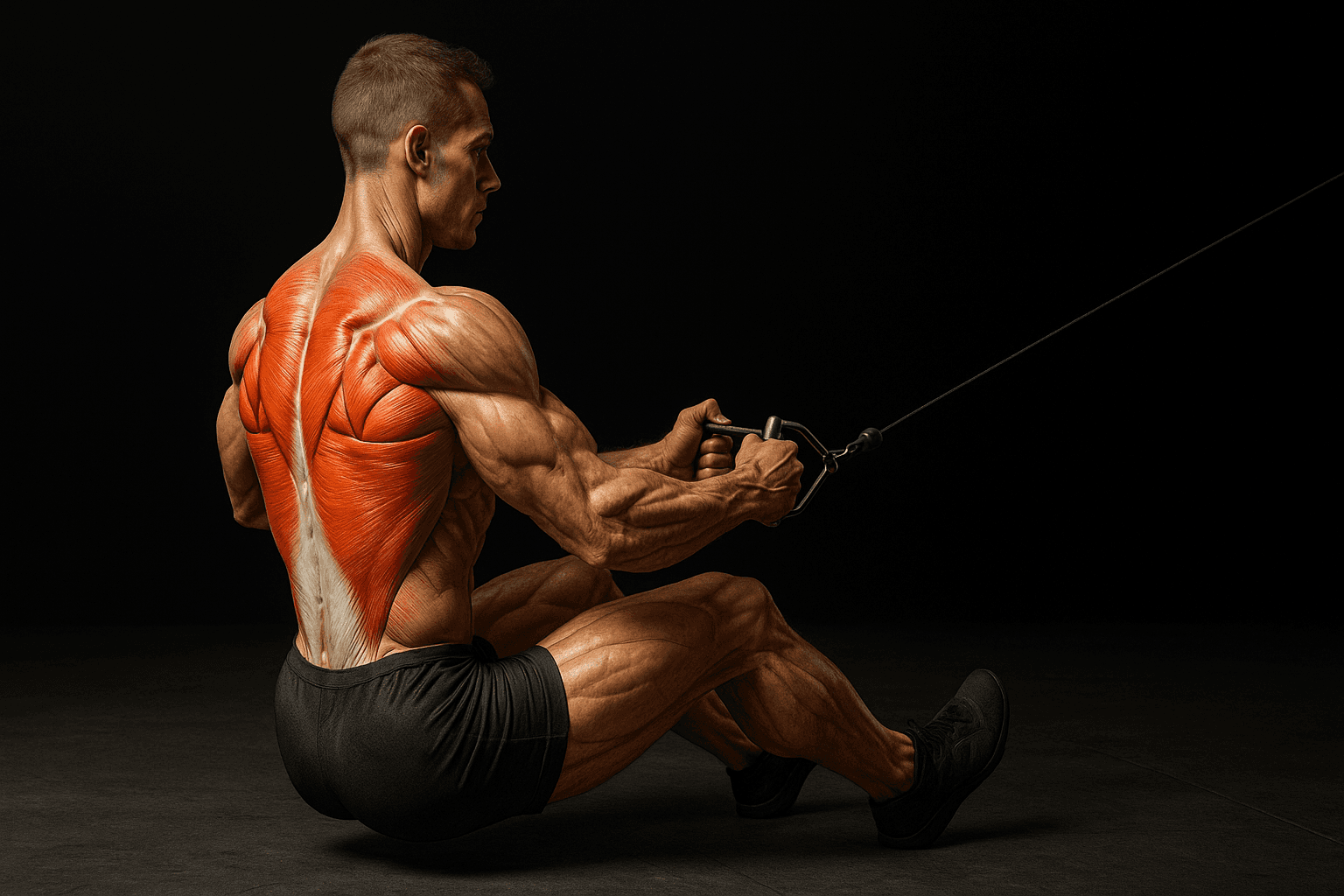
Photo by RepBro.
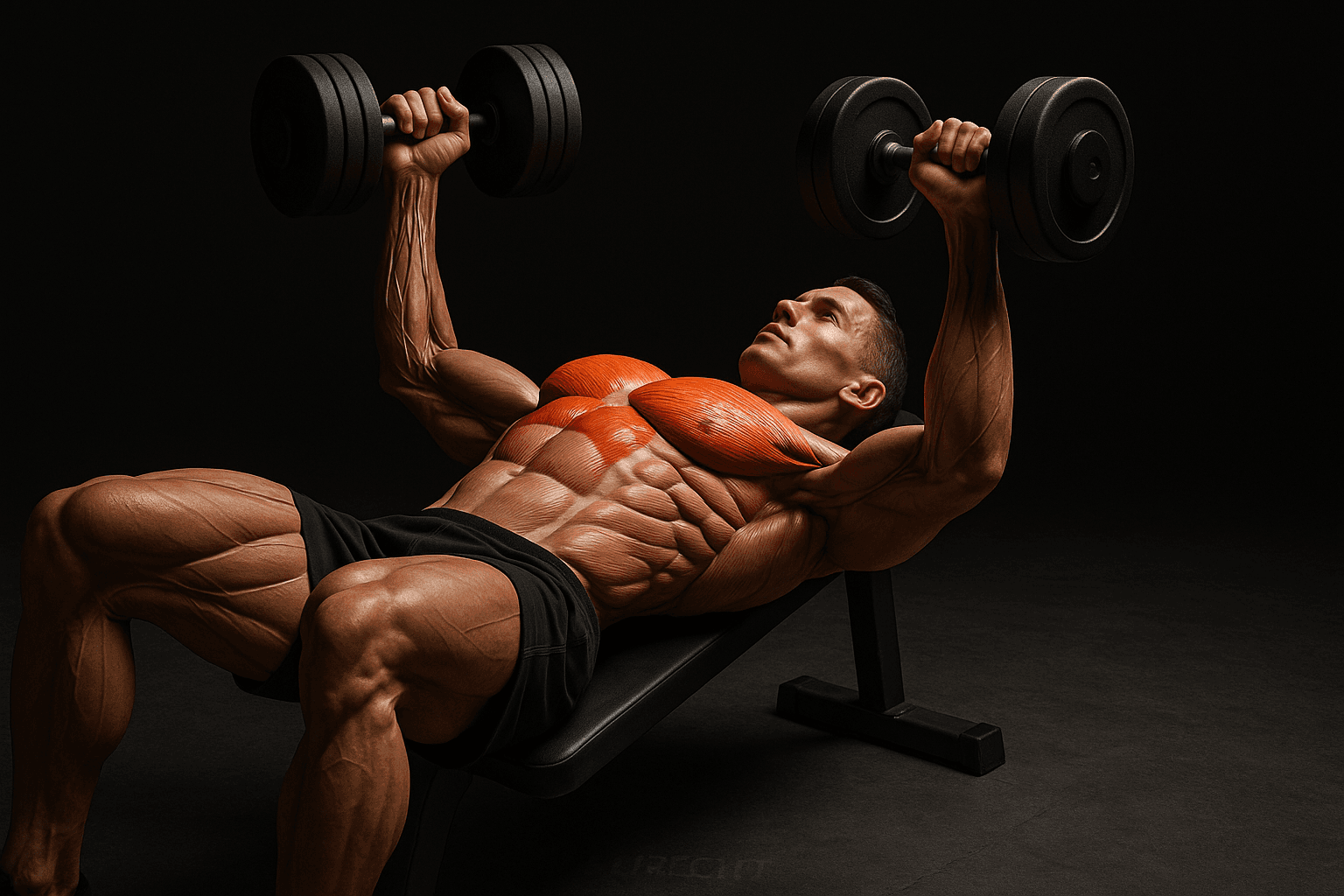
The close-grip bench press mainly trains the triceps (elbow extensors) while still involving the chest and front delts; it’s commonly used as a bench assistance and triceps mass/strength builder rather than a primary chest developer.
Which muscles does the close-grip bench press train?
Primary: triceps brachii (long and lateral heads) — the close grip increases elbow extension demand compared with wider bench grips.
Secondary: sternal fibers of the pectoralis major and anterior deltoid — the chest and front shoulder still produce horizontal adduction and shoulder flexion, especially early in the press.
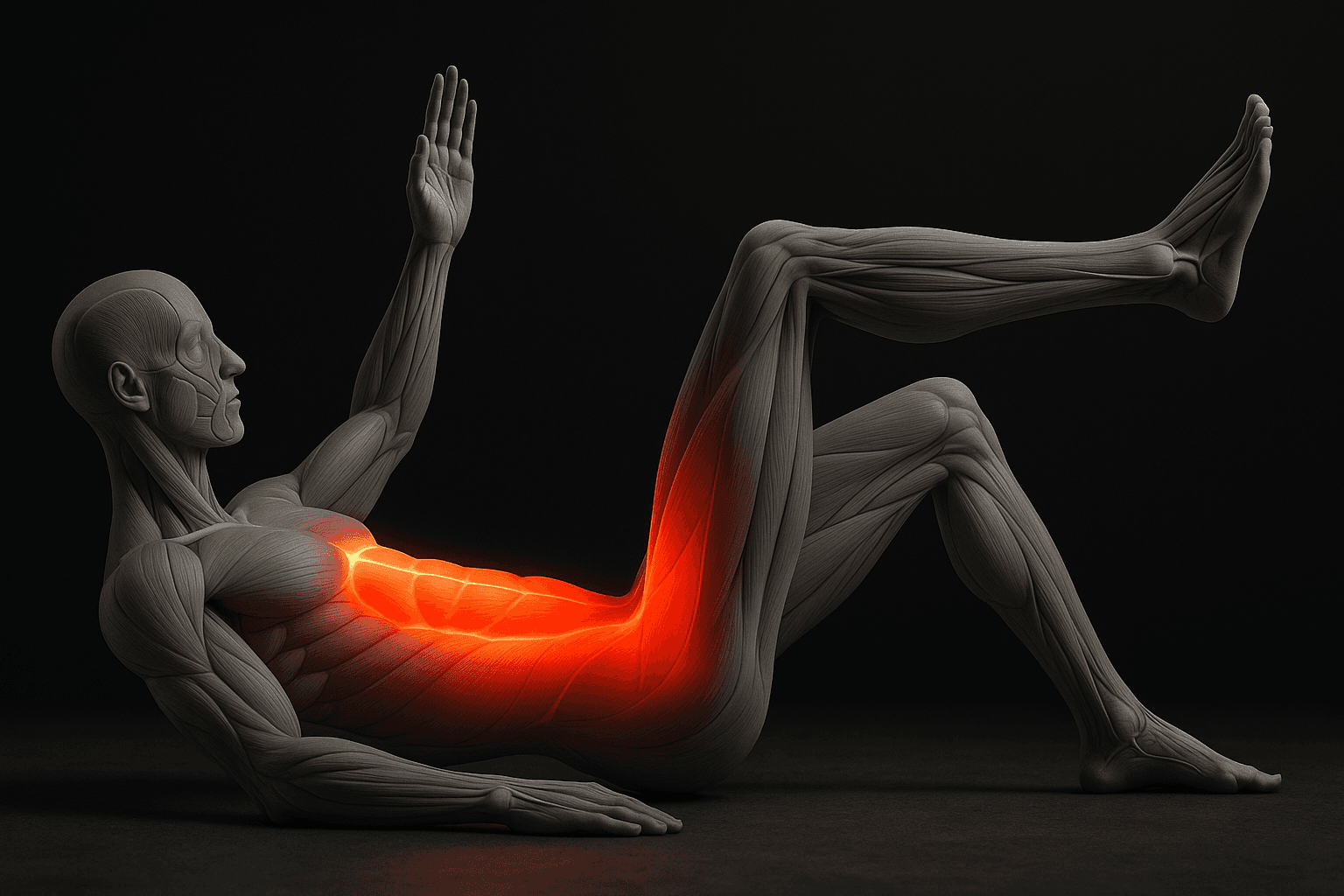
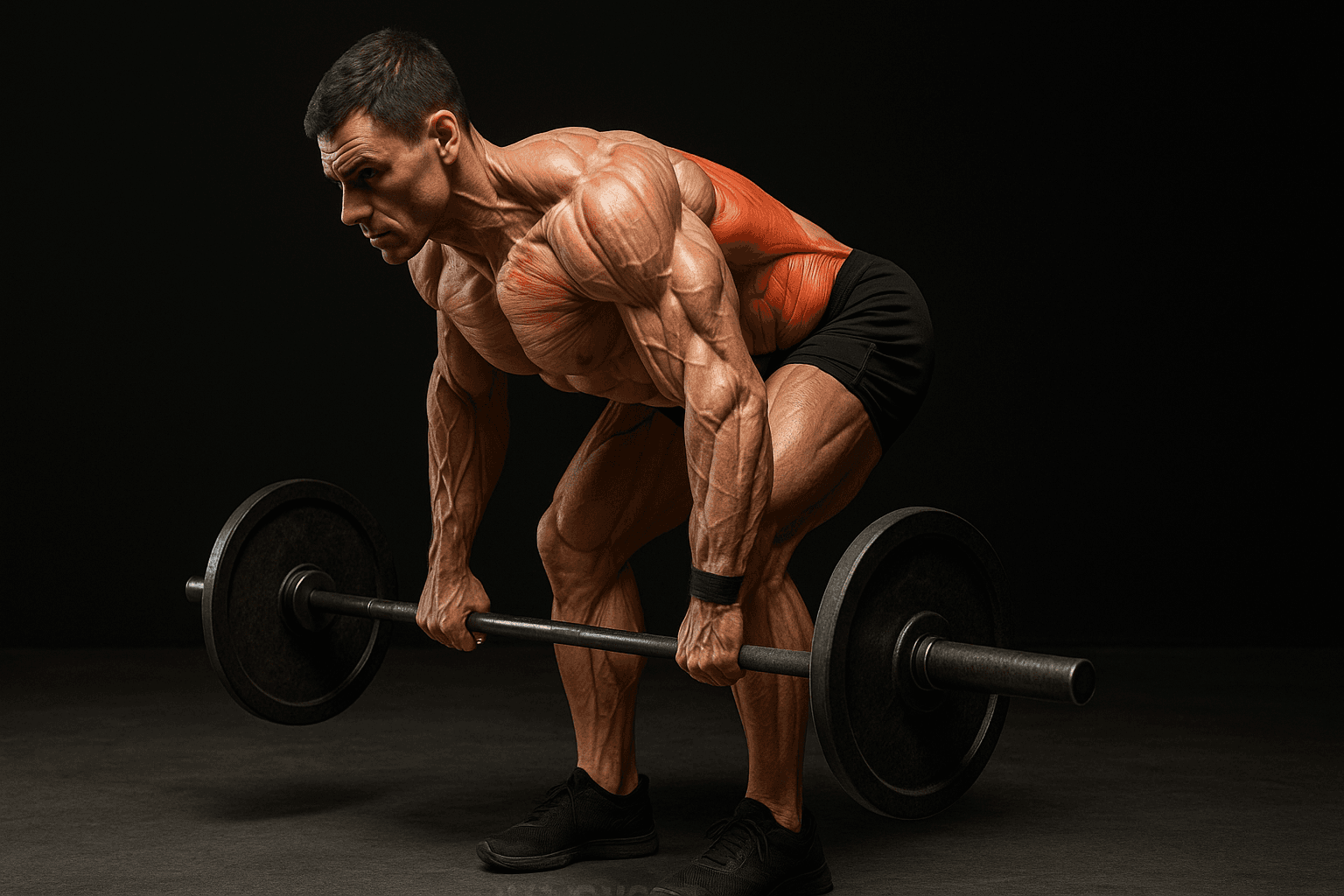
Stabilizers: scapular retractors and rotator cuff muscles stabilize the shoulder; the core and lats assist on tight setups and press path. EMG and mechanical analyses consistently show a shift toward greater triceps activation with narrower grips and relatively reduced pectoralis involvement compared with wide-grip bench variations.
Grip width matters: a grip roughly shoulder-width or slightly narrower tends to emphasize the triceps while keeping wrists and elbows in a reasonable position. Extremely narrow grips can increase wrist and ulnar stress and reduce pressing efficiency.
How does the close-grip bench press fit into a training program?
Role: an assistance lift for bench press strength, a compound option for triceps size and strength, and a variation to stress lockout mechanics.
Placement: use it after primary pressing work (e.g., after the heavy flat bench or incline bench), or on an upper-body accessory day. It can also be a main movement in a triceps-focused session.
Frequency and volume: current resistance-training consensus supports training muscle groups multiple times per week for growth. Many programs place close-grip bench 1–3 times per week depending on overall volume and recovery. Reviews of hypertrophy programming commonly recommend accumulating weekly sets per muscle group in the low- to mid-teens for many trainees; use that as a guide and adjust by recovery and progress.
Progression: prioritize progressive overload via load, repetitions, or sets while keeping form tight. For strength emphasis use lower reps and heavier loads; for hypertrophy use moderate reps and moderate loads. Deloading and autoregulation should follow how you recover—if performance drops and soreness accumulates, reduce volume or intensity for a week.
Programming notes: beginners should prioritize general compound pressing and technique; intermediate lifters can use close-grip bench to improve lockout and triceps strength; advanced lifters can manipulate tempo, board presses, or accommodating resistance for specific weak points.
Which alternatives are effective, and when should you choose each?
Below are four solid substitutes with practical guidance on when to select them.
- Dumbbell close-grip (neutral) press
- What it trains: similar triceps and chest involvement but with improved wrist positioning and unilateral control.
- When to pick it: if you lack a barbell, have wrist discomfort with a bar, or want to correct left-right imbalances. Also useful for lighter-volume accessory work.
- Dips (parallel-bar or weighted)
- What it trains: heavy triceps and lower-chest recruitment depending on torso angle; excellent for overload via added weight.
- When to pick it: pick dips for robust triceps and pressing strength when shoulder mechanics tolerate vertical loading. Avoid or modify if you have painful anterior shoulder symptoms; bench dips typically load the shoulders differently and can increase stress.
- Triceps pushdown (cable)
- What it trains: isolation of the triceps with minimal shoulder involvement and controllable tension through range.
- When to pick it: select pushdowns for high-volume hypertrophy work, tendon-friendly loading, or when equipment limits prevent pressing variations. Cable tension can be used to address weak end ranges.
- Floor press (barbell or dumbbell)
- What it trains: lockout strength and triceps, with a reduced shoulder range of motion and less pec activation than full bench.
- When to pick it: use floor presses when you want to train the triceps and lockout without full shoulder extension—helpful with shoulder irritation or when practicing top-half pressing strength.
How do you choose between these options?
Comparison table:
| Exercise | Primary emphasis | Equipment | Shoulder/elbow stress | Use-case |
|---|---|---|---|---|
| Close-grip bench press | Triceps + chest | Barbell + bench | Moderate | Assistance to bench, triceps size/strength |
| Dumbbell close-grip press | Triceps + chest | Dumbbells | Lower wrist stress | Imbalance correction, wrist comfort |
| Dips | Triceps, lower chest | Parallettes/rig | High, shoulder-dependent | Overload triceps if shoulders tolerate |
| Triceps pushdown | Triceps isolation | Cable machine/bands | Low | High-volume hypertrophy, tendon-friendly |
| Floor press | Triceps, lockout | Barbell/dumbbells | Low-moderate | Limit ROM, protect shoulder, train lockout |
Pick the option that matches your equipment access, pain profile, and the weak portion of the lift you want to improve (first half, mid-range, or lockout).
What about injuries, plateaus, and equipment limits?
- Shoulder pain: reduce range of motion, try floor presses or dumbbells, and consult a qualified clinician. Avoid exercises that reproduce sharp pain.
- Elbow/wrist pain: switch to neutral-grip dumbbell presses or cable work, and manage volume. Tendon-loading progression and a professional assessment may be needed.
- Plateau: change range (floor or board press), tempo, or use different loading schemes (e.g., heavier singles for lockout or higher-rep sets for hypertrophy). Sometimes switching to a different triceps-dominant movement for several weeks breaks the stall.
Safety note: stop any set that causes sharp or unusual pain. This article is informational and not a diagnosis; consult a qualified health or strength professional for persistent pain or rehabbing injuries.
Limitations — what apps and AI coaching cannot do
No app or AI can see and correct your detailed movement mechanics in real time; they cannot replace hands-on assessment by a qualified coach or clinician. Training plans also depend on consistent execution and lifestyle factors (sleep, nutrition, stress). If you have a current injury, consult a clinician before progressing load. If you use an app to log workouts, use it as a tool—not a substitute for professional feedback.
If you track sets and progress, a simple tool like RepBro can help record lifts and trends, but logging does not replace in-person form checks or medical advice.
Summary: the close-grip bench press is a compound, triceps-focused variant that still recruits chest and front delts. Use it as an accessory for bench strength or triceps growth; choose alternatives (dumbbell press, dips, pushdowns, floor press) based on equipment, pain tolerance, and the mechanical weakness you want to address.
Frequently asked questions
- What muscles does the close-grip bench press target?
- The close-grip bench press primarily targets the triceps (elbow extension) and also loads the sternal portion of the pectoralis major and anterior deltoid. Compared with a wider bench grip it shifts emphasis toward the triceps while still involving the chest and shoulders as secondary movers.
- How often should I include the close-grip bench press for growth or strength?
- For hypertrophy and strength, evidence supports training each muscle group multiple times per week; many lifters include a close-grip variation 1–3 times weekly as an accessory. Progressing load, volume, and recovery responsibly is more important than picking a single frequency.
- When should I pick an alternative to the close-grip bench press?
- Choose an alternative if you lack a barbell, have wrist/elbow or anterior shoulder pain with the movement, or if you need more targeted triceps isolation. Alternatives can also be used to break plateaus by changing loading pattern or range of motion.