Chest‑Supported Row: Muscles Worked and Smart Alternatives
Which muscles does the chest‑supported row train, where it fits in a program, and practical alternatives for different equipment, injuries, or plateaus.

Photo by RepBro.
The chest‑supported row primarily trains the horizontal‑pull muscles of the upper and mid back — middle trapezius, rhomboids, posterior deltoids and latissimus dorsi — with the biceps and forearms as secondary movers. It reduces lumbar loading and helps force strict horizontal pulling mechanics.
Which muscles does the chest-supported row train?
Primary movers:
- Middle trapezius and rhomboids: the movement emphasizes scapular retraction and isometric control of the shoulder blades.
- Posterior (rear) deltoid: contributes to horizontal shoulder extension.
- Latissimus dorsi: active for humeral extension and adduction during the pull, though less emphasized than in strict vertical pulls.
Secondary/assisting muscles:
- Biceps brachii and brachialis: elbow flexion to finish the pull.
- Forearm flexors and grip muscles: maintain hold on the implement.
Why the support matters: chest support removes much of the need for lumbar stabilization and reduces torso momentum, so the movement isolates horizontal pulling and limits cheating through torso drive. That makes it useful for teaching strict technique, protecting a sore low back, or prioritizing mid‑upper back hypertrophy.
How should I program the chest-supported row into my routine?
Where it fits:
- Use it as your primary horizontal‑pull on a back, upper‑body, or pull day when you want to emphasize strict scapular retraction and mid‑back work.
- It can be a main heavy/lifted movement or an accessory depending on your overall goal. Place it earlier in the session if you're prioritizing horizontal‑pull strength, or after heavier vertical pulls if you want it as accessory volume.
Frequency and progress:
- Integrate it across one to three weekly sessions depending on training phase, recovery, and total weekly back volume. Increase load or sets gradually using progressive overload principles: more weight, more quality reps, or more sets over time.
- For strength focus, use heavier loads with lower reps; for hypertrophy, use moderate loads with controlled tempo and fuller time under tension. Vary tempo, range of motion, and grip to avoid stagnation.
Form cues:
- Chest flat on the pad, feet planted, neutral neck.
- Start with shoulders long, initiate by retracting the scapula, then drive the elbows back keeping the torso fixed.
- Avoid shrugging or pulling with the neck; squeeze the shoulder blades together at the end of the repetition and resist letting the torso rock.
What are solid alternatives and when should you pick each?
Below are four practical alternatives with reasons to choose them.
- Seated cable row (close‑ or wide‑grip)
- When to choose: limited to gym cable stations or when you want continuous tension and easy load adjustment.
- Good if you need lower spine support but want different hand positions and a longer range of motion.
- Single‑arm dumbbell row (bench supported or standing)
- When to choose: limited equipment (only dumbbells) or when you want unilateral training to correct left/right strength imbalances.
- Choose a bench‑supported variant if you need spinal stabilization; choose standing single‑arm rows when you want more core demand.
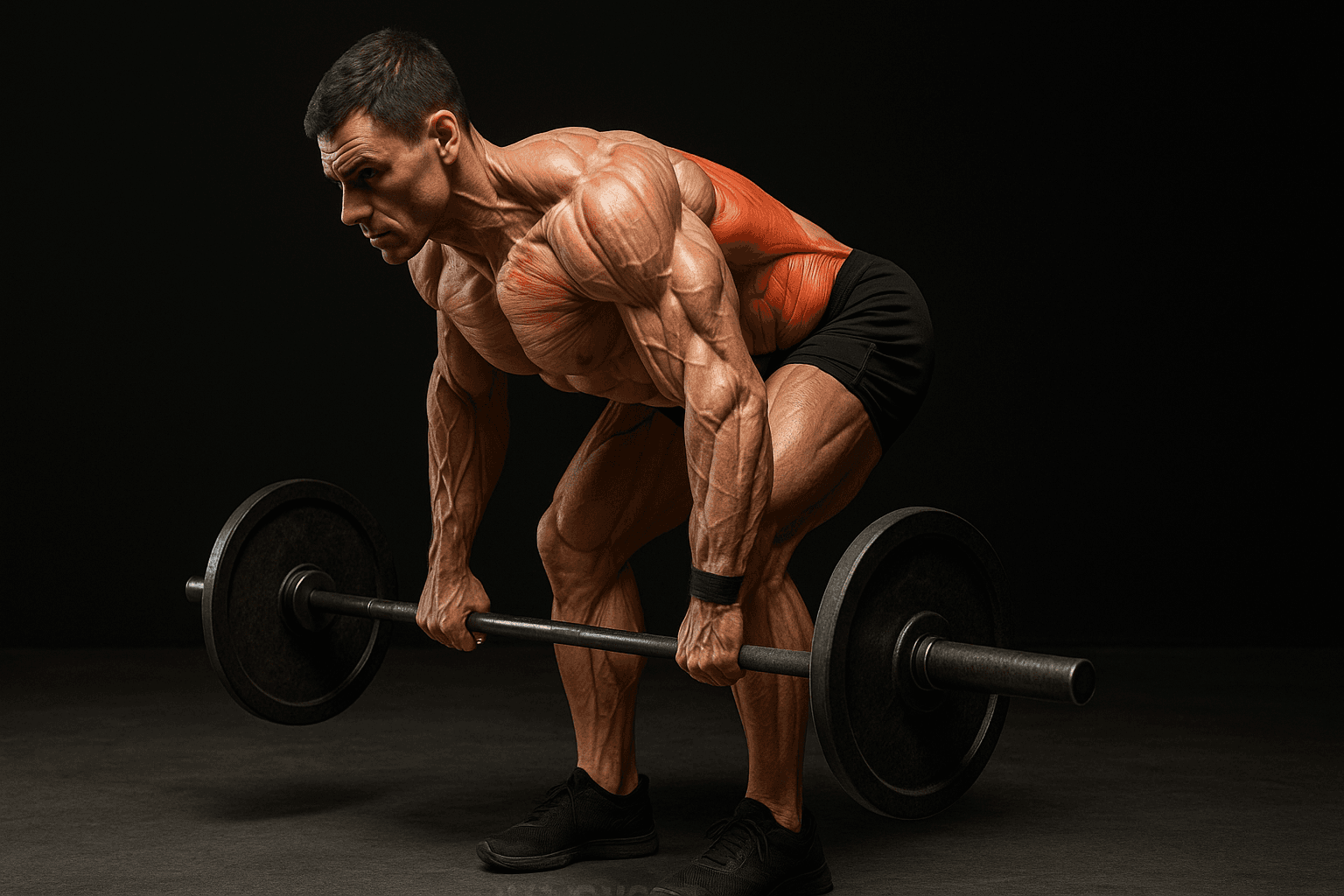
- Bent‑over barbell row (or Pendlay row)
- When to choose: priority is transferring to deadlift or compound strength. These increase posterior chain and spinal demand and develop the ability to manage torso stability under load.
- Avoid if you have an active lumbar complaint unless cleared by a clinician and performed with solid technique.
- Inverted row (bodyweight)
- When to choose: low equipment, rehab, or when you want high‑rep conditioning and a reversible option for beginners.
- Easy to regress or progress (change angle or add weight) and useful when you want to limit compressive axial loading.
Comparison: chest‑supported row vs practical alternatives
| Exercise | Equipment | Spinal loading | Unilateral option | Best used when |
|---|---|---|---|---|
| Chest‑supported row | Chest pad machine/bench + bar/dumbbells | Low | Sometimes | Prioritizing strict horizontal pull, low back sensitivity |
| Seated cable row | Cable station | Low–moderate | Yes | Need continuous tension and varied grips |
| Single‑arm dumbbell row | Dumbbell + bench | Low–moderate (bench support) | Yes | Fixing imbalances, limited gym access |
| Bent‑over barbell row | Barbell | High | No (usually) | Prioritizing transfer to deadlift/overall posterior chain strength |
| Inverted row | Bar or rings | Low | Yes | Beginner, rehab, bodyweight conditioning |
How to progress and break plateaus
- Apply progressive overload: increase load, increase effective reps, or increase weekly volume while monitoring recovery.
- Change stimulus: swap grip width, use a slower eccentric, add pauses on the concentric hold, or introduce unilateral work.
- Manipulate frequency: temporarily increase or decrease how often you perform horizontal pulls to manage fatigue and stimulate new adaptations.
Avoid chasing single‑session extremes; steady, measurable increases in load or quality repetitions over weeks produce reliable gains.
Safety note
Stop any set if you feel sharp or radiating pain. Chest‑supported rows reduce lumbar demand but do not eliminate shoulder or neck risk when performed poorly. If you have a history of shoulder or back injury, consult a qualified clinician or coach for an individualized approach. This article does not diagnose or prescribe rehabilitation.
Limitations — what apps and AI coaching cannot do
- No app or AI can see your real‑time technique or the subtle compensations that raise injury risk; a coach or clinician must assess complex movement faults in person.
- If you have an acute injury, medical history, or post‑operative restrictions, follow a qualified health professional’s plan rather than general guidance.
- Training recommendations depend on consistent adherence; even the best program requires regular, progressive effort to produce change.
If you want to log sets, track progressive overload, and keep a simple record of horizontal‑pull volume, structured tracking tools can help; however, use them alongside in‑person feedback when possible.
Frequently asked questions
- Does the chest-supported row work lats or mostly upper back?
- The chest-supported row targets both upper/mid-back and latissimus dorsi. It emphasizes the mid‑trapezius and rhomboids more than some vertical pulls, while the lats and posterior deltoids contribute—so expect a mix of scapular retraction and humeral extension work rather than pure lat isolation.
- Is chest-supported row safe for lower-back issues?
- Because the chest is supported, spinal shear and lumbar loading are reduced compared with bent-over rows, which can make it a good option for people with lower‑back sensitivity. Stop on sharp pain and consult a qualified clinician before returning to loaded pulling if you have an acute or ongoing back injury.
- How often should I include chest-supported rows in my program?
- Include chest-supported rows according to your priorities and recovery: as a primary horizontal pull on back or upper‑body days, commonly across one to three weekly sessions depending on overall volume and training experience. Adjust load and frequency based on progress and fatigue.