Cable Pull-through: Proper Form, Step by Step
Clear, evidence-aware guide to cable pull-through form: setup, cues, breathing, tempo, common mistakes and safety. Includes comparisons and practical fixes.
Photo by RepBro.
The cable pull-through is a simple hip-hinge movement that loads the glutes and posterior chain while allowing low spinal compressive forces. Set a low cable, hinge from the hips with a neutral spine, drive the hips forward until the glutes contract, then control the return. Stop on sharp pain.
What exactly is a cable pull-through and what does it target?
The cable pull-through is performed with a rope or handle attached to a low pulley behind you. It primarily targets the gluteus maximus and hamstrings through hip extension while also training the hip-hinge pattern and core bracing. Because the load is posterior of the body and not on the shoulders, it can be a lower-compression alternative to barbell hip-dominant lifts.
How do I set up the cable and my body for a safe pull-through?
- Equipment: Attach a rope handle to the lowest point on a cable machine. Stand with feet hip-width to slightly wider (about 30–45 cm / 12–18 in apart).
- Position: Face away from the machine so the cable runs between your legs. Hold the rope ends with a neutral grip, thumbs toward you. The rope should be between your legs at roughly mid-thigh when you hinge.
- Load: Start conservatively. The exercise emphasizes control and a strong hip drive, not maximal loading.
- Foot and knee setup: Soft knees (slight bend) — not locked. Weight distributed mid-foot to heel.
What is the step-by-step execution cue for perfect form?
- Brace your core: take a full diaphragmatic inhale and brace the trunk as if preparing for impact. Maintain a neutral spine and chest-up posture.
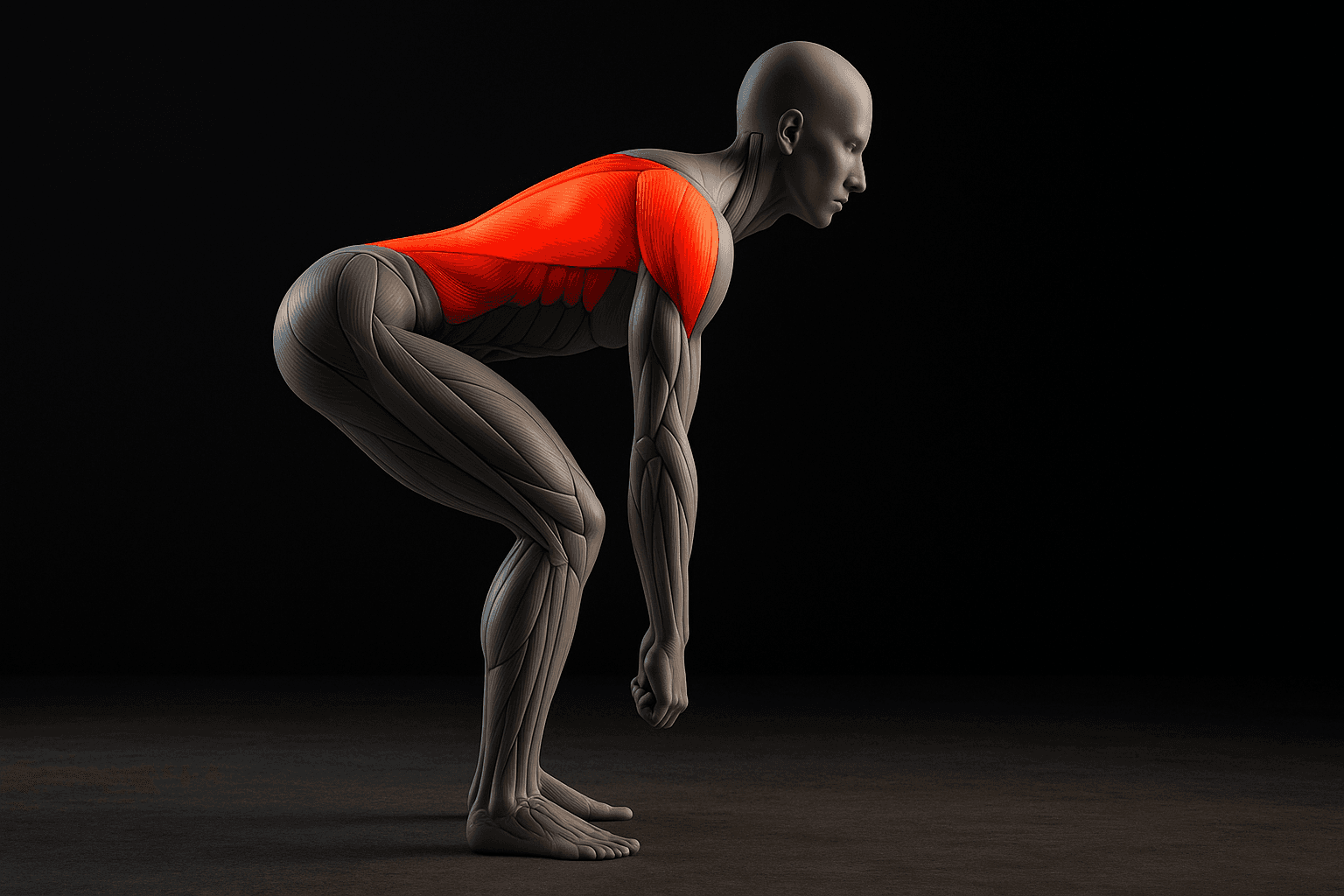
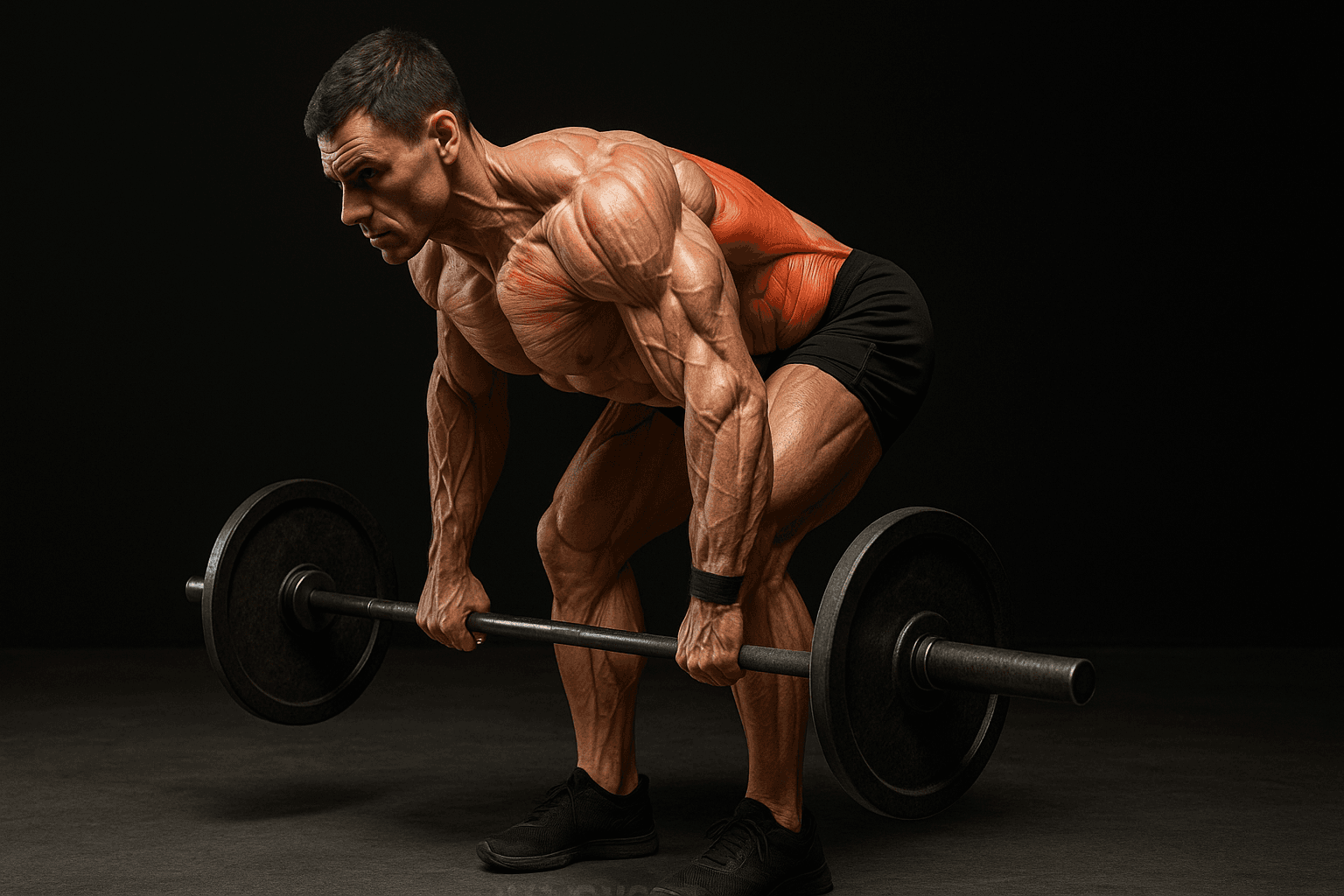
- Hinge at the hips: push your hips back while keeping a neutral spine, moving the rope between your legs. Keep the knees softly bent; shins remain vertical-ish — avoid excessive knee travel forward.
- Drive the hips forward: Reverse the motion by forcefully contracting the glutes and driving the hips forward until fully extended. The torso should come to a roughly upright position, not hyperextended.
- Lockout: At the top, squeeze the glutes for a brief moment (0.5–1 second). Do not overarch the lower back.
- Controlled return: Hinge back under tension, resisting the cable until you reach your end range. Maintain neutral spine throughout.
What breathing and tempo should I use?
- Breathing: Inhale during the hinge (eccentric/lengthening phase) and brace; exhale as you drive the hips forward (concentric). Avoid holding breath for excessively long sets; use braced exhalations if needed for heavy reps.
- Tempo: A controlled tempo preserves technique. Typical tempos: 2–3 seconds to hinge back, brief 0–1 second pause, 0.5–1 second explosive hip drive. Adjust speed only if control and joint alignment are preserved.
How should I program the cable pull-through in my routine?
Use pull-throughs as an accessory to increase posterior chain volume, teach hinge mechanics, or provide a lower-spine-load option. Frequencies of one to three times per week are common depending on total program volume and recovery. For hypertrophy-focused work, choose rep ranges and sets consistent with your overall program and progress load or reps over time.
How does the cable pull-through compare to RDLs and kettlebell swings?
| Feature | Cable Pull-through | Romanian Deadlift (RDL) | Kettlebell Swing |
|---|---|---|---|
| Primary emphasis | Glute-dominant hip extension, control | Posterior chain with greater spinal load | Power/horizontal velocity and hip extension |
| Load type | Constant tension, low spinal compression | Heavier axial load, higher spinal compression | Ballistic, elastic hip extension |
| Learning curve | Easy to moderate | Moderate | Moderate to high (timing) |
| Use case | Accessory, volume, motor-patterning | Strength/hyperload | Power and conditioning |
Use the pull-through when you want continuous posterior tension, lower axial loading, or more focused glute work. Use RDLs to build maximal posterior-chain strength with heavier loads. Use swings for power and explosive coordination.
What are common mistakes and how do I fix them?
- Mistake: Rounding or flexing the spine. Fix: Reduce load, cue chest-up and bracing, and practice hip hinge with a dowel or PVC first.
- Mistake: Knees tracking too far forward (squat pattern). Fix: Emphasize pushing hips back and feel tension in hamstrings before driving hips forward.
- Mistake: Using arms to pull rather than hips to drive. Fix: Keep arms long and relaxed; imagine pushing your hips into the rope rather than pulling with your hands.
- Mistake: Hyperextending the lower back at the top. Fix: Stop when hips are fully extended; hold glute contraction without arching.
- Mistake: Going too fast and losing control. Fix: Slow the eccentric and maintain tension; only accelerate the hip drive if technique is stable.
What safety precautions should I follow?
- Stop immediately for sharp, radiating, or unfamiliar pain and consult a qualified professional. Never attempt to self-diagnose injuries.
- Prioritize a neutral spine, core bracing, and controlled tempo over heavy loads.
- If you have a history of spinal issues, get clearance from a clinician familiar with your case before loading the hips.
What are the limitations of remote guidance, apps, and AI for form correction?
No app or AI can fully replace a qualified coach who can see your movement in three dimensions, palpate tissues, and take a medical history. Remote tools can offer cues and patterns, but they can’t diagnose injuries, feel muscle activation, or tailor hands-on corrections. A plan only works if you follow it consistently; consistency matters more than which tool you use.
Quick takeaway and next steps
The cable pull-through is a technically accessible hip-hinge variation that emphasizes glute contraction and continuous posterior tension with relatively low axial compression. Learn it with light loads, prioritize a deliberate hip hinge and core brace, correct common faults listed above, and consult a professional for pain or complex movement issues.
Limitations
- This article provides evidence-aware coaching cues but not individualized medical advice. If you experience persistent pain, a qualified clinician should assess you.
- No written guide or app can replace an in-person assessment for complex injuries or movement dysfunction.
- Progress depends on consistent application over time; exercise choice is secondary to adherence.
Safety note: If you feel sharp or worsening pain during this exercise, stop immediately and consult a qualified healthcare professional. This guide does not diagnose injuries or replace professional assessment.
Frequently asked questions
- Is the cable pull-through better than deadlifts for glute growth?
- The cable pull-through is a useful accessory to load the hips through a long-range hip hinge and emphasize glute contraction, but it’s not a blanket replacement for deadlifts. Use it alongside compound lifts to add volume, teach hinge mechanics, or reduce compressive spinal load; both approaches can contribute to hypertrophy.
- How heavy should I go on the cable pull-through?
- Choose a load that allows strict hip hinge mechanics and full glute contraction for your target rep range. If technique breaks down, reduce weight. For hypertrophy most people use moderate loads with controlled reps rather than maximal single-effort loads—progress gradually as strength and control improve.
- Can I do cable pull-throughs with low back pain?
- Stop on sharp or unfamiliar pain and consult a qualified clinician. Some people find pull-throughs comfortable because they avoid spinal loading, but whether they’re appropriate depends on the cause of pain. A professional should assess movement patterns and prescribe or clear exercises for your specific condition.