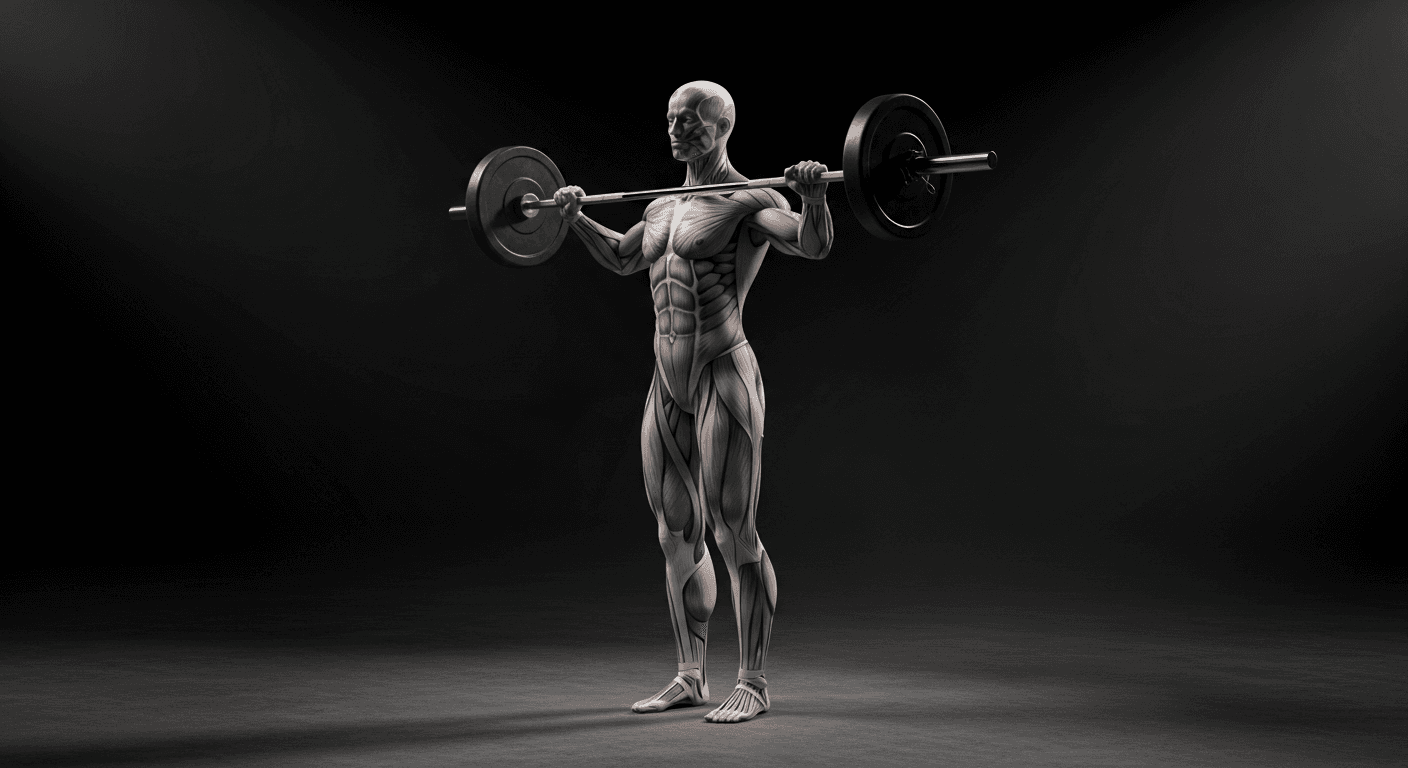
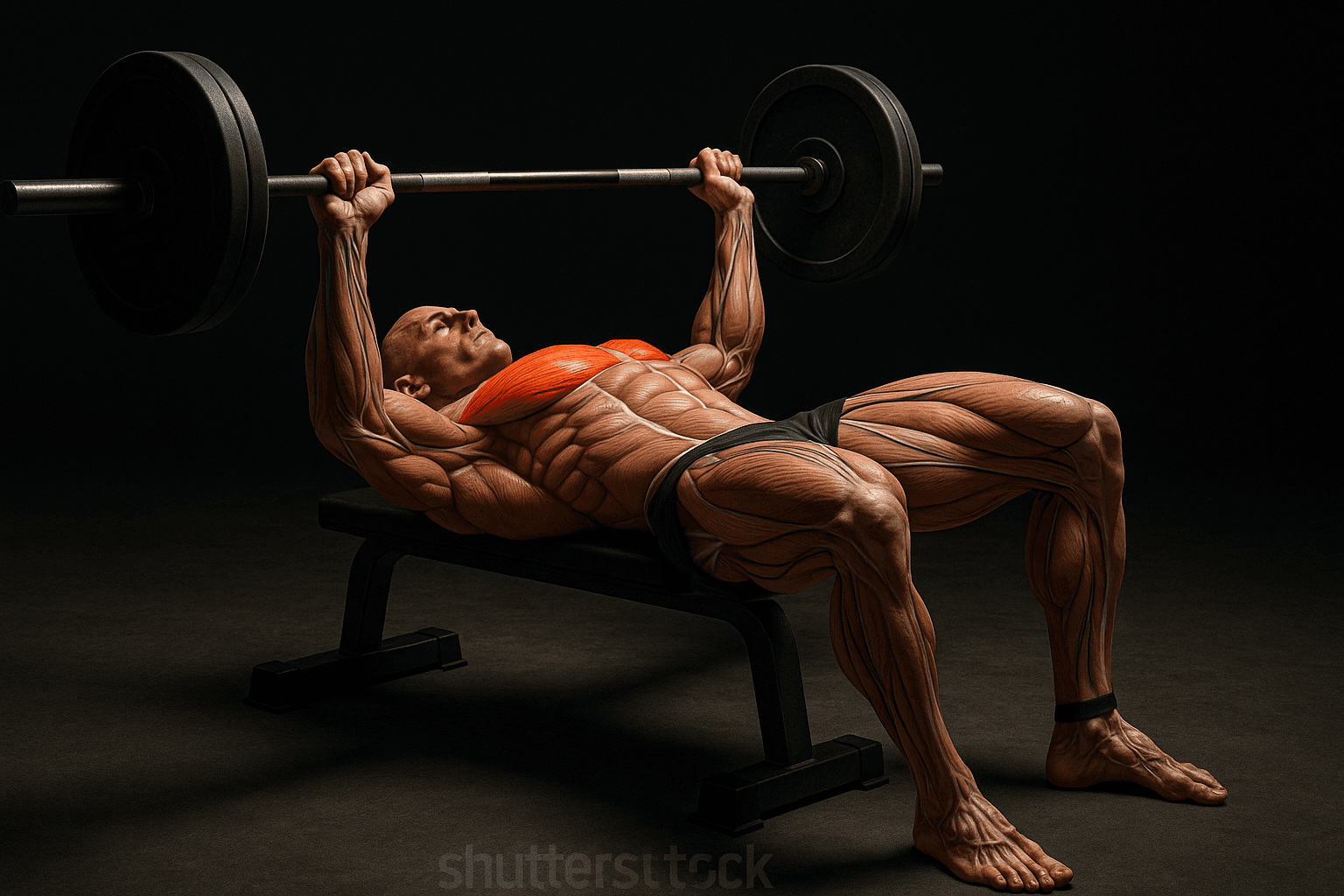
Box Squat Alternatives at Home (Minimal Equipment)
Four to five practical at-home substitutes for the box squat using bodyweight, dumbbells, or bands; what each preserves and loses versus a box squat, and when to use them or head to a gym.
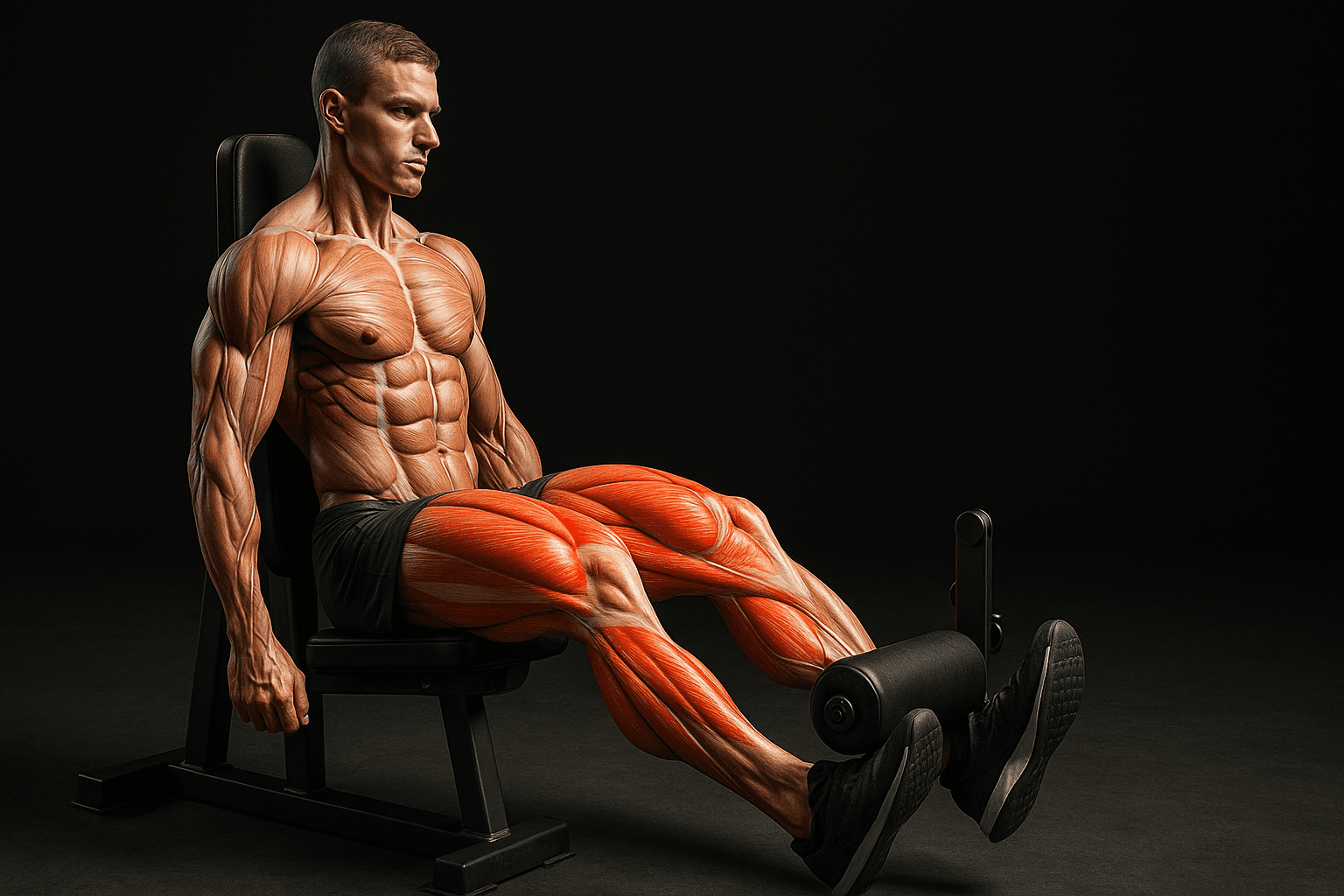
Photo by RepBro.
Answer-first
Box squats can be imitated at home with minimal kit. Use a supported (box/chair) squat, goblet squat, banded sit-back, Bulgarian split squat, or single-leg RDL. Each preserves some mechanical targets of the box squat but loses others — know which and when to seek a gym for barbell work.
What are simple at-home substitutes for the box squat?
Below are five practical substitutes using bodyweight, dumbbells, or bands. For each I list what it preserves compared with a barbell box squat, what it loses, and when the swap is adequate versus when to return to a gym for the barbell version.
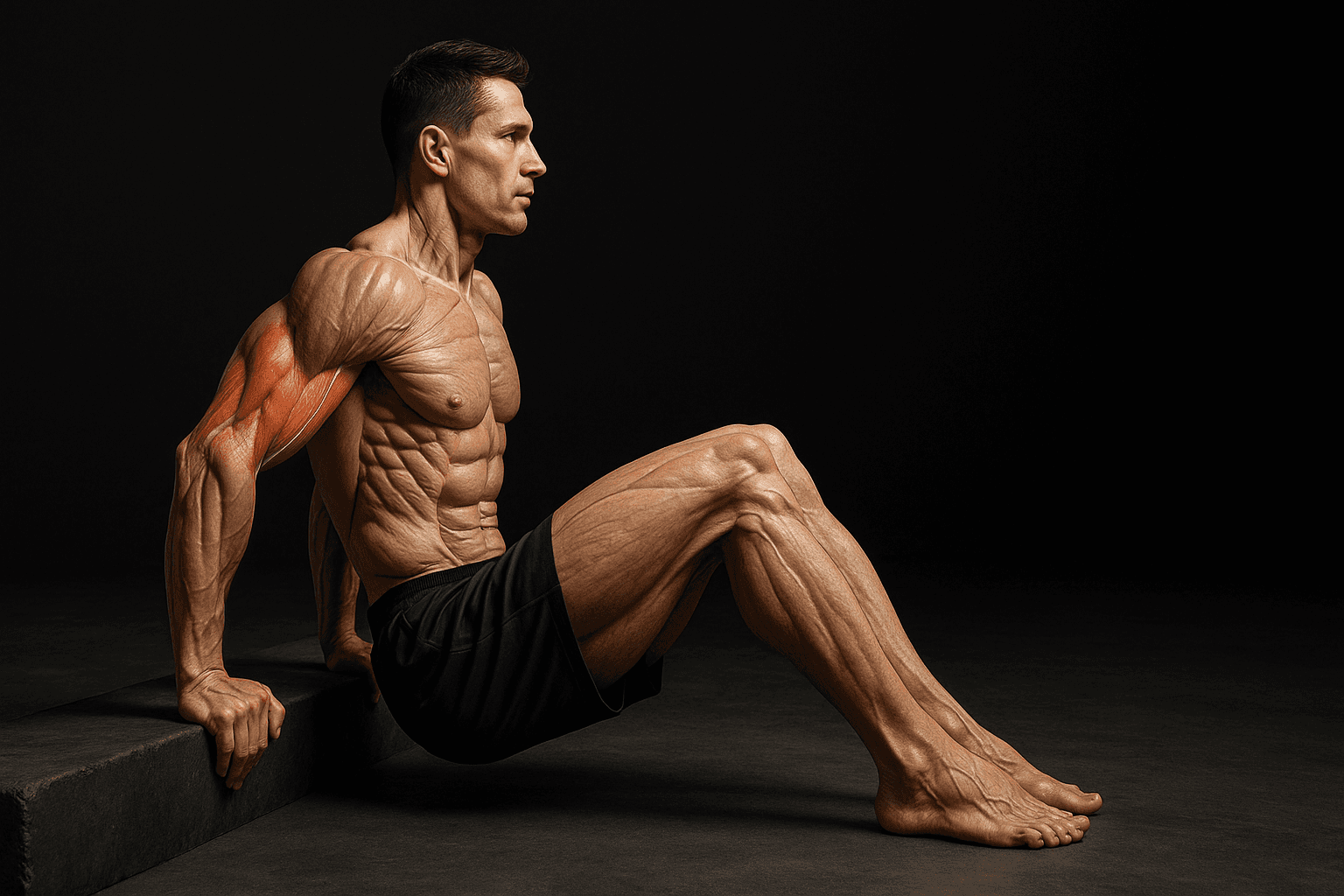
1) Supported (box/chair) squat — bodyweight or with dumbbells
- How to do it: Sit back to a stable chair or low box, pause briefly, then stand. Keep knees aligned and chest up; add a dumbbell held at the chest for loading.
- What it preserves: Sit-back pattern, depth control, tempo/pause training, and the ability to practice hip-drive without needing a rack.
- What it loses: Exact barbell bar path, intermuscular coordination under a loaded bar across the back, and the capacity for heavy bilateral loading comparable to a barbell.
- When it's adequate: Useful for learning technique, for beginner strength phases, and for maintaining movement quality when a barbell isn't available.
2) Goblet squat (dumbbell or kettlebell)
- How to do it: Hold a dumbbell vertical at chest, squat to depth with torso upright, optionally pause at the bottom or use a 2–3 second eccentric.
- What it preserves: Quadriceps demand, upright torso, and progressive loading using standard dumbbells; transfers well to squat mechanics.
- What it loses: Load distribution differs from a low-bar box squat; it is harder to load to the same absolute weight as a barbell squat, and posterior chain emphasis can be reduced vs a sit-back box squat.
- When it's adequate: Good for hypertrophy, technique carryover, and when you have moderate dumbbell/kettlebell loads.
3) Banded sit-back or band-resisted box squat
- How to do it: Anchor a band behind you (under a stable anchor), loop it around the hips, then perform a sit-back to a chair or low surface with band tension adding or resisting the movement.
- What it preserves: Hip-centric sit-back feel and posterior chain activation; accommodates variable resistance that can reproduce some barbell tension patterns.
- What it loses: Precise overload at very high absolute loads and the bar-on-back balance demands of a barbell box squat.
- When it's adequate: Useful when you want to emphasize hip drive and posterior chain training without heavy barbells; good for accessory emphasis and tempo work.
4) Bulgarian split squat (rear-foot elevated split squat) — dumbbells
- How to do it: Place rear foot on bench/chair, front foot forward; lower into a single-leg squat while holding dumbbells. Keep torso upright; descend until front thigh is near parallel.
- What it preserves: Quad strength, knee flexion control, and the ability to load a single limb. It challenges stability and reduces compensations.
- What it loses: Bilateral barbell mechanics and exact sit-back pattern; different hip/knee coordination (unilateral focus).
- When it's adequate: Use this to build leg strength, fix side-to-side imbalances, and progress load beyond bodyweight when bilateral barbell access is limited.
5) Single-leg Romanian deadlift (RDL) — dumbbell or band
- How to do it: Hinge at the hips with a slight knee bend, lower a dumbbell to mid-shin on one leg while the other leg extends back. Keep a neutral spine and drive the hip forward to return.
- What it preserves: Posterior chain (hamstrings and glutes) loading and hip hinge mechanics that box squats target during the sit-back and stand phases.
- What it loses: Knee-dominant loading and the squat joint angles under bilateral compression seen in box squats.
- When it's adequate: Use it to strengthen the posterior chain when you lack a heavy barbell; pair with a quad-dominant exercise to cover both movement patterns.
How should I program these alternatives for progress?
Follow general resistance-training principles: train lower body 2–3 times per week, include 2–4 working sets per exercise, and pick rep ranges based on goals (lower reps for strength emphasis, moderate reps for hypertrophy). Progress by adding load (heavier dumbbells/bands), increasing reps or sets, slowing tempo, or removing assistance (for bodyweight moves). Schedule regular recovery or deload weeks when performance drops.
How do these alternatives compare to a true box squat?
| Exercise | Equipment | What it preserves | What it loses |
|---|---|---|---|
| Supported box/chair squat | Chair, optional dumbbell | Sit-back rhythm, depth control, pause work | Barbell load magnitude, back-loaded bar path |
| Goblet squat | Dumbbell/kettlebell | Upright torso, quad loading, progressive overload (moderate) | Low-bar mechanics, very heavy loads |
| Banded sit-back | Resistance band, anchor | Posterior chain emphasis, variable resistance | Max bilateral loading, exact bar feel |
| Bulgarian split squat | Dumbbells, bench | Single-leg strength, quad demand, imbalance correction | Bilateral barbell coordination |
| Single-leg RDL | Dumbbell/band | Posterior chain/hinge strength | Knee-dominant squat mechanics |
When should I go to a gym to get back to real box squats?
Go to a gym when: you need heavy bilateral loading beyond your dumbbells/bands; you want to practice low-bar vs high-bar bar placement under load; you need a rack and safety pins for heavy singles; or you require in-person coaching to refine technique. If your long-term goal specifically targets heavy barbell squat strength, regular gym access will eventually be necessary.
What safety checks should I follow?
Stop any exercise on sharp or unusual pain. Use a stable surface for support; test bands and anchors before loading; choose dumbbell weights that allow controlled technique. This article does not diagnose injuries — consult a qualified professional for persistent pain or rehabilitation.
What can't an app or AI coaching do for these swaps?
Limitations: remote apps and AI can track sets, reps, and provide cues, but they cannot reliably see or correct your real-time form, palpate muscle tone, or make a hands-on assessment after a recent injury. For acute pain, persistent discomfort, or complex technique faults, see a qualified coach or clinician. A program only works if you show up — consistency and load progression matter more than which app you use.
Note: if you want simple tracking and progressive routines for these at-home variations, an app like RepBro can help record sets, weights, and progression over time.
Safety reminder: this information is educational and not a medical diagnosis. For rehab or injury-specific programming, consult a physiotherapist or qualified strength coach.
Frequently asked questions
- Can I replace box squats with goblet squats at home?
- Yes. Goblet squats preserve upright torso and load through the hips and quads, and allow progressive loading with dumbbells. They lose the exact posterior chain emphasis and bar path of a heavy barbell box squat. Use them for strength and hypertrophy until you can safely access a barbell.
- How often should I train these box-squat alternatives?
- Train lower-body exercises 2–3 times per week, following common resistance-training guidance for frequency. Use 2–4 sets per exercise and adjust reps for goals: lower reps for strength, moderate reps for hypertrophy. Include planned recovery weeks or deloads when progress stalls.
- When is it time to go to a gym instead of using home variations?
- Head to a gym when you need heavier bilateral loading, precise barbell technique practice, or progressive overload beyond safe dumbbell/band capacity. Also go if you need coaching, urgent technique feedback, or access to racks and safety equipment for heavy lifts.